Trump Administration Plans to Dismantle Major Climate Research Center in Colorado
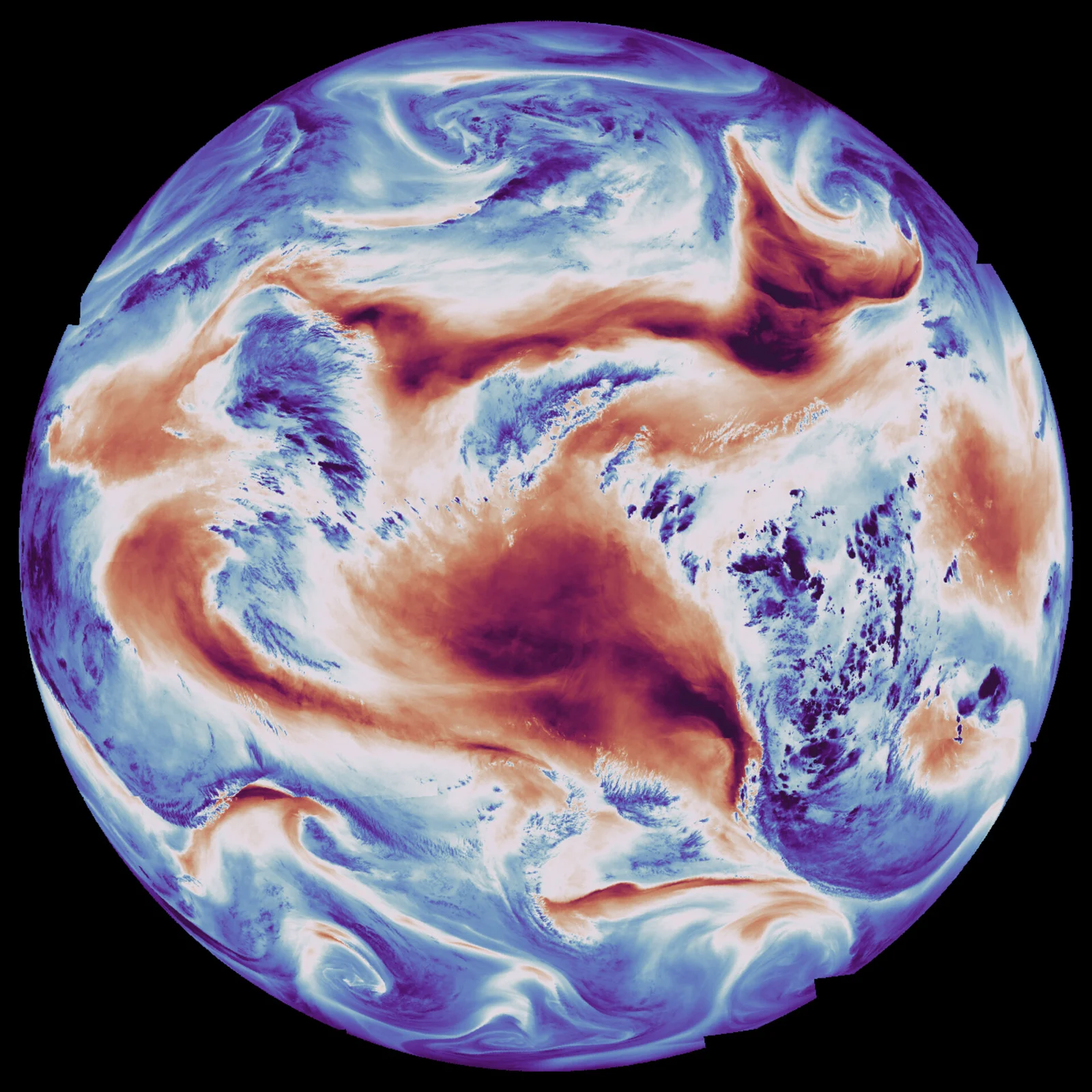
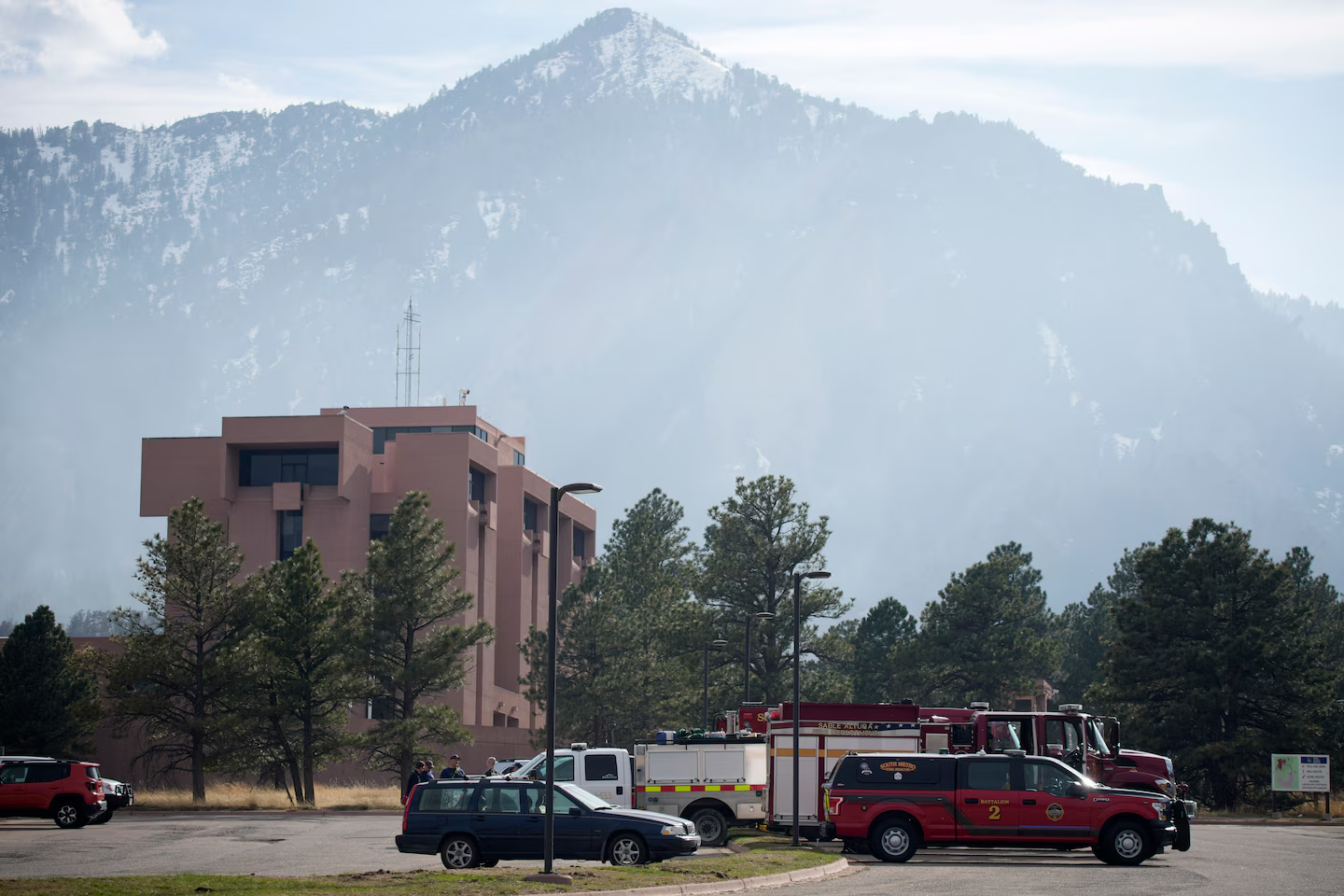
Trump officials plan to dismantle the global climate and weather forecasting system, which could impact international climate science and weather prediction efforts.
All articles tagged with #weather forecasting

Trump officials plan to dismantle the global climate and weather forecasting system, which could impact international climate science and weather prediction efforts.

NOAA has launched new AI-driven global weather prediction models, including AIGFS, AIGEFS, and HGEFS, which significantly improve forecast speed, accuracy, and resource efficiency, marking a major advancement in meteorological technology and forecasting capabilities.

Scientists have developed a highly detailed digital twin of Earth with a resolution of approximately 1.25 km, integrating weather and climate models using advanced supercomputers and software engineering, marking a significant breakthrough in climate prediction capabilities.

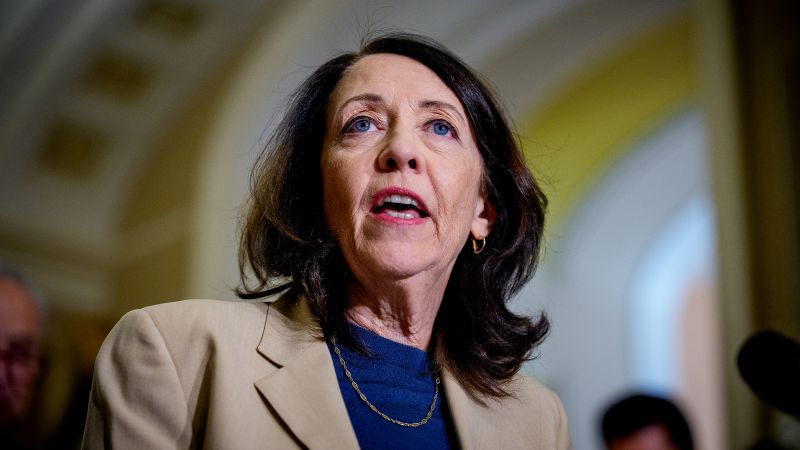
Senator Maria Cantwell urges President Trump to reconsider proposed budget cuts to NOAA, advocating for bipartisan investments in weather forecasting infrastructure, including modernizing alert systems and upgrading satellites, especially after recent devastating floods in Texas. The letter emphasizes improving weather prediction capabilities without directly addressing climate change, amidst ongoing staff reductions and budget cuts.

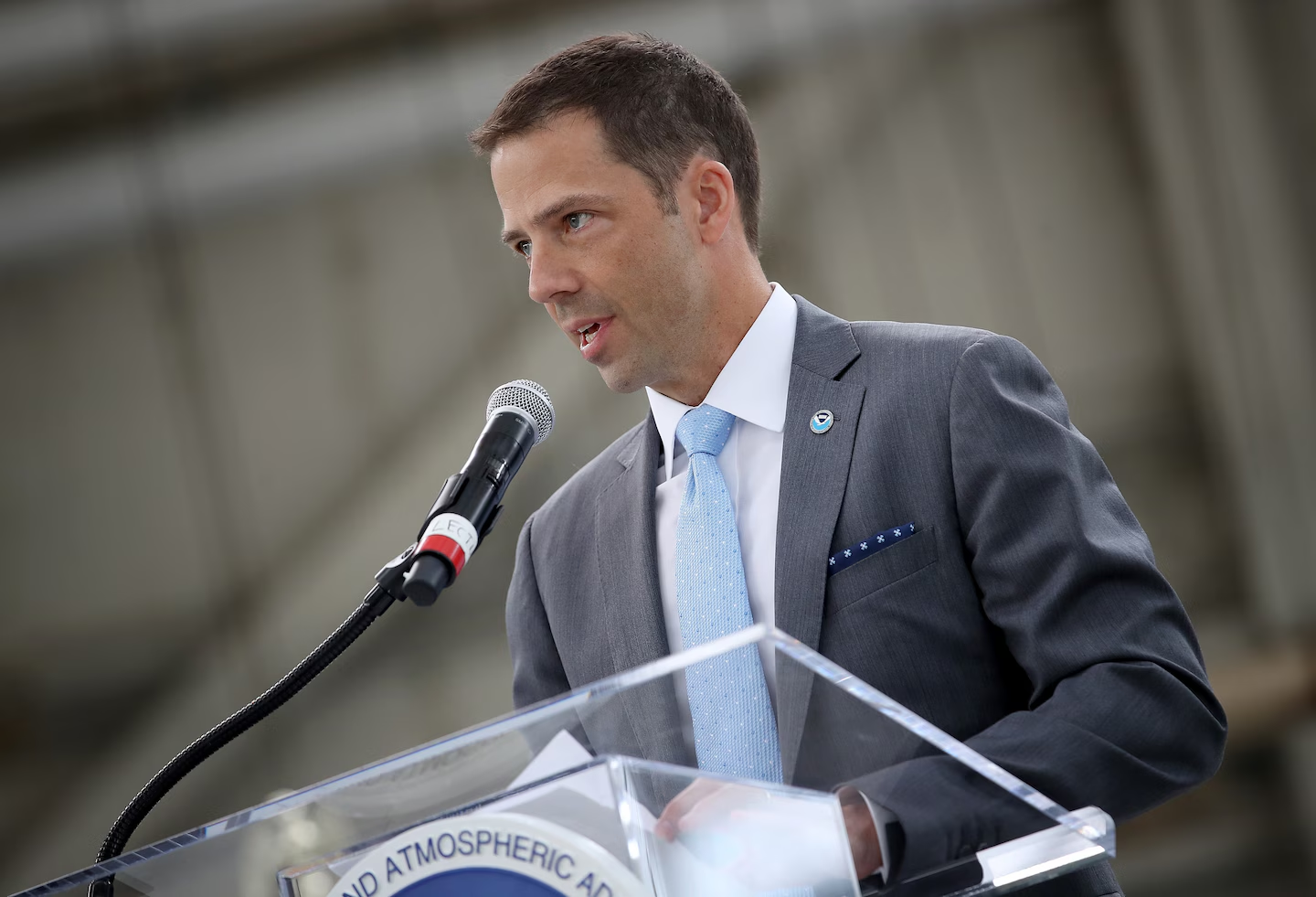
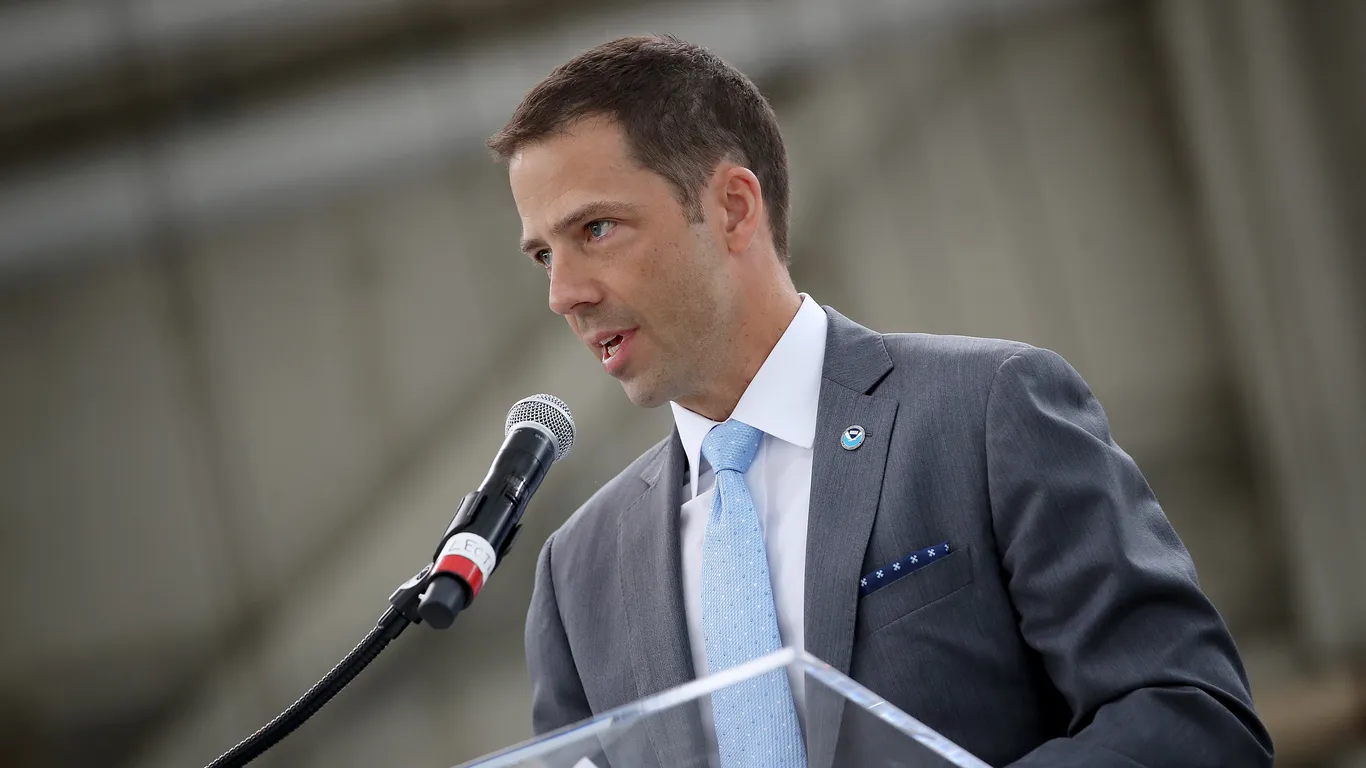
President Trump's NOAA pick, Neil Jacobs, emphasized the importance of fully staffing weather forecast offices and supported budget cuts to NOAA's research programs, while acknowledging human influence on climate change. The hearing highlighted concerns over staffing shortages, budget proposals, and the agency's role in disaster prediction, amid ongoing debates about climate policy and government funding.

Neil Jacobs, nominated to lead NOAA, pledges to prioritize rebuilding staffing at the National Weather Service after significant cuts under the Trump administration, emphasizing the importance of local community relationships and accurate weather forecasts, despite ongoing budget and staffing challenges.
House Democrats warn that proposed Trump administration cuts to NOAA and weather forecasting agencies could lead to needless deaths, especially amid increasing severe weather events like Texas floods, emphasizing the importance of federal expertise and resources for disaster preparedness.

Neil Jacobs, President Trump's nominee to lead NOAA, aims to restore the U.S. as a global leader in weather forecasting through new technology and industry partnerships, amid ongoing debates over staffing, funding cuts, and the agency's performance during recent disasters.

Senator Ted Cruz, who recently cut $150 million from NOAA funding aimed at improving weather forecasts, was on vacation in Greece when deadly flooding struck Central Texas. The funding cuts followed staffing reductions at NOAA, raising concerns about their impact on disaster preparedness. Cruz defended the NWS against claims that understaffing worsened the disaster and emphasized the need for a serious examination of early warning systems. Cruz returned to Texas to visit the disaster site after being criticized for vacationing during the crisis.

The article examines the complex factors behind the Texas flood disaster, highlighting the role of staffing shortages at the National Weather Service, the impact of federal budget cuts, and the influence of climate change, while emphasizing the importance of careful interpretation of information and the challenges in disaster prediction and response.

Experts warn that the deadly Texas floods may become a new normal due to climate change and are exacerbated by the dismantling and underfunding of key federal agencies like FEMA and the National Weather Service by the Trump administration, which has led to staffing shortages and reduced preparedness and response capabilities.

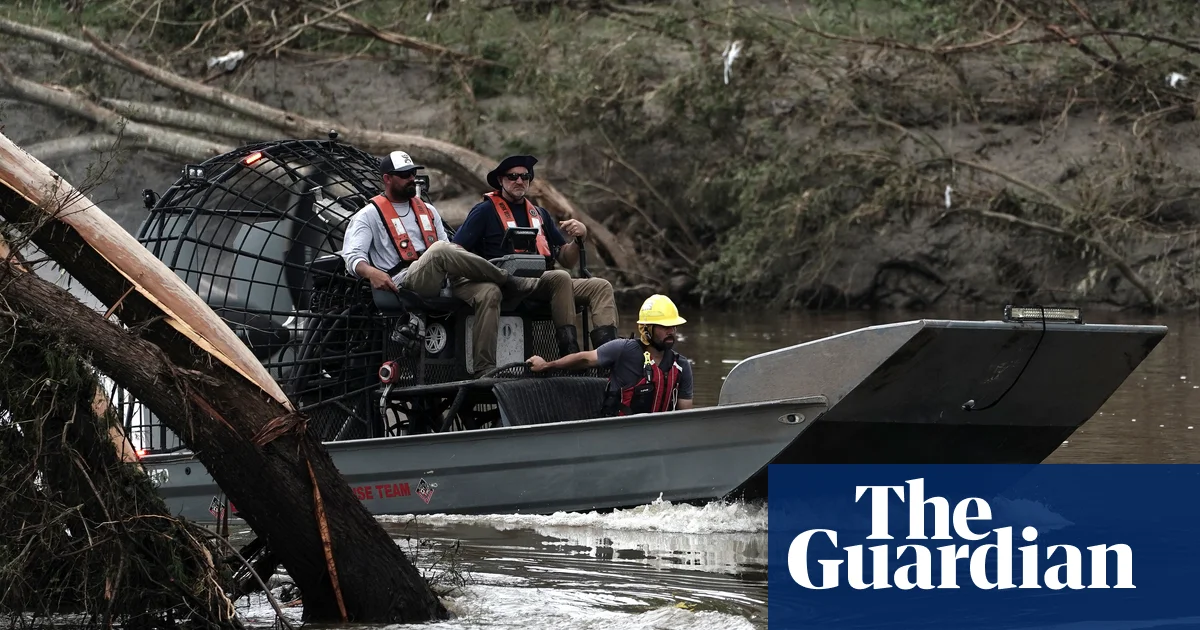
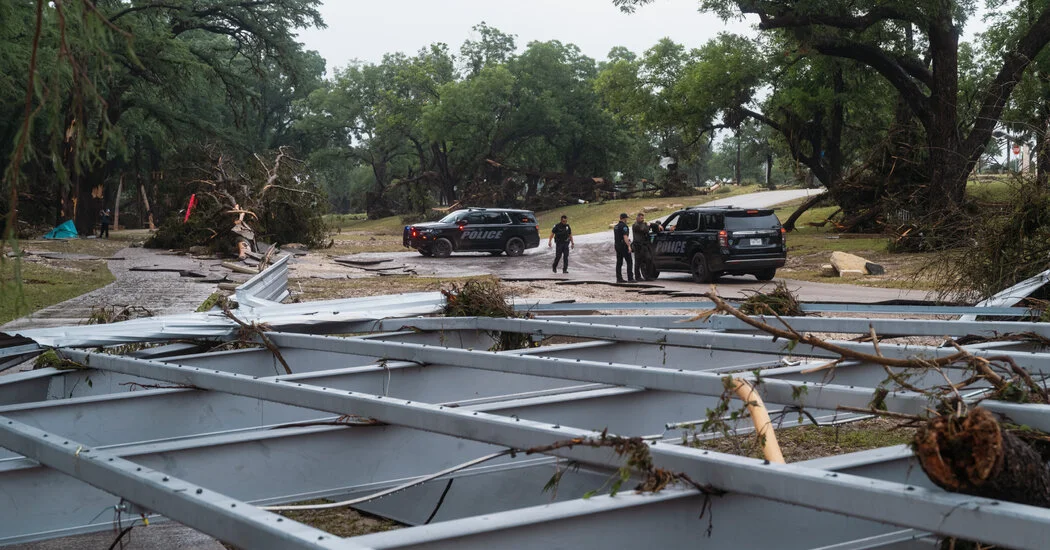
A severe flooding disaster in Central Texas has resulted in at least 52 deaths, with many still missing, especially from Camp Mystic. The floods, caused by intense and prolonged rainfall, overwhelmed local communities and exposed staffing shortages and coordination issues within the National Weather Service, raising questions about preparedness and response. Rescuers continue searching for survivors amid ongoing weather threats, highlighting the region's vulnerability to flash floods.

Google has launched GenCast, an AI-powered weather app that predicts weather more accurately and faster than traditional models, making it particularly useful for photographers. Trained on four decades of weather data, GenCast outperformed the European Centre for Medium-Range Weather Forecasts' ENS model in 2019 predictions, offering faster and more precise forecasts, including for extreme weather events. The app can generate a 15-day forecast in just eight minutes, marking a significant advancement in weather forecasting technology.

Google's DeepMind has introduced GenCast, an AI model for weather prediction that reportedly surpasses the European Centre for Medium-Range Weather Forecasts' ENS, the leading operational forecasting system. GenCast uses an ensemble approach, generating multiple predictions to create a probability distribution of future weather scenarios. In tests, it was more accurate than ENS 97.2% of the time. Google plans to integrate GenCast into its services like Search and Maps, and will make its forecasts available for public use.

Google DeepMind's AI model, GenCast, has shown promising results in weather forecasting, outperforming a leading traditional model, ENS, in tests using 2019 data. GenCast, which uses machine learning to predict weather patterns, offers faster and potentially more efficient forecasts than traditional physics-based models. While it provides longer advance warnings for events like tropical cyclones, it still operates at a lower resolution than the latest ENS model. The development of GenCast marks a significant step in integrating AI into weather prediction, though it still needs to prove its reliability to the meteorological community.