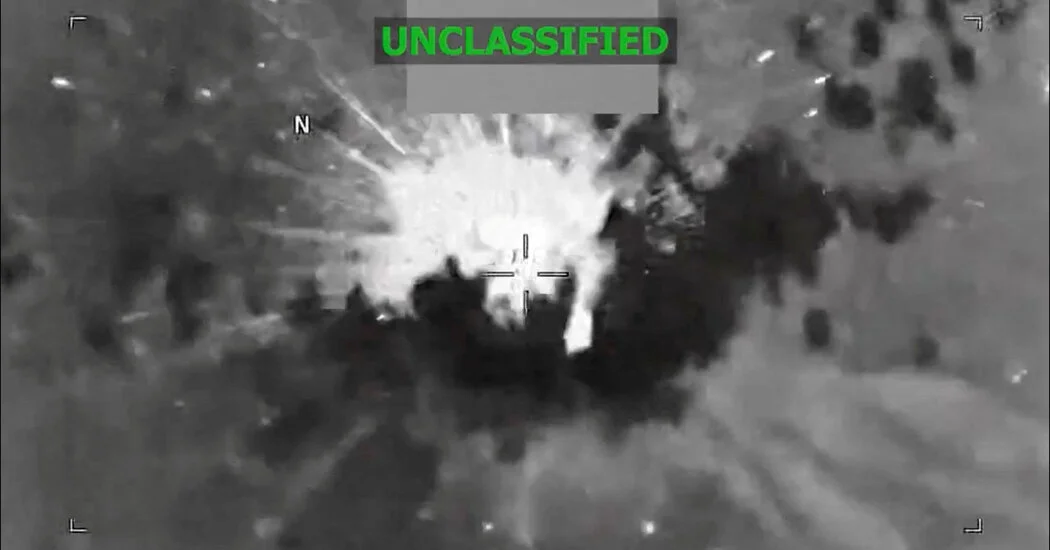
The U.S. Southern Command says a strike in the Caribbean killed three people and destroyed a boat linked to drug trafficking, the first known Caribbean attack since November and part of a five-month campaign that has killed 133, prompting legal experts to question whether such lethal force is lawful or constitutes extrajudicial killings.
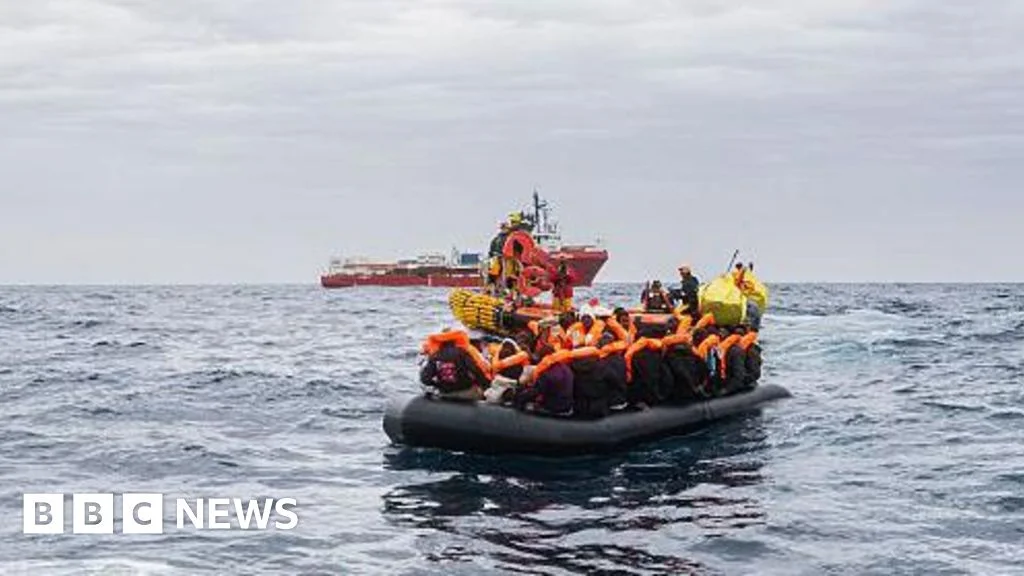
A rubber dinghy carrying about 55 migrants from several African countries capsized off north‑west Libya, killing 53 people including two babies; two Nigerian women survived and were rescued. The vessel sank about six hours after leaving al‑Zawiya, north of Zuwara, underscoring the ongoing perils of Mediterranean crossings, with around 500 migrants reported dead or missing in 2026 so far. The IOM highlights trafficking networks and unsafe vessels and calls for stronger international cooperation and safe migration pathways to prevent more tragedies.
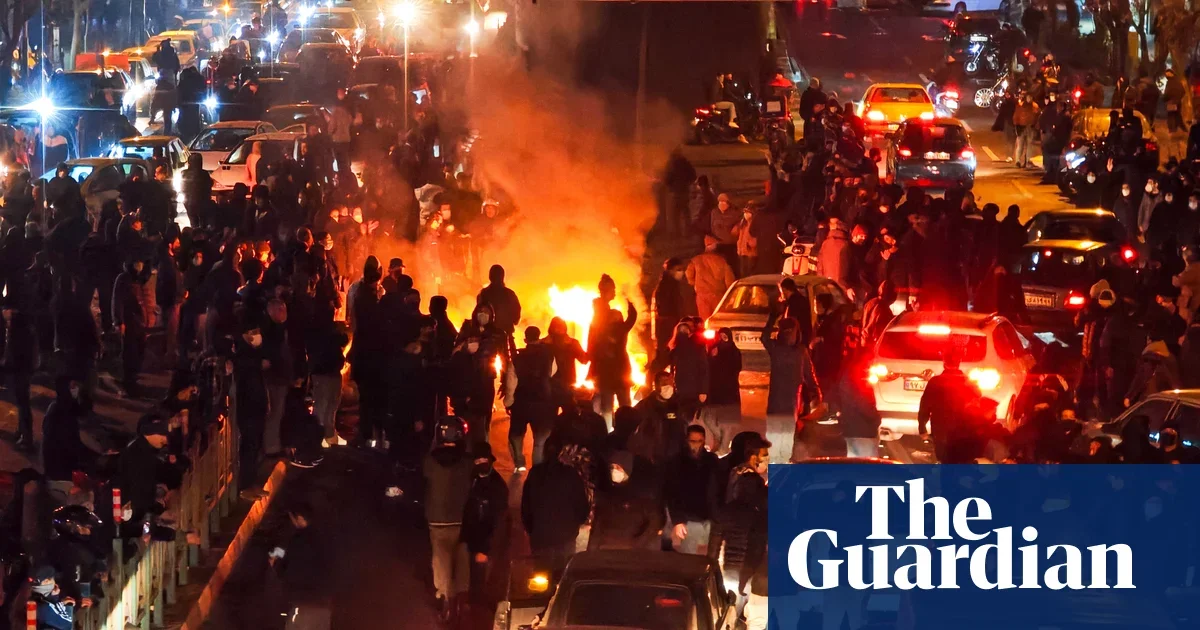
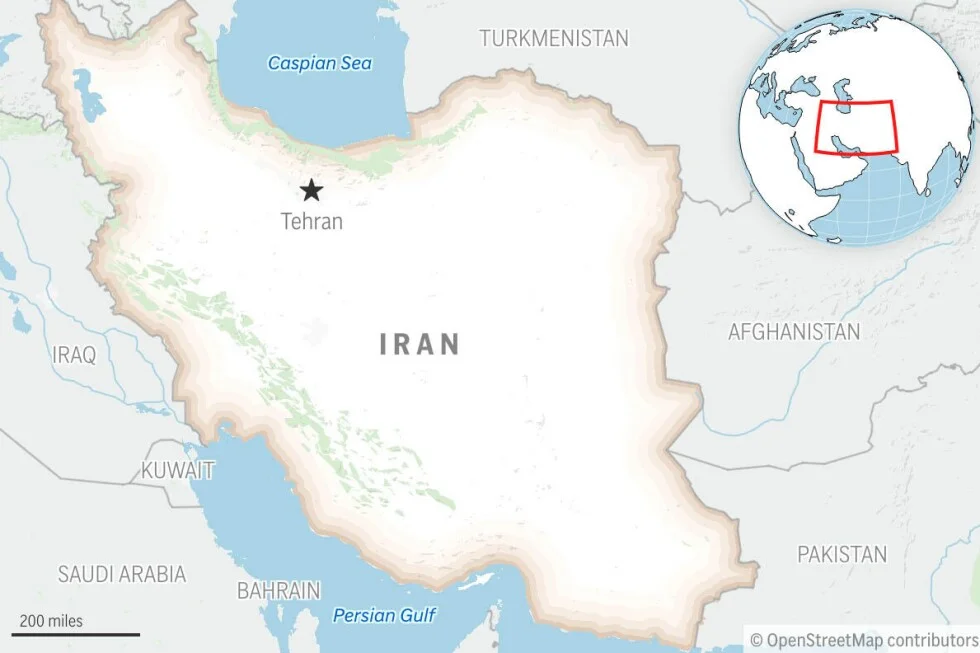
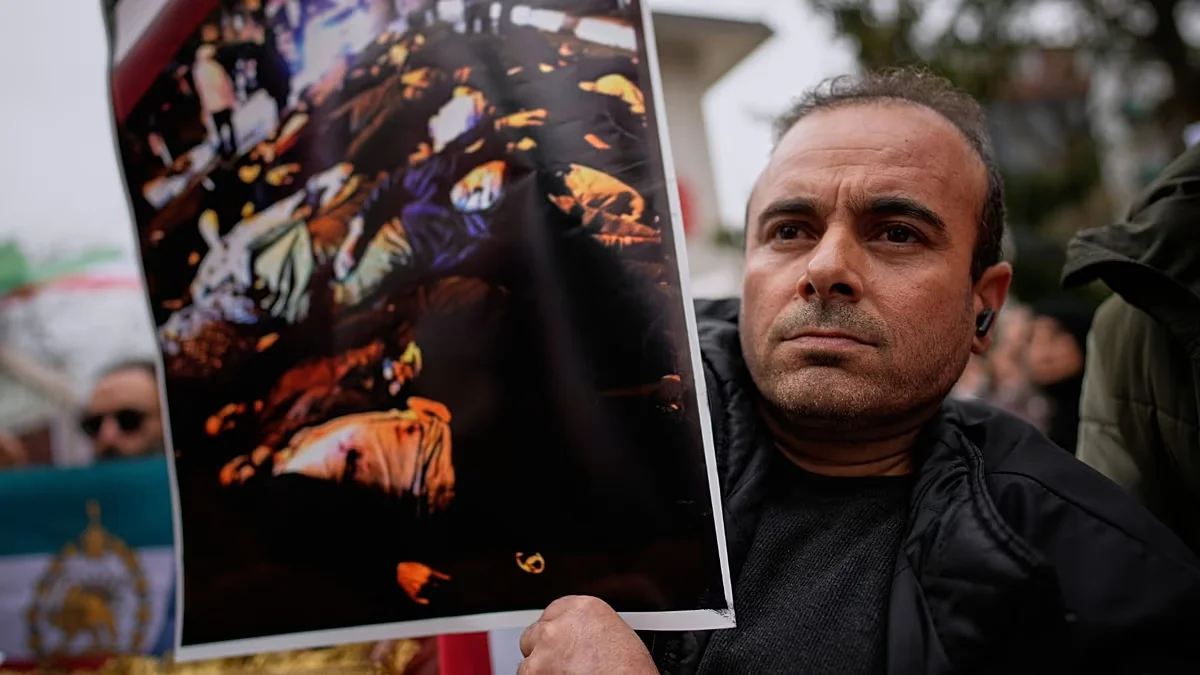
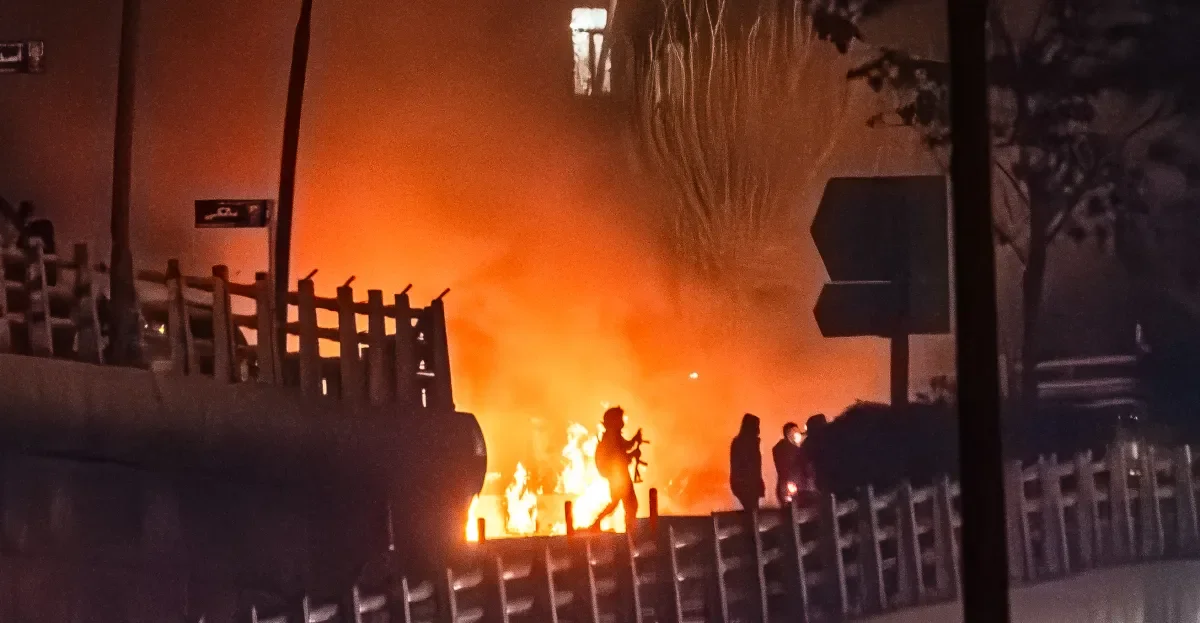
With protests ongoing, Iran faces mounting calls for an independent, transparent inquiry into the protest deaths after the government offered to publish the names of the deceased to counter claims that the toll is far higher than the official 3,117. Reformists say the plan lacks transparency and favor a public, verifiable database or even UN fact-finding. Distrust remains high as tens of thousands are believed detained, including many young people, while authorities have not released data on detainees under 18.
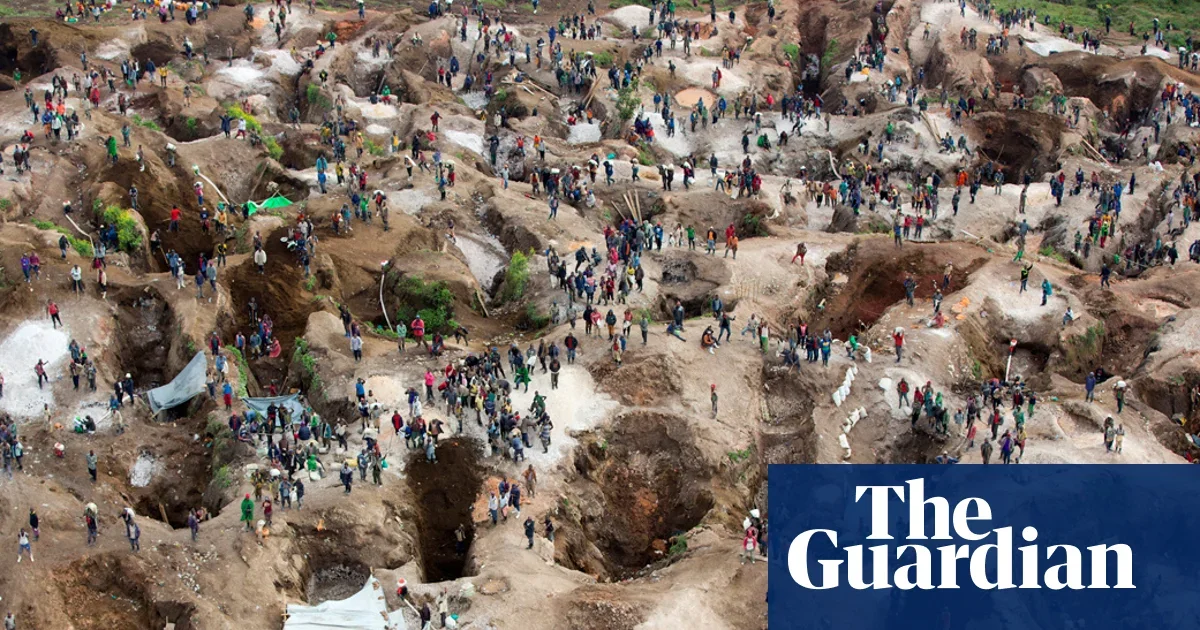
More than 200 people were killed in a landslide at the Rubaya coltan mine in eastern Democratic Republic of Congo; the toll was later reported as at least 227 dead, including miners, children and market vendors. The mine has been controlled by the M23 rebels since 2024 and accounts for about 15% of the world’s coltan supply, with the UN alleging mineral plunder to fund the insurgency amid Rwanda’s denial of backing the group.
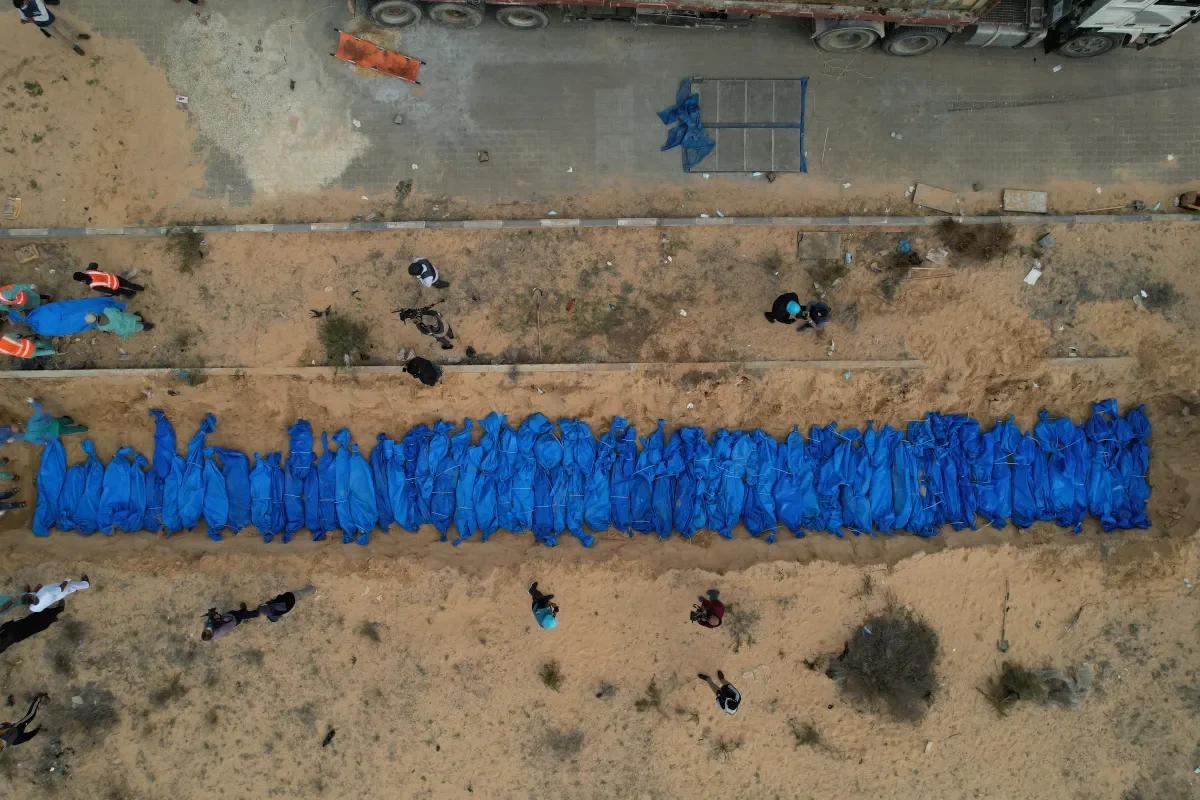
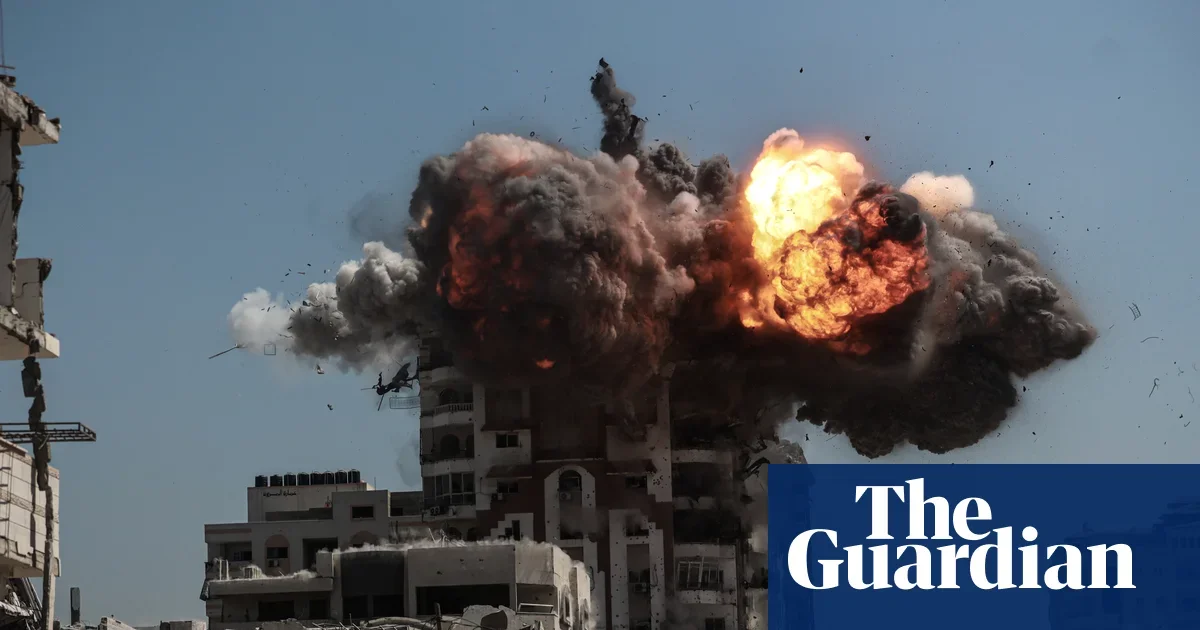
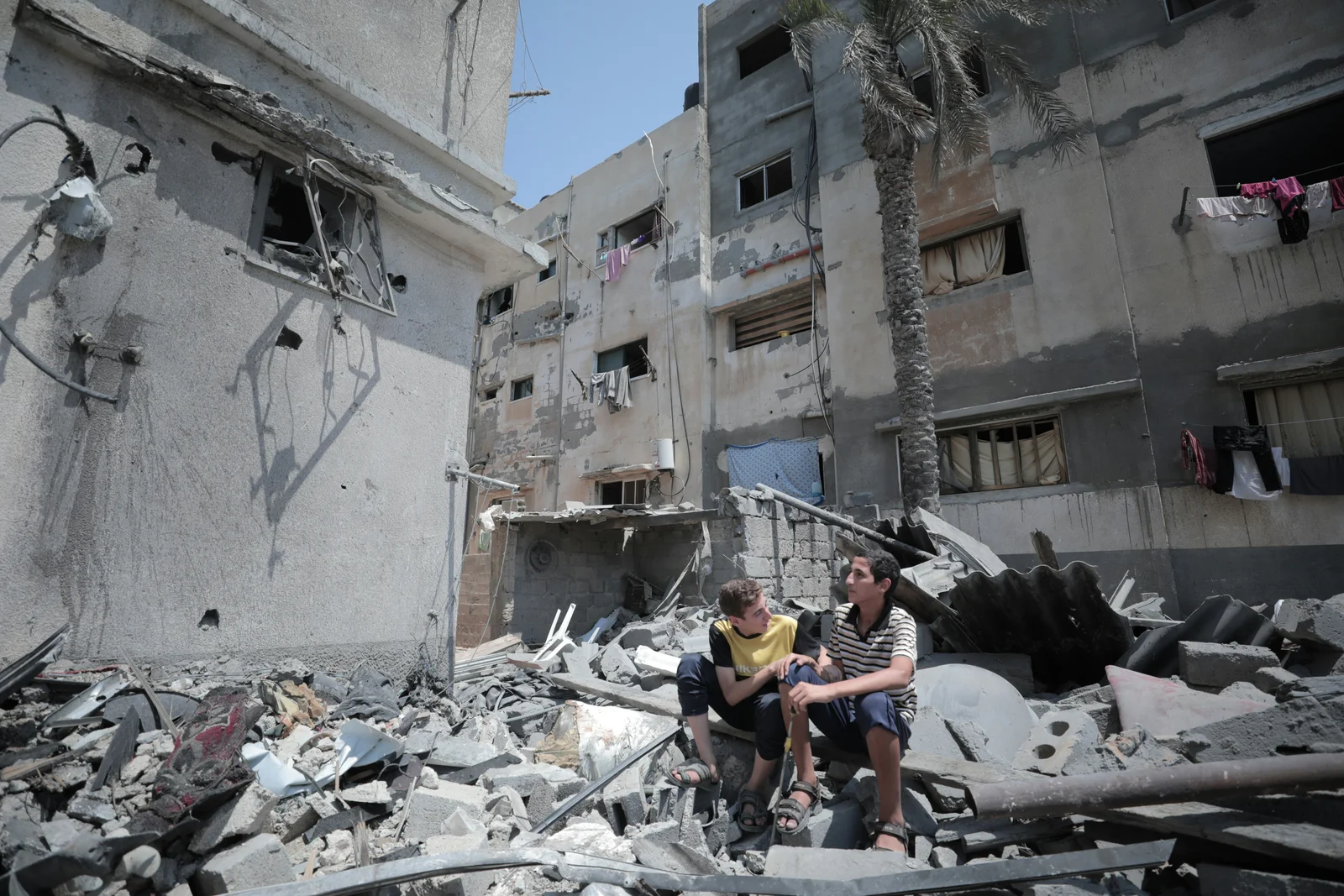
After years of denying Gaza Health Ministry death tallies, the Israeli military now accepts them as an accurate count, with efforts to separate civilians from combatants as the toll climbs (at least 71,000). The piece traces prior skepticism from the White House, Congress, and pro-Israel figures, contrasted with human rights groups and the UN that long treated the ministry’s data as credible, and notes the ongoing debate over accountability amid the Gaza conflict.
Israel’s military publicly accepted the Gaza health authorities’ death toll as broadly accurate for the first time, estimating about 70,000 Palestinians killed in Gaza since October 2023 (excluding missing), with Gaza authorities reporting over 71,600 direct deaths and around 10,000 buried. The move ends years of disputing casualty figures and could intensify scrutiny of civilian tolls; Israel also announced the Rafah crossing with Egypt would reopen to pedestrians under EU supervision, a step tied to US-backed ceasefire efforts.
Activists say at least 6,126 people have been killed in Iran’s nationwide crackdown on protests, a toll far higher than the government’s official figure of about 3,117, with HRANA noting 41,800+ arrests and a breakdown that includes protesters, security forces, children, and civilians. The report comes as a U.S. carrier group arrives in the Middle East to lead any potential response and Iranian-backed militias signal willingness to attack, underscoring rising regional tensions after the rial’s collapse and ongoing unrest.
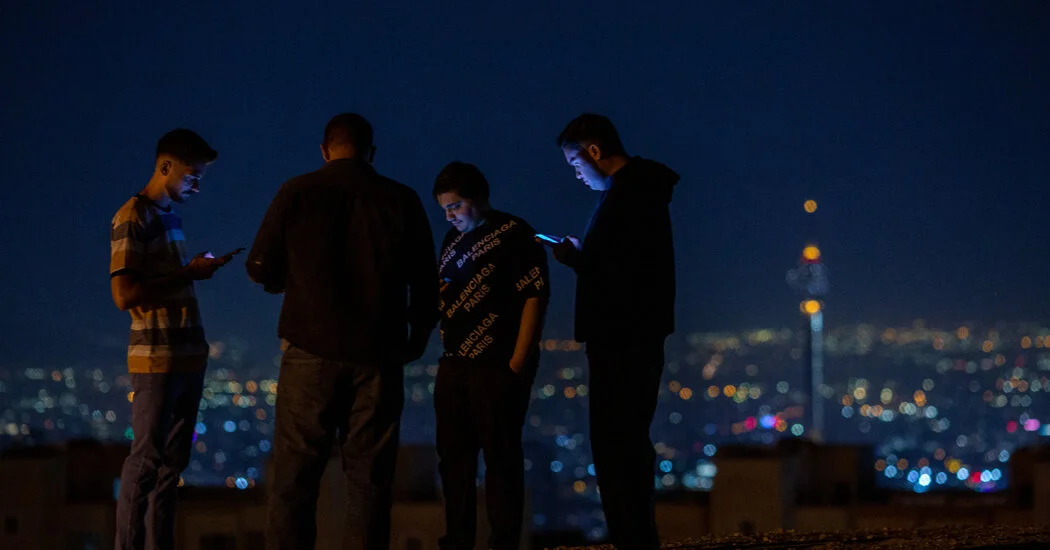
During an extended internet blackout, rare, brief connectivity allows Iranians to message loved ones and share footage abroad, offering a clearer view of the crackdown and suggesting a death toll far higher than prior estimates (verified over 5,000 with thousands more unverified) as authorities experiment with selective, whitelist-based connectivity.
TIME, citing two senior Health Ministry officials and hospital data, reports that up to about 30,304 people may have been killed during Iran’s January 8–9 crackdown on protests, a figure far higher than official tallies and possibly excluding military hospitals or hard‑to‑reach areas. The report describes overwhelmed morgues, the use of eighteen‑wheeled trailers to move bodies, rooftop snipers, and a near‑total internet shutdown that obscured reporting. The numbers are unverified, and experts caution against over‑extrapolating from hospital data, but international bodies have begun independent investigations into the crackdown.
The death toll from Iran’s crackdown on nationwide protests has risen to at least 5,002, with activists noting thousands detained and the country’s two-week internet blackout hindering verification; casualties include demonstrators and civilians, as U.S.-Iran tensions intensify with American ships moving toward the region.
Iran’s Supreme Leader Ali Khamenei, in a Jan. 9, 2026 speech broadcast from Qom, said the Islamic Republic would not retreat and effectively authorized lethal force against protesters, portraying the movement as foreign-backed and invoking the regime’s founding bloodline. The speech coincided with a nationwide internet blackout and a surge in casualties; the regime acknowledged about 5,000 deaths, while opposition sources claimed far higher totals. On Jan. 13, Armed Forces Chief of Staff Mousavi called protesters “ISIS terrorists” and vowed harsh measures, with judiciary officials pushing swift trials and punishments. State messaging framed unrest as a foreign conspiracy and intensified anti-American rhetoric, including a post on X contrasting Trump with tyrants while the crackdown continued.
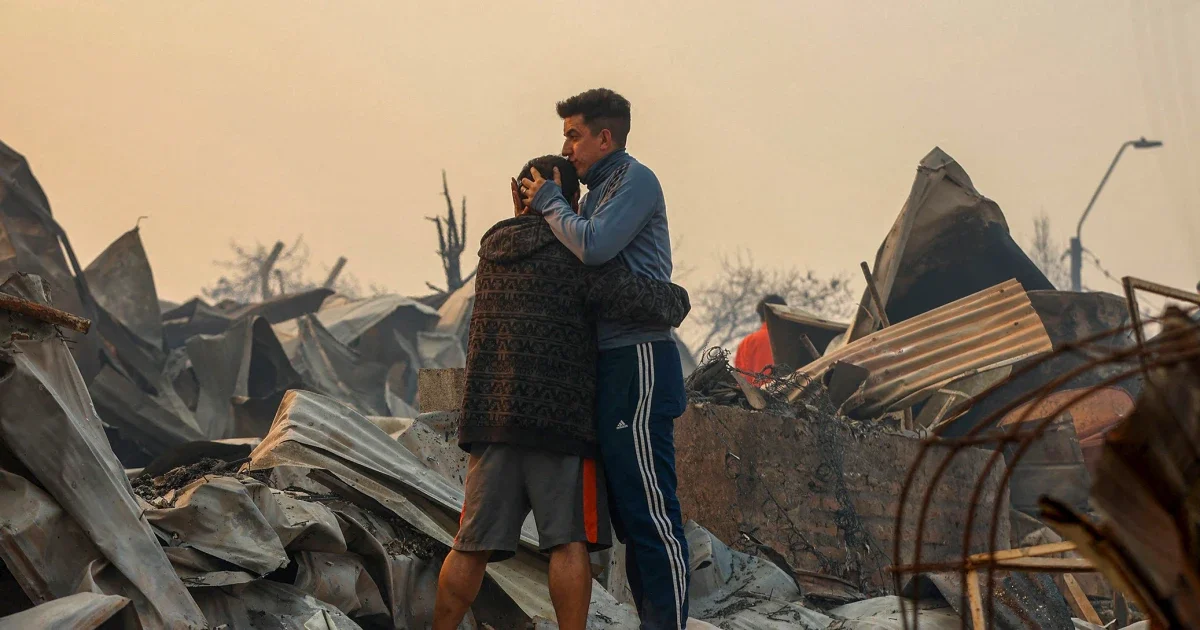
Wildfires across central and southern Chile killed at least 18 people, burned thousands of acres, and forced about 50,000 residents to evacuate. President Boric declared a state of catastrophe, ordered emergency measures including curfews and shelters, and firefighters struggled to contain blazes amid scorching heat and strong winds as the toll is expected to rise.
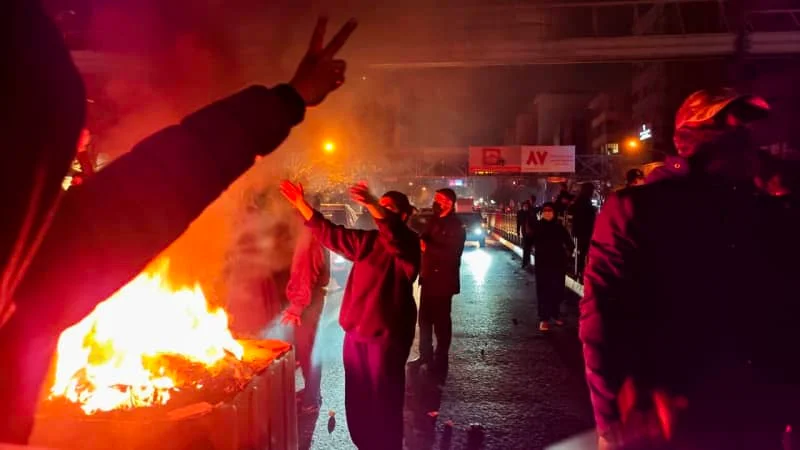
Eyewitnesses describe violence during Iran's anti-government protests amid a nationwide communications blackout, with gunfire, tear gas, and thousands killed according to rights groups. Families struggle to recover and bury loved ones as the government labels protesters as terrorists, and the crackdown draws international concern.
The article argues that Gaza’s official death toll from the Gaza Ministry of Health is likely a substantial undercount, recording mainly direct deaths from traumatic injuries and suffering disruptions during the war. Independent studies using capture–recapture methods and large household surveys suggest direct deaths well over 100,000 by 2024–2025, with about 75% civilians and a large, ongoing indirect death toll from famine, disease, and infrastructure collapse. A widely cited 680,000 figure is criticized for its questionable assumptions, underscoring that the true toll includes many indirect deaths that the official tallies miss and will take years to document.
In Iran, anti-government protests that began over economic woes have intensified into a nationwide challenge to the regime. With an almost total internet blackout hindering reporting, verified counts vary widely—from CBS News’ report of 12,000–20,000 dead to other estimates around 2,000–3,000—raising the prospect of a scale not seen in the region in decades. Security forces have used deadly force, including snipers and machine-gunning, complicating efforts to document events. The regime’s grip appears at risk, and while some experts see conditions for potential regime change, a collapse is far from assured. The crisis has drawn international attention and even a public comment from Donald Trump, who urged Iranians to keep protesting and hinted at potential U.S. involvement.