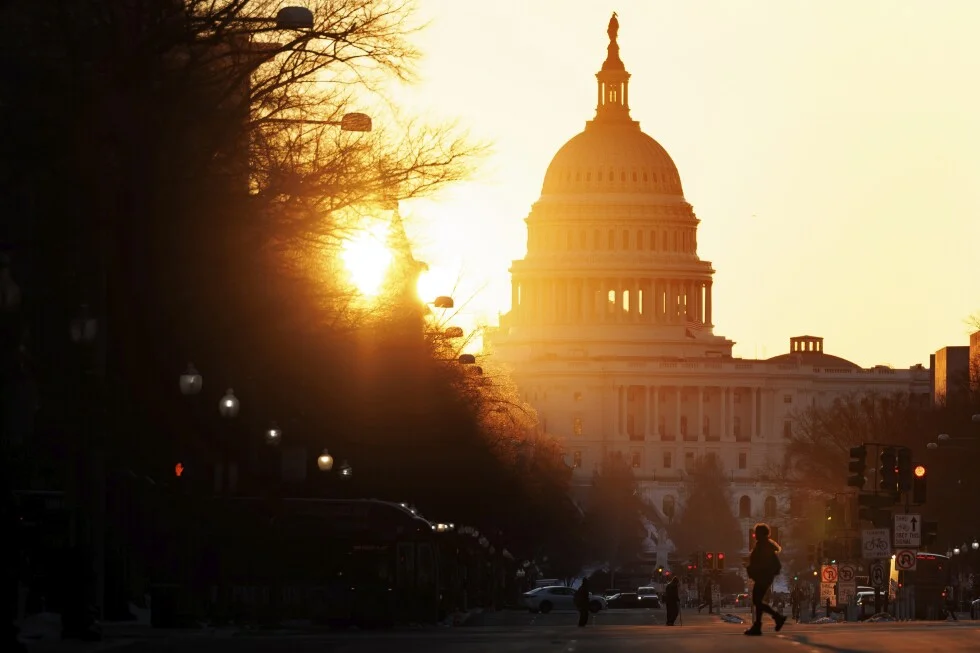
In 2026, federal agencies will face key issues including potential government shutdowns due to funding delays, workforce reductions and layoffs, implementation of Schedule F affecting civil service protections, major reorganizations across agencies, and ongoing legal battles over layoffs, agency dismantling, and funding disputes, all amid efforts to reshape the federal government under the Trump administration.
The U.S. Senate passed a bill to end the government shutdown, funding most agencies through January 30 and specific programs through September 2026, while also increasing security funding and reversing mass layoffs of federal workers. The deal includes provisions for reimbursing states, security enhancements, and various appropriations for government departments, with additional details on earmarks, hemp product bans, and restrictions on Chinese technology purchases. The next step is a likely vote in the House of Representatives.
US banking regulators have withdrawn guidelines requiring large financial institutions to consider climate-related risks, citing existing safety standards, despite concerns about increasing climate disasters and their economic impacts.
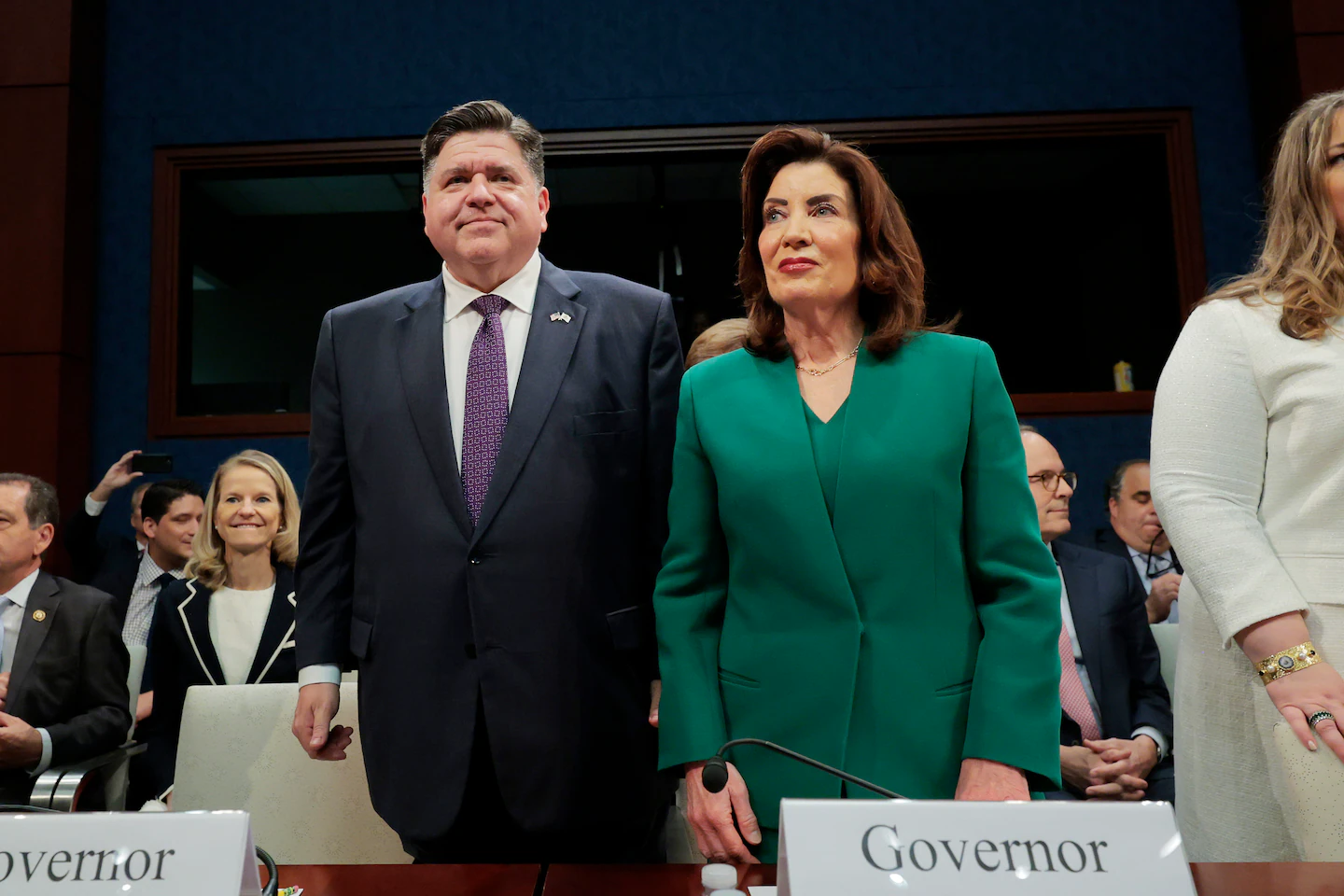
Fifteen Democratic governors have formed a state public health alliance to coordinate efforts on disease monitoring, policy guidance, pandemic preparedness, and supply procurement, aiming to counter turmoil at federal agencies under the Trump administration.
Originally Published 2 months ago — by CISA (.gov)
CISA has issued an emergency directive requiring federal agencies to inventory, update, and disconnect vulnerable F5 BIG-IP devices due to a nation-state cyber threat that compromised F5's source code and could enable exploitation, data exfiltration, and network compromise.
The US government shutdown, ongoing since October 1, is marked by political deadlock in Congress, with Democrats and Republicans unable to agree on funding measures, while the administration escalates its aggressive stance on immigration and law enforcement, including controversial military actions and layoffs, amid internal and public resistance.
The ongoing government shutdown, now entering its third week, is causing significant disruptions as federal agencies remain closed amid a standoff between the White House and congressional Democrats, with the public beginning to feel the effects.
The Trump administration has initiated mass layoffs of over 4,000 federal workers across various agencies as part of reduction-in-force plans during the government shutdown, with the White House citing budget constraints and political priorities, while critics condemn the layoffs as an abuse of power.
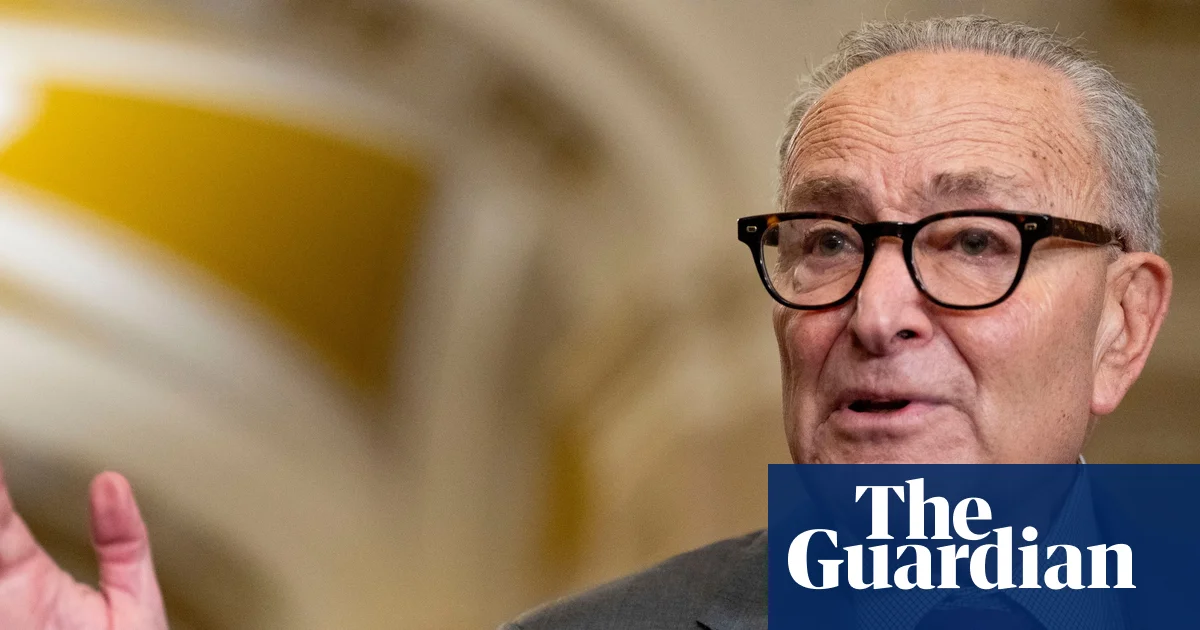
Democrats, led by Chuck Schumer, are refusing to reopen the US government during a shutdown, demanding concessions on healthcare, Medicaid, and public media funding, while Republicans criticize their stance and blame Democrats for prolonging the crisis, which has led to federal agency closures and layoffs.
President Trump and his administration are planning to lay off thousands of federal workers across multiple agencies, citing government shutdown-related reasons, which has sparked criticism from unions and concerns over the impact on critical public services like health, safety, and environmental protection.
A Chicago incident where a federal ICE agent's call for help was ignored by local police has sparked outrage, with criticism directed at the city's law enforcement response and political leadership, amid broader concerns about federal agency conduct under the Biden administration.
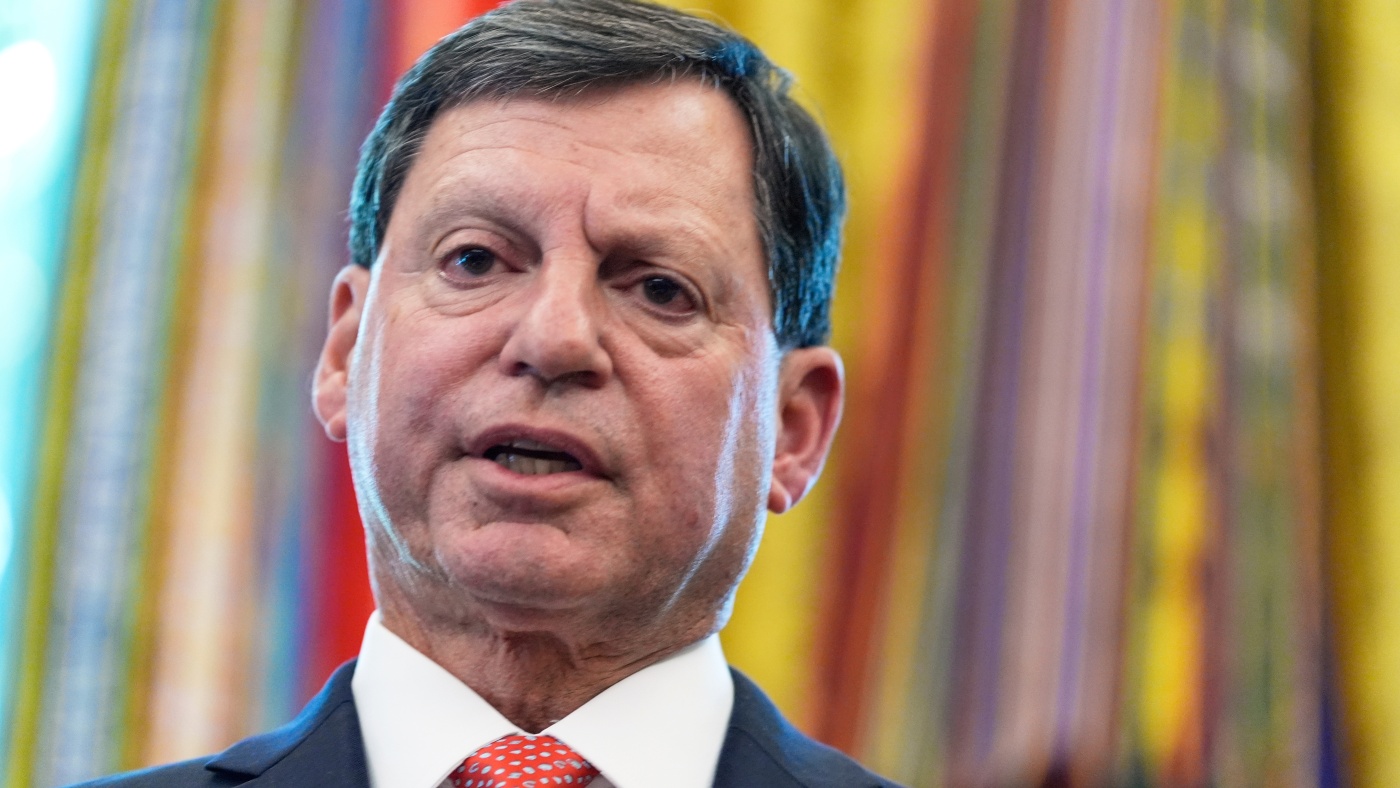
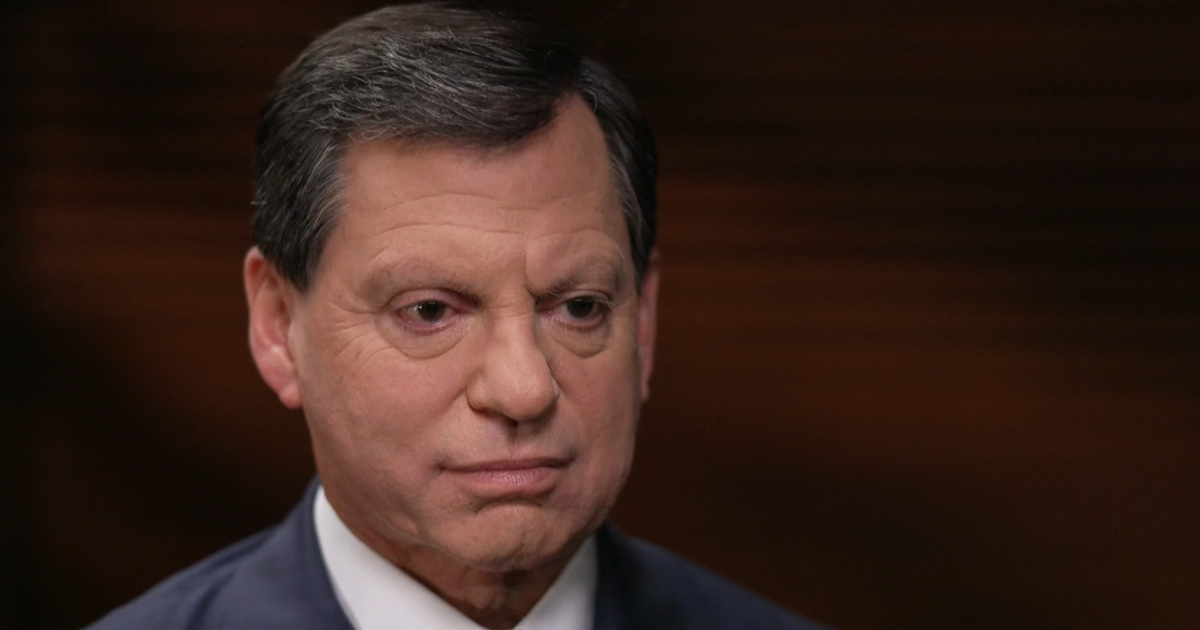
Social Security Administration Commissioner Frank Bisignano has been appointed as the new CEO of the IRS, a role that overlaps with his current SSA position, raising concerns about conflicts of interest and leadership conflicts within the federal agencies under the Trump administration.
Social Security chief Frank Bisignano has been appointed as the new CEO of the IRS, overseeing daily operations while continuing his role at the SSA, raising concerns about leadership and agency capacity amid recent staffing cuts.
Frank Bisignano has been appointed as the CEO of the IRS, a newly created position, while continuing his role as Social Security Administration Commissioner, raising concerns about leadership conflicts and oversight among advocates and officials.
Frank Bisignano, the Social Security Administration Commissioner, has been appointed as the CEO of the IRS, a newly created role, while continuing his SSA duties, raising concerns among advocates about potential conflicts and leadership gaps at the agencies amid ongoing leadership changes in the Trump administration.