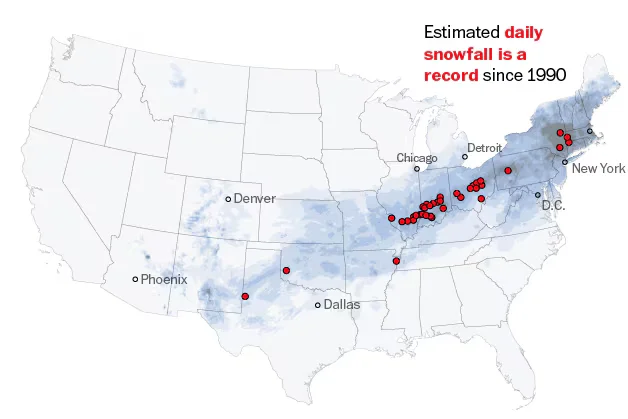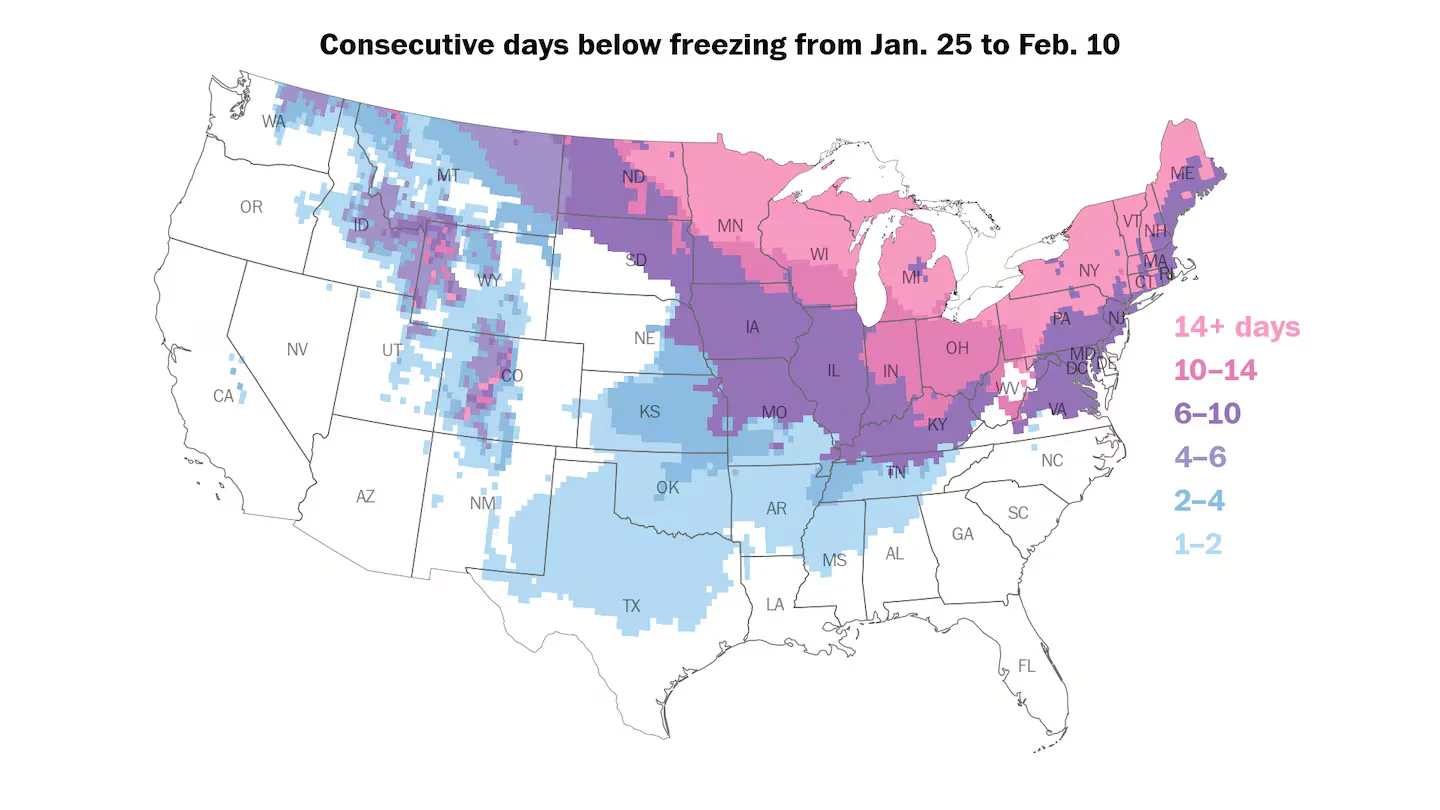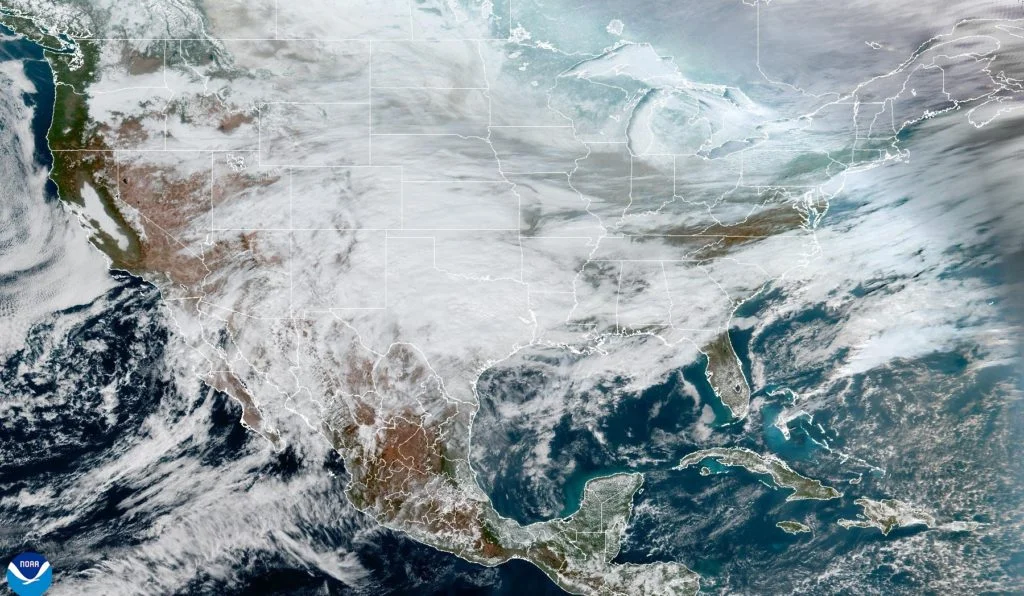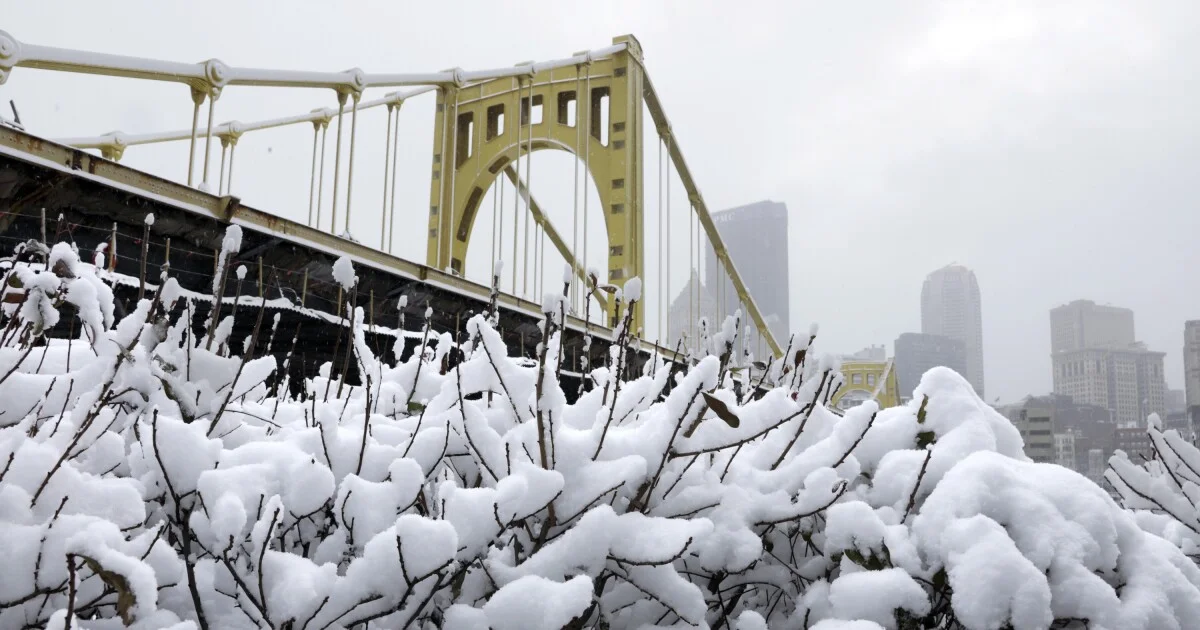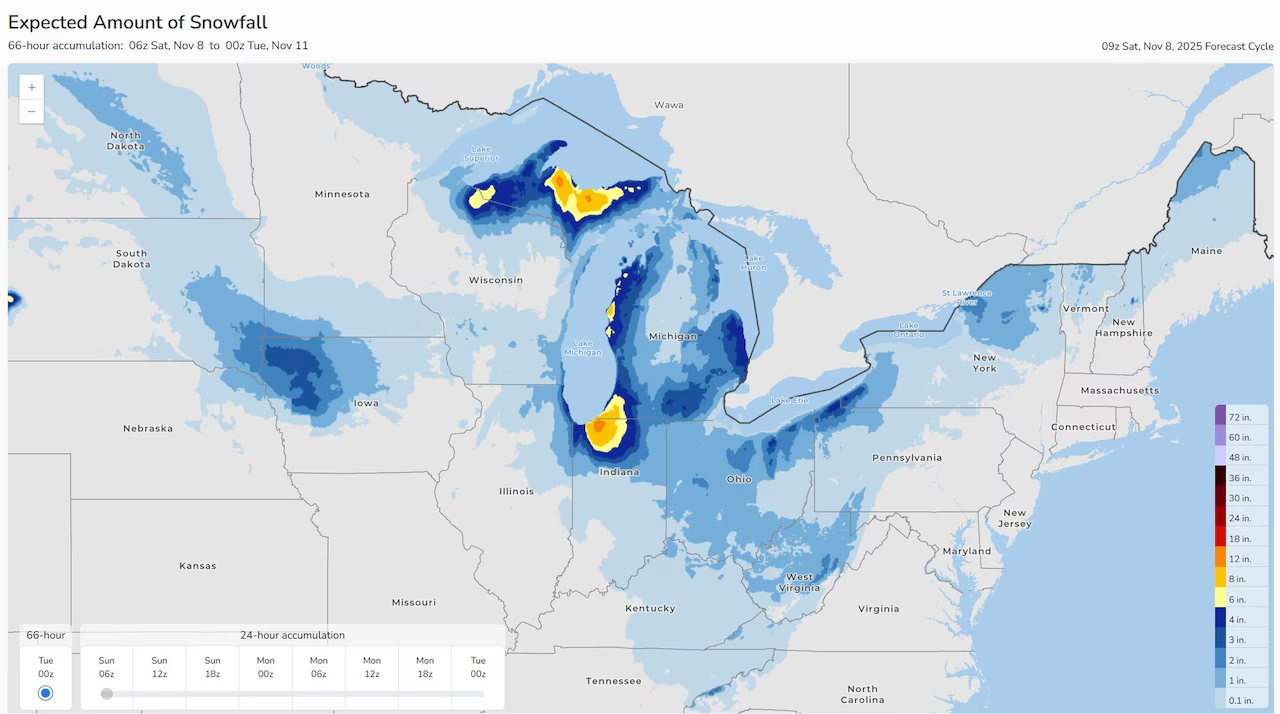
A new experimental forecast map from the National Weather Service shows Michigan could see significant lake-effect snow, with some areas in the Upper Peninsula already under Winter Storm Warnings for up to a foot of snow, and other regions expecting several inches through Monday.
The Trump administration is reducing the US government's disaster preparedness and weather forecasting capabilities through staff reductions, budget cuts, and closures of key research labs, which experts warn could impair the country's ability to respond to extreme weather events amid a warming planet.
The article examines the tragic flooding in Texas's Kerr County, highlighting concerns over whether local officials effectively responded to early warnings from the National Weather Service, amidst broader issues of disaster preparedness and response failures in recent US disasters like wildfires in Maui and fires in Los Angeles, raising questions about government accountability and communication during emergencies.
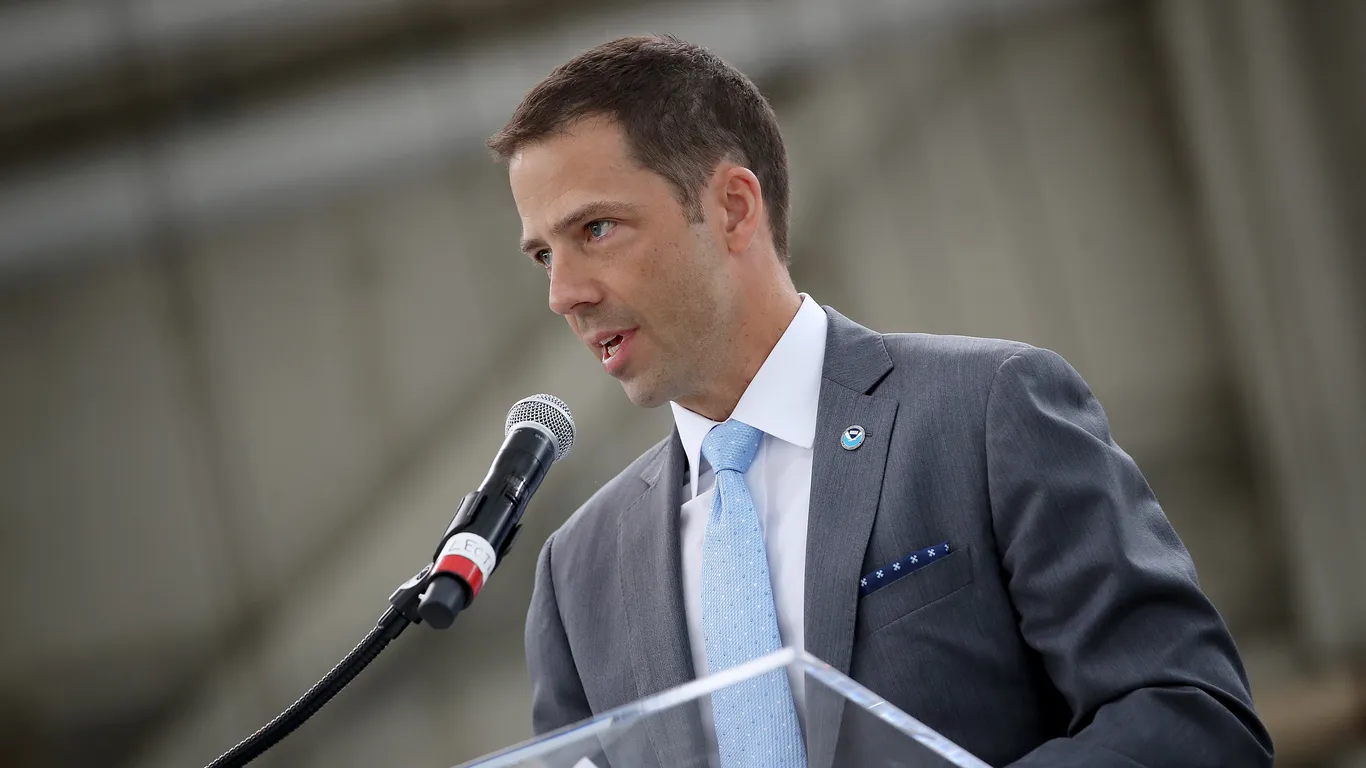
Neil Jacobs, President Trump's nominee to lead NOAA, aims to restore the U.S. as a global leader in weather forecasting through new technology and industry partnerships, amid ongoing debates over staffing, funding cuts, and the agency's performance during recent disasters.
The article examines the complex factors behind the Texas flood disaster, highlighting the role of staffing shortages at the National Weather Service, the impact of federal budget cuts, and the influence of climate change, while emphasizing the importance of careful interpretation of information and the challenges in disaster prediction and response.
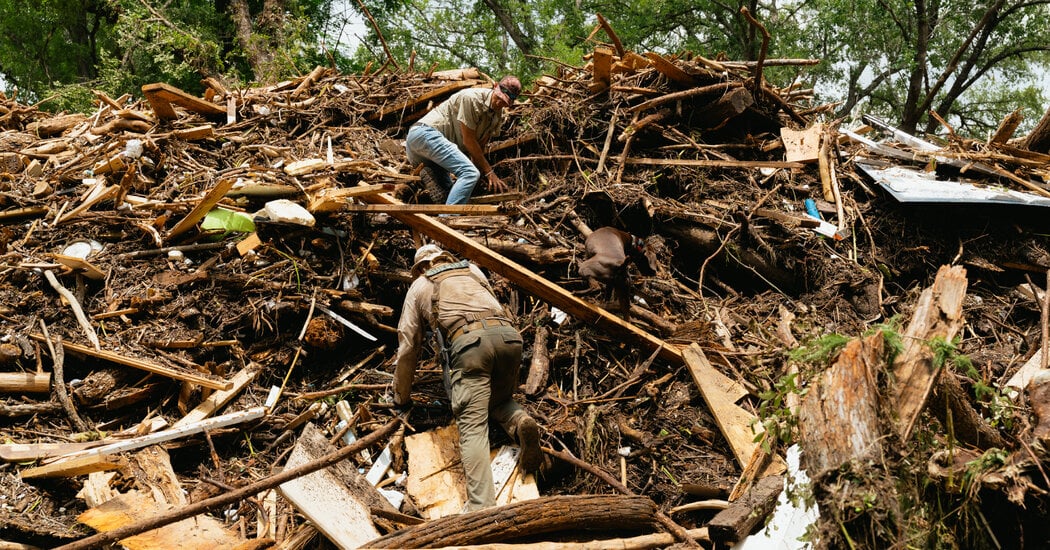
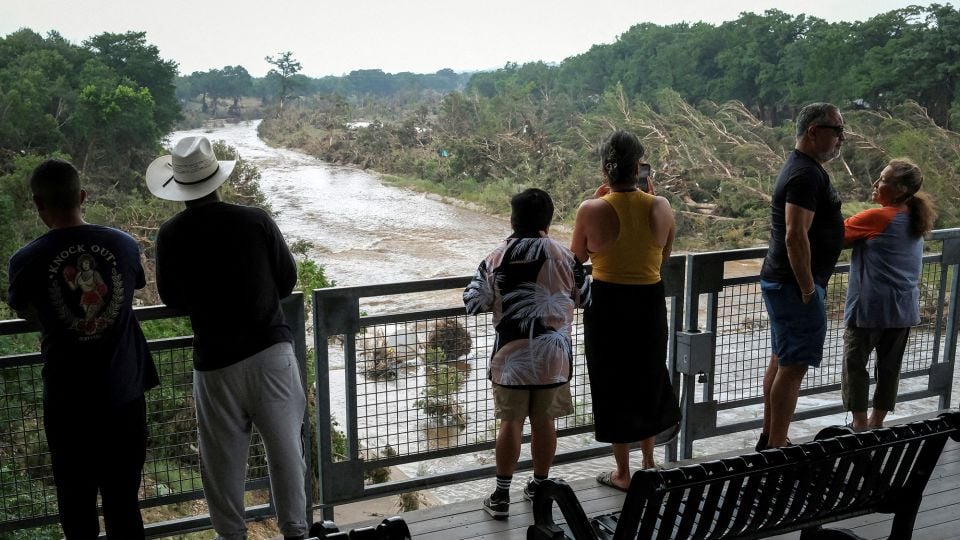
Over 100 people, including 28 children, have died in severe flooding in central Texas, with rescue efforts ongoing and the death toll expected to rise. The White House has rejected blame on President Trump, emphasizing proper weather alerts and response efforts. The disaster has prompted federal and state aid, but questions remain about the evacuation of summer camps and the impact of federal funding cuts on weather forecasting capabilities.
The White House defends the staffing levels at the National Weather Service amid criticism that recent layoffs and vacancies hampered Texas flood response, with officials asserting that timely warnings were still provided and that the staffing issues did not impact disaster management.
The article discusses the controversy surrounding staffing reductions at the National Weather Service under the Trump administration, which critics argue have compromised weather forecasting and emergency response during deadly Texas floods, with at least 80 deaths linked to the disaster. Experts warn that ongoing cuts could impair future forecasts and public safety, amid broader efforts to privatize and diminish federal weather agencies.
The White House and Senator Ted Cruz defended the National Weather Service amid criticism over its handling of the Texas floods, with officials emphasizing the agency's efforts and timing of alerts, while political figures called for investigations into potential staffing impacts and avoided partisan blame during the tragedy.
At least 94 people, including 28 children, have died in severe flooding in central Texas, with rescue efforts ongoing and the White House denying blame on Trump for the disaster. The floods, caused by heavy rains and a historic river overflow, have prompted a major disaster declaration, with warnings of potential further flooding amid ongoing rescue operations and concerns over federal funding cuts impacting weather forecasting capabilities.
Following deadly floods in Texas, Congressman Joaquin Castro calls for a thorough investigation into the weather alert system and storm preparedness, highlighting staffing cuts at the National Weather Service and the need for improved warning and evacuation procedures to prevent future tragedies amid increasing extreme weather events.
The Trump administration defended the staffing levels of the National Weather Service amid criticism following catastrophic flooding in Texas that resulted in at least 80 deaths, asserting that staffing did not impact the storm's forecast or response, despite concerns from meteorologists and officials about staffing shortages and forecast accuracy.
Heavy rainfall in Texas caused catastrophic flooding with at least 78 fatalities, catching many by surprise despite warnings from the National Weather Service, highlighting challenges in predicting complex weather systems and concerns over staffing cuts at the NWS.
A severe flood in Texas's Hill Country, caused by unprecedented rainfall, resulted in at least 50 deaths and highlighted challenges in weather forecasting, warning dissemination, and the impact of staffing cuts at the National Weather Service, amid ongoing debates over warning effectiveness and technological limitations.
The Texas Hill Country experienced severe flooding after unexpected heavy rainfall, with at least 69 deaths. While flood warnings were issued, questions remain about whether more proactive measures could have mitigated the tragedy, especially given the rapid rise of water levels and the timing during the holiday weekend. Forecasters and officials acknowledged the challenges in predicting and responding to such sudden floods.