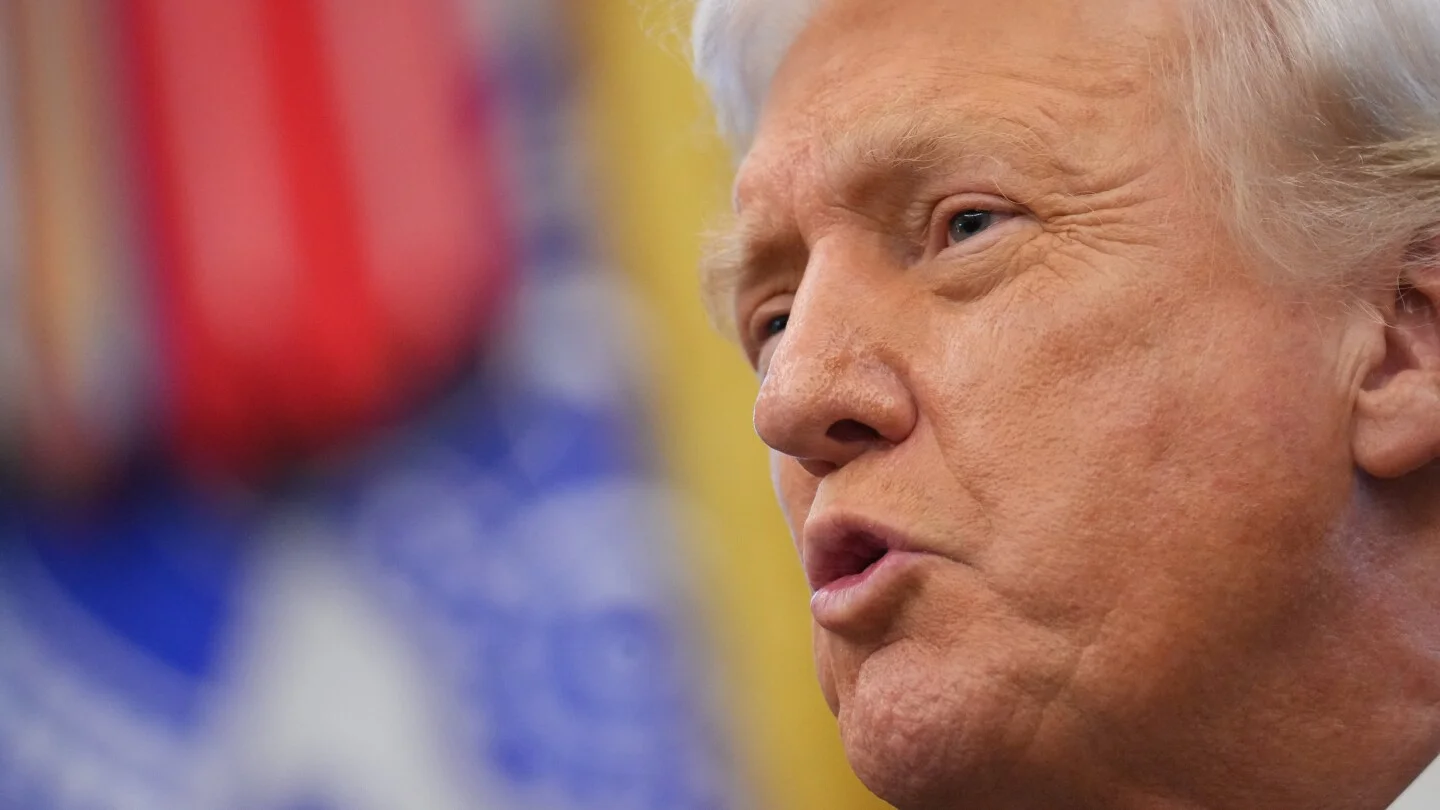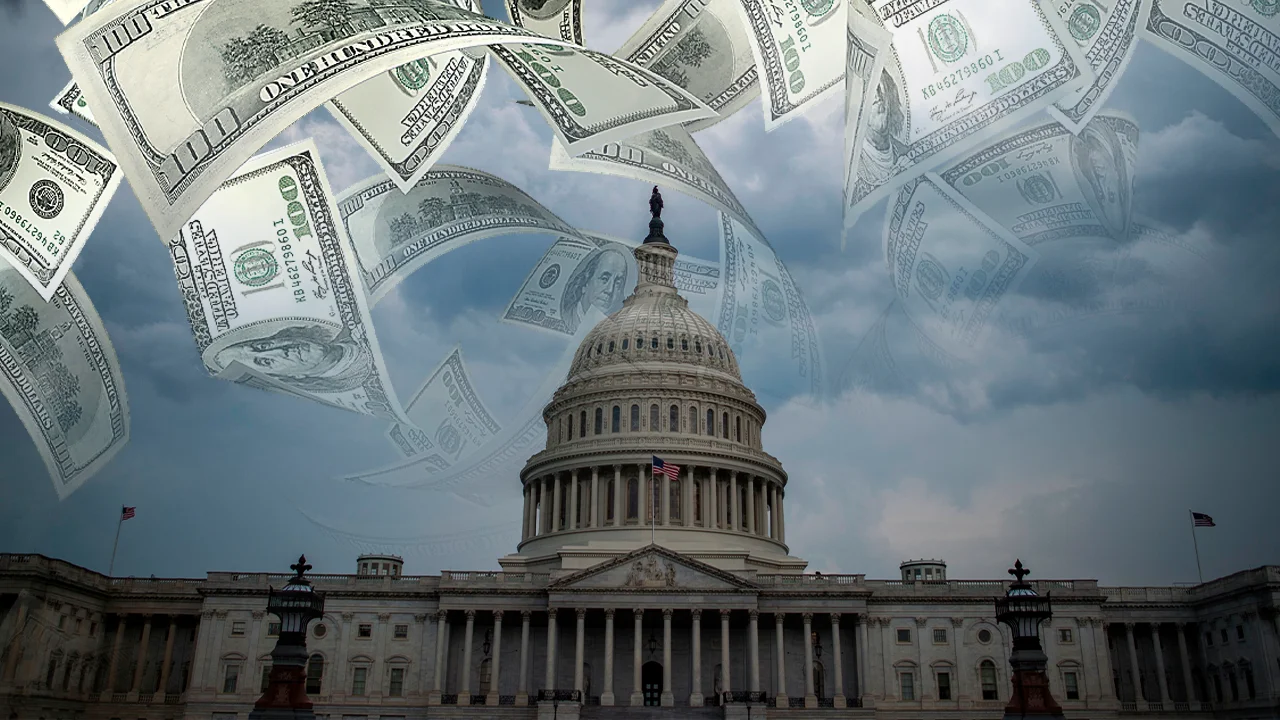
President Trump proposed a $2,000 tariff dividend for Americans, funded by tariffs on imports, but budget experts and treasury officials doubt the plan's feasibility due to insufficient revenue and legal challenges. The tariffs have increased federal revenue but are unlikely to finance such dividends, and the plan faces significant legislative and legal hurdles.
Canada's new federal budget, introduced by Finance Minister François-Philippe Champagne, features significant spending aimed at boosting competitiveness and infrastructure, alongside planned austerity measures including job cuts and ministry reductions. The budget emphasizes transforming Canada into a 'clean energy superpower,' increasing defense spending, and diversifying trade away from the US, while also marking a shift away from Trudeau-era policies such as immigration targets and environmental initiatives. It aims to address economic challenges posed by global shifts and US trade tensions through strategic investments and reforms.
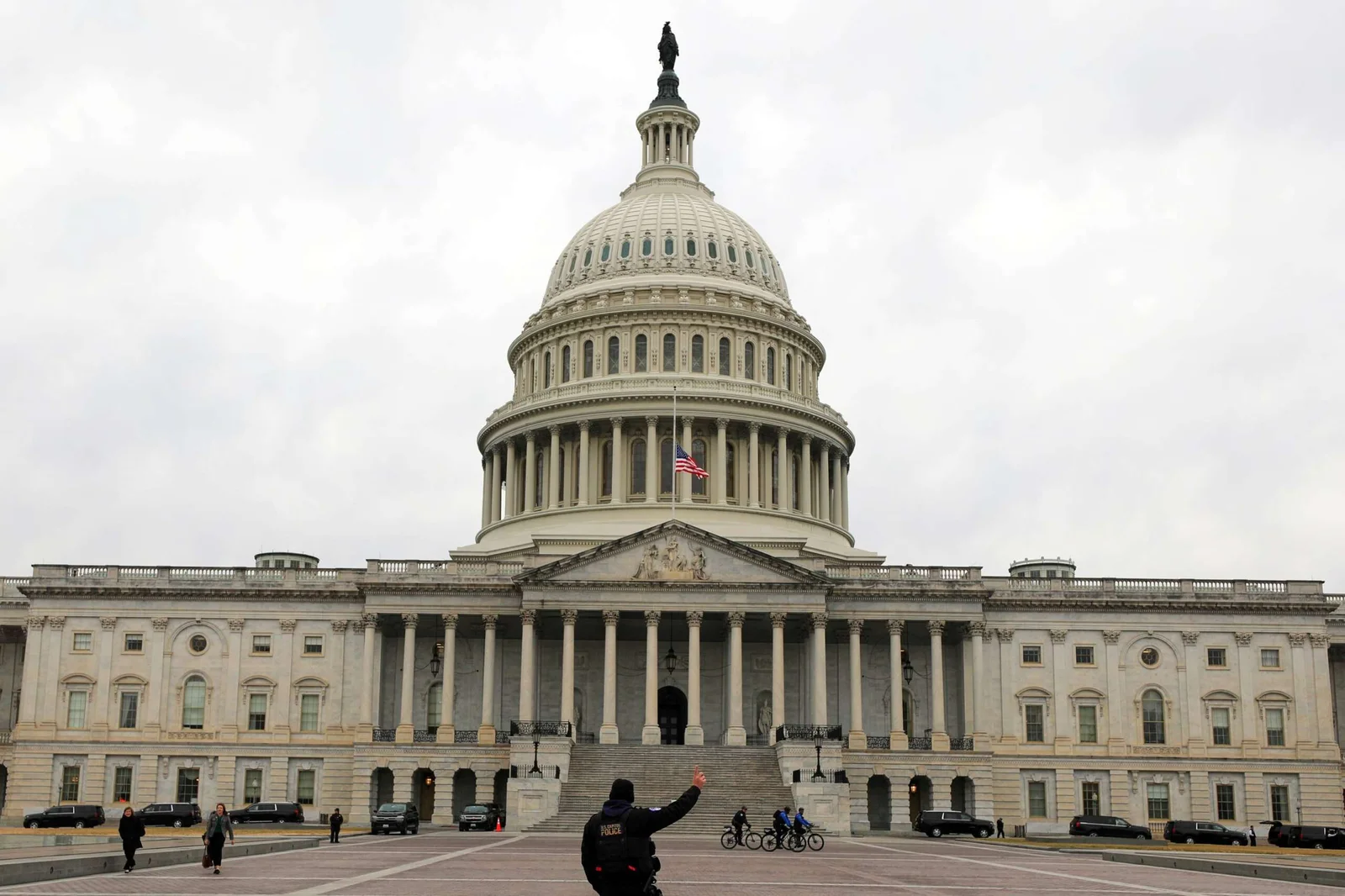
The article discusses the ongoing government shutdown nearing a record length, highlighting key pressure points such as SNAP benefits and ACA subsidies, the debate over the Senate filibuster, and the potential for a resolution amid upcoming elections and public pressure.
During a prolonged federal shutdown, President Trump attempted to use available funds to sustain the SNAP program for millions of low-income Americans, revealing a strategy to leverage the shutdown to advance his policy agenda, despite initial claims of limited options from the White House.
Originally Published 2 months ago — by Rolling Stone
The article argues that the recent SNAP food benefit shutdown was a deliberate outcome of Republican policies, particularly the Big Beautiful Bill, which restricted benefit updates, shifted costs to states, and targeted immigrant families, ultimately weakening the safety net and increasing hunger among vulnerable populations.
The US is experiencing a prolonged government shutdown affecting food aid, healthcare costs, and federal workers, with bipartisan talks ongoing but no immediate resolution in sight, as political disagreements continue to impact millions of Americans.
The US government has announced that starting November 1, federal food aid through SNAP will cease due to the ongoing government shutdown, which is now the second-longest on record. The USDA states contingency funds cannot cover regular benefits, raising concerns for millions of Americans relying on food assistance amid political disagreements between Democrats and Republicans.
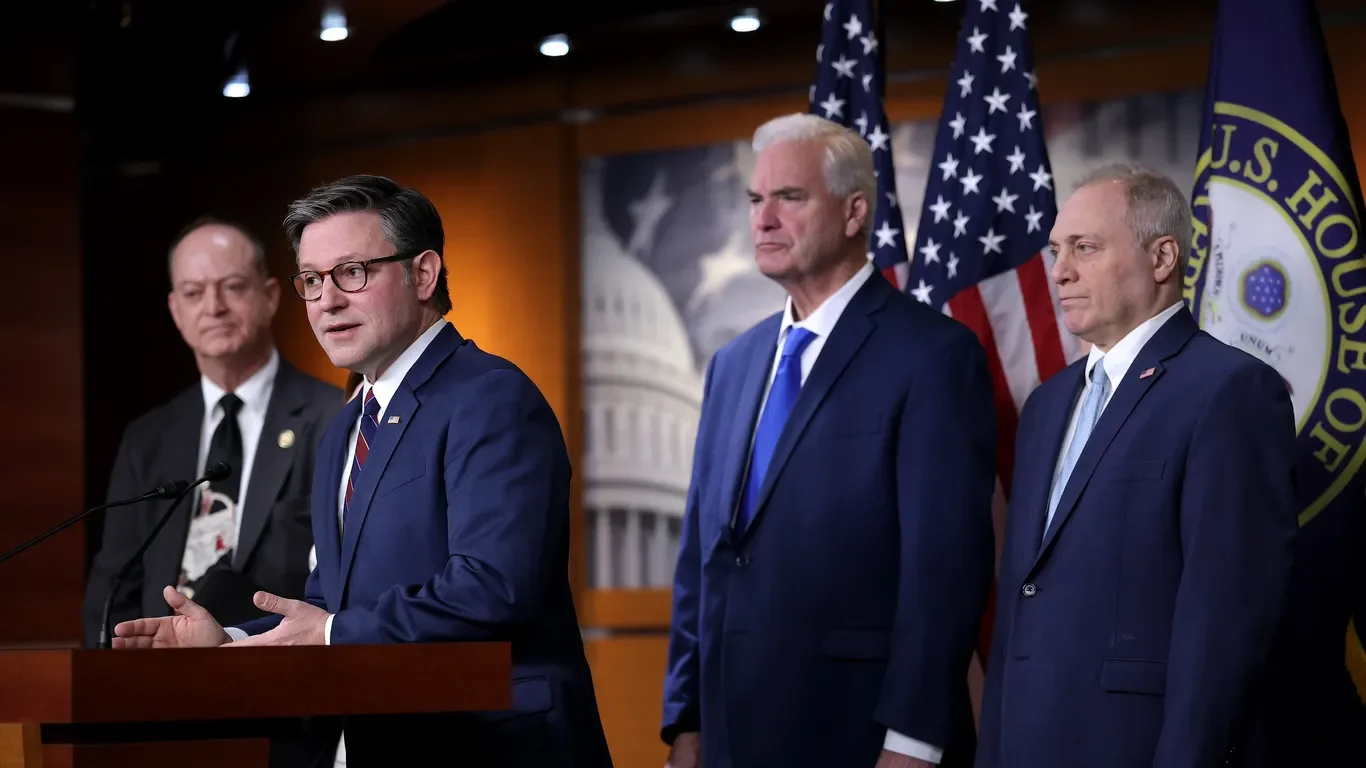
The ongoing government shutdown, the second-longest in U.S. history, is increasingly seen as a tool for President Trump to consolidate power, punish Democrats, and reconfigure federal priorities, with both parties entrenched in a political standoff that is affecting federal workers and services.
The Pentagon accepted a $130 million anonymous donation from a friend of President Trump to help pay military members during the government shutdown, covering only a fraction of the owed pay, raising questions about legality and adherence to federal laws like the Anti Deficiency Act.
J.P. Morgan warns that the US is 'going broke slowly' due to rising national debt and uncertain revenue streams, with long-term risks of faster deterioration if political decisions worsen the fiscal situation, prompting investors to diversify portfolios.
President Trump directed the Defense Department to use available funds to ensure U.S. troops are paid during the ongoing government shutdown, which has now lasted over a week, while federal workers face layoffs. The move aims to prevent military pay delays but does not address the broader shutdown issues affecting other federal employees.
The potential removal of the enhanced premium tax credit due to the federal government shutdown could significantly increase health insurance costs for about 110,000 Oregon residents, especially impacting Hood River, Deschutes, and Wallowa counties, where many rely on affordable coverage for outdoor recreation jobs.
Russell Vought, a key figure in the Trump administration and author of the conservative Project 2025 blueprint, is leveraging the government shutdown to push for significant federal budget cuts and expanded presidential powers, reflecting his long-standing influence in conservative fiscal policy and government downsizing efforts.
A potential government shutdown starting October 1, 2025, could furlough nearly 3 million federal employees nationwide, including about 116,000 in New York, if Congress does not pass a short-term funding extension, risking disruptions for millions of Americans.
The article discusses the upcoming potential government shutdown in the US, highlighting the longest shutdown in over 40 years from December 2018 to January 2019, its costs, and the current political situation where Congress has not passed necessary funding bills, risking a full shutdown if an agreement isn't reached by October 1.