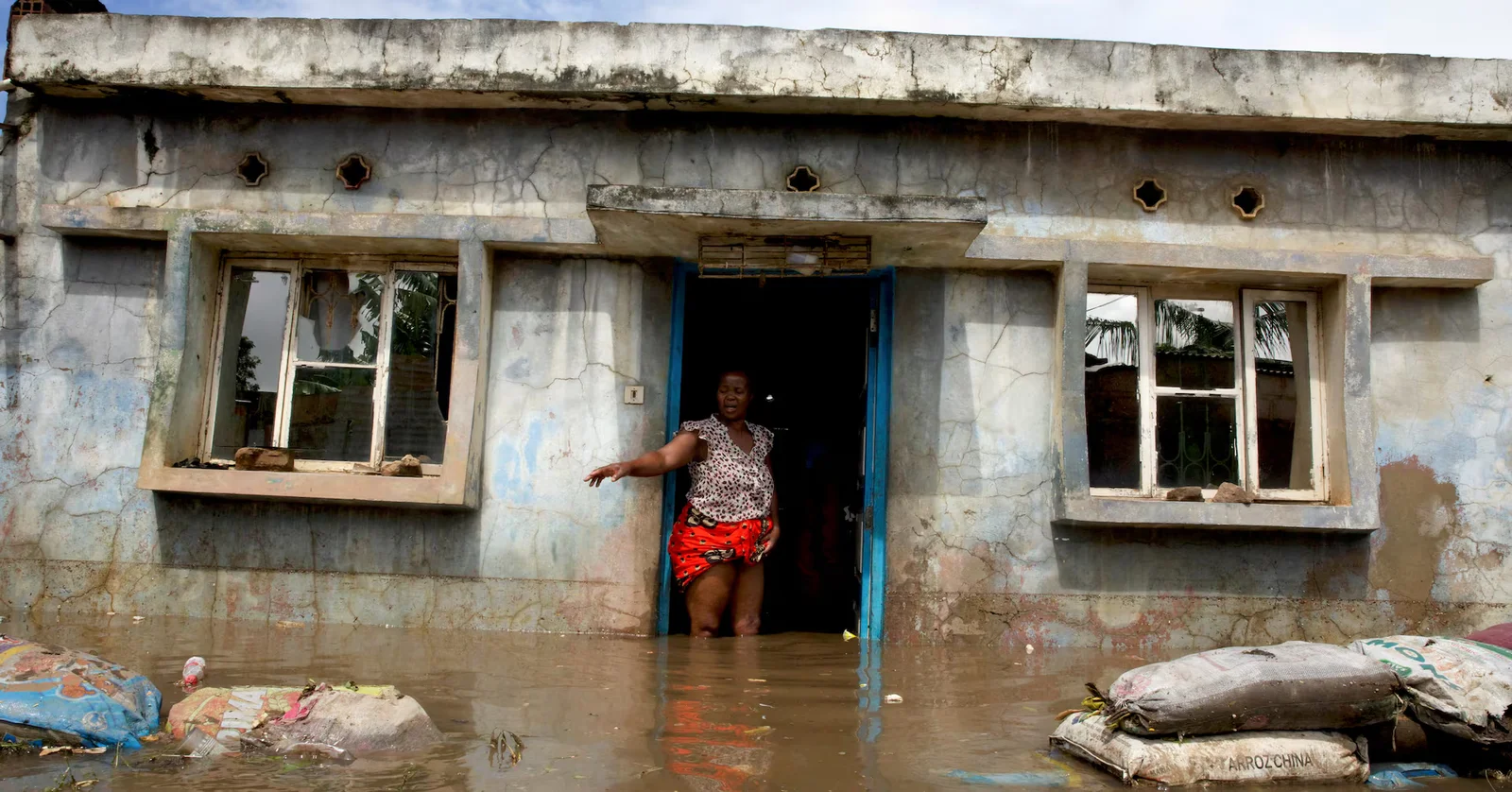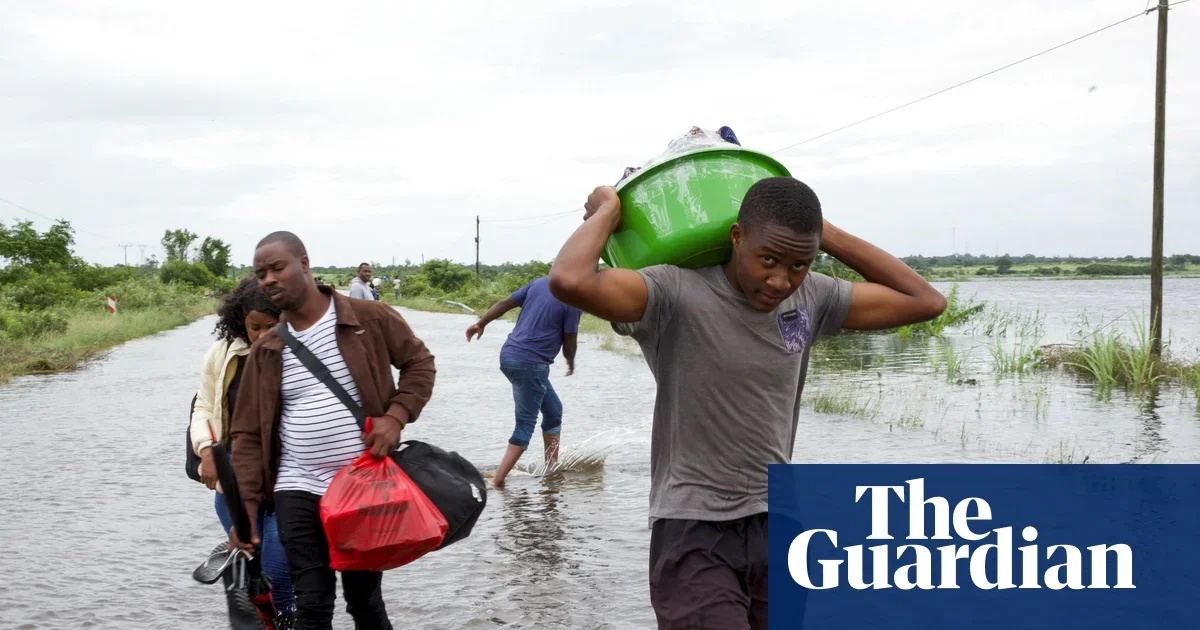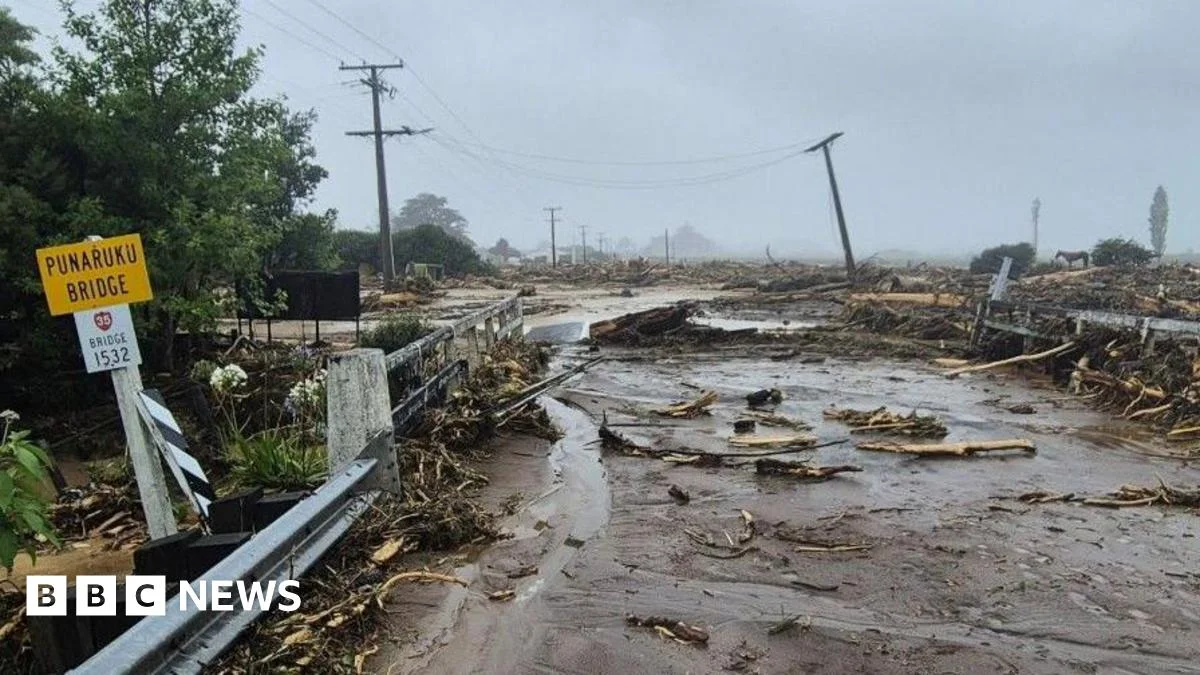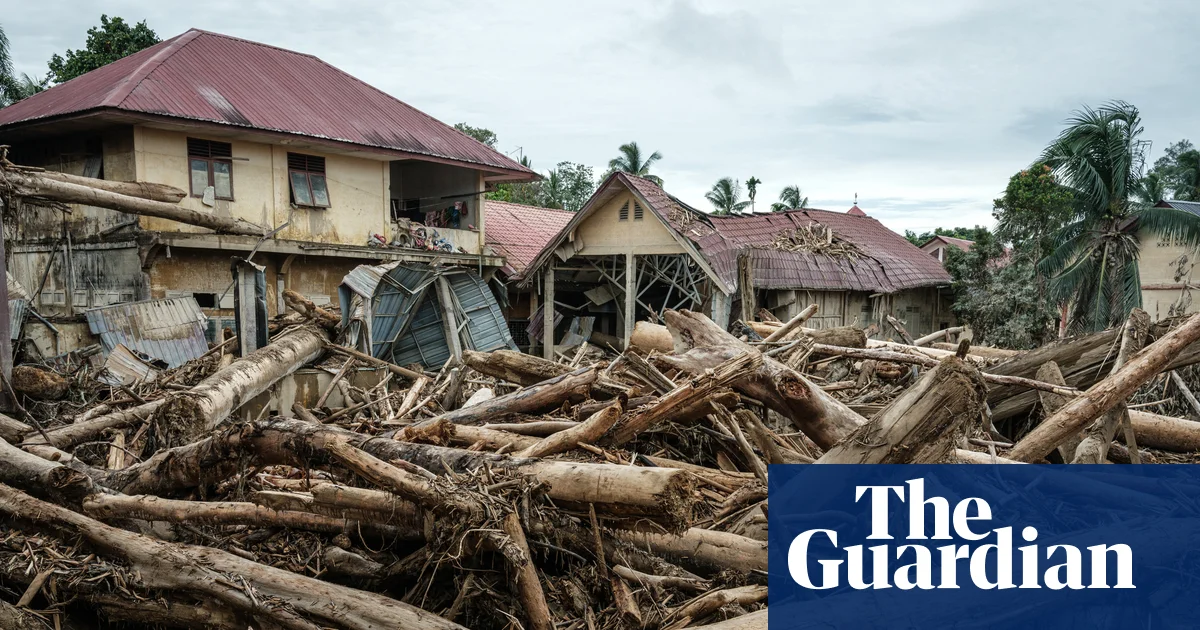
The article reports that 2025 saw some of the most costly climate-related disasters, including cyclones, floods, and wildfires, causing over $120 billion in insured losses, with human and economic impacts especially severe in developing countries. Experts attribute the increasing frequency and severity of these events to human-made climate change, emphasizing the urgent need for global action to reduce fossil fuel use and support vulnerable nations. Despite commitments at COP30 to increase climate finance, the funding remains insufficient to meet the growing needs for adaptation and disaster mitigation.
In 2025, climate change significantly impacted the world through intensified wildfires in California and South Korea, record-breaking heat waves in England, devastating floods in Texas, supercharged hurricanes in the Caribbean, and severe droughts in the Middle East, demonstrating its pervasive influence on global weather events.
A strong storm system continues to pose risks of flooding, high surf, and avalanches in California, with ongoing dangers in Wrightwood, Los Angeles, and the Sierra Nevada, despite easing conditions, prompting emergency responses and evacuations.
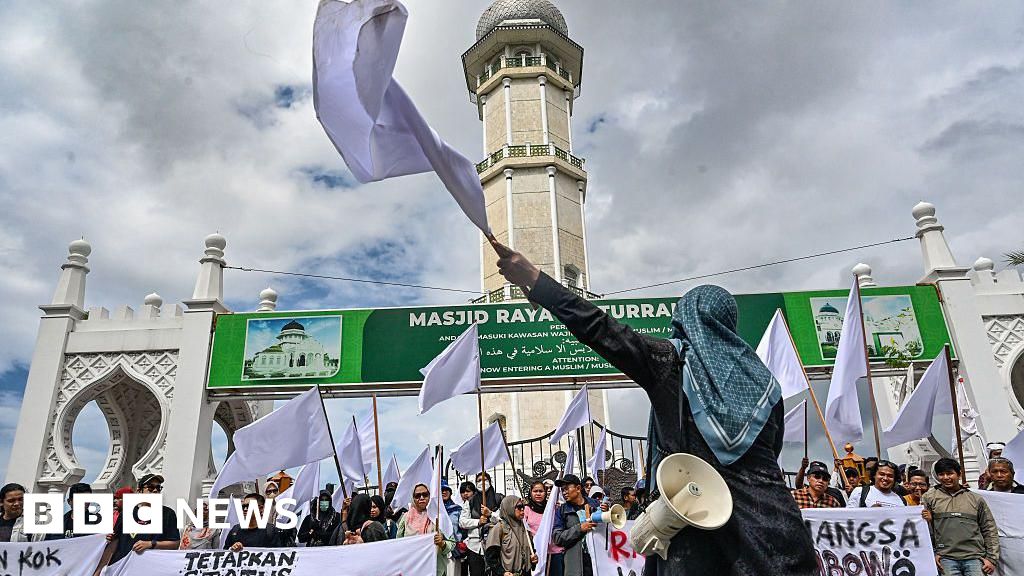
Residents in Aceh, Indonesia, are raising white flags as a distress signal due to the slow response to devastating floods caused by a cyclone, with the government refusing foreign aid and critics accusing it of being disorganized and out of touch, despite the severe impact and calls for international support.
Cyclone Ditwah caused devastating floods and landslides in Sri Lanka, severely impacting tea plantation workers living in primitive conditions, many of whom are from the marginalized Tamil community. The disaster has worsened their already distressed situation, destroying homes and causing loss of life, while the country struggles with economic debt and climate resilience challenges. The government has promised aid and housing reconstruction, but urgent support is needed for affected communities.
Heavy rains caused devastating floods in Safi, Morocco, killing at least 37 people, damaging homes, and blocking roads, with authorities conducting rescue operations amid concerns over climate change impacts.
A series of severe storms and floods have swept through South and Southeast Asia, causing at least 1,200 deaths and displacing millions, with the situation expected to worsen.
Human activities and climate change are intensifying floods in Asia, causing widespread destruction, loss of life, and displacement, with scientists linking increased moisture and energy in storms to global warming, while emphasizing the need for better early warning systems and natural solutions to mitigate future disasters.
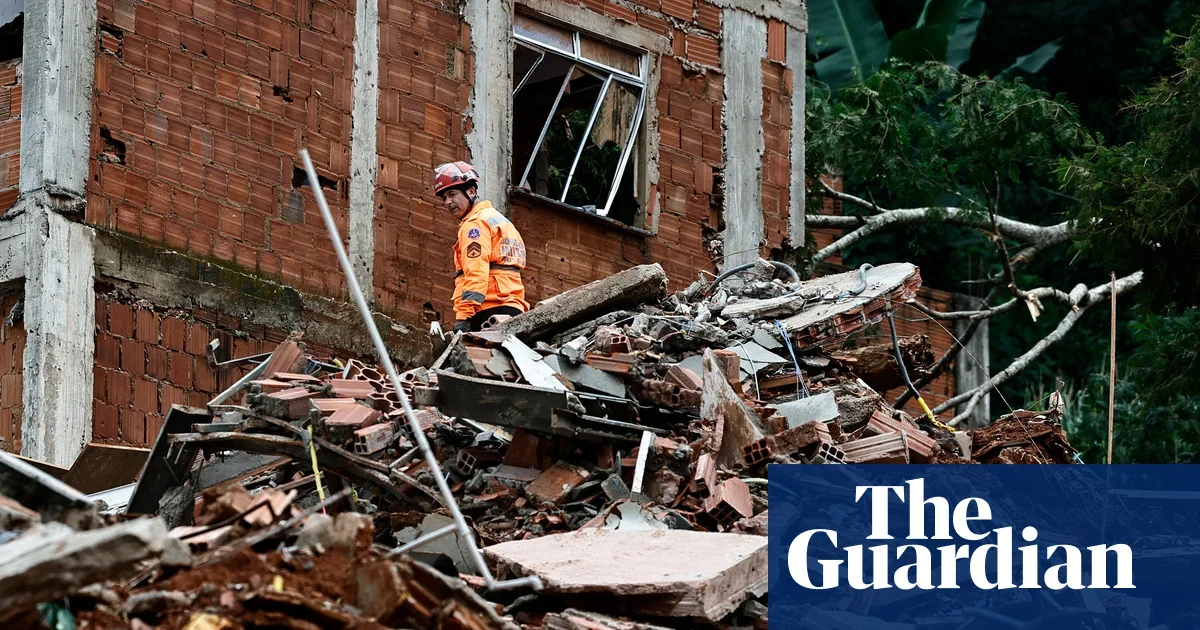
Massive floods in Sumatra, Indonesia, caused over 700 deaths and were worsened by deforestation, climate change, and mismanagement of natural resources, with local leaders blaming illegal logging and plantation expansion for ecological destruction.
Over 1,300 people have died across Indonesia, Sri Lanka, and Thailand due to severe monsoon floods and landslides, with thousands more missing and ongoing rescue efforts hampered by damaged infrastructure and worsening weather.
Severe flooding and landslides across Southeast Asia, driven by extreme monsoon rains intensified by climate change, have resulted in over 1,000 deaths in countries including Indonesia and Sri Lanka, with ongoing rescue efforts and international aid appeals.
Over 500 people have died or gone missing across Southeast Asia due to record rainfall and flooding caused by Cyclone Senyar, with Indonesia's Sumatra island suffering the most casualties, as the region faces devastating natural disasters.
Over 900 people have died due to severe floods and landslides across Sri Lanka, Indonesia, and Thailand, driven by intensified monsoon rains and a tropical storm, highlighting the devastating impact of climate change on weather patterns in Southeast Asia.
Typhoon Fung-wong caused significant destruction in the Philippines, resulting in at least four deaths, displacing over 1.4 million people, and damaging thousands of homes, as it moved northwest towards Taiwan, following recent devastation from Typhoon Kalmaegi.
Typhoon Fung-wong has moved away from the Philippines after causing floods, landslides, and power outages, with at least two deaths and over 1.4 million displaced. The storm, which initially struck as a super typhoon, prompted emergency responses and a state of emergency declaration, while the country remains vulnerable to frequent natural disasters.