Tag

Water Contamination

All articles tagged with #water contamination

Rising Flesh-Eating Bacteria Cases in Florida and Surrounding Areas

Originally Published 5 months ago — by WSLS

Featured image for Rising Flesh-Eating Bacteria Cases in Florida and Surrounding Areas
Source: WSLS

Multiple cases of flesh-eating bacteria, caused by Vibrio vulnificus, have been reported in Florida, especially during warmer months. The bacteria can be contracted through contaminated water or shellfish and may cause severe infections or death. Precautions include thoroughly cooking shellfish, avoiding swimming in contaminated waters, and protecting open wounds. People with compromised immune systems should be particularly cautious.

Flooding Raises Mosquito Risks, Officials Warn Austin Residents

Originally Published 6 months ago — by KUT

Featured image for Flooding Raises Mosquito Risks, Officials Warn Austin Residents
Source: KUT

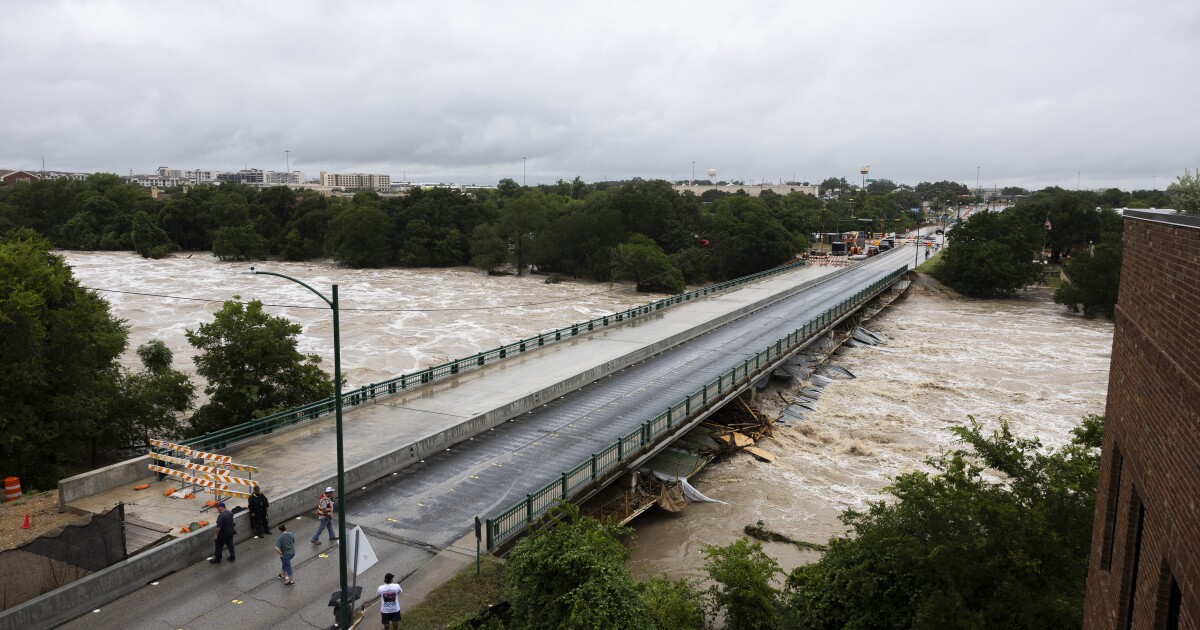
Flooding in Central Texas has caused environmental concerns including water contamination and increased mosquito risks, prompting safety advisories and water management efforts, with reservoirs refilling and some areas under boil water notices, while officials warn of health risks from standing water and runoff.

NASA Sensor Monitors Coastal Contamination from Space Station

Originally Published 7 months ago — by NASA Jet Propulsion Laboratory (JPL) (.gov)

Featured image for NASA Sensor Monitors Coastal Contamination from Space Station
Source: NASA Jet Propulsion Laboratory (JPL) (.gov)

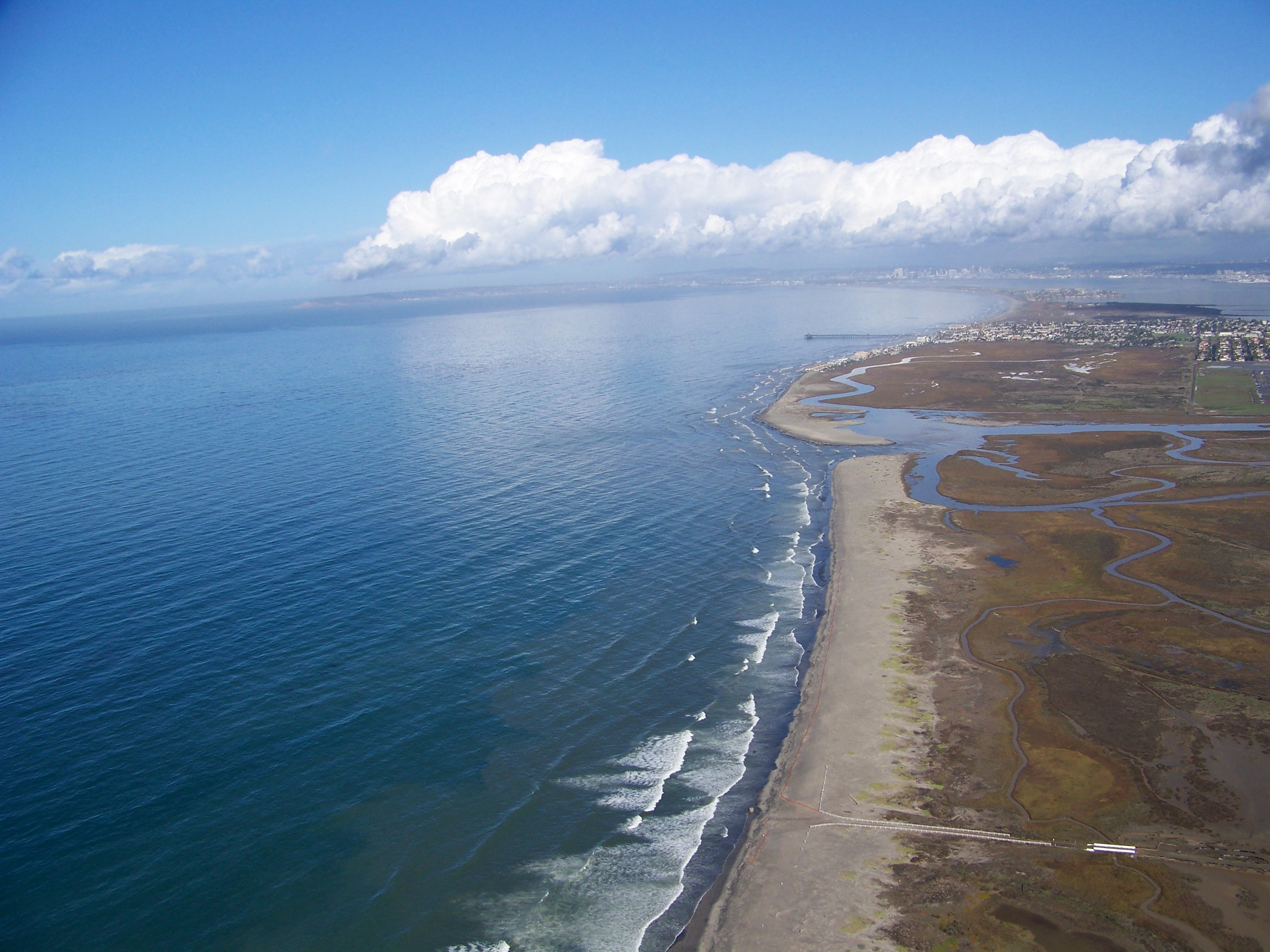
NASA's EMIT sensor on the International Space Station has detected signs of wastewater contamination off the California coast by identifying a pigment associated with cyanobacteria, demonstrating its potential to complement traditional water sampling methods and fill data gaps in pollution monitoring.

Protect Your Camper: How to Prevent Water Tank Contamination

Originally Published 7 months ago — by The Autopian

Featured image for Protect Your Camper: How to Prevent Water Tank Contamination
Source: The Autopian

RV water tanks can harbor dangerous bacteria and parasites if not properly maintained and cleaned regularly. The CDC reports a fatal brain infection linked to contaminated RV water, emphasizing the importance of using filtered, sterile, or boiled water for internal use and regularly cleaning the tanks to prevent health risks. Installing effective filtration systems and sanitizing tanks every few months are recommended safety measures.

Berks Closes South Campus Over Legionella Bacteria in Water

Originally Published 7 months ago — by Reading Eagle

Featured image for Berks Closes South Campus Over Legionella Bacteria in Water
Source: Reading Eagle

Berks County South Campus has closed temporarily after detecting legionella bacteria in its water system, prompting safety measures including water system chlorination and restricted access, while allowing occupancy with precautions due to the bacteria's potential to cause severe pneumonia and other symptoms.

CDC links contaminated RV water to brain-eating amoeba death

Originally Published 7 months ago — by Boing Boing

Featured image for CDC links contaminated RV water to brain-eating amoeba death
Source: Boing Boing

A CDC report details the death of a woman in Texas caused by Naegleria fowleri, a brain-eating amoeba, which was traced back to contaminated RV water used for nasal irrigation. The case underscores the importance of using sterile or distilled water for nasal rinses and maintaining water quality in RVs and municipal supplies to prevent such deadly infections.

"Papua New Guinea Landslide: No Survivors Expected, 2,000 Feared Buried"

Originally Published 1 year ago — by Reuters

Featured image for "Papua New Guinea Landslide: No Survivors Expected, 2,000 Feared Buried"
Source: Reuters

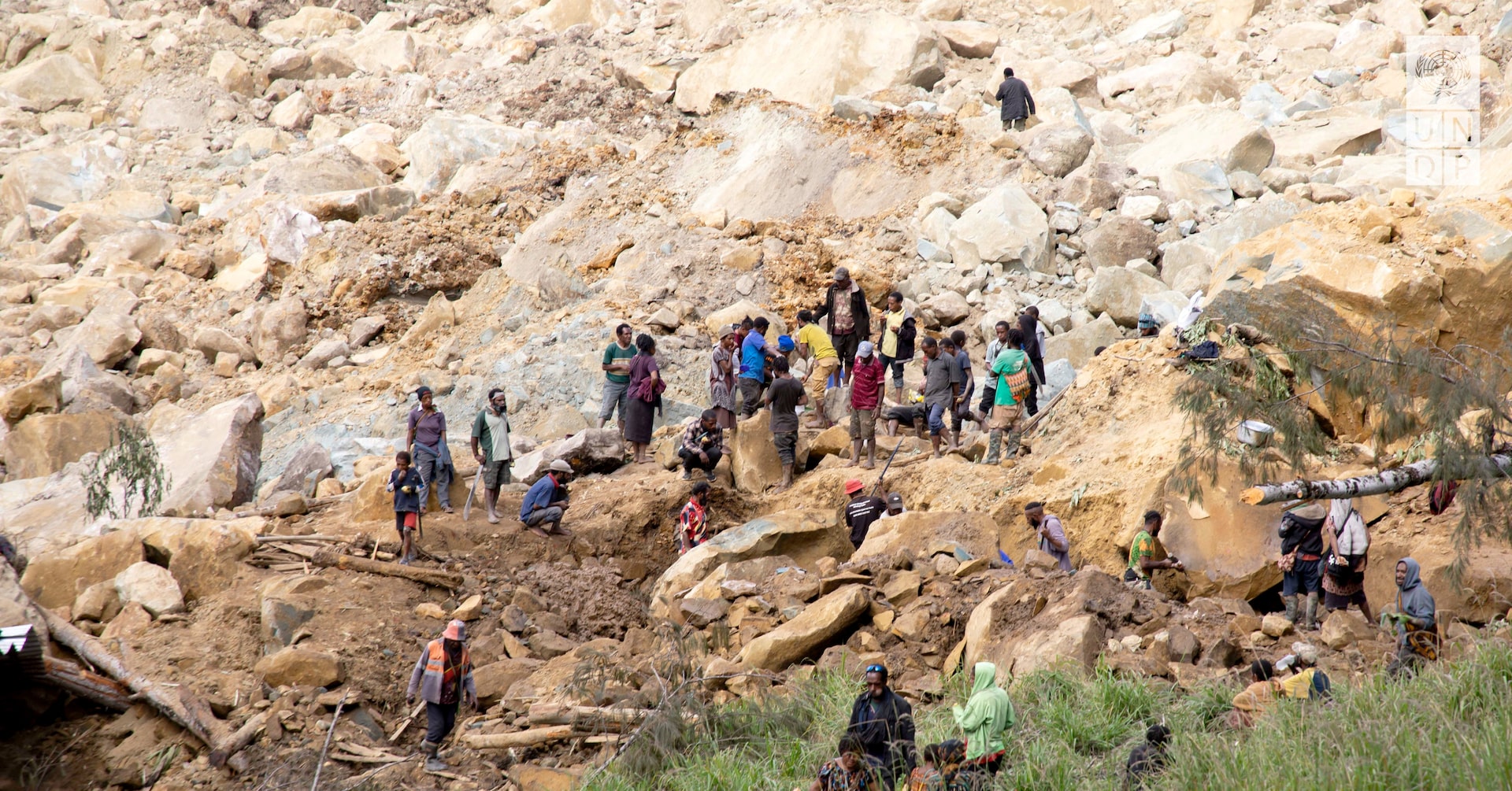
Rescue teams in Papua New Guinea do not expect to find survivors under the rubble of a massive landslide in Enga province, with the death toll potentially ranging from hundreds to thousands. The challenging terrain, damaged infrastructure, and tribal unrest have delayed aid and heavy equipment. The landslide has also contaminated water sources, posing significant health risks and displacing around 1,650 people.

"Experts Warn: Cryptosporidium Can Spread Through Asymptomatic Sexual Contact"

Originally Published 1 year ago — by Daily Mail

Featured image for "Experts Warn: Cryptosporidium Can Spread Through Asymptomatic Sexual Contact"
Source: Daily Mail

Experts warn that cryptosporidium, a parasite typically spread through contaminated water and animal feces, can also be transmitted through sexual activity. Recent outbreaks in Devon have highlighted the risk, with 77 cases reported. Infected individuals can remain contagious for up to two weeks after symptoms disappear, and UK health officials have yet to issue specific advice on avoiding sexual transmission. The parasite is chlorine-resistant, posing additional risks in swimming pools.

"Identifying and Eliminating PFAS Hot Spots in the US"

Originally Published 1 year ago — by Newsweek

Featured image for "Identifying and Eliminating PFAS Hot Spots in the US"
Source: Newsweek

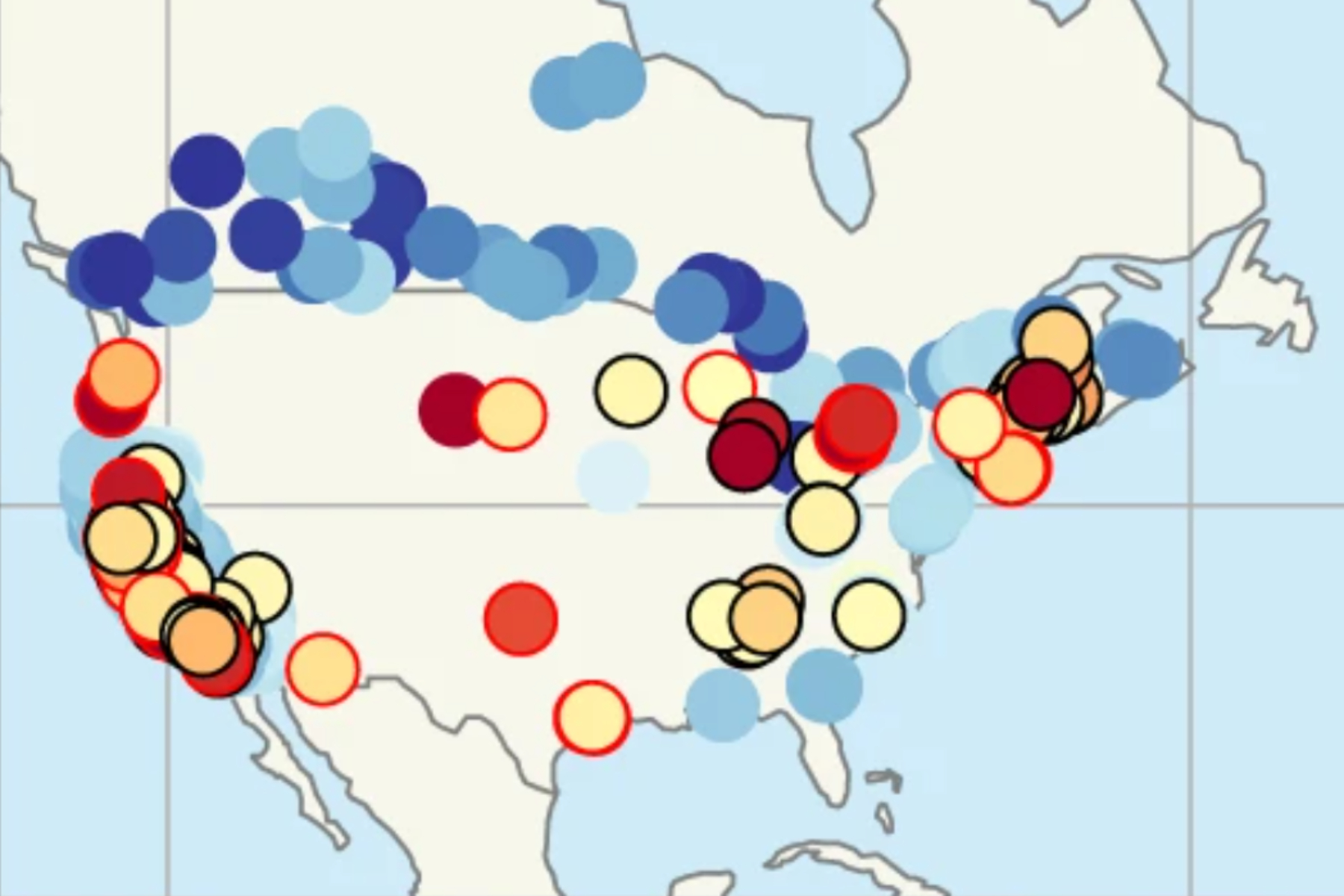
A study published in Nature Geoscience reveals that certain areas in the U.S. and other countries are hot spots for PFAS, or "forever chemicals," with concentrations exceeding recommended levels in water samples. These chemicals, used in various household items, have been linked to health problems. The study found that over 69% of surface water and 33,900 groundwater samples worldwide contained more PFAS than Canada's minimum standard, with the U.S. being home to several hot spots. The Biden administration has announced the first enforceable drinking water standard for PFAS in the U.S., aiming to address the issue of contaminated drinking water.

"PFAS Contamination: Assessing the Impact on US Water Systems"

Originally Published 1 year ago — by The News Journal

Featured image for "PFAS Contamination: Assessing the Impact on US Water Systems"
Source: The News Journal

The EPA has finalized drinking water standards for PFAS, a class of forever chemicals, with a new limit set at 4 parts per trillion. Around 35 million people in the US are living in areas not in compliance with the new limits, including over 200,000 in Delaware. Five water systems in Delaware have detections above the new PFAS limits, impacting over 266,000 people in the state. The state has been involved in PFAS-related litigation and cleanup efforts, with ongoing efforts to address contamination and upgrade water treatment systems.

"Global Study Identifies Hotspots of 'Forever Chemical' Water Contamination, Prompting First National Limits in U.S."

Originally Published 1 year ago — by CBS News

Featured image for "Global Study Identifies Hotspots of 'Forever Chemical' Water Contamination, Prompting First National Limits in U.S."
Source: CBS News

A study published in Nature Geoscience has revealed dangerous levels of PFAS "forever chemicals" in surface and groundwater worldwide, with hotspots identified in Australia, the United States, and Europe. The substances, found in everyday products, have been linked to serious health conditions. The research found that 45% of U.S. tap water samples contained PFAS, and high concentrations were also found in Canada, China, and parts of Europe. While efforts to restrict PFAS use are underway, the extent of contamination in water supplies globally remains unknown.

"NGO Raises Alarm Over Seine River Water Quality Ahead of Paris Olympics"

Originally Published 1 year ago — by The Washington Post

Featured image for "NGO Raises Alarm Over Seine River Water Quality Ahead of Paris Olympics"
Source: The Washington Post

Concerns have been raised about high levels of E. coli and enterococci bacteria in Paris's Seine River, where open-water swimming events for the Olympic and Paralympic Games are scheduled to take place. While a cleanup plan is in place, a nonprofit organization has expressed alarm over the potential health risks to athletes. Officials have dismissed the concerns, citing ongoing efforts to improve water quality and stating that the river will be "swimmable" for the Summer Games. Plans to clean up the river have been ongoing since 2016, with the aim of opening more than 20 swimmable sites to the public after the Olympics.