Tag

Detection Methods

All articles tagged with #detection methods

science-and-technology2 years ago

Unveiling Dark Matter: New Methods and Clues

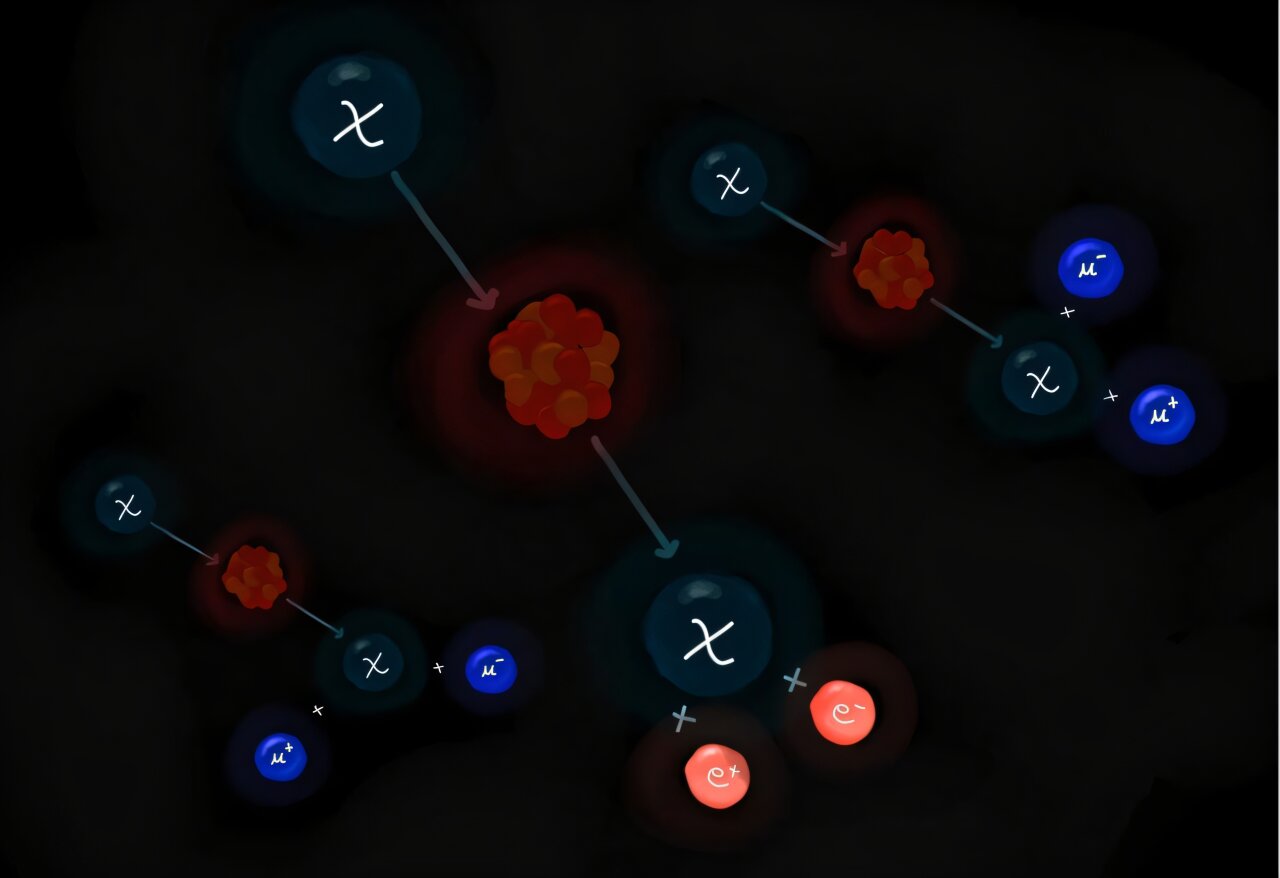
Scientists at the JEDI collaboration are developing new methods to detect dark matter, a mysterious substance that makes up about 80% of the universe's matter. Using advanced particle accelerator techniques, they are focusing on axions and axion-like particles. By utilizing polarized beams in the Jülich particle accelerator COSY, the researchers aim to detect the influence of a background field of axions on the spins of particles. While conclusive evidence remains elusive, the experiment has narrowed down possible interaction effects and established a promising new method in the search for dark matter.

gaming2 years ago

Call of Duty's Ingenious Tactics to Combat Cheaters

Activision's Ricochet anti-cheat system in Call of Duty: Modern Warfare II is deploying "hallucinations," which are decoy characters visible only to suspected or confirmed cheaters. These lifelike clones of real players emit the same data as genuine characters, forcing cheaters to self-identify and slowing them down. Another mitigation called quicksand, which slowed or froze cheaters' movement, has been shelved due to its impact on legitimate gamers. Activision also reported a 59% drop in the use of third-party hardware devices providing unfair advantages, thanks to a newly deployed detection method.

astronomy2 years ago

The Catastrophic Reality of Super-Earth Planets

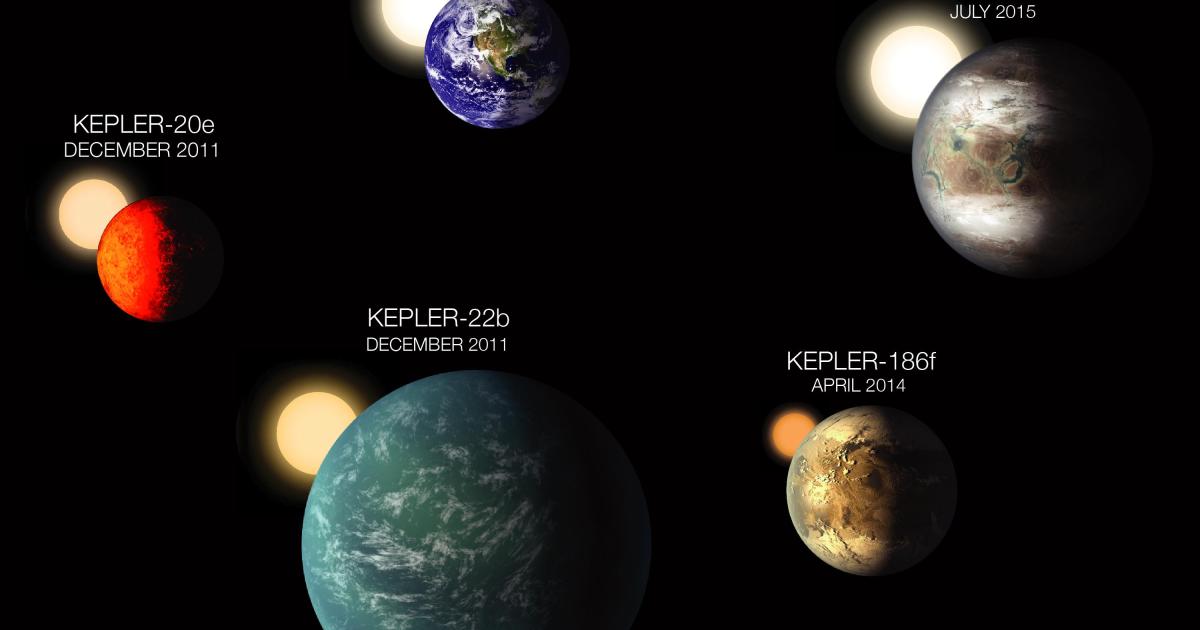
The idea of "super-Earth" exoplanets being more habitable than Earth is a myth, as most of these planets are actually mini-Neptunes or stripped planetary cores with thick atmospheres that make them inhospitable to life. The lack of small exoplanets is due to detection sensitivity, and the two primary methods for finding exoplanets are not optimized for finding Earth-sized or smaller worlds. The majority of exoplanets are Neptune-like, possessing large, volatile gas envelopes, and the prospects for habitability are dim. The rocky super-Earths that do exist are likely hot and close to their stars, making them more like Mercury than Earth.