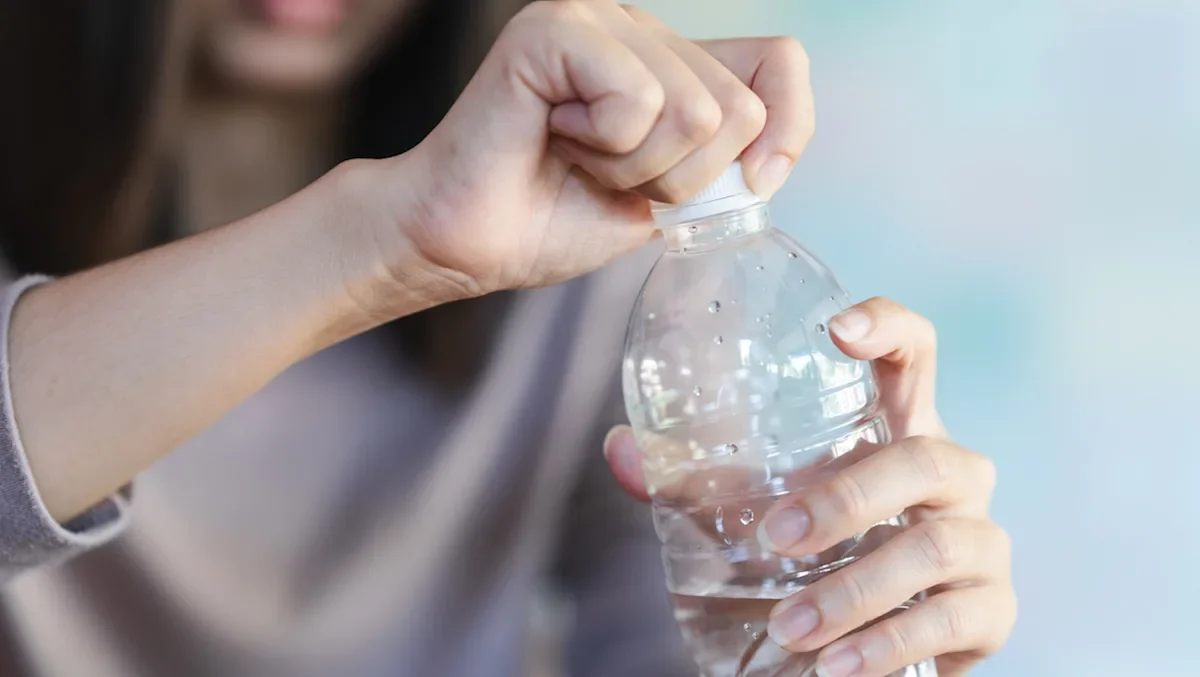
A recent study highlights the health risks of drinking bottled water, revealing that individuals who consume it daily ingest nearly 90,000 microplastic particles annually, which may contribute to inflammation, cell damage, and increased cancer risk, emphasizing the importance of switching to reusable water bottles for health and environmental reasons.
Research shows that people who drink bottled water daily ingest nearly 90,000 more microplastic particles annually, raising concerns about long-term health effects and highlighting the need for better regulation and sustainable water solutions.
A recent study reveals that drinking from plastic bottles exposes individuals to significantly more microplastics—up to 90,000 additional particles annually—compared to tap water, raising health concerns and suggesting the use of reusable bottles made of stainless steel or glass as safer alternatives.
A scientist warns that daily consumption of bottled water introduces tens of thousands of micro- and nanoplastics into the body, which may cause chronic health issues such as inflammation, hormone disruption, and neurological damage, though long-term effects are still not fully understood. Education and awareness are crucial to mitigate these risks.
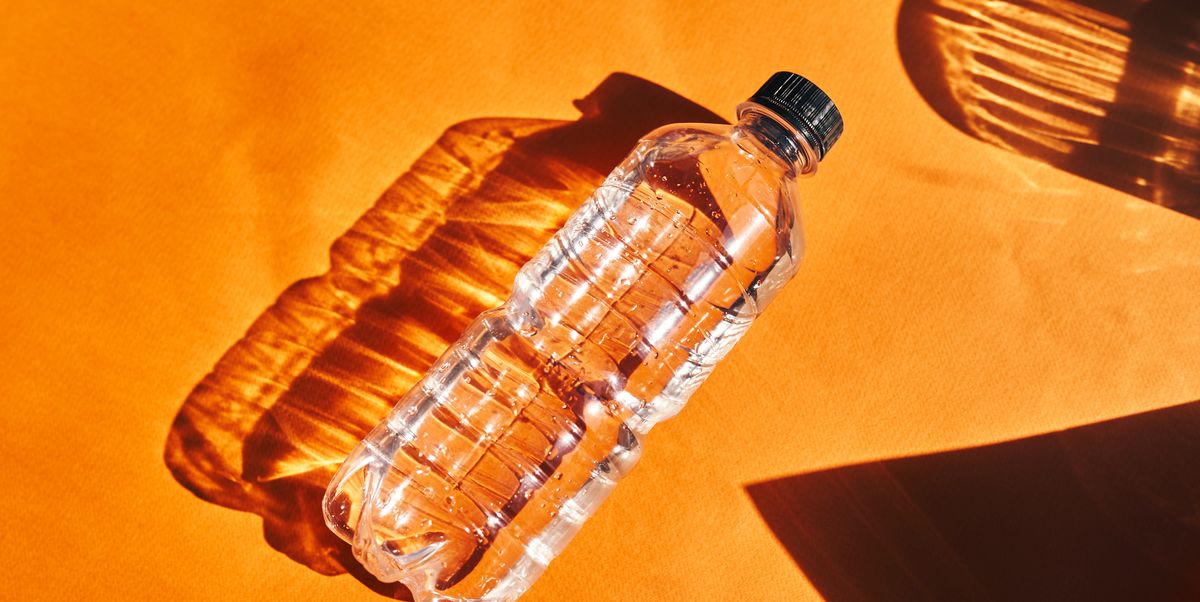
Hot conditions and light can cause bottled water to develop bacteria and microplastics, even if it looks clear, posing potential health risks. To stay safe, avoid leaving bottles in warm environments, and opt for reusable containers made of glass or stainless steel.
A 2024 study found that most bottled water contains microplastics, with only one brand free of these tiny plastic particles, raising concerns about health risks and the need for stricter filtration standards.
Fiji Natural Artesian Water has issued a nationwide recall of 1.9 million bottles due to the presence of manganese and unspecified bacteria. The recall, classified as Class III by the FDA, indicates that the product is not likely to cause adverse health consequences. Affected bottles were sold between February 1, 2024, and March 3, 2024, primarily through Amazon. Consumers are advised to check the UPC codes and contact Fiji Water for more information.
The FDA has announced a recall of over 78,000 cases of Fiji Natural Artesian Water due to the presence of manganese and bacteria. The recall, initially announced in March, is classified as Class III, indicating it is not likely to cause adverse health consequences. Most of the affected bottles have been reclaimed, and the remaining ones are being held in warehouses. The company assures that the recalled water poses no health risk and emphasizes their commitment to safety and quality.
The FDA has classified a March recall of nearly 1.9 million bottles of Fiji Natural Artesian Water as Class III, indicating no likely health risks. The recall was due to concerns over manganese and bacteria, but the company assures that the affected products posed no health or safety risk and were mostly reclaimed.
The FDA has classified a March recall of over 78,000 cases of Fiji Natural Artesian Water as Class III, indicating the products are "not likely to cause adverse health consequences." The recall was due to manganese and bacterial contamination, but the company states that 99% of affected bottles were reclaimed and there is no health risk.
The FDA has classified a March recall of over 78,000 cases of Fiji Natural Artesian Water as Class III, indicating the products are "not likely to cause adverse health consequences." The recall was due to concerns over manganese and bacterial contamination. The company stated that 99% of the affected bottles were reclaimed and emphasized that there is no health or safety risk from the recalled lots.
Scientists are raising concerns about the safety of both tap and bottled water due to contamination with chemicals such as PFAS and microplastics. While tap water is regulated and monitored for pollutants, there are still unknown chemicals that may pose risks. Bottled water, on the other hand, can contain plastic particles and may also be contaminated during the bottling process. Filtering tap water can improve taste and remove some contaminants, but it's still a matter of personal choice. Ultimately, the scientists recommend carrying metal water bottles and drinking tap water, as there's no evidence that bottled water is any cleaner than processed tap water.
A study by Columbia University researchers found hundreds of thousands of nanoplastics in popular bottled water brands, raising concerns about potential health risks associated with consuming these particles. Nanoplastics, which are too small to be seen by the naked eye, can potentially invade human cells and disrupt cellular processes. While more research is needed to fully understand the health implications, the presence of nanoplastics in bottled water adds to the environmental reasons for opting for tap water instead. The study highlights the need for further investigation into the sources of nanoplastics in water and their potential impact on human health.
A study by Columbia University researchers found hundreds of thousands of nanoplastics in popular bottled water brands, raising concerns about potential health risks. Nanoplastics, too small to be seen by microscope, can invade human cells and disrupt cellular processes. While the health effects of nanoplastics are still unclear, experts worry about their potential to carry environmental pollutants and toxins. The presence of nanoplastics in bottled water adds to existing environmental reasons for choosing tap water over bottled water, despite ongoing research on the topic.
A study by Columbia University researchers found hundreds of thousands of nanoplastics in popular bottled water brands, raising concerns about potential health impacts. Nanoplastics, too small to be seen by microscope, can invade human cells and disrupt cellular processes. While the exact health effects are still unknown, previous research has shown adverse effects of microplastic exposure on cell viability. The presence of diverse types of plastics in bottled water, likely from the bottling process and packaging, adds to environmental reasons for choosing tap water over bottled water.