Tag

Cryptosporidium

All articles tagged with #cryptosporidium

health5 months ago

Are Public Pools Truly Clean? An Expert Explores Hidden Germs and Risks

Public pools can harbor germs like Cryptosporidium and Pseudomonas, but proper hygiene and precautions such as showering before and after swimming, avoiding swimming when sick, and not swallowing pool water can significantly reduce health risks. Chlorine kills many pathogens but doesn't eliminate all, and strong chlorine smells may indicate contamination. Following safety tips helps enjoy swimming while minimizing infection risks.

health1 year ago

CDC Warns of Health Risks at Contaminated Splash Pads

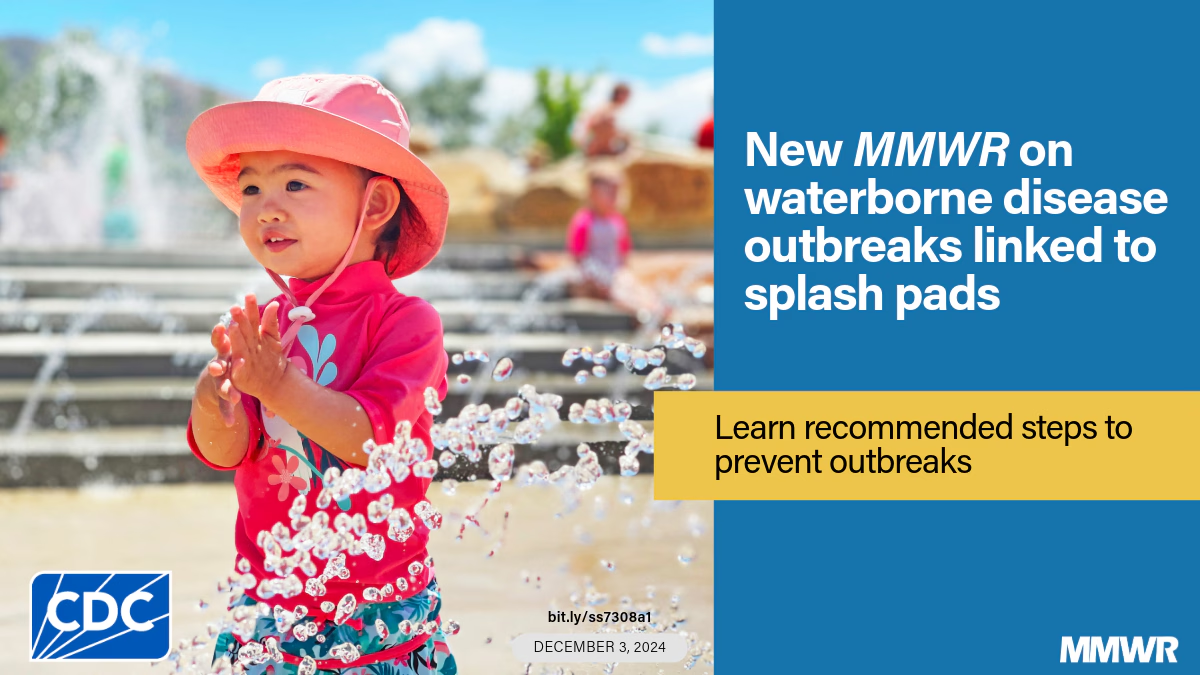
A CDC report highlights health concerns associated with public splash pads, which have been linked to 60 waterborne disease outbreaks in the US since 1997, primarily due to fecal contamination from young children. Despite filtration and chlorination efforts, Cryptosporidium, a parasite causing gastrointestinal illness, remains a significant threat. The report suggests preventive measures like avoiding splash pads when ill, not swallowing water, and frequent diaper checks to reduce outbreaks. These recommendations aim to ensure safe enjoyment of splash pads, especially in marginalized communities.

health1 year ago

CDC Warns of Diarrhea Risks at Contaminated Splash Pads

A CDC report highlights the health risks associated with splash pads, revealing that these recreational water sources have been linked to over 60 outbreaks of gastrointestinal illness since 1997, primarily caused by the chlorine-resistant parasite Cryptosporidium. The report, which is the first to quantify the scale of harm, notes that more than 10,000 people were affected, with 152 hospitalizations but no deaths. The CDC suggests stricter regulations and additional decontamination measures to mitigate these risks, emphasizing the role of human behavior, particularly among young children, in spreading infections.

health1 year ago

CDC Warns of Waterborne Illness Risks at Splash Pads

A CDC report highlights the association of splash pads with waterborne disease outbreaks from 1997 to 2022, with 60 outbreaks reported across 23 states and Puerto Rico, resulting in over 10,000 cases. Cryptosporidium, a chlorine-tolerant pathogen, was the primary cause of these outbreaks, particularly affecting children under five. The report emphasizes the need for improved public health measures, including better splash pad design, operation, and user behavior, to prevent future outbreaks.

health1 year ago

Splash Pads Linked to Over 10,000 Illnesses in Children

The CDC reports that splash pads, often exempt from local health regulations due to their design, have been linked to outbreaks of waterborne illnesses, primarily caused by the chlorine-resistant parasite Cryptosporidium. The CDC recommends new health codes, including secondary disinfection methods like ozone or UV light, to prevent such outbreaks. Changes in user behavior and improved facility management are also necessary to reduce the risk of gastrointestinal infections at these recreational venues.

health1 year ago

CDC Warns of Splash Pad-Linked Infections in Children

The CDC has issued a warning about splash pads after a report found over 10,000 infections and 150 hospitalizations linked to these recreational areas from 1997 to 2022. The outbreaks, primarily caused by Cryptosporidium, are often due to fecal contamination from children's diapers. Despite chlorine use, the design of splash pads can reduce its effectiveness. The CDC advises avoiding splash pads for two weeks after diarrhea and recommends regular bathroom breaks and diaper checks to prevent disease spread.

health1 year ago

"Experts Warn: Cryptosporidium Can Spread Through Asymptomatic Sexual Contact"

Experts warn that cryptosporidium, a parasite typically spread through contaminated water and animal feces, can also be transmitted through sexual activity. Recent outbreaks in Devon have highlighted the risk, with 77 cases reported. Infected individuals can remain contagious for up to two weeks after symptoms disappear, and UK health officials have yet to issue specific advice on avoiding sexual transmission. The parasite is chlorine-resistant, posing additional risks in swimming pools.

health2 years ago

Mysterious Surge in Severe Diarrhea Cases Baffles UK Scientists

The UK is experiencing an unprecedented surge in cryptosporidiosis infections, a parasitic infection that causes severe and long-lasting diarrhea. The number of reported cases is five times higher than expected, and the reasons behind the surge are still unknown. The parasite is primarily spread through contaminated food, water, and contact with infected individuals or animals. While most people recover without treatment, severe cases can lead to weight loss and dehydration. The surge in infections may be due to increased exposure, reduced population immunity following COVID-19 control measures, or a combination of both. To protect oneself, it is advised to avoid swallowing water while swimming and to refrain from swimming if experiencing diarrhea.

health2 years ago

"Rapidly Spreading Diarrhoea Outbreak Grips UK and Europe - Key Signs and Symptoms"

The United Kingdom is currently experiencing an unprecedented outbreak of diarrheal illnesses caused by the intestinal parasite Cryptosporidium, with cases spiking three times higher than usual. The outbreak has affected almost every region of the UK, and while the exact cause is still unknown, international travel and swimming have been identified as potential factors. Cryptosporidium is spread through fecal contamination, particularly in recreational waters, and can cause watery diarrhea, nausea, vomiting, and abdominal pain. Health officials advise against swimming while experiencing symptoms and waiting at least 14 days after recovery before swimming.

health2 years ago

Parasite Detected in Baltimore Drinking Water Raises Health Concerns

Low levels of the microscopic parasite Cryptosporidium were found in the drinking water of parts of Baltimore, Baltimore County, and Howard County, potentially causing gastrointestinal problems for vulnerable populations such as the immunocompromised, elderly, and children. The Baltimore Department of Public Works advises these populations to take precautions like boiling their drinking water, while assuring the general population that the water remains safe. The agency will conduct more frequent sampling and notify the public of the results until the parasite is no longer detected.

health2 years ago

"Health Alert: Avoid Swimming in Pools with Strong Chlorine Odor"

The Centers for Disease Control and Prevention (CDC) warns that the "chlorine smell" and red eyes experienced in pools are not caused by pool chemicals, but rather by the combination of chlorine with contaminants such as urine, feces, sweat, and makeup brought in by swimmers. A CDC study found that 58% of public pool samples tested positive for E. coli. These contaminants can form chloramines, which can cause skin and nasal irritation, coughing, asthma attacks, and wheezing. Persistent germs like cryptosporidium can survive in pool water, making it the leading cause of pool-related outbreaks. The CDC recommends checking inspection records, testing pH and chlorine levels, ensuring clear visibility in the pool, and checking for secure drain covers and safety equipment to stay safe at public pools.

health2 years ago

Beware of Contagious Infections Lurking in Public Spaces

The summer season brings two types of explosive diarrhea: Cryptosporidium, a parasite that can survive in chlorinated swimming pools, and Cyclospora, a different microscopic parasite that spreads through contaminated food or water. Cryptosporidium can survive in pools and is not easily killed by hand sanitizer, so it's important to avoid swimming if you have recently had diarrhea. Cyclospora takes a few weeks to mature before it becomes infectious, and past outbreaks have been linked to various foods. To prevent the spread of these diarrheal diseases, the CDC advises not to poop in pools, avoid swallowing pool water, check children's swim diapers regularly, wash produce, and refrigerate cut fruits and vegetables promptly.