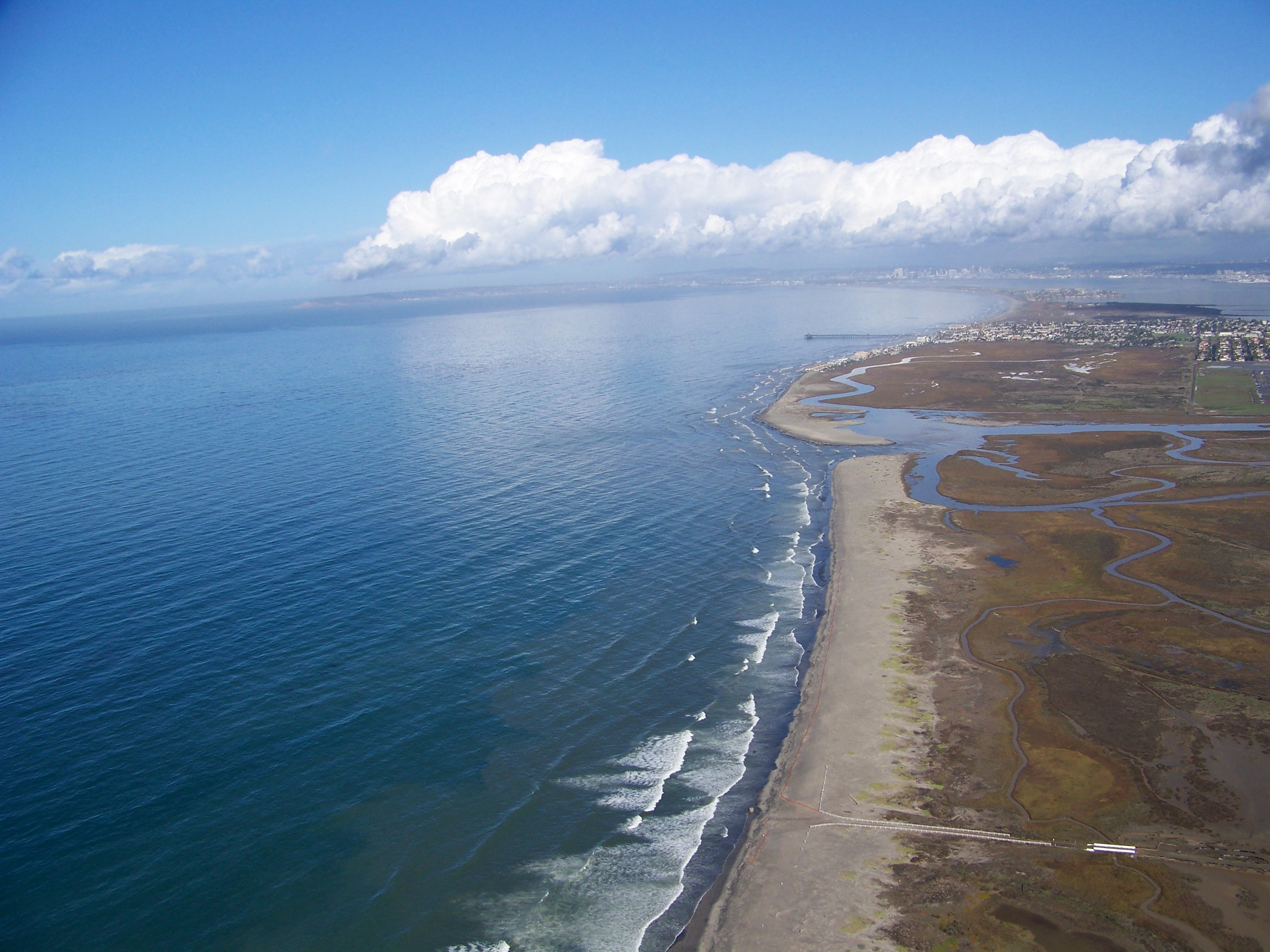
NASA's EMIT sensor on the International Space Station has detected signs of wastewater contamination off the California coast by identifying a pigment associated with cyanobacteria, demonstrating its potential to complement traditional water sampling methods and fill data gaps in pollution monitoring.
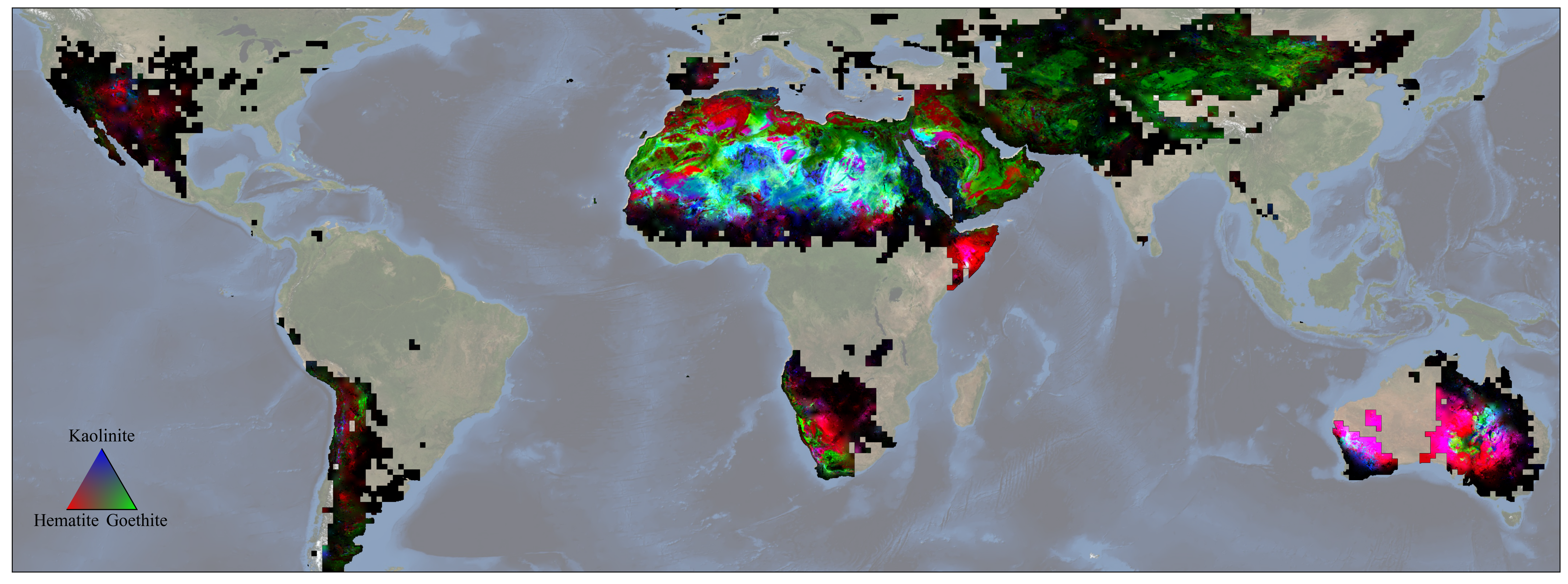
NASA's EMIT mission has produced the first global maps of surface minerals in arid regions, providing precise locations of 10 key minerals based on how they reflect and absorb light. These maps will help scientists model the role of fine particles in climate change and predict future climate impacts. EMIT, an imaging spectrometer, scans broad areas from the International Space Station, capturing detailed images of the Earth's surface. In addition to climate modeling, the mission's data can be used to study the impact of mineral dust on ecosystems and track the movement of nutrients across long distances. The mission also has the potential to discover new scientific insights and identify previously unknown substances on Earth's surface.