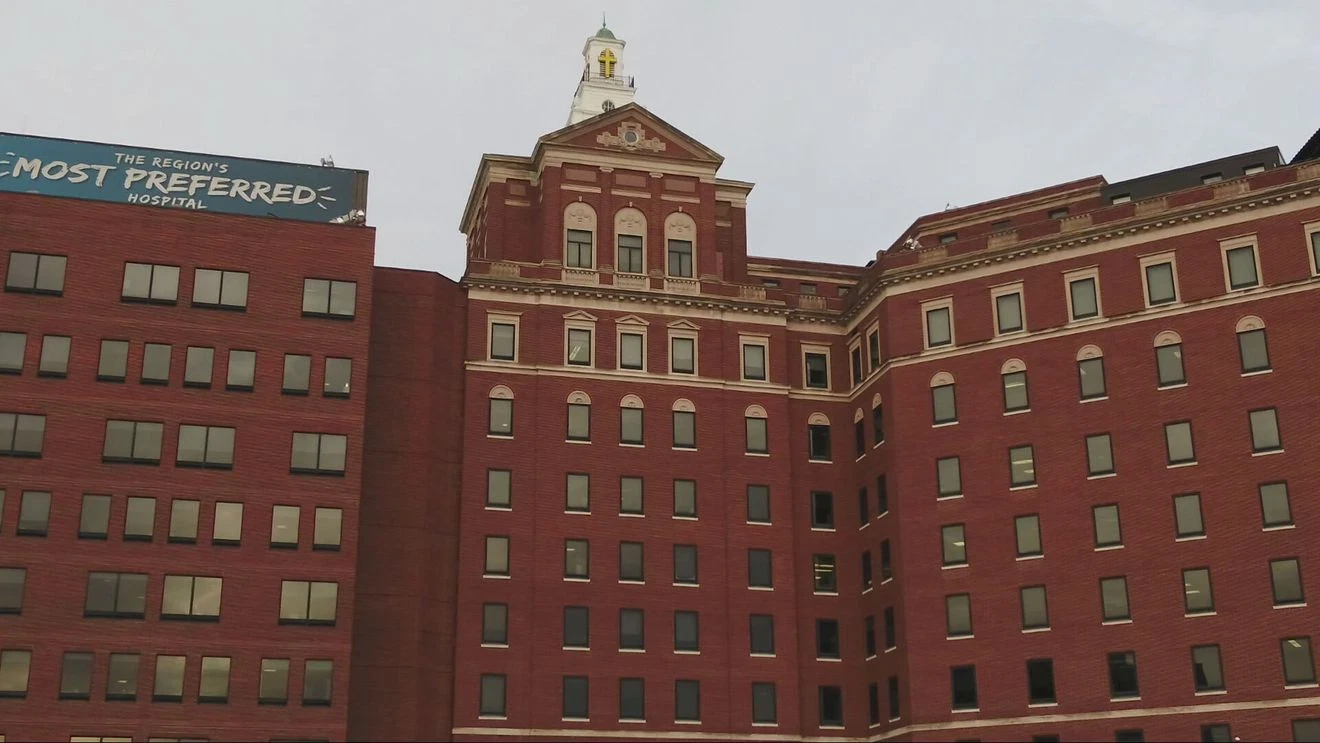
Christ Hospital in Cincinnati has identified six cases of Legionella pneumonia over the past three months, with three resulting in death. The hospital has responded by testing water systems and installing filters to prevent further cases.
Two patients have died at St. Joseph’s Medical Center in Paterson, New Jersey, after contracting Legionnaires' disease from the hospital's water system, which was found to contain Legionella bacteria. The hospital has taken extensive measures to disinfect the water system and is monitoring the situation, with no additional cases reported. The incident highlights ongoing risks of Legionella in healthcare settings, especially for vulnerable populations.
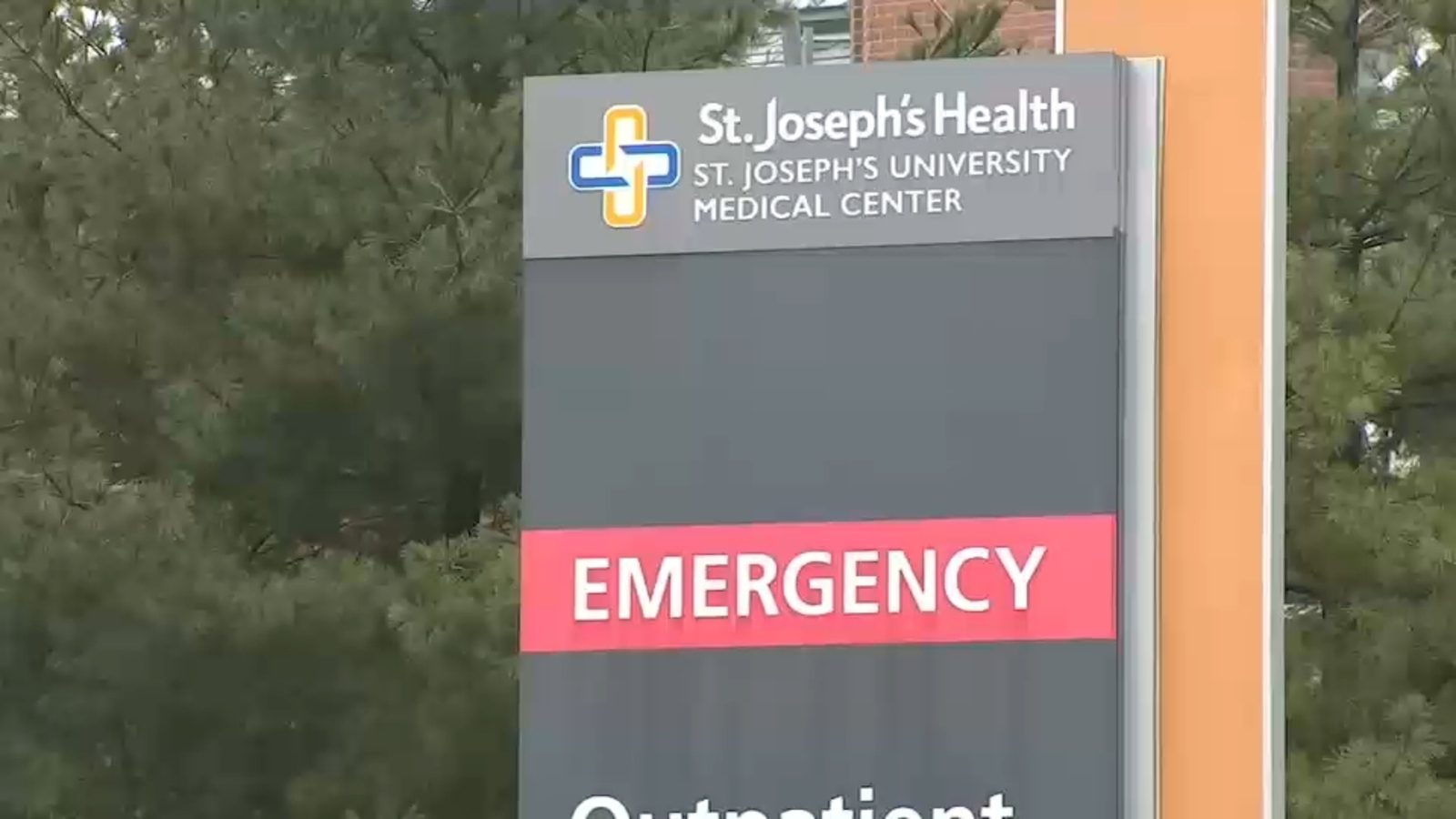
A second patient at St. Joseph's University Medical Center in Paterson, NJ, who tested positive for Legionella bacteria, has died. The hospital's water system was found to be contaminated with Legionella, prompting an investigation and water treatment. The incident has raised concerns about hospital water safety and Legionnaires' disease risks, especially for patients with underlying health conditions.
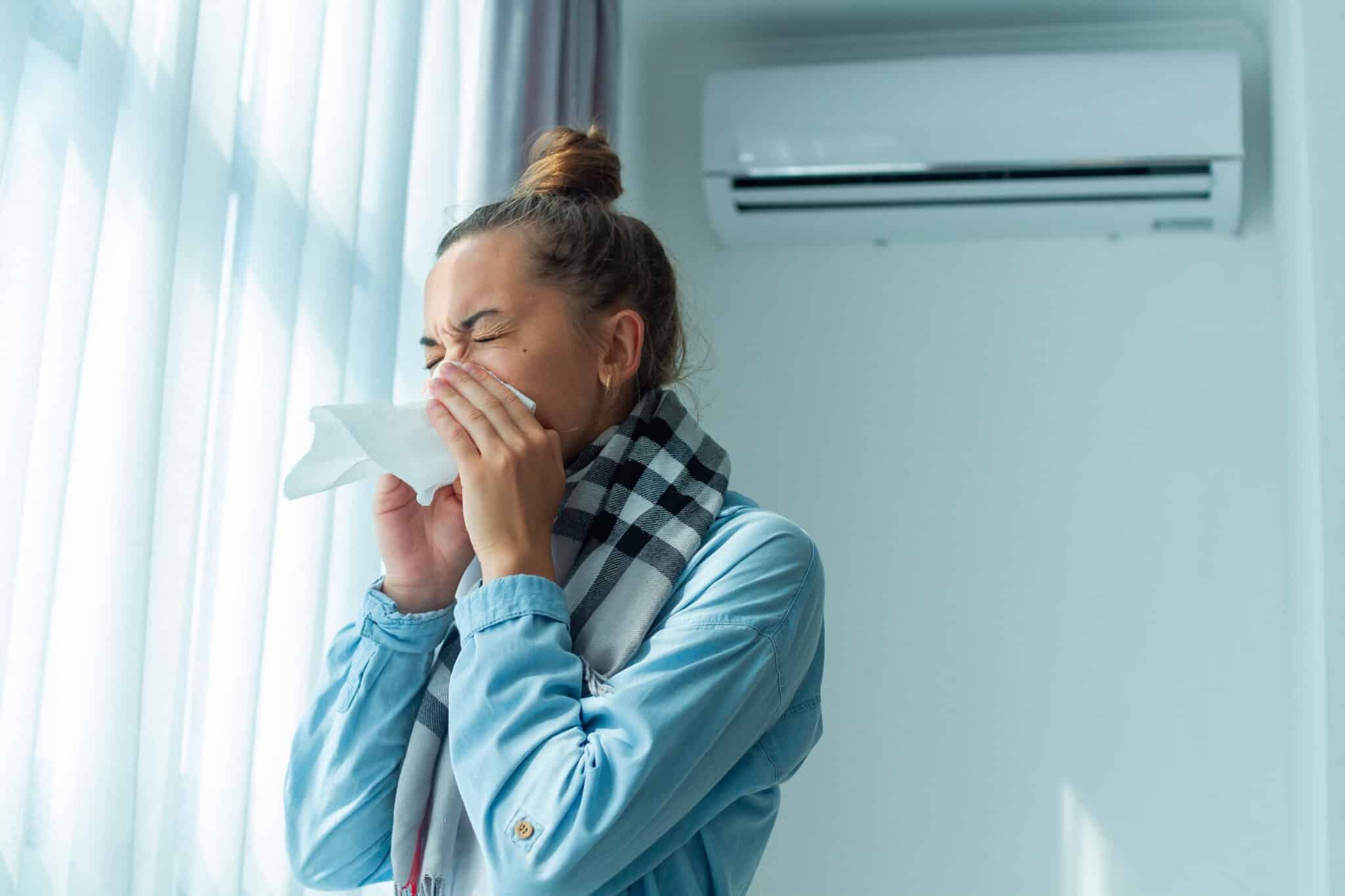
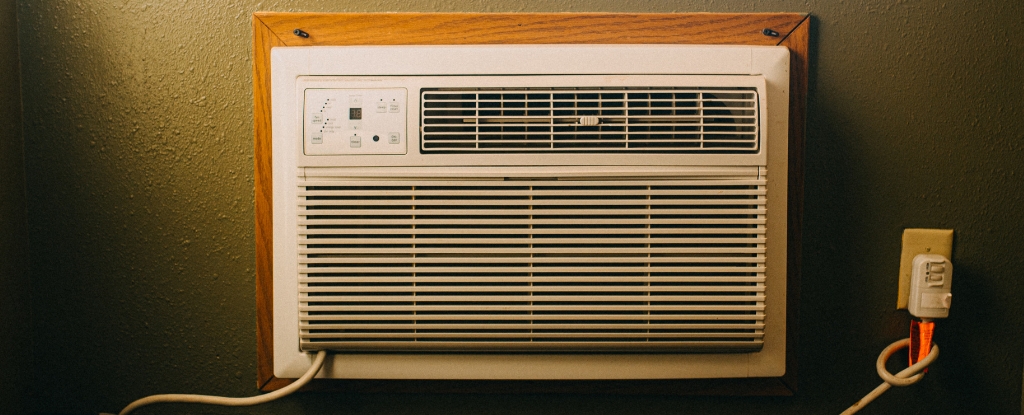
While air conditioning provides comfort, poorly maintained systems can harbor microbes, chemicals, and fungi, potentially causing respiratory issues, infections like Legionnaires' disease, and sick building syndrome, especially with prolonged exposure and inadequate maintenance.
Improperly maintained air conditioning systems can harbor bacteria, fungi, and viruses, leading to health issues like sick building syndrome, Legionnaires' disease, and fungal or viral infections. Regular cleaning and proper maintenance of AC units are essential to reduce these risks and prevent the spread of airborne infections, including COVID.
Poorly maintained or malfunctioning air conditioning systems can harbor microbes, release toxins, and contribute to sick building syndrome, which causes symptoms like headaches, respiratory issues, and fatigue. Proper maintenance and cleaning are essential to reduce health risks associated with AC use.
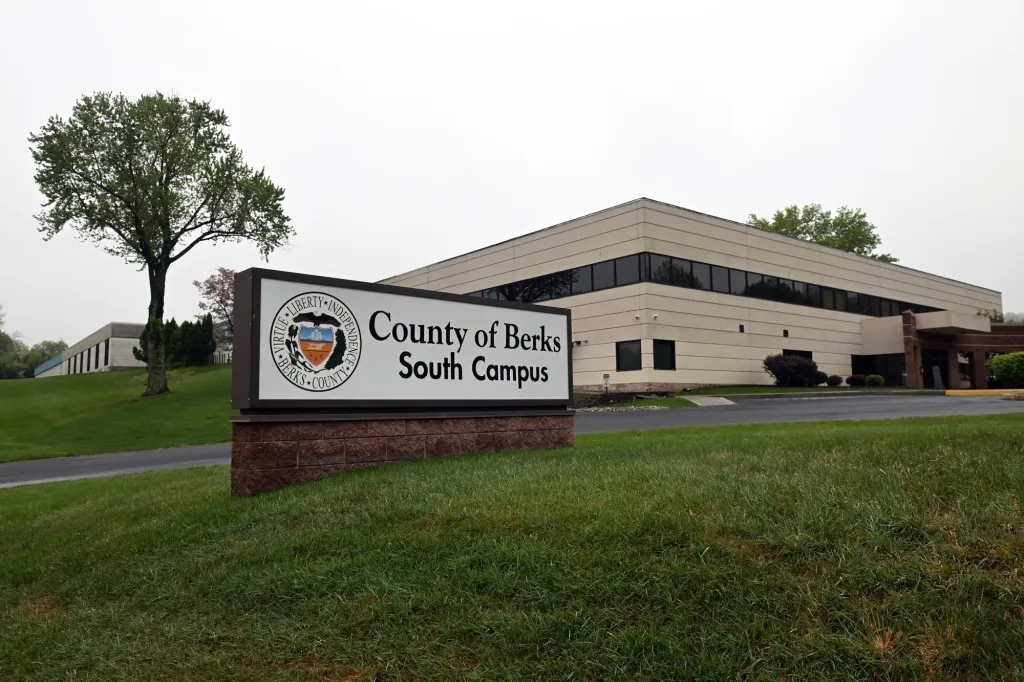
Berks County South Campus has closed temporarily after detecting legionella bacteria in its water system, prompting safety measures including water system chlorination and restricted access, while allowing occupancy with precautions due to the bacteria's potential to cause severe pneumonia and other symptoms.
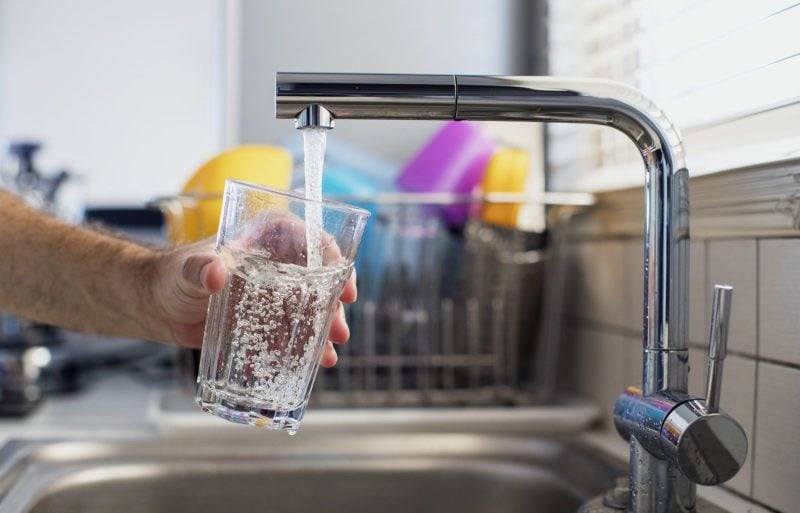
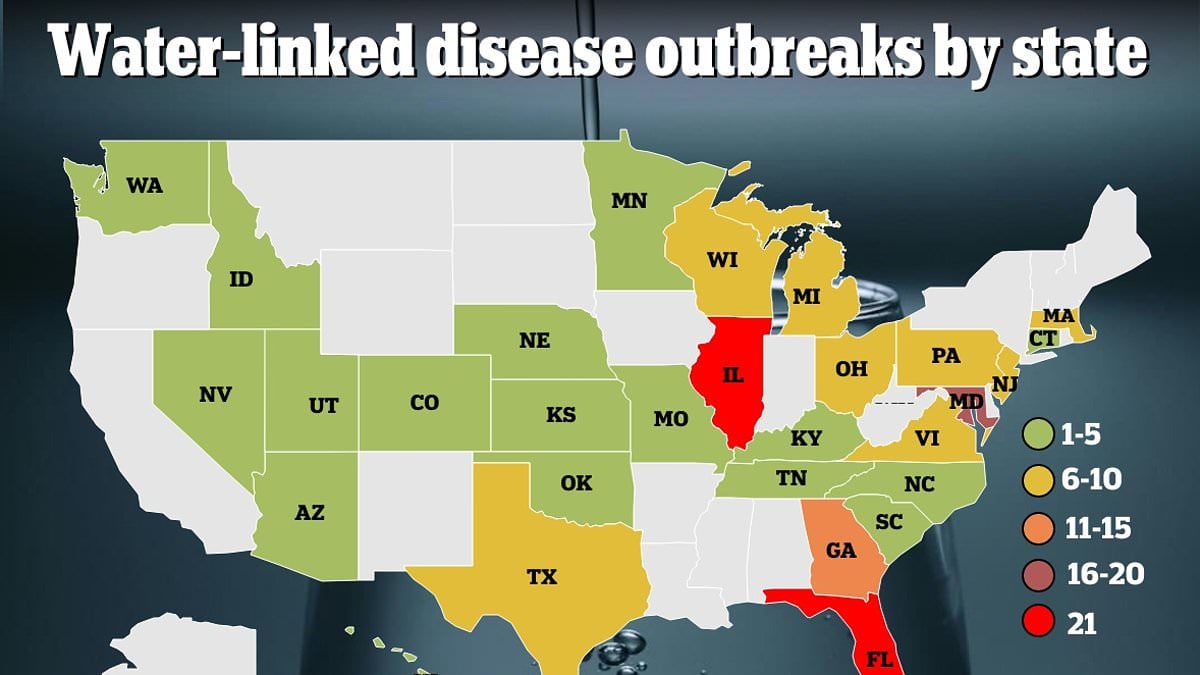
A recent CDC report highlights 214 intestine-related disease outbreaks associated with drinking water in the U.S. between 2015 and 2020, resulting in at least 2,140 cases of illness, 563 hospitalizations, and 88 deaths. Biofilms, particularly Legionella bacteria, were identified as common contributing factors. The report underscores the need for better water surveillance, prevention, and outbreak response programs. To ensure safer drinking water, the CDC recommends boiling water, using certified water filters, purchasing distilled or sterile water for specific uses, and regularly cleaning and maintaining water-related appliances.
A recent CDC report highlights 214 waterborne disease outbreaks associated with drinking water in the U.S. between 2015 and 2020, resulting in over 2,100 cases of illness, 563 hospitalizations, and 88 deaths. Biofilms, particularly Legionella bacteria, were identified as common contributors to these outbreaks, emphasizing the need for better water surveillance and prevention programs. The CDC recommends precautions such as boiling water, using water filters, and regularly cleaning water-related appliances to protect against waterborne germs at home.
Public health agencies in the U.S. voluntarily report waterborne disease outbreaks to CDC through the National Outbreak Reporting System (NORS). From 2015 to 2020, 214 drinking water-associated outbreaks were reported, resulting in at least 2,140 cases of illness, 563 hospitalizations, and 88 deaths. Legionella was the leading cause of outbreaks, hospitalizations, and deaths, particularly in community and noncommunity water systems, health care facilities, and private residences. Biofilm-associated pathogens, including Legionella and nontuberculous mycobacteria, emerged as predominant causes of hospitalizations and deaths from waterborne and drinking water-related diseases. Public health surveillance and prevention programs are crucial in reducing the risk of waterborne diseases.
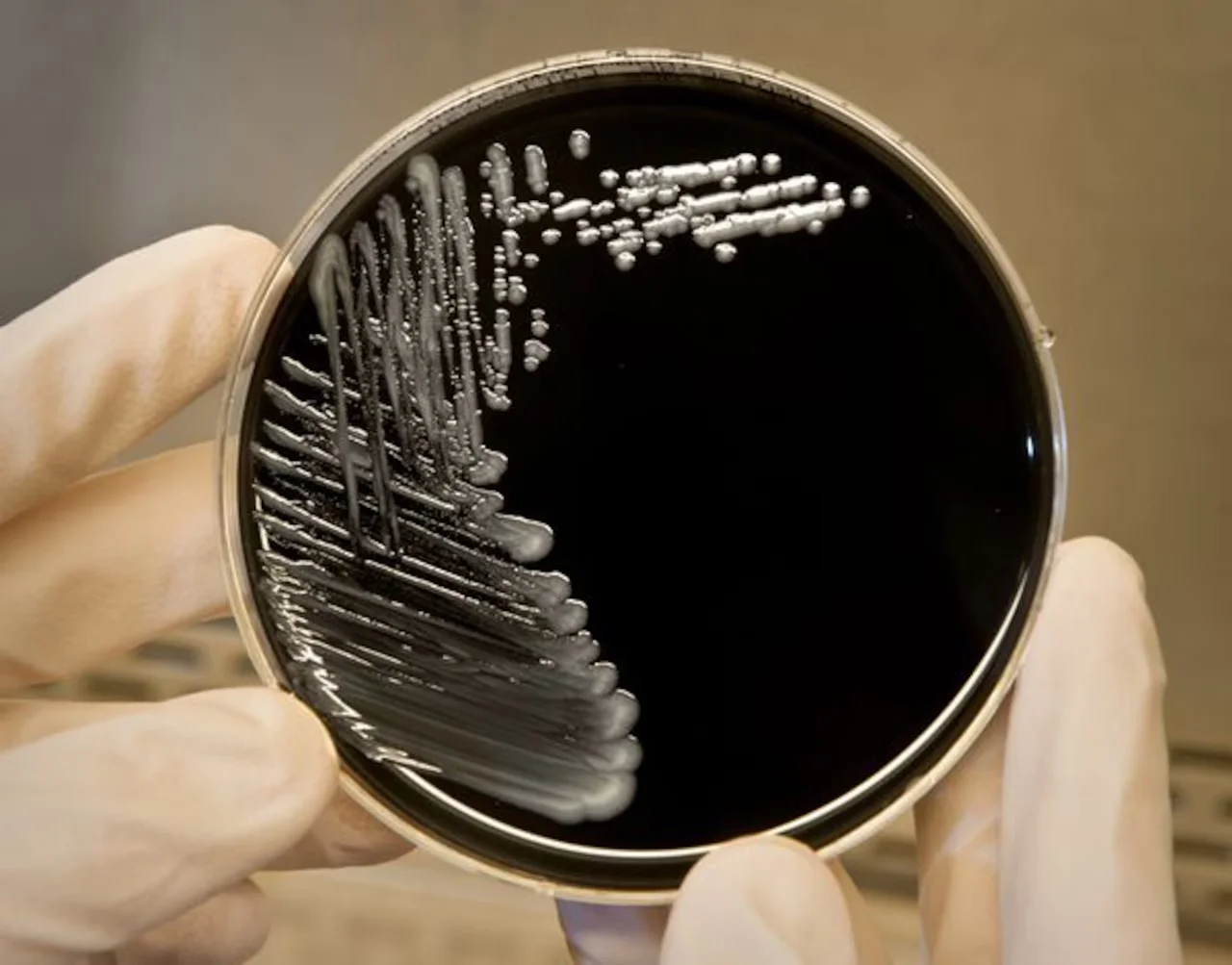
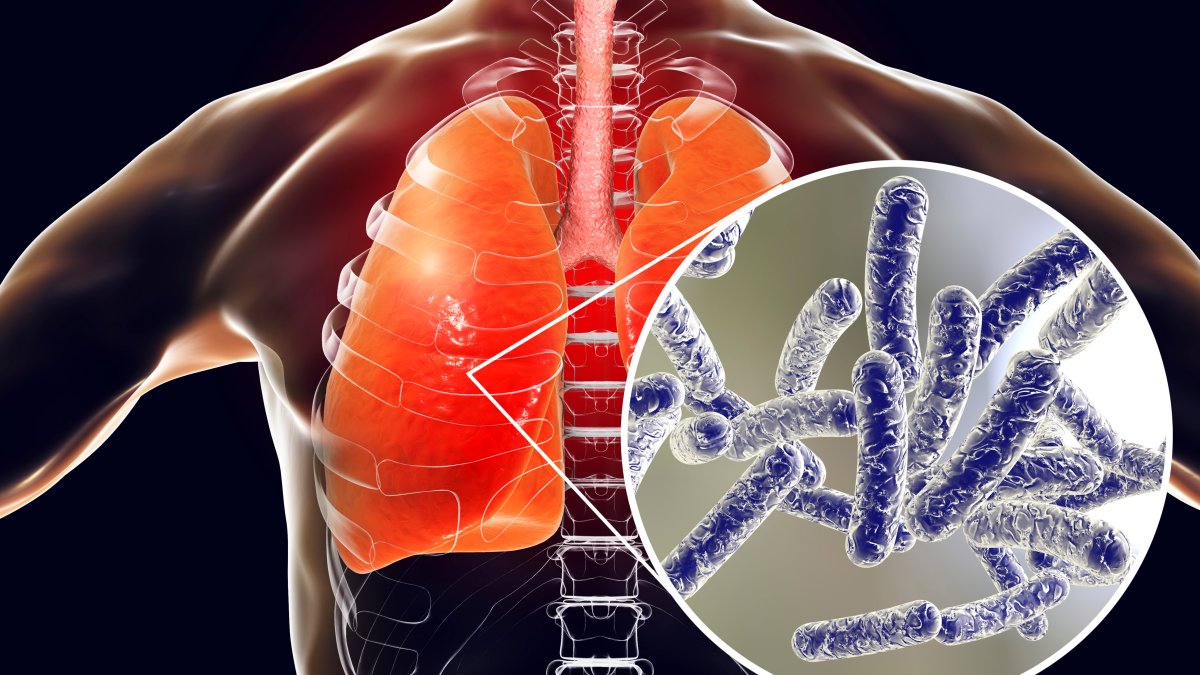
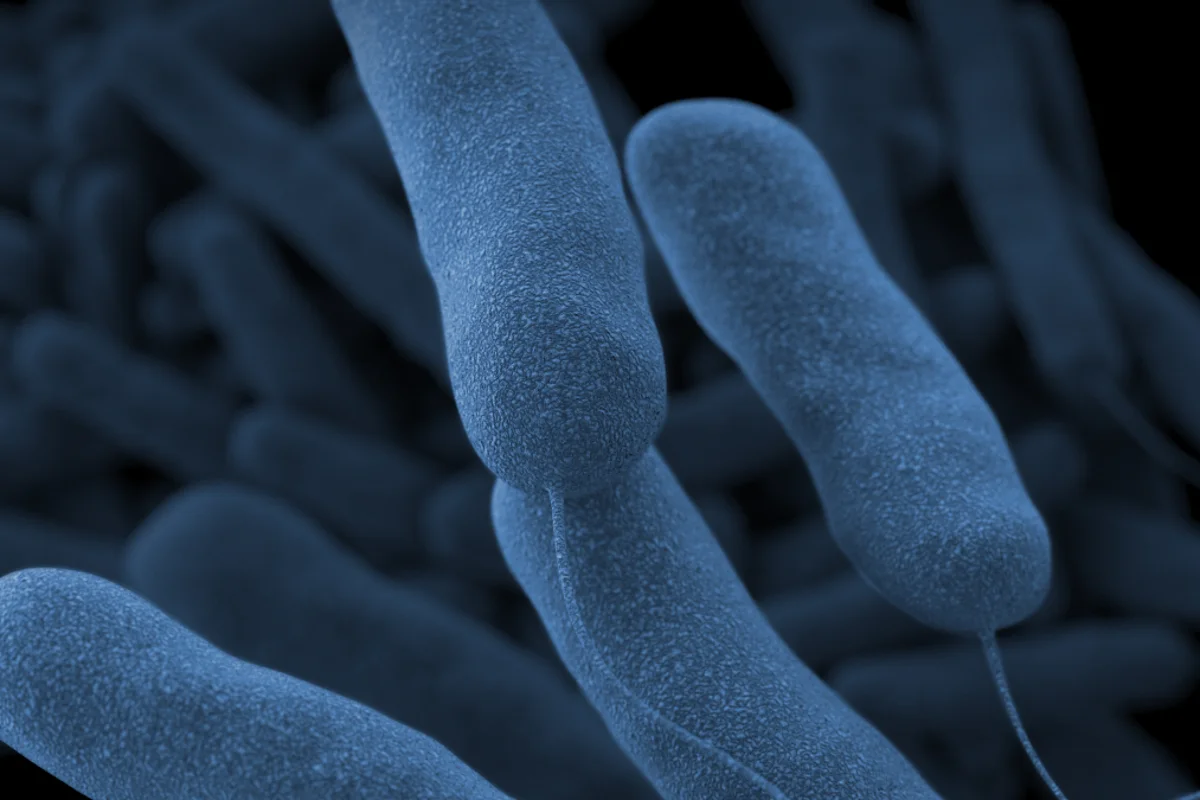
A new CDC report warns of a deadly waterborne disease problem in the US, with Legionella bacteria causing 184 outbreaks from 2015 to 2020, resulting in 786 illnesses, 544 hospitalizations, and 86 deaths. Most outbreaks were linked to public water systems, and Legionella-associated outbreaks continued to increase, particularly in community and noncommunity water systems. The bacteria spreads through contaminated aerosols from water systems, causing potentially fatal pneumonia or less serious illness. The report highlights the need for improved detection and prevention measures, as well as the importance of early antibiotic treatment for survival.
A hot tub at the Mountain View Grand Resort and Spa in New Hampshire is believed to be the source of Legionella exposure for two out-of-state guests, resulting in one death and one hospitalization. The hot tub remains closed, and initial tests of the resort's water system did not find Legionella. The resort has eliminated the hot tub and is working with health officials to ensure guest safety. Legionnaires' disease is caused by Legionella bacteria and spreads through inhaling contaminated water droplets.
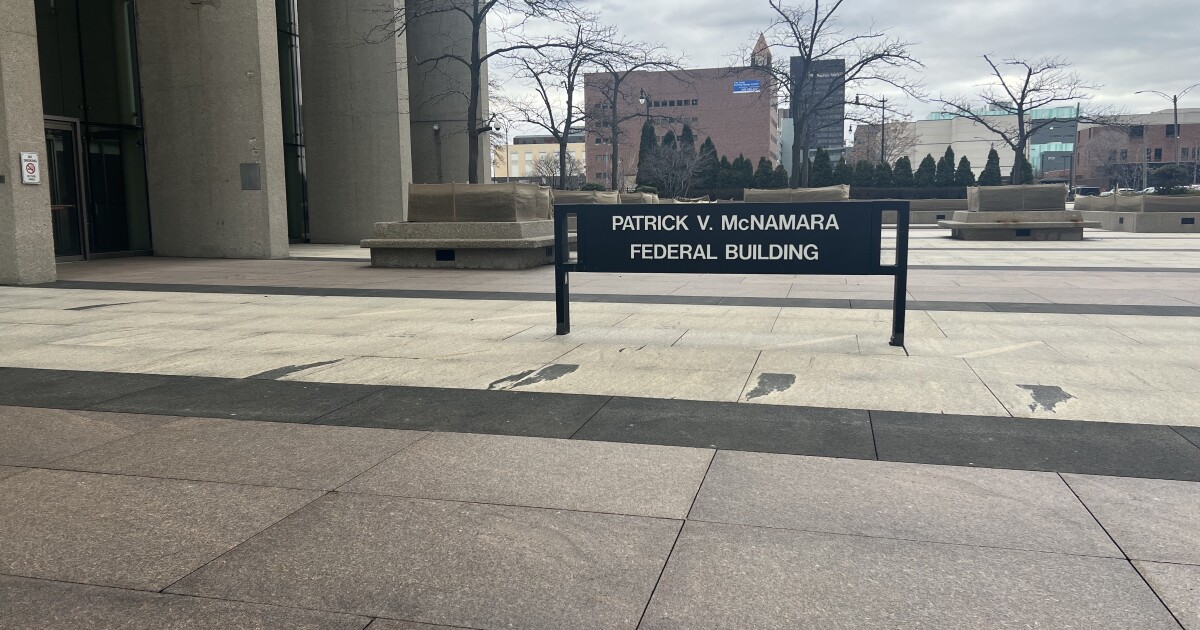
Portions of the Patrick McNamara Federal building in downtown Detroit have been closed after elevated levels of Legionella, copper, and lead were found. Legionella was first detected in August in a cooling tower on the building's roof, and subsequent testing revealed the presence of the bacteria at multiple sites within the building. The affected areas have been closed off, and additional flushing and chlorine testing are being conducted. Legionella can cause Pontiac Fever or Legionnaire's disease, a serious type of pneumonia. The union president for the National Labor Relations Board has expressed concern for the safety of employees and visitors.
Fort Smith, Arkansas, has a confirmed case of legionella bacteria, which can cause Legionnaire's disease, a serious type of pneumonia. The Arkansas Department of Health is working with the facility to address the issue. Legionella can be contracted by breathing in small droplets or accidentally swallowing water.
Two lung transplant recipients developed Legionnaires' disease after receiving organs from a man who died after falling into a river in Pennsylvania. The female patient recovered after treatment, while the male patient died due to respiratory failure. The source of the Legionella bacteria is believed to be the drowned organ donor, highlighting the need for increased awareness of potential infections in organ recipients. The CDC warns that cases of Legionnaires' disease have been increasing, and healthcare providers should be vigilant in diagnosing and treating the infection promptly.