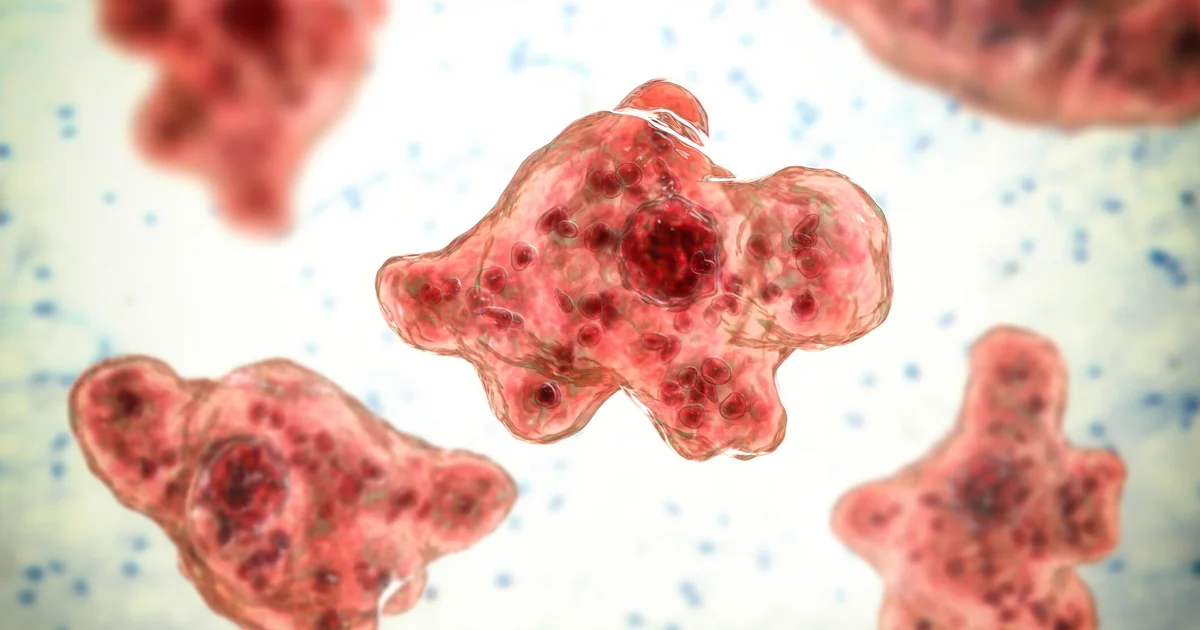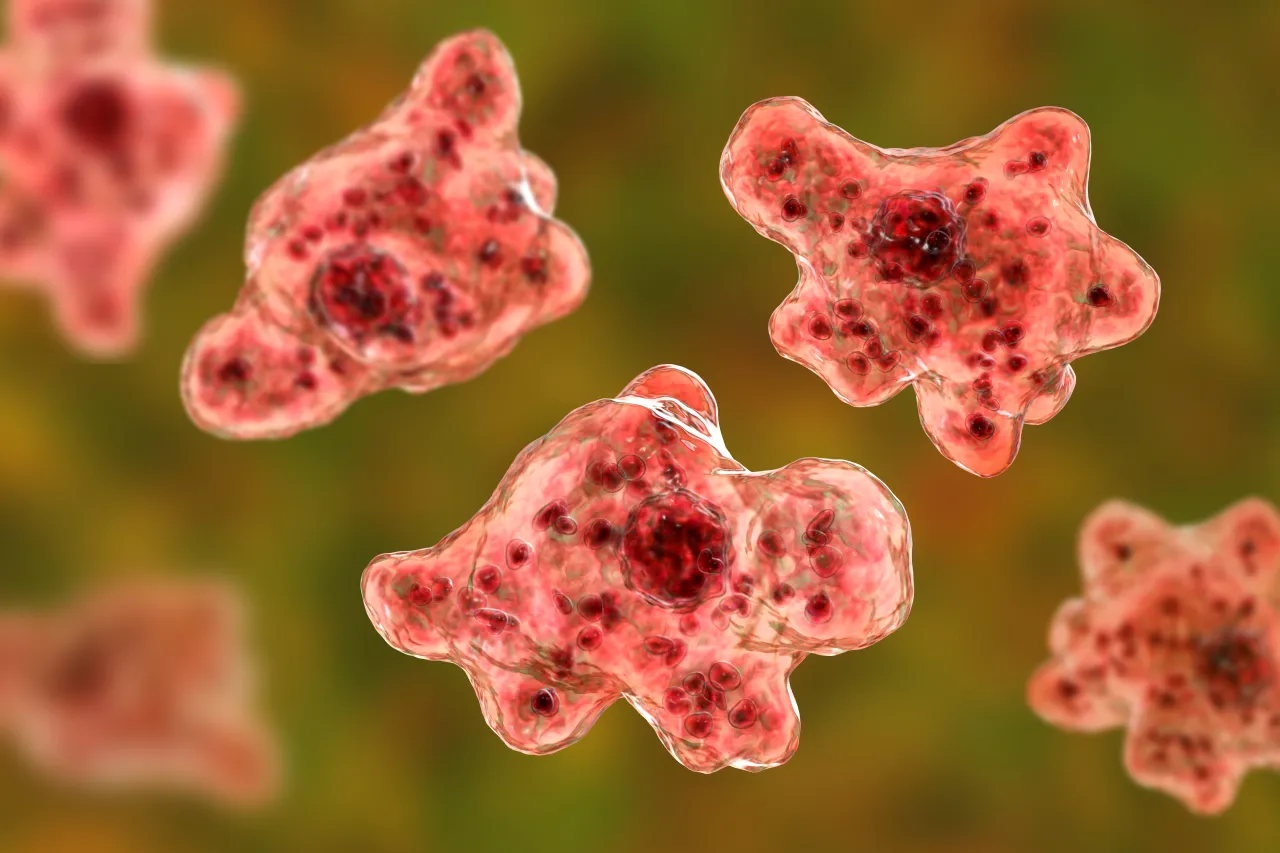
Kerala, India, is experiencing an increase in cases of the rare and deadly brain-eating amoeba, Naegleria fowleri, with improved detection and early treatment reducing fatalities. The state's reliance on groundwater and natural water bodies, combined with climate change, heightens the risk of infection, prompting public health measures focused on awareness, water safety, and early diagnosis to combat the disease.
A Missouri resident died after contracting the rare and usually fatal brain-eating amoeba Naegleria fowleri while water skiing in Lake of the Ozarks, following recent cases in the US including a child in South Carolina and a woman in Texas, highlighting the dangers of warm freshwater exposure.
A Missouri resident infected with the rare and deadly brain-eating amoeba Naegleria fowleri, possibly from Lake of the Ozarks, is in ICU; the infection is extremely rare and linked to warm freshwater exposure, with precautions recommended for water activities.
A person in Missouri has been hospitalized with a confirmed Naegleria fowleri infection, possibly linked to water skiing in Lake of the Ozarks, highlighting the rare but serious risk of freshwater amoeba infections from recreational water activities.
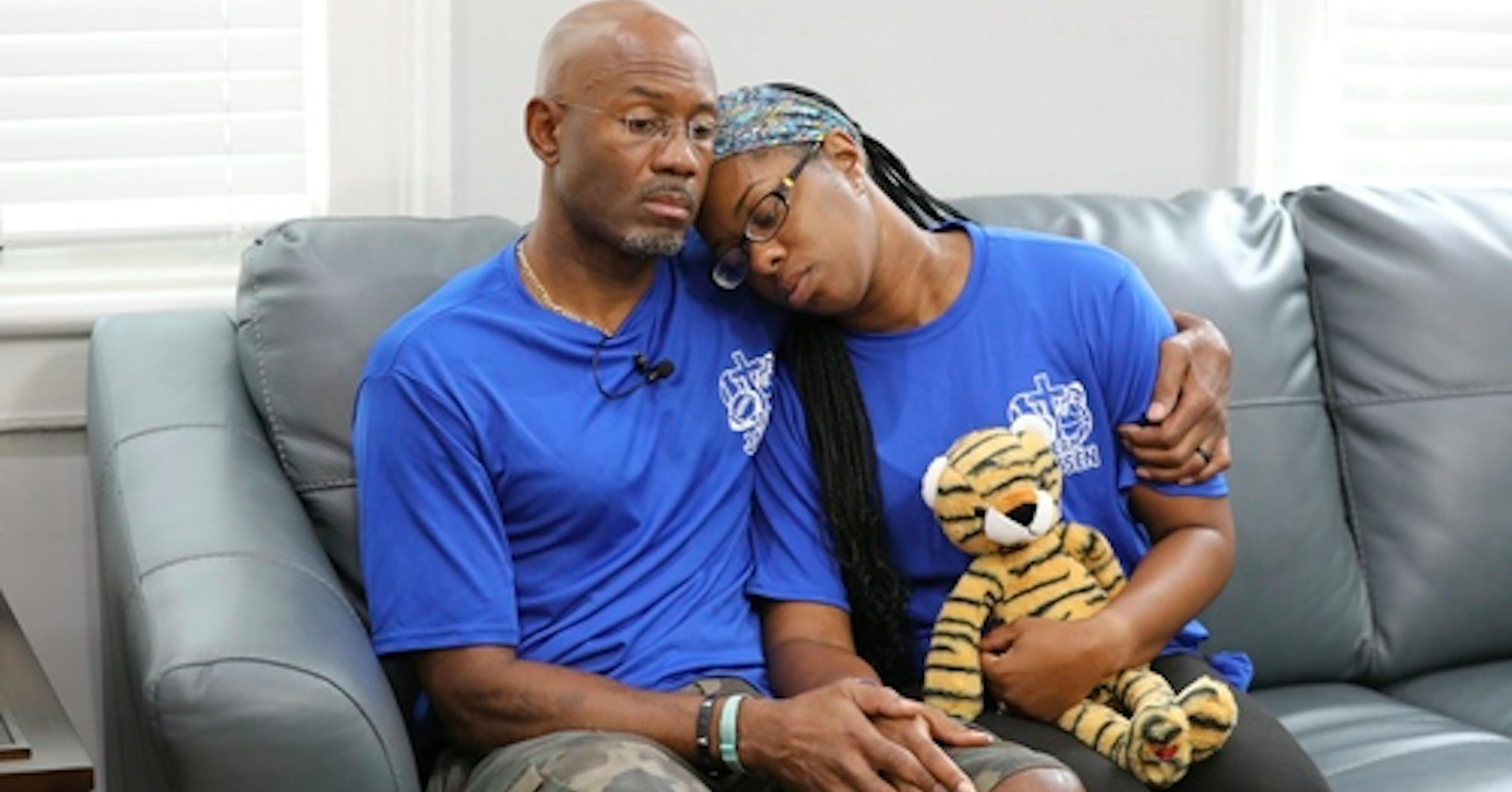
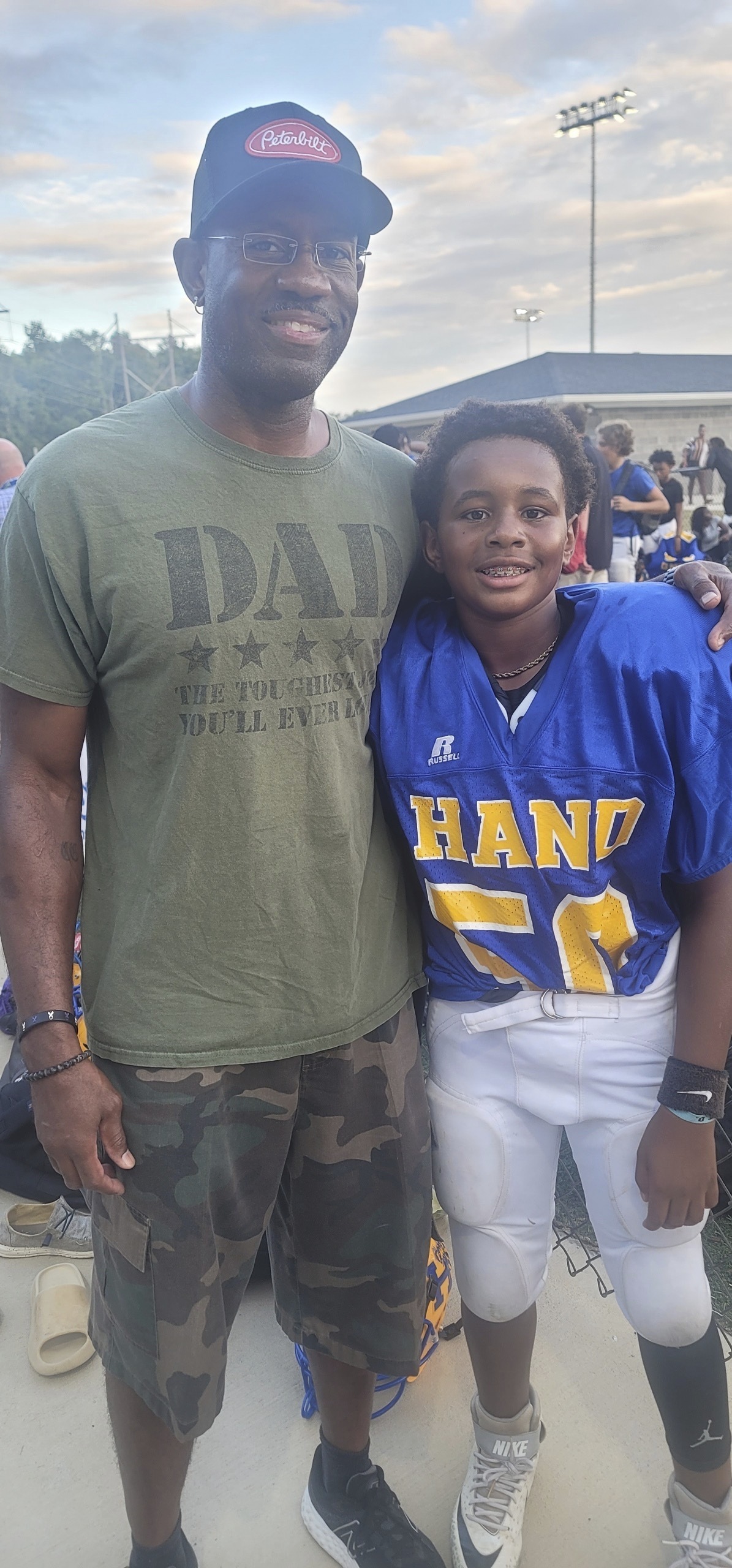
Parents are calling for increased warnings after their 12-year-old son, Jaysen Carr, died from a brain-eating amoeba contracted while swimming in Lake Murray, South Carolina. The amoeba, which thrives in warm water, entered his brain through his nose, leading to a nearly always fatal infection. The incident highlights the lack of public reporting and water testing in the area, raising concerns about awareness and safety measures for recreational water activities.
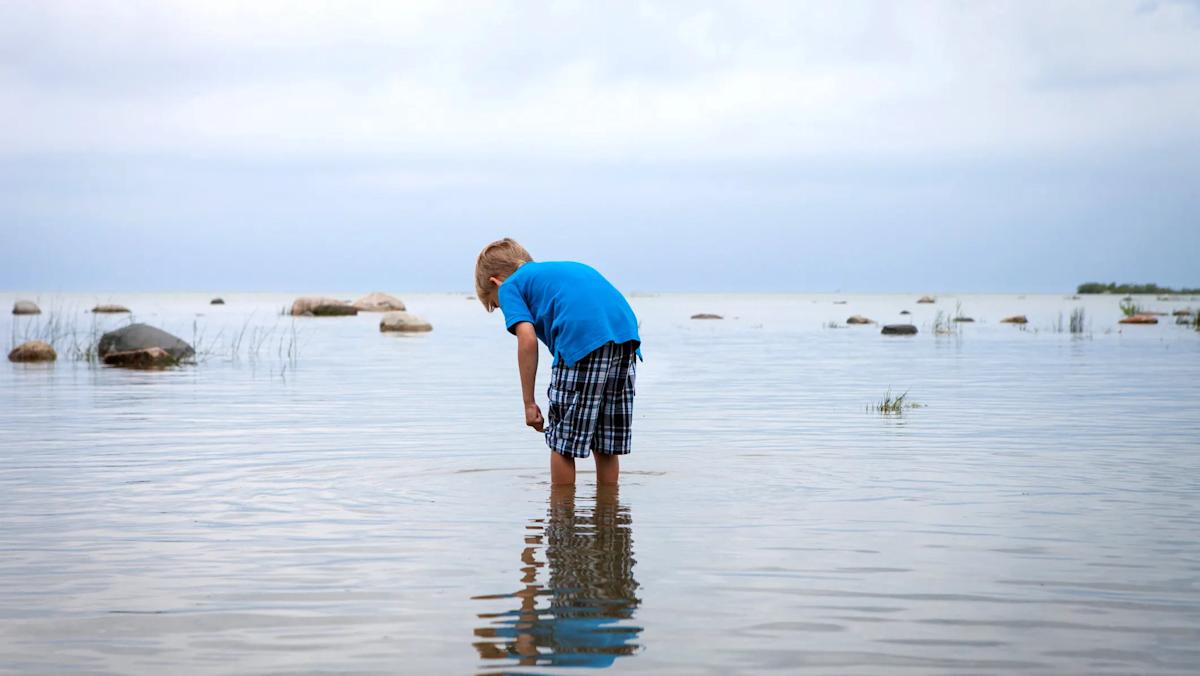
A 12-year-old boy died from a brain-eating amoeba after swimming in Lake Murray, highlighting the dangers of warm freshwater lakes where Naegleria fowleri can cause fatal brain infections. The amoeba enters through the nose, with symptoms starting as headaches and nausea, and almost always resulting in death. Precautions include avoiding submerging the head in warm water, using nose clips, and ensuring water safety measures, as infections are rare but deadly.
A 12-year-old boy from South Carolina died after contracting a deadly brain-eating amoeba, Naegleria fowleri, from Lake Murray during a holiday swim, highlighting the lack of public health warnings and testing in the area. The incident raises concerns about water safety and the need for better awareness and regulation to prevent similar tragedies.
A 12-year-old boy in South Carolina died after contracting the deadly brain-eating amoeba Naegleria fowleri while swimming in Lake Murray, highlighting the rare but fatal risk of warm freshwater exposure, especially during hot weather.
A 12-year-old boy in South Carolina died after contracting Naegleria fowleri, a rare and deadly brain-eating amoeba found in warm freshwater like lakes. The infection progresses rapidly and is nearly always fatal, with symptoms including headache, fever, and hallucinations. Prevention measures include avoiding submerging the head in warm freshwater and using distilled or boiled water for nasal rinses.
A pediatric death in South Carolina has been linked to Naegleria fowleri, a rare and deadly amoeba found in warm freshwater lakes like Lake Murray, with infection risk heightened by water entering the nose during activities like swimming. The infection, primary amebic meningoencephalitis, is extremely rare but often fatal, with symptoms appearing within days of exposure. Preventative measures include avoiding submerging the head in warm freshwater and using nose clips. Despite the high fatality rate, cases are very uncommon, and the infection does not spread person-to-person.
A 12-year-old boy from South Carolina, Jaysen Carr, died after contracting the deadly brain-eating amoeba Naegleria fowleri, likely from swimming in Lake Murray, highlighting the rare but fatal risks associated with warm freshwater bodies.
A 12-year-old boy from Columbia, South Carolina, died after contracting a rare brain-eating amoeba, Naegleria fowleri, from swimming in Lake Murray. The infection is extremely rare and usually fatal, with only four survivors out of 167 cases in the US since 1962. Authorities emphasize the low risk to the public and recommend precautions like nose clips when swimming in freshwater.
A child has died after contracting Naegleria fowleri, a brain-eating amoeba, prompting health officials to investigate and issue warnings about the dangers of this rare but deadly infection.
A patient in a South Carolina children's hospital has died from primary amebic meningoencephalitis caused by the brain-eating amoeba Naegleria fowleri, likely contracted from Lake Murray, marking the first case in the state since 2016. The infection is highly fatal, occurring when contaminated water enters the brain through the nose during recreational water activities. Health officials advise precautions like nose clips to reduce risk.
A rare case of brain-eating amoeba infection has been confirmed in South Carolina, caused by Naegleria fowleri, which is found in warm freshwater and can infect the brain through the nose, though such infections are extremely rare and usually fatal. Officials advise caution during water activities to reduce risk.