The Federal Reserve proposed easing the enhanced supplementary leverage ratio for large banks, reducing capital requirements to allow banks to hold more low-risk assets like Treasurys, aiming to improve market stability but facing opposition from some officials concerned about safety and risk management.
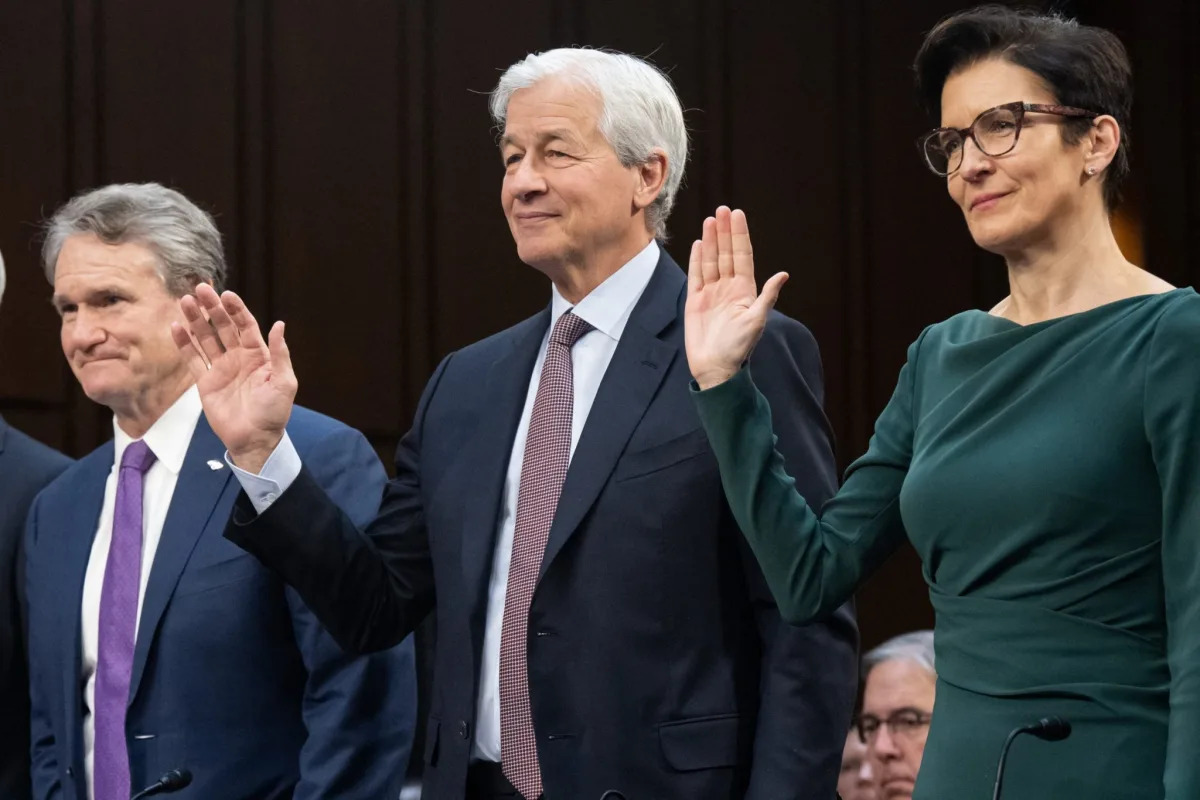
Senator Robert Menendez, who is facing bribery charges, questioned Wall Street bank CEOs about the amount of money their firms had to pay back to consumers for violating federal laws. The CEOs, including Jamie Dimon of JPMorgan Chase, Brian Moynihan of Bank of America, Jane Fraser of Citigroup, and Charles Scharff of Wells Fargo, were unable to provide the exact figures. However, the numbers are significant, with JPMorgan Chase paying $360 million, Bank of America paying $819 million, Citigroup paying $1 billion, and Wells Fargo paying over $2 billion. Menendez highlighted these amounts to argue that financial regulations do benefit everyday customers. The senator also criticized the banks for charging overdraft fees, which disproportionately affect Black and Hispanic customers. Citigroup was commended for eliminating such fees, while the other banks have made some steps to ease them but haven't eliminated them entirely.
Senator Robert Menendez, who is facing bribery charges, questioned Wall Street bank CEOs about the amount of money their firms had to pay back to consumers for violating federal laws. The CEOs, including Jamie Dimon of JPMorgan Chase, Brian Moynihan of Bank of America, Jane Fraser of Citigroup, and Charles Scharff of Wells Fargo, were unable to provide the figures. However, the numbers are significant, with JPMorgan Chase paying $360 million, Bank of America paying $819 million, Citigroup paying $1 billion, and Wells Fargo paying over $2 billion. Menendez highlighted that these payments demonstrate the benefits of financial regulations for everyday customers. The senator also criticized the banks for their overdraft fees, which disproportionately affect Black and Hispanic communities. Citigroup was commended for eliminating such fees, while other banks have made partial changes.
Wall Street banks reported a 2% drop in investment banking fees in the third quarter, dispelling hopes of a surge in dealmaking profits. Morgan Stanley experienced the biggest drop with a 27% fall in investment-banking revenue, leading to a nearly 7% decline in its stock. While Citigroup and Bank of America reported year-over-year gains, even they expressed caution and uncertainty about the future. The banks are now predicting that sustained gains in deal activity may not materialize until 2024. They are waiting for the Federal Reserve to signal the end of interest rate hikes before confidence returns for their corporate customers.
Republican Senator J.D. Vance is aligning with Democrats to challenge big banks and promote legislation that protects smaller banks. Vance, known for his populist stance, is working on bipartisan proposals that penalize bank executives for failures, restrict bank acquisitions, and rein in credit card fees. He has gained support from fellow Republicans, causing concern for big bank lobbyists. Vance's approach reflects a broader shift within the GOP, challenging the party's pro-business ideology. His efforts were fueled by the collapse of Silicon Valley Bank, which drew attention to banking industry mismanagement. Vance's collaboration with Senator Elizabeth Warren has resulted in significant progress on executive compensation legislation. He is also supporting a bill to lower credit card swipe fees, despite opposition from the banking industry.
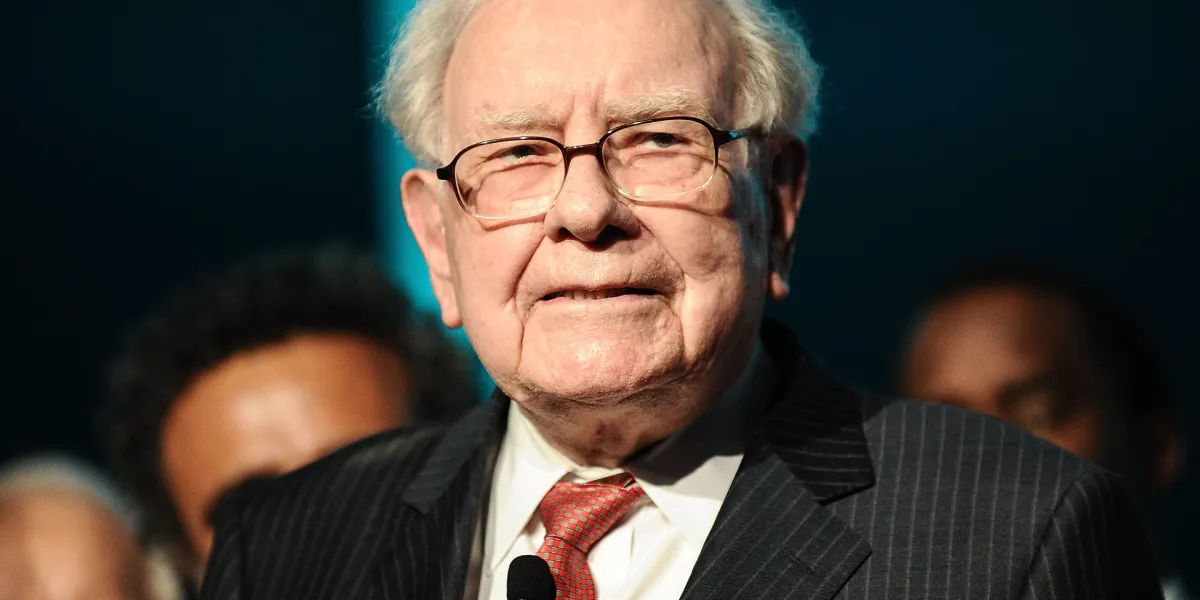
Japan's stock market is gaining favor among investors, including Warren Buffett, as the US and China face economic headwinds. The Topix Index has reached its highest level since 1990, boosted by the return of inflation, improving shareholder returns, and corporate reforms. Overseas funds have increased their holdings of Japan stocks, with the market value surging about $518bn since a Jan. 5 low. Despite technical indicators showing indexes are in overbought territory, many investors see further upside potential due to resilient earnings, modest valuations, and supportive monetary policy.
Bed Bath & Beyond has warned that it may go bankrupt if its $300 million equity offering fails. The retailer filed to sell new shares to stay afloat and repay creditors after a hedge-fund rescue effort faltered and as day traders flee. The latest deal arranged by B. Riley Securities, known as an at-the-market offering, has the advantage of raising funds faster than the agreement with Hudson Bay. However, the retailer also faces mounting operational challenges that make an eventual bankruptcy filing likely, according to analysts, investors and some of the retailer’s suppliers.
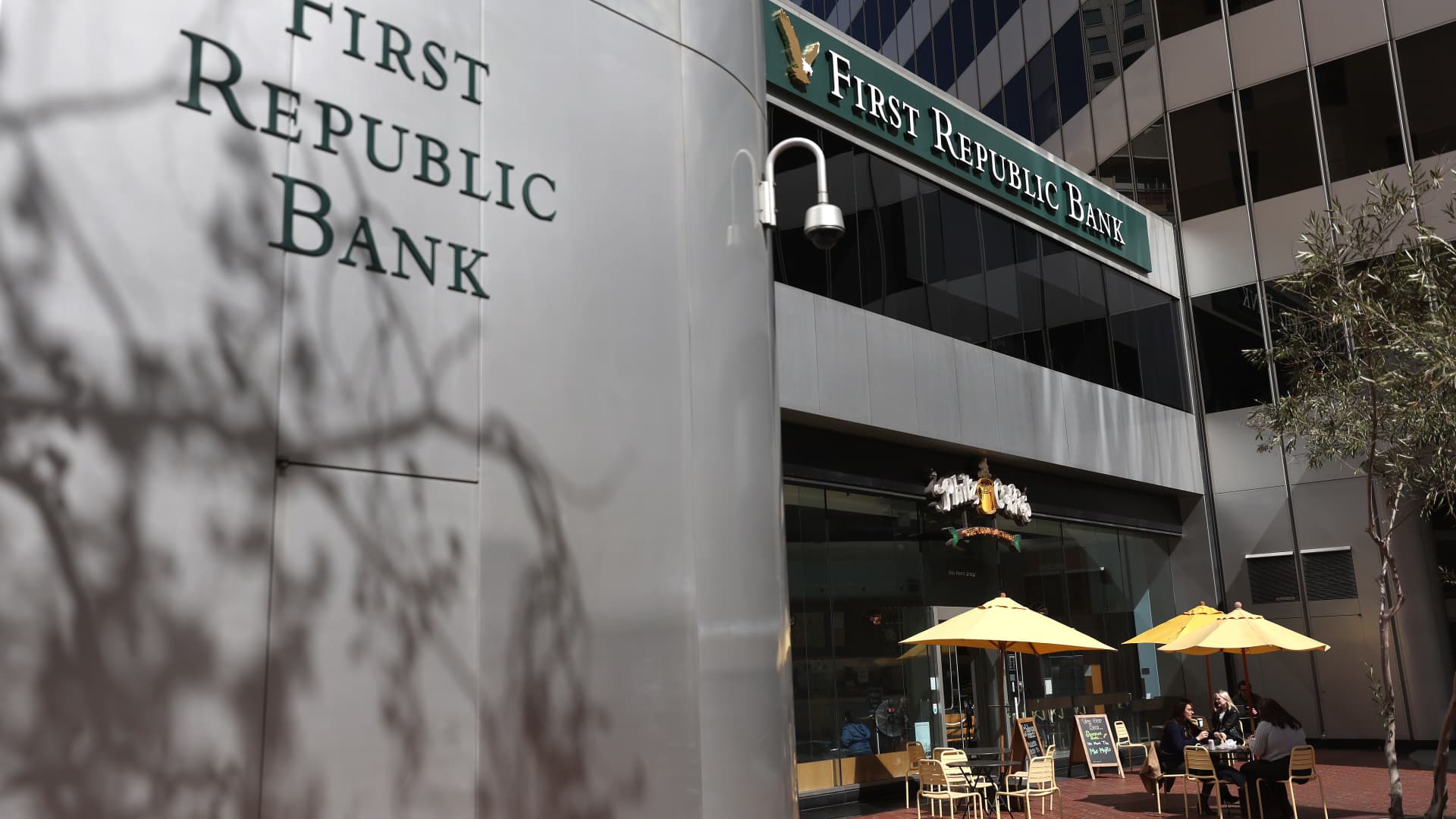
Asia-Pacific markets rose after major Wall Street banks pledged a deposit of $30 billion in First Republic Bank to bolster confidence in the banking system. Tech stocks led gains in the region, with Baidu surging over 10% after launching its Chinese-language ChatGPT alternative. Meanwhile, Indonesia's central bank kept interest rates unchanged at 6.5%, and Singapore's non-oil domestic exports continued to fall. The European Central Bank hiked interest rates by 50 basis points despite ongoing volatility in the banking sector, and Goldman Sachs warned that banking industry tumult is increasing the chances of a recession.