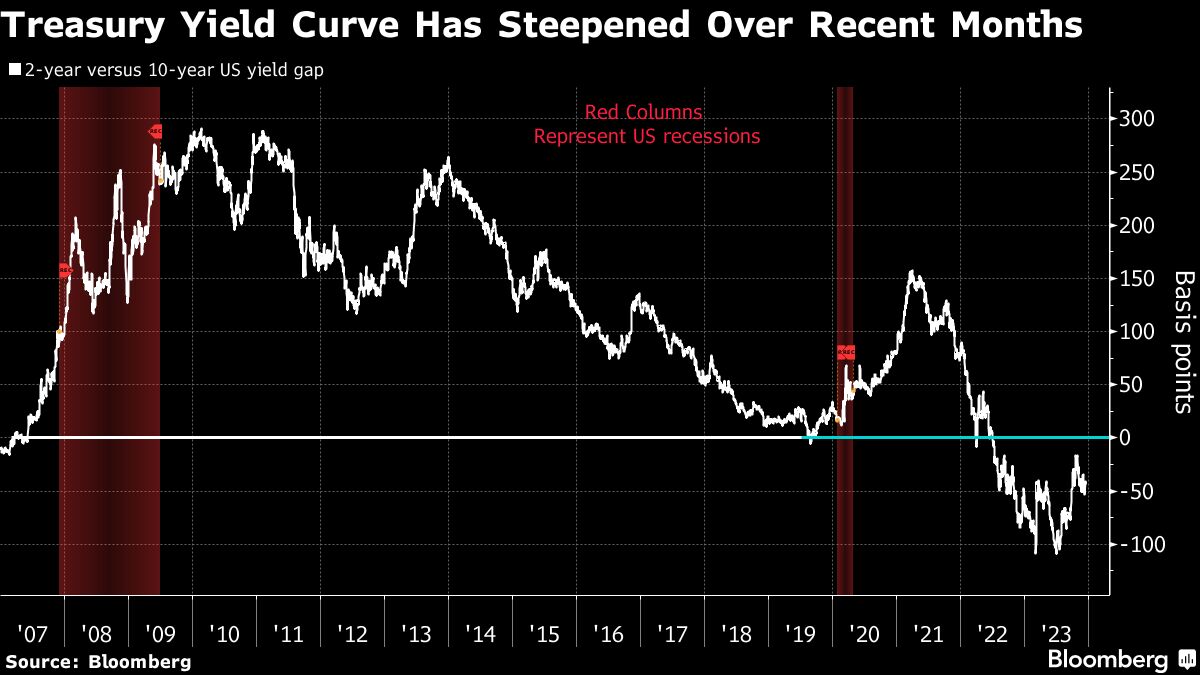
Bond fund managers on Wall Street are focusing on middle-maturity Treasuries, especially around 5 years, as they believe this strategy will perform well regardless of the Federal Reserve's uncertain path of interest rate cuts, which are influenced by mixed economic signals and inflation concerns.
The Federal Reserve proposed relaxing key capital rules for large banks, aiming to enhance their ability to hold Treasuries and support the US Treasury market, though the move faces opposition from some regulators and politicians concerned about financial stability.
The Federal Reserve proposed easing the enhanced supplementary leverage ratio for large banks, reducing capital requirements to allow banks to hold more low-risk assets like Treasurys, aiming to improve market stability but facing opposition from some officials concerned about safety and risk management.
U.S. regulators, including the Federal Reserve, are considering easing leverage requirements for large banks, but are unlikely to exclude U.S. government bonds from leverage calculations, leading to a lukewarm market response and disappointment among investors expecting more significant relief measures.
US bank regulators plan to reduce the capital buffer requirement for the largest banks by up to 1.5 percentage points to ease trading constraints in the Treasuries market, with proposals to adjust the enhanced supplementary leverage ratio and potentially exclude Treasuries from calculations, aiming to bolster market liquidity.
The US is considering reforming the Supplementary Leverage Ratio (SLR), a controversial banking regulation designed to bolster financial stability. While relaxing the SLR could boost lending capacity and market liquidity, experts warn that the impact may be limited and the process lengthy due to regulatory and political hurdles. The reform aims to encourage banks to hold more government debt and improve market functioning, but its actual effects remain uncertain.
US bank regulators plan to reduce the enhanced supplementary leverage ratio (eSLR) for large banks by up to 1.5 percentage points to ease constraints on Treasury trading, aiming to bolster market liquidity and stability, with the proposal still open for public comment and potential adjustments.
The Trump administration is preparing to relax regulations on large banks, particularly by easing capital cushion requirements, to boost economic growth and support the Treasury market, marking a shift from Biden-era policies and facing criticism from opponents concerned about financial stability.
Rising bond yields, driven by increased government debt and fiscal policy concerns, are raising borrowing costs for consumers on mortgages and car loans, while also presenting opportunities for savers due to higher fixed-income returns. The situation is influenced by political decisions, inflation, and Federal Reserve policies, creating a complex environment for both borrowers and investors.
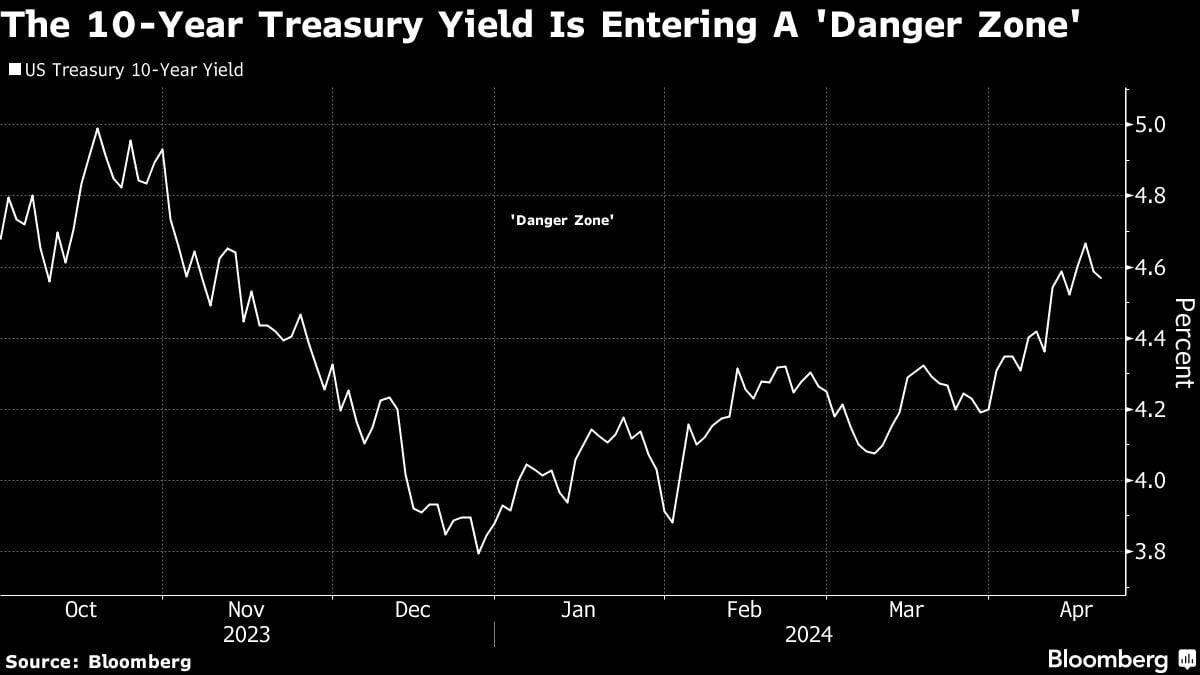
Vanguard warns that the Treasury market is approaching levels that could trigger a significant selloff, potentially pushing 10-year bond yields back to 5%. Ales Koutny, head of international rates at Vanguard, expressed concern that even a small move past the critical 4.75% level could lead to a wave of selling, driven by investors forced to limit losses. The recent jump in yields was compounded by persistently high inflation data, leading to negative sentiment in the Treasury market. Despite this, demand for new issuance remains strong, with a 20-year Treasury auction awarded at a yield below the when-issued yield.
The sell-off in the U.S. government bond market is accelerating as a strong economy diminishes expectations for imminent interest rate cuts from the Federal Reserve. Investors who had bet on rising Treasury prices as the Fed cut borrowing costs are now facing losses, with yields on the benchmark 10-year Treasury reaching their highest level since November. While some anticipate further losses in the bond market and expect yields to rise, others believe the selloff will not last, citing the Fed's projection of rate cuts and the eventual decline in interest rates.
Uncertainty has returned to the US Treasury market as investors reassess their bets on when the Federal Reserve will cut interest rates, following strong economic data and a cautious message from the Fed. Yields on the benchmark 10-year Treasury have surged, leading to a splintering of potential outcomes and a decrease in expectations for a March rate cut. The possibility of a first rate cut in May has increased, and investors are now pricing in a total of 122 basis points in cuts in 2024. The rise in yields hasn't significantly impacted stocks, and many still believe that the direction of travel for rates is lower as long as inflation remains on a cooling trend.
The Securities and Exchange Commission (SEC) is taking steps to increase its supervision of the $26 trillion Treasury market, aiming to enhance transparency and oversight in the wake of market disruptions. The move comes as part of a broader effort to strengthen regulation and monitoring of financial markets, reflecting concerns about the potential for instability in this crucial market.
Wall Street is turning to short-dated debt as the best way to trade the Federal Reserve's pivot towards monetary easing. With the Fed expected to lower rates and support a soft landing, investors are loading up on shorter maturity debt that still provides a yield of over 4%. This sentiment is driven by the fear that rates on cash-like investments could soon plunge, prompting investors to move into Treasury notes. Additionally, there is a consensus that the economy may avoid a recession, leading to a lack of appetite for longer-term securities. The two-year Treasury is seen as the sweet spot on the yield curve, offering an attractive yield higher than any other maturity.
The Securities and Exchange Commission (SEC) has voted in favor of expanding central clearing in a major overhaul of the $26tn Treasury market. The move aims to enhance transparency and reduce risk in the market by requiring more transactions to be cleared through central counterparties. The SEC's decision comes as part of broader efforts to strengthen the resilience of the financial system and prevent another financial crisis.