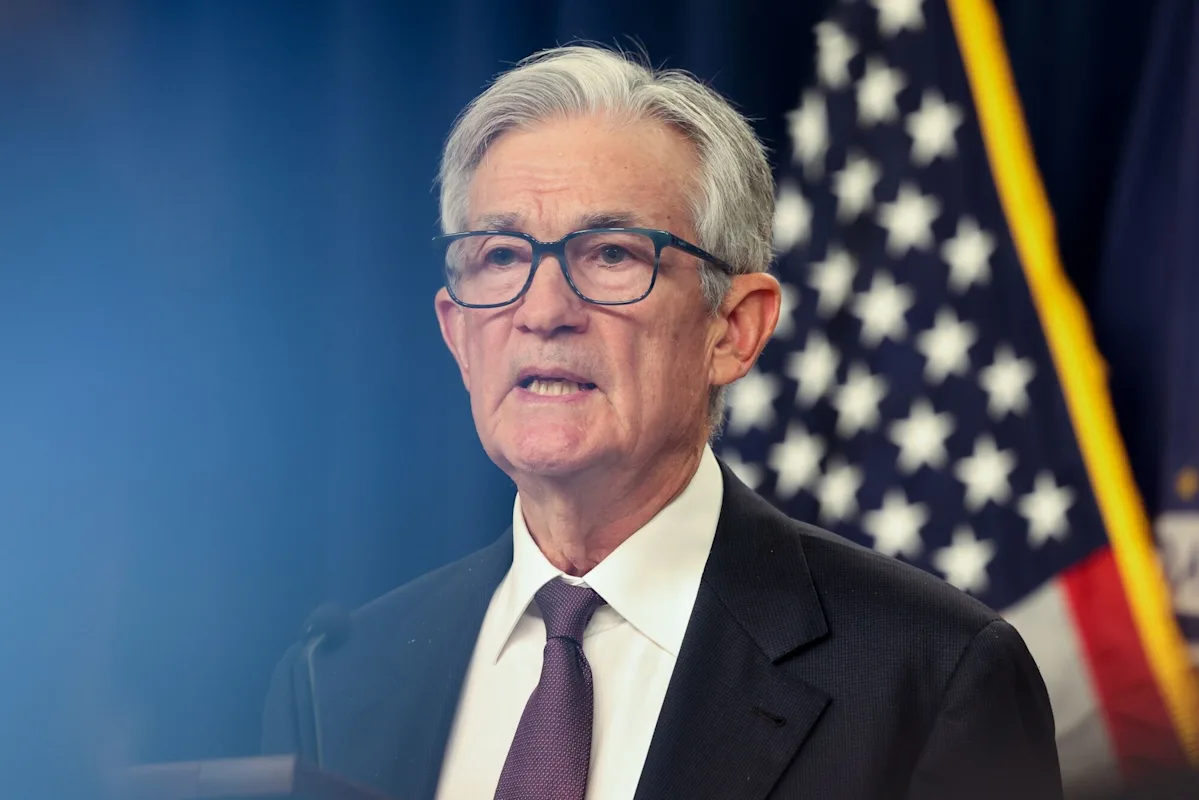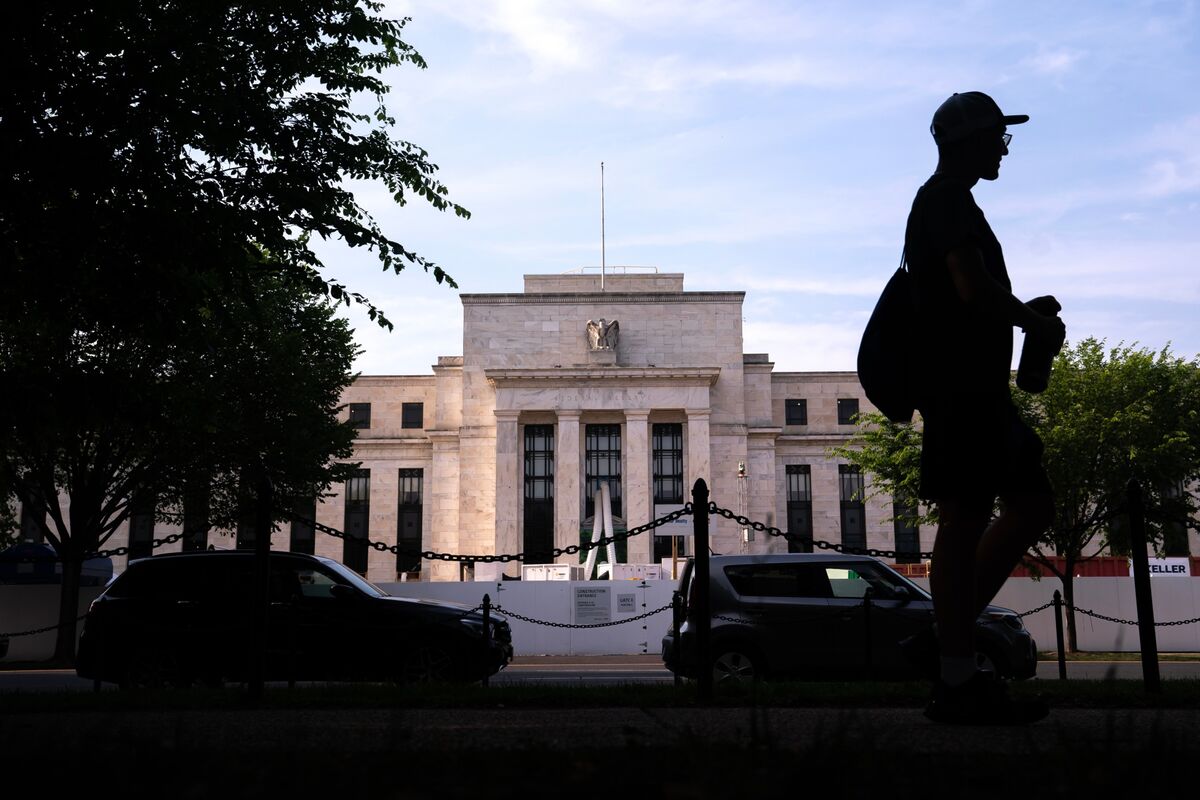
The Federal Reserve proposed relaxing key capital rules for large banks, aiming to enhance their ability to hold Treasuries and support the US Treasury market, though the move faces opposition from some regulators and politicians concerned about financial stability.
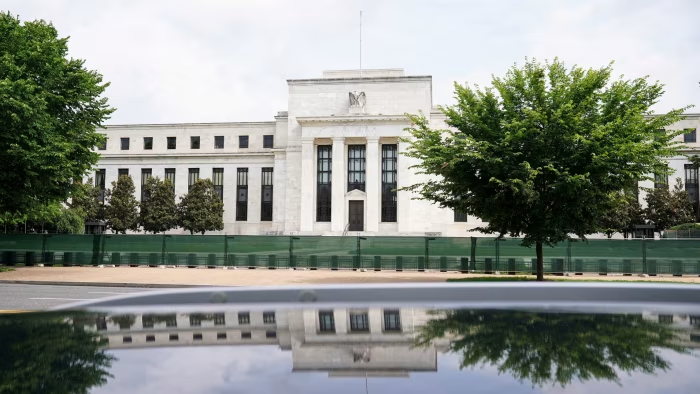
The Federal Reserve plans to significantly reduce capital requirements for the largest US banks by easing the supplementary leverage ratio, aiming to improve market functioning and align with international standards, despite concerns about increased risk and potential for future financial instability.
The Federal Reserve proposed easing the enhanced supplementary leverage ratio for large banks, reducing capital requirements to allow banks to hold more low-risk assets like Treasurys, aiming to improve market stability but facing opposition from some officials concerned about safety and risk management.
US bank regulators plan to reduce the capital buffer requirement for the largest banks by up to 1.5 percentage points to ease trading constraints in the Treasuries market, with proposals to adjust the enhanced supplementary leverage ratio and potentially exclude Treasuries from calculations, aiming to bolster market liquidity.
US bank regulators plan to reduce the enhanced supplementary leverage ratio (eSLR) for large banks by up to 1.5 percentage points to ease constraints on Treasury trading, aiming to bolster market liquidity and stability, with the proposal still open for public comment and potential adjustments.