
Middle East IPO Activity Slows Amid Changing Investment Trends
Middle East IPOs have decreased by a third as the post-pandemic boom in the region's markets diminishes, reflecting a slowdown in new public offerings after a period of rapid growth.

All articles tagged with #ipos
Middle East IPOs have decreased by a third as the post-pandemic boom in the region's markets diminishes, reflecting a slowdown in new public offerings after a period of rapid growth.
Private equity firms are struggling with a backlog of over 31,000 investments worth $3.7 trillion due to poor returns, difficulty selling assets, and lower fundraising, leading to industry consolidation and cautious outlook despite some recent IPO successes.

Startups are staying private longer due to the rise of alternative capital sources like private equity, venture capital, and private credit, which provide ample funding and reduce the need for IPOs. The median age of companies going public has increased from 10 to 13 years since 2018, with private companies now often reaching higher revenues and valuations before going public. The growth of private markets and digital share marketplaces is also enabling liquidity without IPOs, although this trend may impact future returns for investors.

The article reviews notable IPOs over the past 25 years, highlighting successful launches like Google, Visa, Tesla, Salesforce, and Shopify, contrasted with failures such as Pets.com and WeWork, emphasizing that size alone doesn't guarantee success and that business models and market timing are crucial. It also discusses upcoming IPOs like Chime and Klarna, and the evolving role of stablecoins in finance, exemplified by Circle's USDC and its partnerships, signaling a significant shift in digital currency adoption.
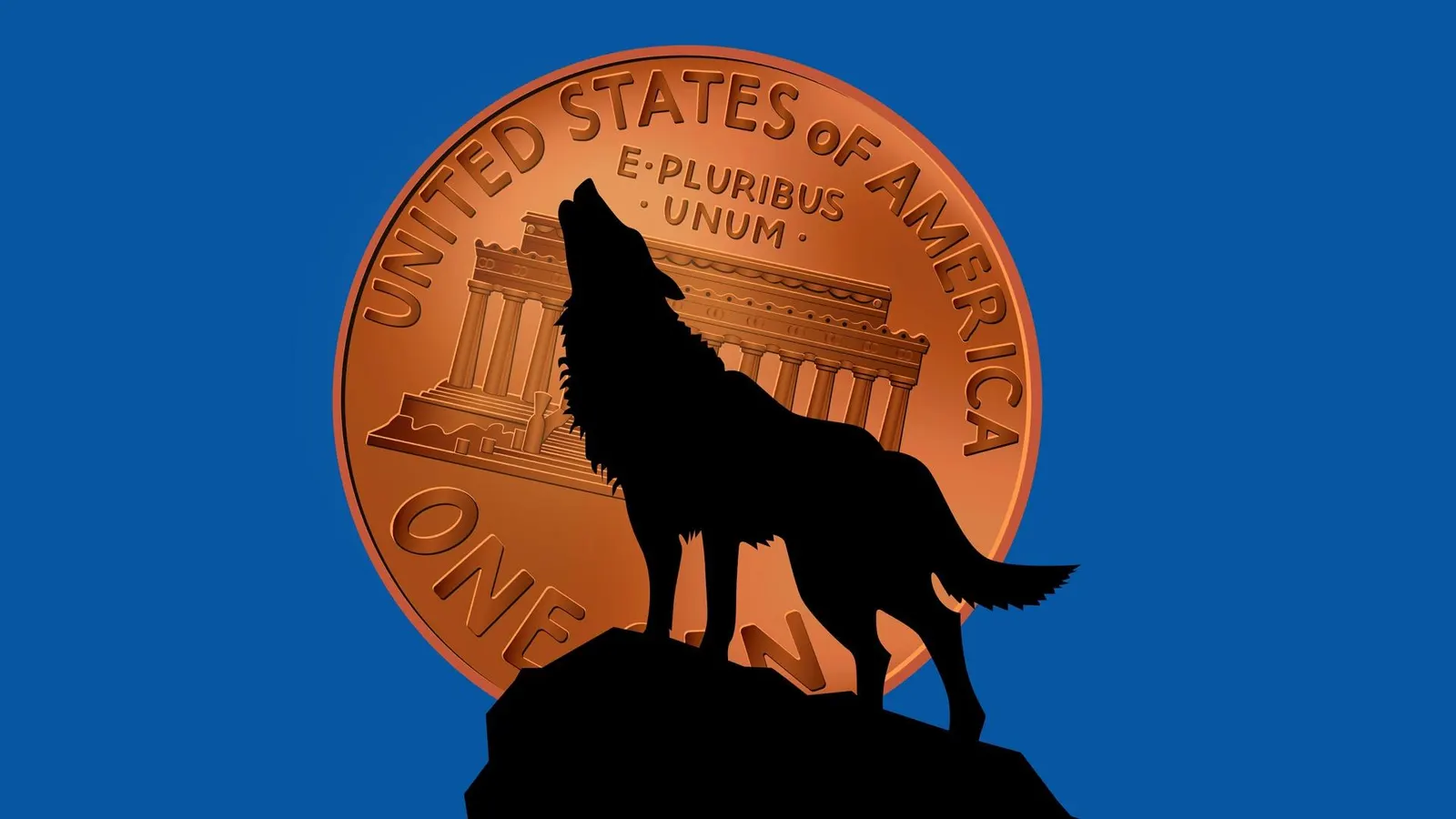
Small companies like Jin Medical are increasingly choosing initial public offerings over reverse mergers, egged on by a growing group of penny-stock underwriters, brokers, and day traders. The number of penny-stock IPOs has skyrocketed since 2021, with 47 such IPOs in 2023 and a total of 120 from 2021 through 2023. Webull, a diy investor-friendly brokerage, is actively promoting penny stock IPOs, many of which are operating in Asia. However, the risks of manipulation and extreme volatility in thinly-traded microcaps are high, and retail investors' history of investing in penny stock IPOs has not been good.
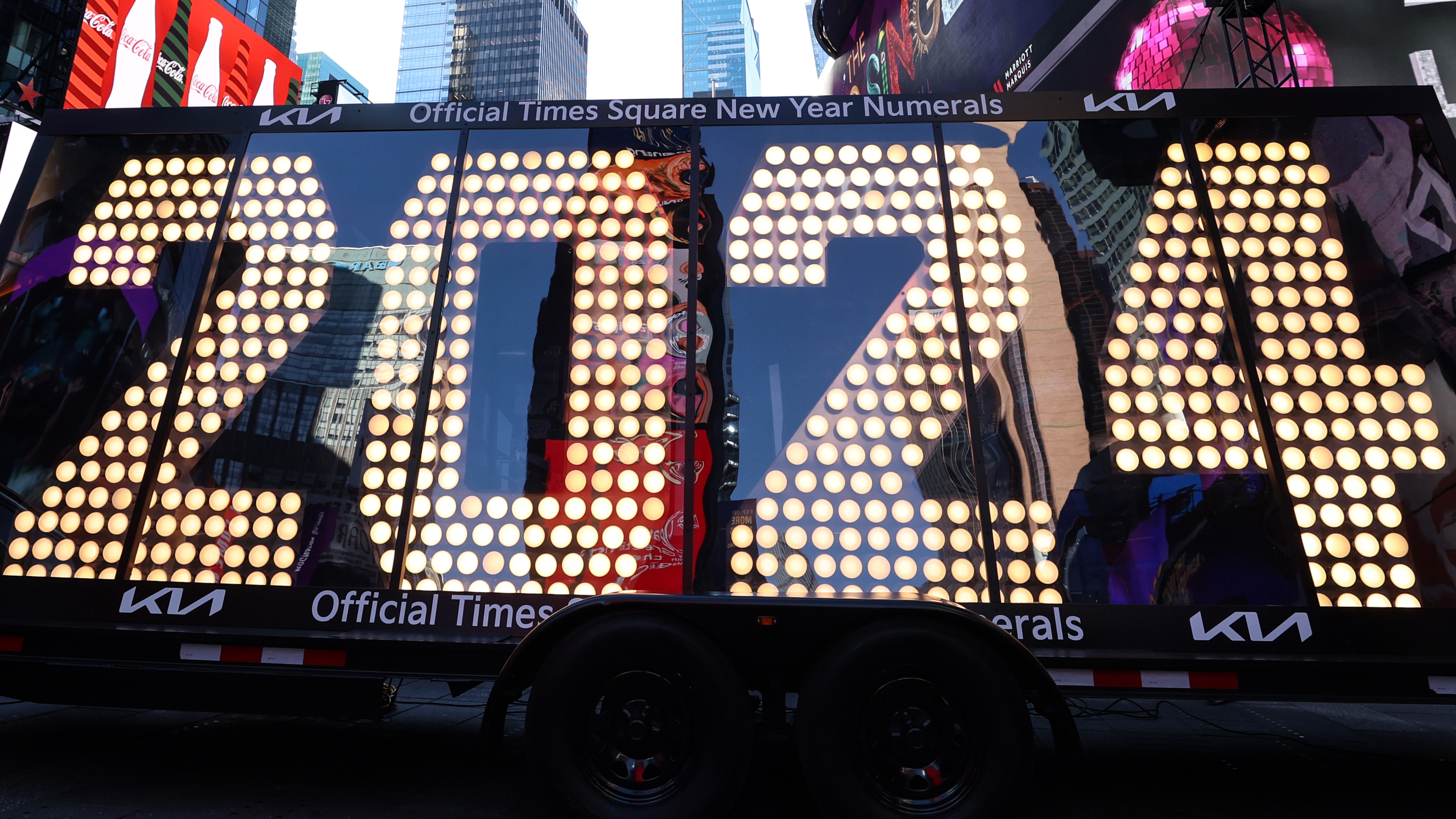
As we enter 2024, the stock market is poised for another strong year following a record 2023, with the S&P 500 and Dow Jones nearing all-time highs. The Federal Reserve is expected to start rate cuts, which could further stimulate the market. Mortgage rates are retreating, potentially aiding the spring home buying season. The SEC may approve the first spot Bitcoin ETF, potentially driving cryptocurrency values higher. The IPO market is rebounding, with companies like Shein, Stripe, OpenAI, and SpaceX being ones to watch. Nvidia and Apple had significant gains in 2023, with Nvidia up 239% and Apple nearing a $3 trillion market cap. Lastly, the IRS has updated tax brackets for 2024, signaling changes for taxpayers.
Tech stocks are expected to have another successful year in 2024, according to predictions made using a crystal ball with a new chatbot feature. The article suggests that IPOs and emerging technologies will play a significant role in driving the growth of the tech sector.
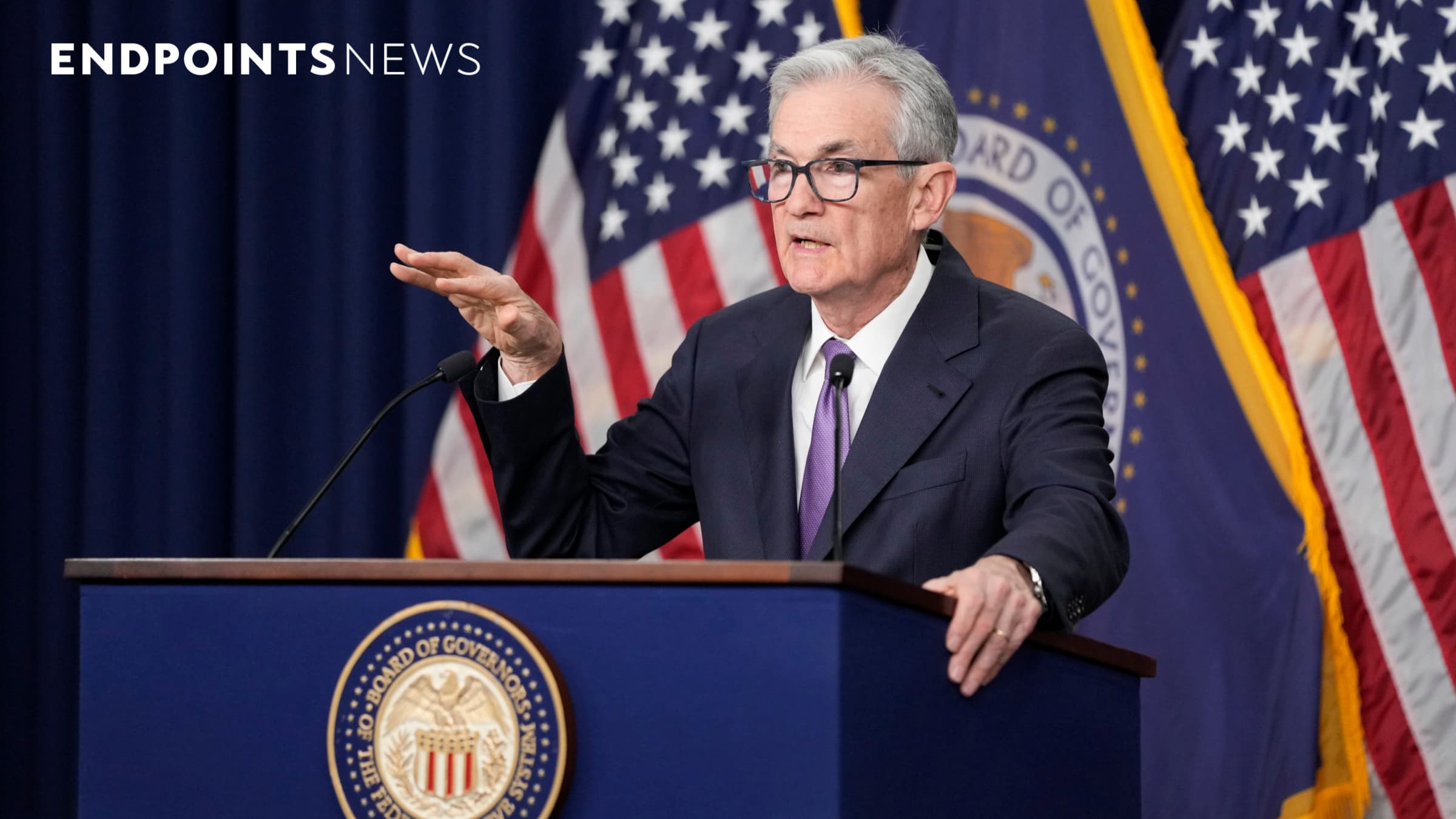
The Federal Reserve's surprise announcement of plans to cut interest rates three times next year has sparked hope for a rebound in the biotech market. High interest rates have hindered fundraising and IPOs in the sector since early 2022, but the Fed's decision has brought optimism to a struggling industry plagued by layoffs and falling valuations.
The biggest IPO stocks of 2023 have taken a hit, with some dropping over 40% from their peak. The IPO window had briefly reopened earlier this year, but since August, stocks have started to decline again, causing the IPO window to shut once more. Among the nine biggest IPOs of 2023, six have dropped by over 30% from their high or IPO price, with four of them plunging by 41% to 48%. The companies that went public at sky-high valuations have struggled as market exuberance waned, leading to a decline in investor confidence.
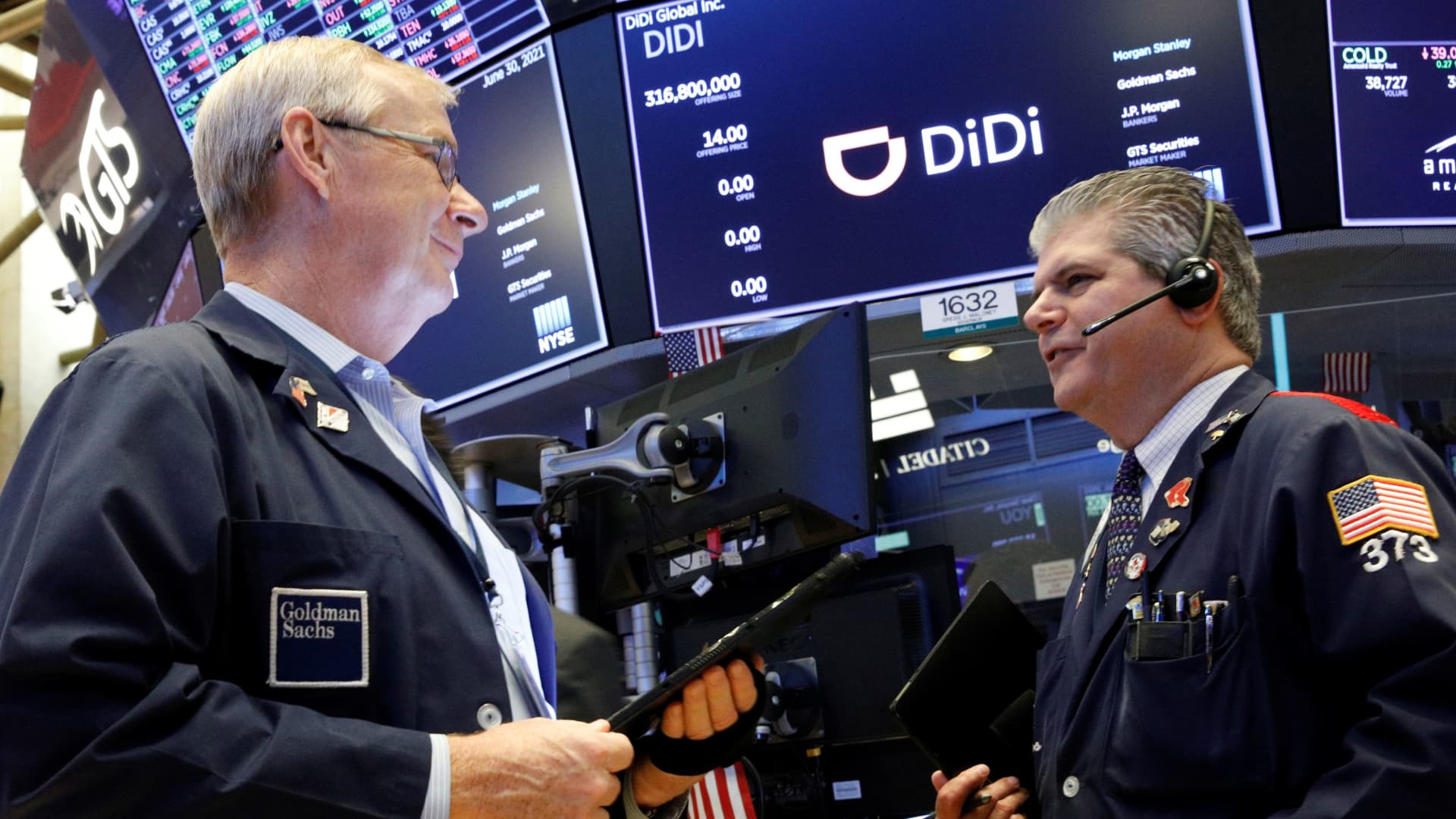
Chinese companies continue to show strong interest in listing on US stock exchanges, despite the process becoming more complicated. The head of China at the New York Stock Exchange, Kobe Ge, highlighted that Chinese firms are not familiar with the new procedures, which now require a longer preparation period of up to 12 months. The new measures implemented by the China Securities Regulatory Commission include compliance with national security measures and personal data protection laws. Rising political tensions between the US and China have also added to the uncertainty. However, Ge remains optimistic that Chinese listings in overseas markets will rebound as long as domestic firms focus on building strong businesses.
Wall Street banks reported a 2% drop in investment banking fees in the third quarter, dispelling hopes of a surge in dealmaking profits. Morgan Stanley experienced the biggest drop with a 27% fall in investment-banking revenue, leading to a nearly 7% decline in its stock. While Citigroup and Bank of America reported year-over-year gains, even they expressed caution and uncertainty about the future. The banks are now predicting that sustained gains in deal activity may not materialize until 2024. They are waiting for the Federal Reserve to signal the end of interest rate hikes before confidence returns for their corporate customers.

New research on microcap companies, defined as having less than $300 million in stock value, reveals that last year's microcap IPOs had an astonishing failure rate, with the share value of an average microcap company falling 65% by August 2023. The study found that 90% of the companies analyzed had money-losing returns. Investment bankers advising these companies, however, still profited, with underwriters booking fees of $100 million in aggregate from the IPO deals. Retail investors, on the other hand, were the biggest losers, as the stock prices plummeted, leaving them with significant losses. The research highlights the clash between the incentives of investment bankers and the executives of these companies and the credulous stock buyers who often bear the brunt of the losses.
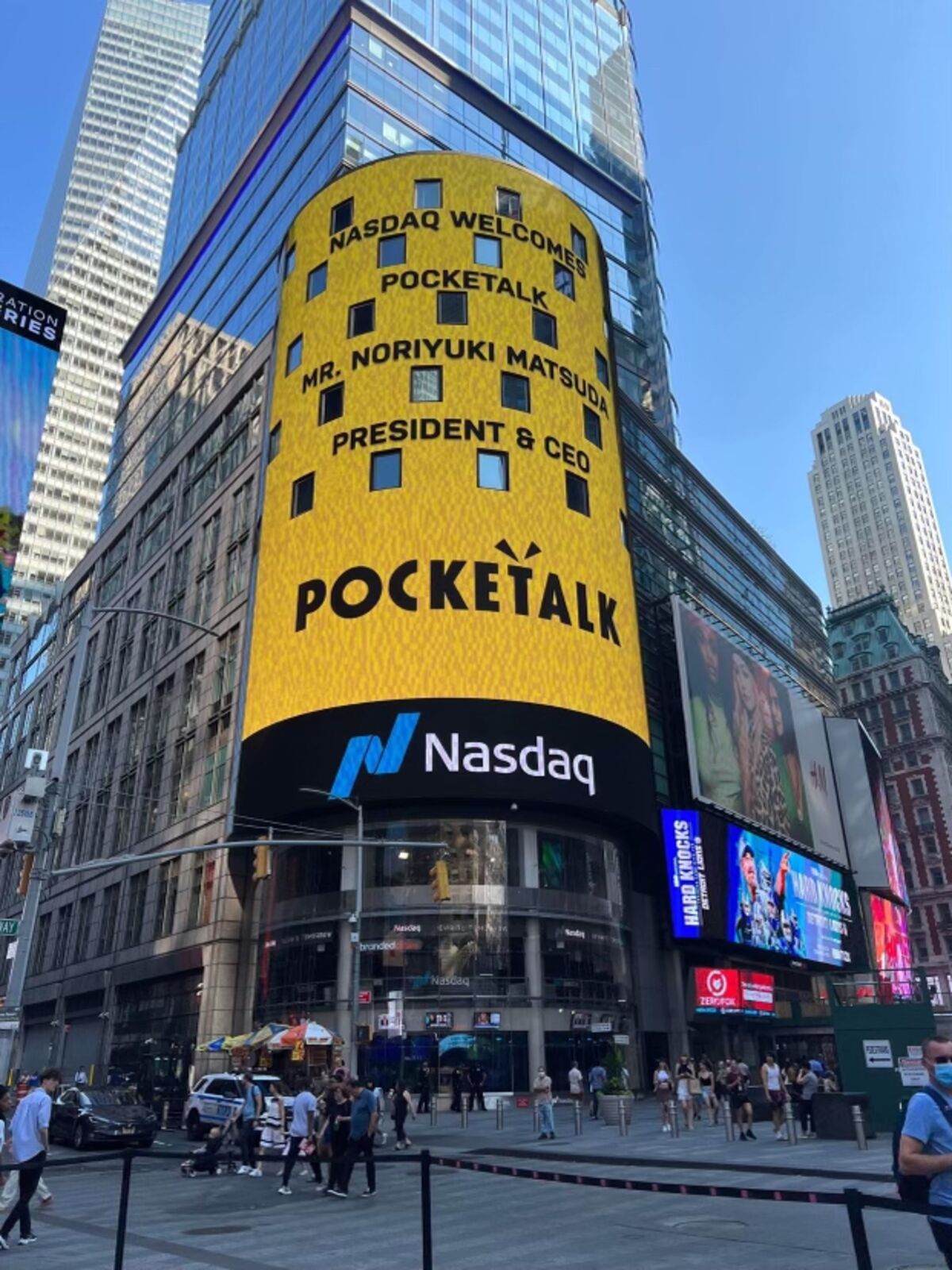
Nasdaq is attracting a record number of Japanese startups as entrepreneurs seek to list on the exchange instead of the aging and risk-averse home market. Around seven companies are set to list in the coming months, with an additional ten to 20 planning to list next year. This surge in listings marks a significant increase compared to previous years, highlighting the growing interest in Nasdaq among Japanese firms.
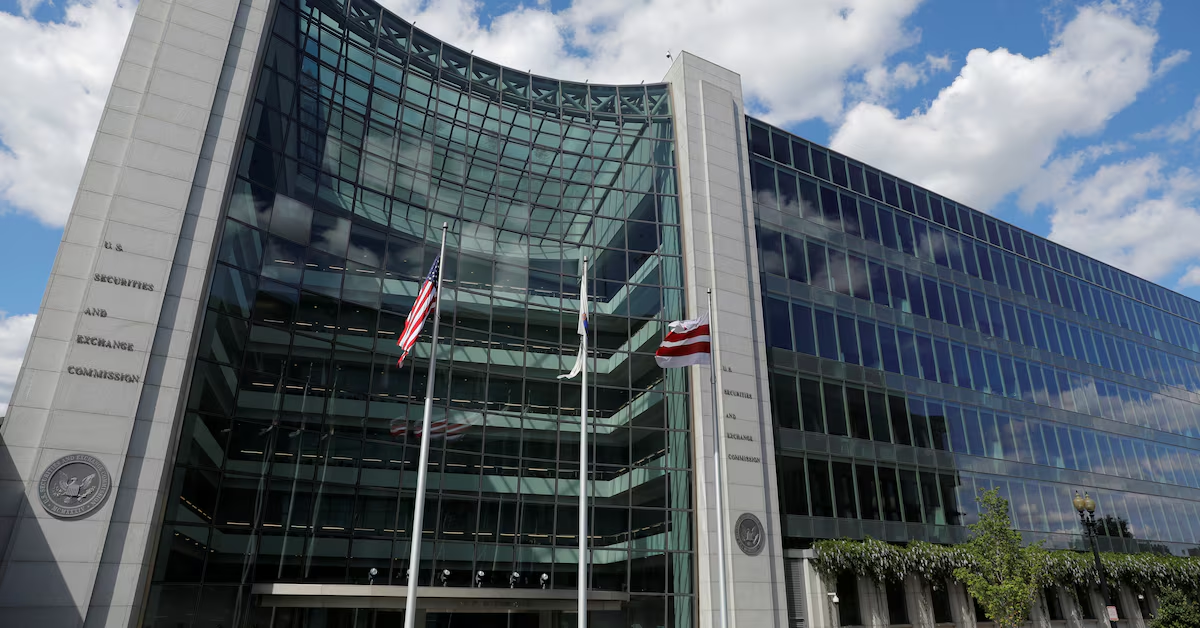
The U.S. Securities and Exchange Commission (SEC) warned that a government shutdown would severely impact its ability to approve companies' initial public offerings (IPOs) and respond to market turmoil. If Congress fails to pass funding legislation by Saturday, the SEC would operate with a "skeletal" staff, hindering its essential functions. SEC Chair Gary Gensler advised companies to go public before Friday if they are ready, as the agency's ability to review offerings would be frozen during a shutdown. The lackluster performance of recent high-profile IPOs has raised doubts about an IPO resurgence.
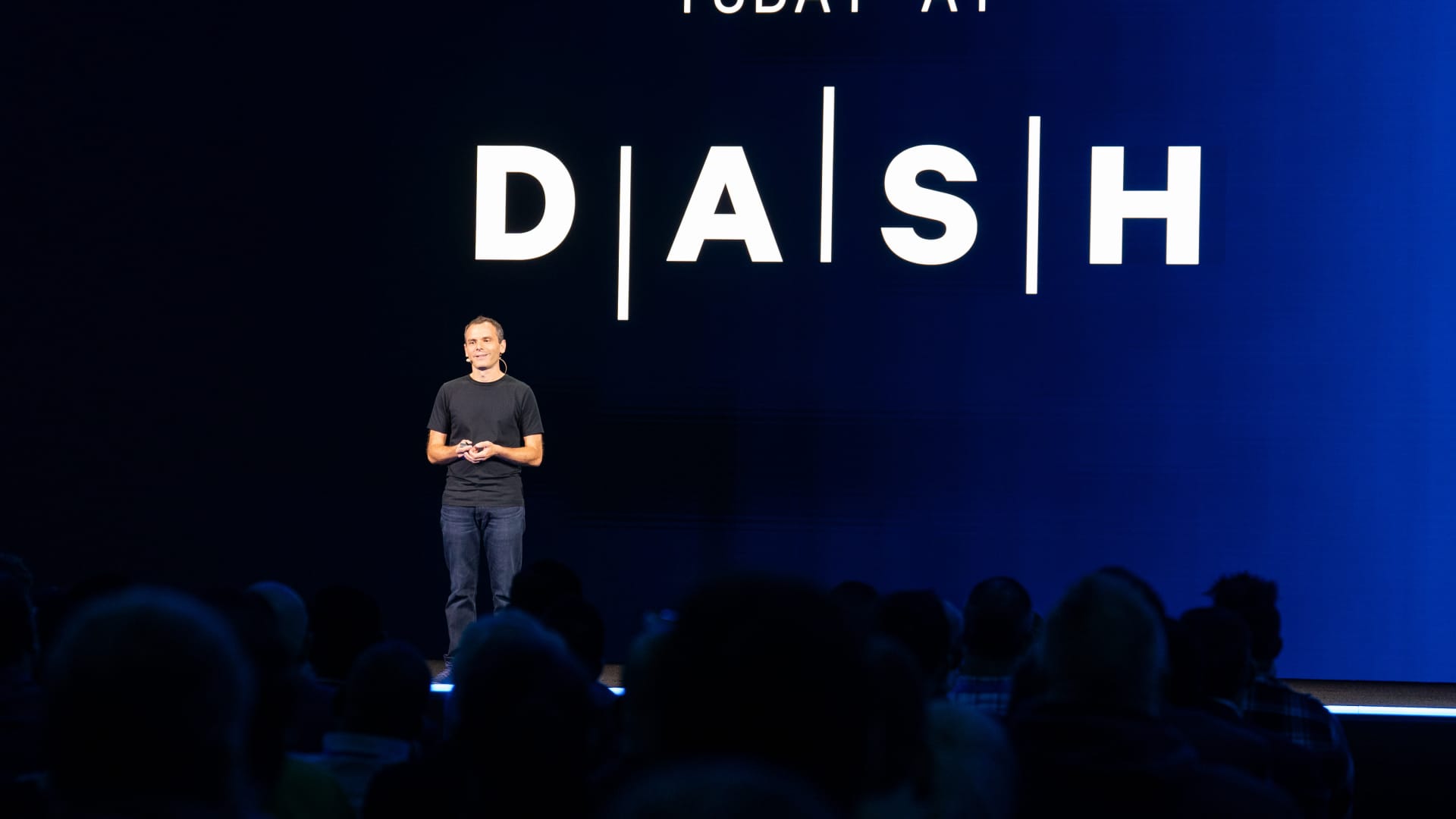
New York has emerged as a thriving tech startup hub, challenging the dominance of Silicon Valley. The city has seen a surge in tech activity, with successful IPOs from companies like Datadog, UiPath, MongoDB, and Etsy creating an ecosystem that has spawned numerous new startups. New York attracted $29.2 billion in venture capital investment in 2022, second only to California. The city's tech scene has been bolstered by the presence of Big Tech employers like Google and Salesforce, as well as the expansion of venture capital firms such as Andreessen Horowitz and Sequoia Capital. Successful founders are reinvesting their wealth back into the city, further fueling its startup growth.