Donald Trump has called on US companies to eliminate quarterly reporting requirements, advocating for a shift in financial disclosure practices to potentially reduce regulatory burdens and improve business flexibility.
The U.S. is shortening its stock settlement window from two days to one starting May 28, which will force Asian money managers to secure funds during low liquidity hours, potentially causing market volatility. This change aims to reduce counterparty risks but may disrupt forex flows and increase transaction costs. Financial institutions are preparing by increasing staffing, automation, and cash buffers, though the shift highlights the inflexibility of global market infrastructure.
The Biden administration has implemented a new rule capping credit card late fees at $8, a move that has sparked strong opposition from banking and credit card companies. Critics argue that the rule will reduce competition, increase the cost of credit, and ultimately harm consumers by leading to more late payments, higher debt, lower credit scores, and reduced credit access for those who need it most. The Consumer Financial Protection Bureau estimates that the new regulation will save American families more than $10 billion in late fees annually, but major financial institutions and legislators have slammed the rule, warning of its potential negative impact on consumers.
The United Arab Emirates has been removed from the global money laundering "grey list" after implementing reforms to strengthen its financial regulations and meet international standards, marking a significant milestone for the country's efforts to combat financial crime. The move reflects the UAE's commitment to enhancing its anti-money laundering and counter-terrorist financing framework, which is crucial for maintaining its position as a global financial hub.
The Biden administration plans to reduce overdraft fees at big banks through a set of new rules proposed by the Consumer Financial Protection Bureau, aiming to save Americans about $3.5 billion annually. The rules would limit fees, provide clear disclosures, and force banks to treat overdraft coverage similarly to credit cards and other loans. While some argue that the changes could limit a service relied upon by financially vulnerable Americans, proponents believe lower fees will help consumers avoid compounding financial difficulties. The proposal faces a regulatory approval process and is set to take effect in October 2025.
Federal regulators are proposing to increase capital requirements for U.S. banks to prevent taxpayer-funded bailouts in emergencies, drawing criticism from a diverse coalition including banks, community groups, and racial justice advocates. The proposal comes in response to the demise of several banks due to rising interest rates and losses from cryptocurrency businesses. Banks argue that holding more capital restricts lending and hurts economic growth, while other groups, such as pension funds and green energy advocates, are also concerned about the potential economic ramifications.
The Consumer Financial Protection Bureau (CFPB) is proposing new rules to rein in overdraft fees charged by large banks, aiming to empower consumers to manage their overdraft loans more effectively. CFPB Director Rohit Chopra argues that the proposed changes seek to close loopholes and establish fairer, upfront terms for customers, potentially saving the average family dealing with these fees about $150 per year. While banks may seek to find profits elsewhere, Chopra believes the proposal is reasonable and could lead to a more competitive and fair market, with public input shaping strong guardrails against unfair practices. Additionally, the CFPB is also looking into regulating other fees charged by financial firms and big tech payment systems.
The Biden administration has proposed a new rule that could reduce overdraft fees to as low as $3, aiming to alleviate the burden on American consumers, particularly those living paycheck to paycheck. The rule, put forth by the Consumer Financial Protection Bureau, would require banks to justify their costs for providing overdraft services and potentially eliminate billions of dollars in fee revenue for major banks. The proposal, which aims to combat what President Biden calls "exploitation" by banks, would apply to financial institutions with over $10 billion in assets and could go into effect in the autumn of 2025, but is expected to face strong opposition from the banking industry.
The Biden administration has proposed capping bank overdraft fees at as low as $3, aiming to alleviate the burden on American consumers, particularly those living paycheck to paycheck. This move could potentially eliminate billions of dollars in fee revenue for major banks, prompting a looming battle. The proposed rule would require banks to justify their costs for providing overdraft services and potentially standardize fees at $3, $6, $7, or $14. While the largest banks are the primary target, small banks and credit unions are spared. If implemented, the regulations would take effect in autumn 2025, impacting millions of Americans who have been affected by overdraft fees.
Premier League clubs have voted to limit the period over which a player's transfer fee can be spread in their accounts to five years, aligning with UEFA's regulations. The rule change will not be applied retroactively. Additionally, clubs voted in favor of allowing the Premier League board to prevent a club from registering more players if they owe a transfer debt to another Premier League or English Football League side. The outstanding amount could be deducted from the club's share of the league's prize money. Previously, clubs could amortize transfer fees over the full length of a player's contract, but this loophole has now been closed.
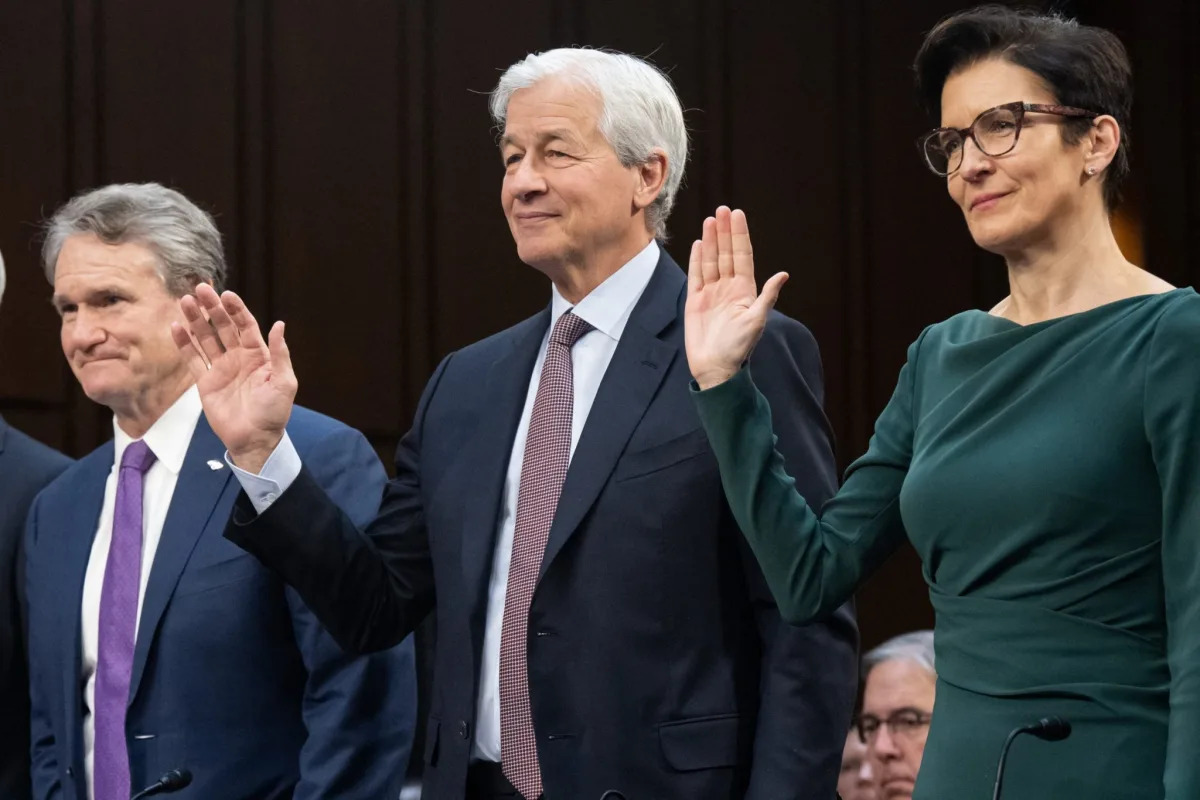
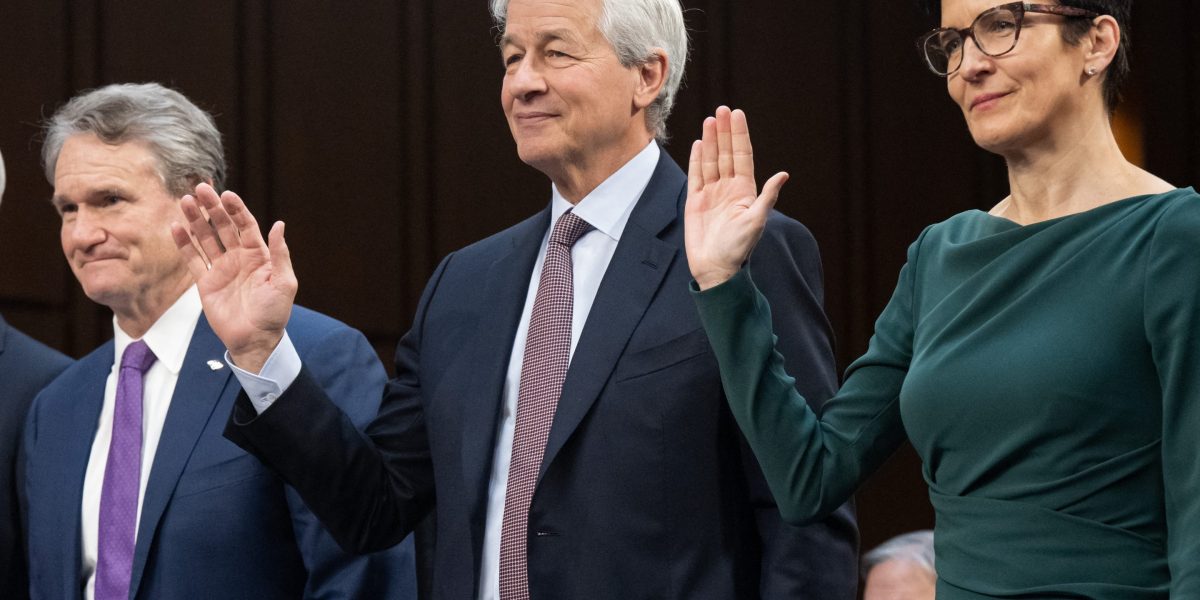
Senator Robert Menendez, who is facing bribery charges, questioned Wall Street bank CEOs about the amount of money their firms had to pay back to consumers for violating federal laws. The CEOs, including Jamie Dimon of JPMorgan Chase, Brian Moynihan of Bank of America, Jane Fraser of Citigroup, and Charles Scharff of Wells Fargo, were unable to provide the exact figures. However, the numbers are significant, with JPMorgan Chase paying $360 million, Bank of America paying $819 million, Citigroup paying $1 billion, and Wells Fargo paying over $2 billion. Menendez highlighted these amounts to argue that financial regulations do benefit everyday customers. The senator also criticized the banks for charging overdraft fees, which disproportionately affect Black and Hispanic customers. Citigroup was commended for eliminating such fees, while the other banks have made some steps to ease them but haven't eliminated them entirely.
Senator Robert Menendez, who is facing bribery charges, questioned Wall Street bank CEOs about the amount of money their firms had to pay back to consumers for violating federal laws. The CEOs, including Jamie Dimon of JPMorgan Chase, Brian Moynihan of Bank of America, Jane Fraser of Citigroup, and Charles Scharff of Wells Fargo, were unable to provide the figures. However, the numbers are significant, with JPMorgan Chase paying $360 million, Bank of America paying $819 million, Citigroup paying $1 billion, and Wells Fargo paying over $2 billion. Menendez highlighted that these payments demonstrate the benefits of financial regulations for everyday customers. The senator also criticized the banks for their overdraft fees, which disproportionately affect Black and Hispanic communities. Citigroup was commended for eliminating such fees, while other banks have made partial changes.
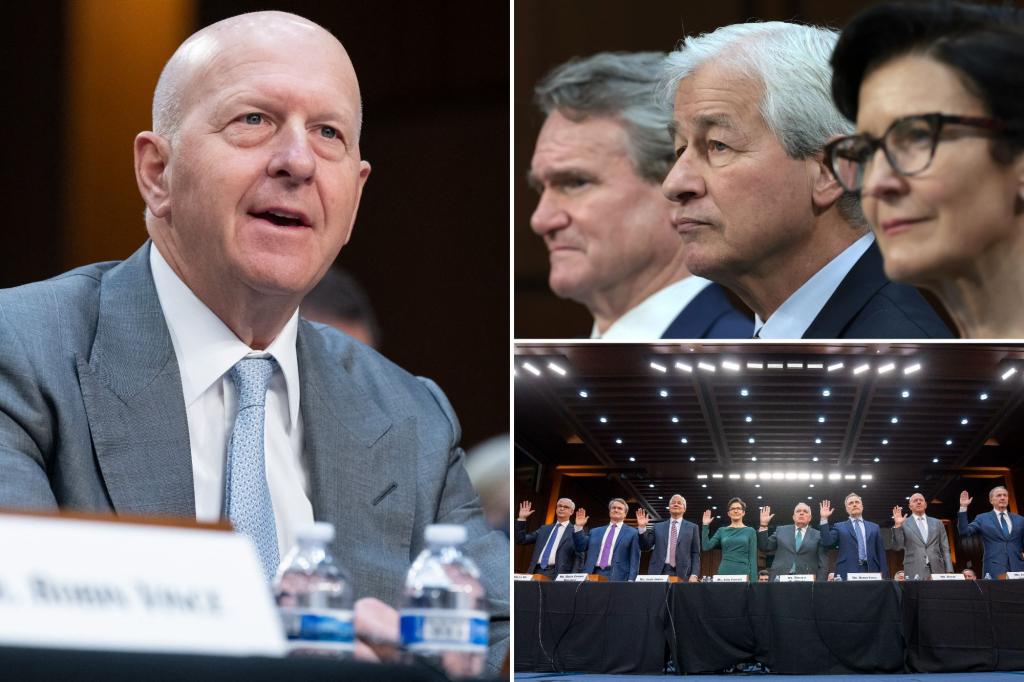
Wall Street CEOs, including JPMorgan's Jamie Dimon and Goldman Sachs' David Solomon, warned lawmakers that proposed financial regulations could harm lending and potentially damage the US economy. They argued that stricter legislation, such as increasing capital requirements for banks, could create risk and hurt markets. The CEOs expressed concerns about the potential adverse impact on various products and services, including green lending, commodities hedging, pension plan profits, and US Treasury market liquidity. The proposed global banking standards known as Basel III Endgame were also criticized for their negative impact on capital markets functioning. Some lawmakers expressed skepticism about the banks' motivations, while others warned of the devastating impact on small business owners.
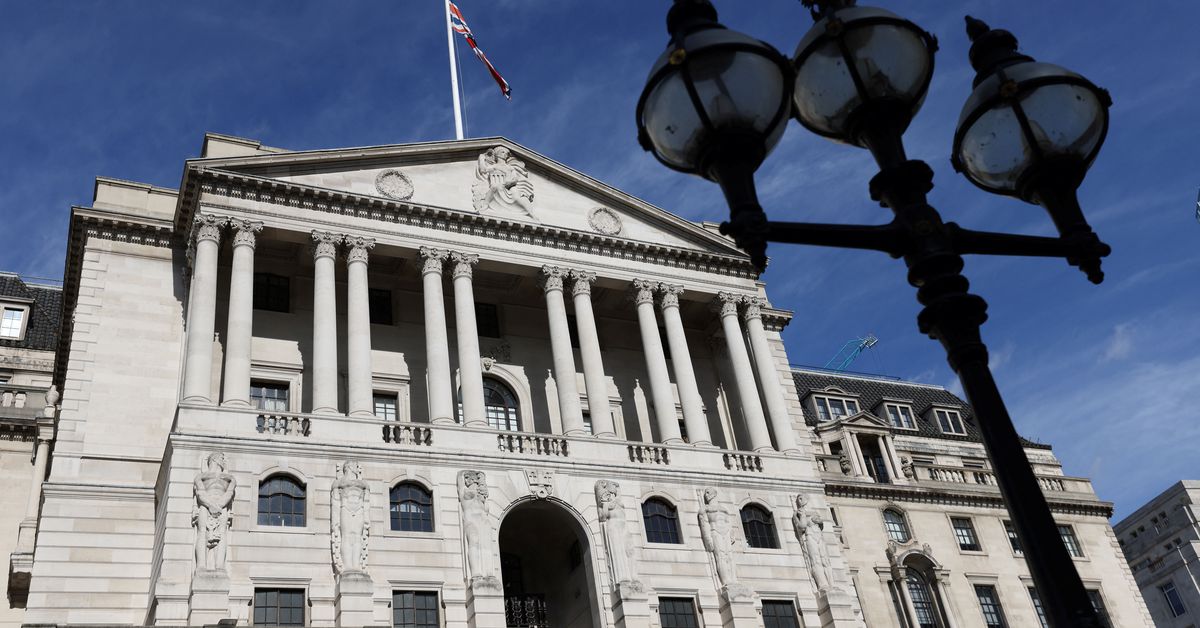
Britain has scrapped a decade-old cap on banker bonuses inherited from the European Union, signaling a divergence in post-Brexit financial rules. The cap, introduced in 2014 to prevent behavior that led to the 2008 financial crisis, has been criticized for leading to higher fixed salaries. The Bank of England and Financial Conduct Authority proposed scrapping the cap earlier this year, and its abolition was confirmed in final policy published on Tuesday. The change will enter into force from October 31, earlier than the original proposed start date of 2024. The decision has drawn criticism from labor unions, while law firm Linklaters stated that it aligns Britain with the rest of the world, except the EU.
President Joe Biden is set to announce new measures aimed at cracking down on junk fees, with the Federal Trade Commission proposing a rule to ban hidden or misleading fees and require companies to disclose full prices upfront. The crackdown is expected to save consumers $2 billion and result in $140 million in refunds. The Consumer Financial Protection Bureau will also take steps to prohibit large banks and credit unions from charging fees for basic services and require banking institutions to allow customers to securely send transaction data to other companies, promoting competition and deterring junk fees.