The Consumer Financial Protection Bureau (CFPB) has issued a rule capping overdraft fees at $5 for banks and credit unions with over $10 billion in assets, potentially saving consumers $5 billion annually. This move aims to close a legal loophole that allowed excessive fees, which have disproportionately affected minorities and low-income consumers. The rule, part of the Biden Administration's effort to reduce 'junk fees,' is expected to face legal challenges from the banking industry, which argues it could limit their ability to offer overdraft services.
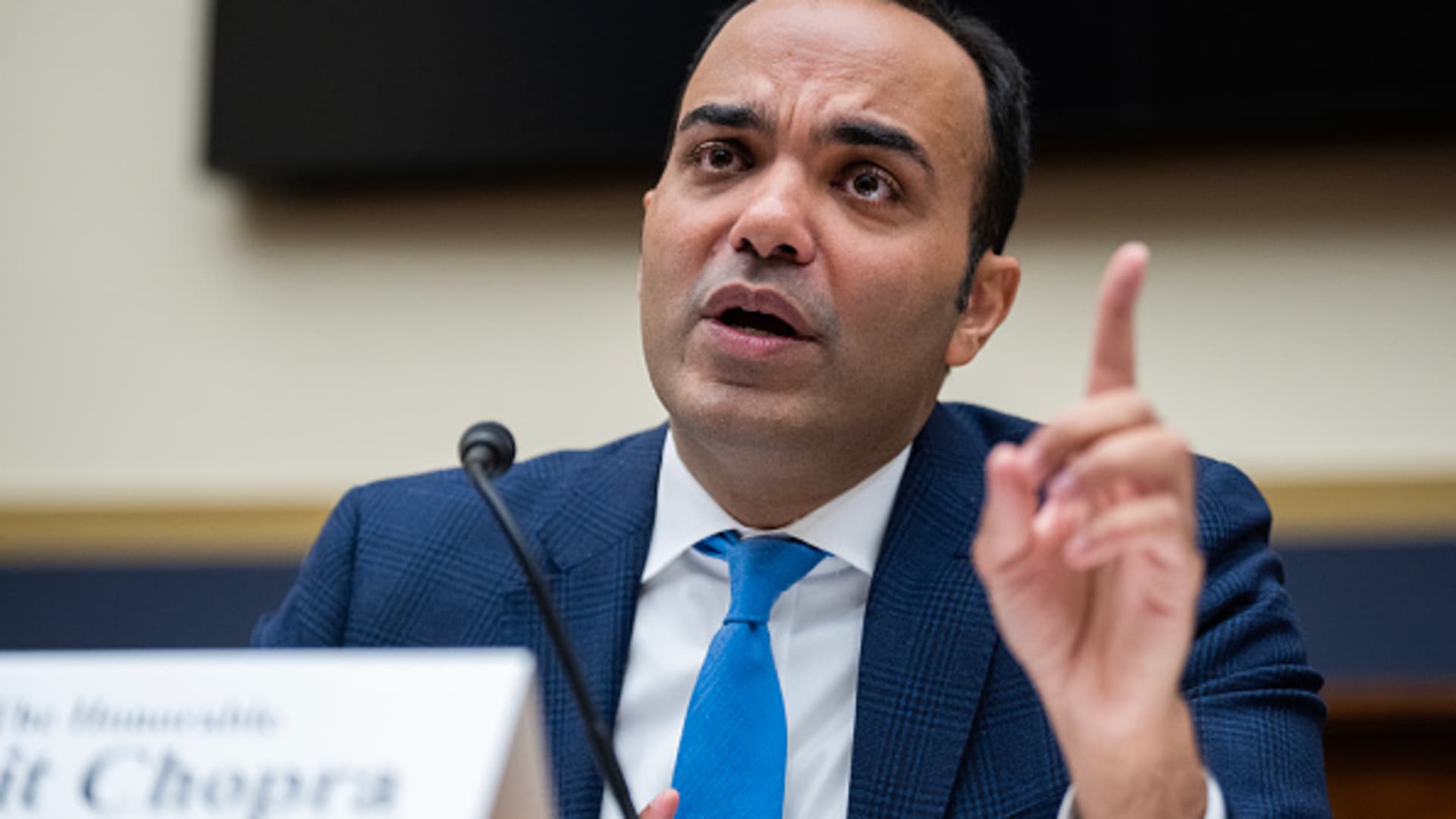
The Consumer Financial Protection Bureau (CFPB) has finalized a rule limiting bank overdraft fees, potentially saving consumers $5 billion annually. The rule allows banks to charge a $5 fee, cover costs, or disclose the interest rate on overdraft loans, significantly reducing the average $35 fee. This move, part of the Biden administration's crackdown on excessive fees, faces opposition from banking groups and its future is uncertain, especially with potential changes in CFPB leadership under the Trump administration. The rule is set to take effect on October 1, 2025.
The Consumer Financial Protection Bureau (CFPB) has closed a loophole that allowed large banks to charge excessive overdraft fees without adhering to lending laws. The new rule, applicable to banks and credit unions with over $10 billion in assets, offers options to cap overdraft fees at $5, cover only costs and losses, or comply with standard lending disclosures. This move is expected to save consumers up to $5 billion annually. The rule will take effect on October 1, 2025, as part of broader efforts to eliminate junk fees.
A new federal rule has been introduced to limit overdraft fees at large banks, aiming to enhance consumer protection and reduce the financial burden on customers. This regulation is part of broader efforts to ensure fair banking practices and improve transparency in financial services.
Navy Federal Credit Union has been ordered to pay over $95 million after the Consumer Financial Protection Bureau (CFPB) found it charged customers illegal overdraft fees from 2017 to 2022. The credit union collected nearly $1 billion in fees, including surprise charges on transactions with sufficient funds and fees from delayed peer-to-peer payments. Navy Federal will refund over $80 million to consumers and pay a $15 million civil penalty. The CFPB's action aims to eliminate illegal fees and protect consumers, including servicemembers and veterans.
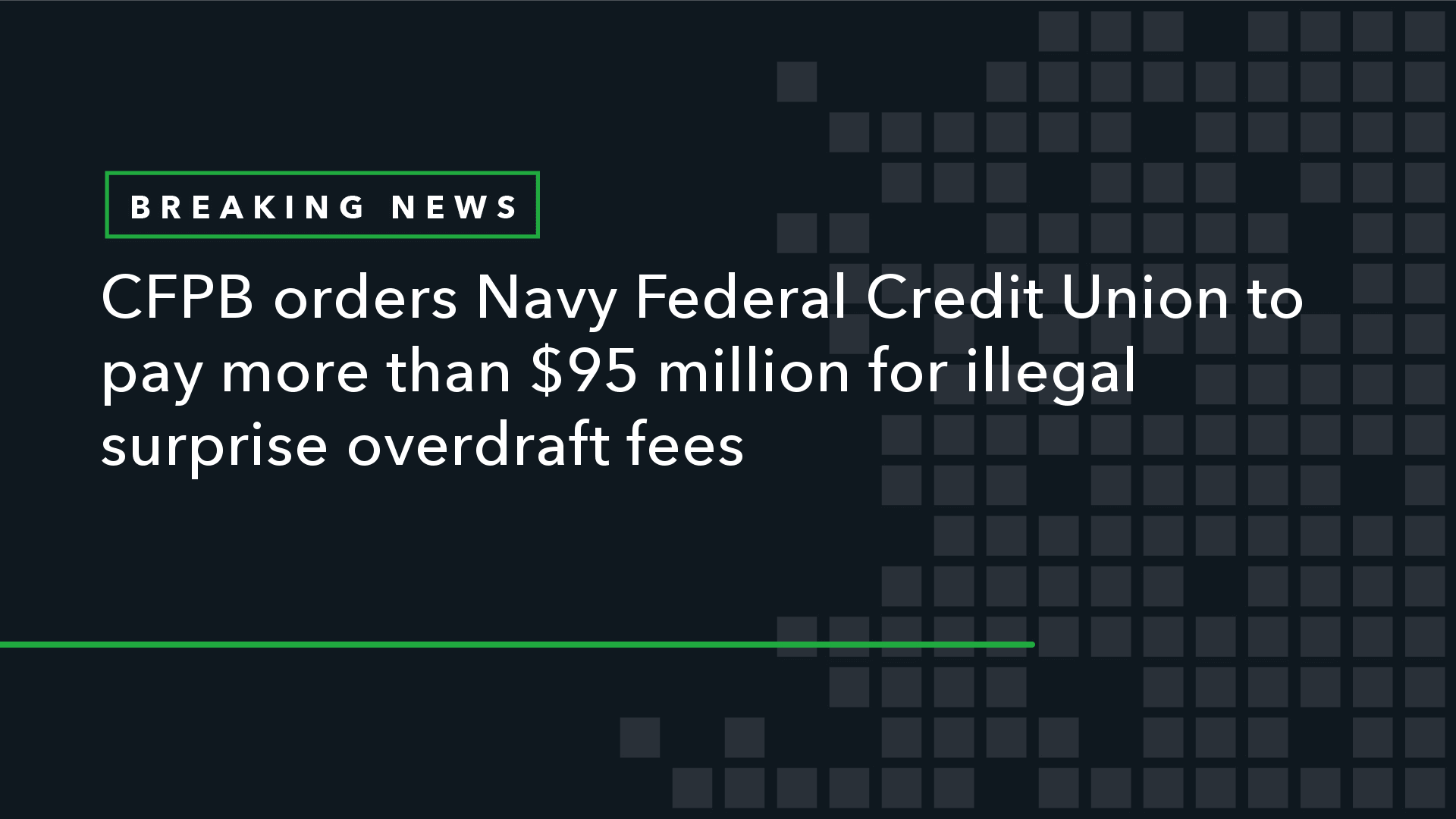
The Consumer Financial Protection Bureau (CFPB) has ordered Navy Federal Credit Union to pay over $95 million for charging illegal surprise overdraft fees from 2017 to 2022. The credit union must refund more than $80 million to affected consumers and pay a $15 million civil penalty. Navy Federal charged fees on transactions that appeared to have sufficient funds and on delayed peer-to-peer payments, violating the Consumer Financial Protection Act. This enforcement is part of the CFPB's broader effort to eliminate illegal junk fees in the financial sector.
Bank of America has been ordered to pay over $250 million in penalties and refunds to customers for unlawful practices, including opening unauthorized accounts, withholding credit card bonuses, and double-charging NSF fees. The settlement includes $100 million in customer payments and $150 million in civil fines. A separate $8 million class-action settlement was also reached for misleading ACH transfer fees. Impacted customers can apply for refunds by submitting necessary documentation in court.
The three largest American retail banks, JPMorgan Chase, Wells Fargo, and Bank of America, collectively reported a 25% decrease in overdraft revenue in 2023, amounting to $2.2 billion, as they faced pressure to cap fees and introduced new ways for customers to avoid penalties. The Consumer Financial Protection Bureau's proposal to limit charges to as little as $3 per transaction has sparked a debate over the necessity of overdraft services, with critics arguing that the fees exploit struggling Americans. Despite the decline in revenue, banks continue to defend overdraft services as a lifeline for customers, while also implementing changes such as reducing fees and introducing grace periods to make the system more customer-friendly.
The Biden administration plans to reduce overdraft fees at big banks through a set of new rules proposed by the Consumer Financial Protection Bureau, aiming to save Americans about $3.5 billion annually. The rules would limit fees, provide clear disclosures, and force banks to treat overdraft coverage similarly to credit cards and other loans. While some argue that the changes could limit a service relied upon by financially vulnerable Americans, proponents believe lower fees will help consumers avoid compounding financial difficulties. The proposal faces a regulatory approval process and is set to take effect in October 2025.
The Biden administration has proposed a new rule to curb bank overdraft fees, which currently amount to about $9 billion annually. The rule, if approved, would take effect in October 2025 and apply to banks and credit unions with more than $10 billion in assets, treating overdraft programs as credit programs and imposing limits on fees. The move aims to protect financially vulnerable individuals and promote fair competition, but it faces a regulatory approval process and potential legal challenges from banks. Despite concerns about potential fee increases in other areas, some banks have voluntarily changed their overdraft fee policies, indicating that profitability without abusive practices is possible.
The Biden administration has proposed a rule through the Consumer Financial Protection Bureau to slash bank overdraft fees to as low as $3, affecting large financial institutions. The proposed rule aims to close a loophole that has allowed banks to profit from overdraft fees, potentially saving consumers billions of dollars annually. While the proposal has drawn criticism from the American Bankers Association, citing the value of overdraft protections to consumers, the administration argues that high overdraft fees disproportionately impact those living paycheck to paycheck.
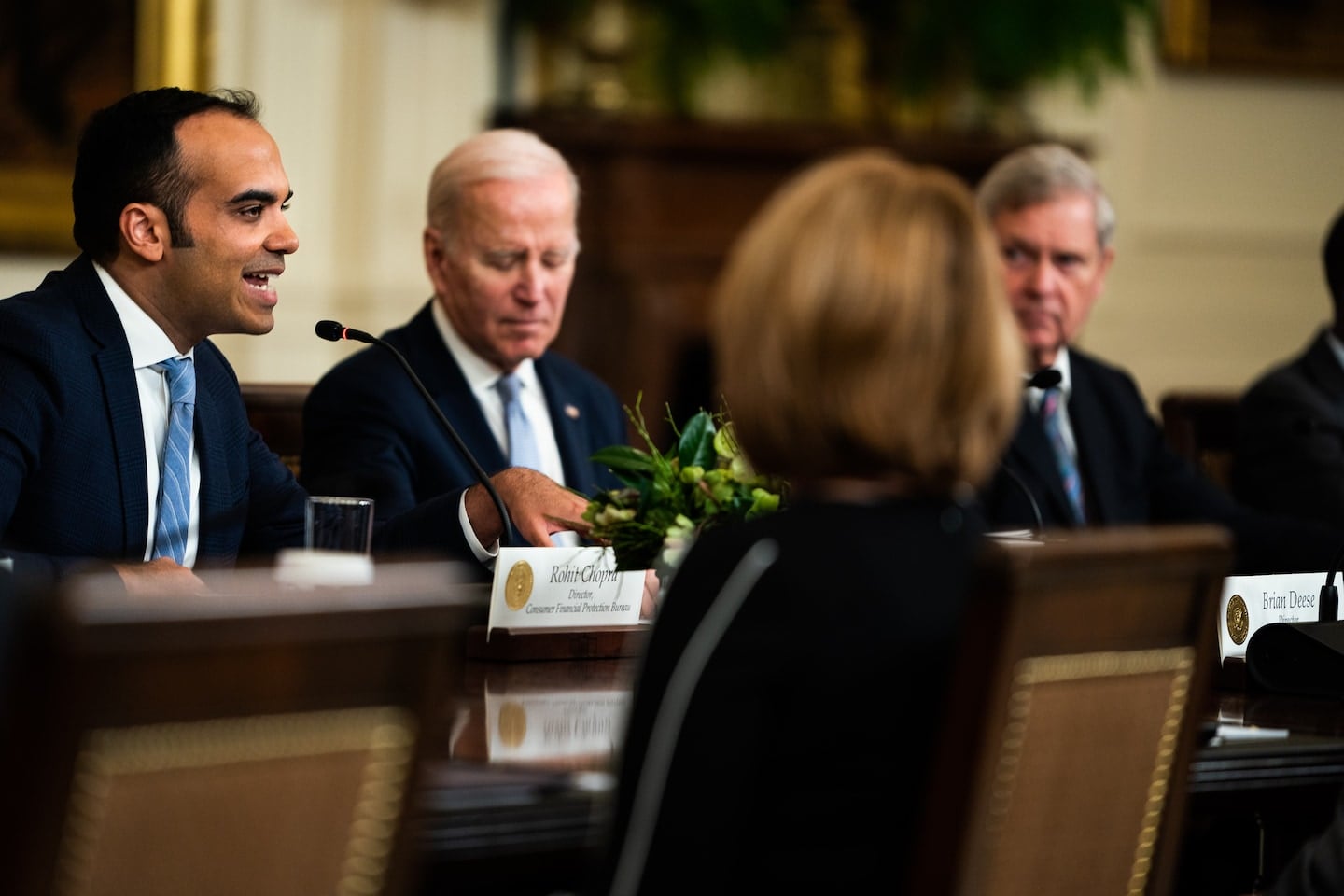
The Consumer Financial Protection Bureau (CFPB) is proposing new rules to rein in overdraft fees charged by large banks, aiming to empower consumers to manage their overdraft loans more effectively. CFPB Director Rohit Chopra argues that the proposed changes seek to close loopholes and establish fairer, upfront terms for customers, potentially saving the average family dealing with these fees about $150 per year. While banks may seek to find profits elsewhere, Chopra believes the proposal is reasonable and could lead to a more competitive and fair market, with public input shaping strong guardrails against unfair practices. Additionally, the CFPB is also looking into regulating other fees charged by financial firms and big tech payment systems.
The Biden administration has proposed a new rule aimed at reducing bank overdraft fees to as low as $3, potentially saving families $3.5 billion annually. The rule would close a regulatory loophole allowing banks to charge high fees, and financial institutions with over $10 billion in assets would be affected. While the proposal has drawn criticism from industry groups, it aims to provide relief to vulnerable Americans and promote fair lending practices.
The Biden administration has proposed a new rule that could reduce overdraft fees to as low as $3, aiming to alleviate the burden on American consumers, particularly those living paycheck to paycheck. The rule, put forth by the Consumer Financial Protection Bureau, would require banks to justify their costs for providing overdraft services and potentially eliminate billions of dollars in fee revenue for major banks. The proposal, which aims to combat what President Biden calls "exploitation" by banks, would apply to financial institutions with over $10 billion in assets and could go into effect in the autumn of 2025, but is expected to face strong opposition from the banking industry.
The U.S. government has proposed new rules to limit bank overdraft fees, potentially capping charges as low as $3, in an effort to aid low-income Americans and save consumers about $3.5 billion annually in fees. The Consumer Financial Protection Bureau's draft proposal, which would only apply to the largest banks, has faced opposition from major financial institutions, despite previous pressure leading some banks to lower their fees. The proposal reflects a broader campaign to crack down on "junk fees," with President Biden criticizing companies for profiteering. The banking industry has pushed back against the proposal, arguing that overdraft charges are valuable and highly regulated.