Tag

Banking System

All articles tagged with #banking system

"Governor Bowman Addresses Future Implications of Bank Mergers and Acquisitions"
finance1 year ago

"Governor Bowman Addresses Future Implications of Bank Mergers and Acquisitions"

Governor Michelle W. Bowman expressed concerns about the regulatory trajectory and its impact on the future of banking, particularly focusing on bank mergers and acquisitions, de novo bank formation, and regulatory approvals in the banking system. She highlighted the challenges faced by banks, especially smaller ones, in complying with voluminous regulatory changes and emphasized the need for a more focused and prioritized reform agenda. Additionally, she raised concerns about the evolving approach to bank mergers and acquisitions by prudential regulators, emphasizing the importance of improving the speed and timeliness of regulatory decision-making and ensuring that the regulatory review process is fair, transparent, and consistent with applicable statutes.

real-estate1 year ago

"Rising Commercial and Multifamily Mortgage Debt: Who Bears the Burden?"

Multifamily commercial real estate (CRE) mortgages have increased by 4.4% year-over-year to $2.09 trillion, with the majority (54.8%) held by US government agencies, government-sponsored enterprises, and state and local government entities, putting taxpayers on the hook. US banks and foreign banks hold 29.3%, while life insurers hold 11.3%. The Federal Reserve is more concerned about potential contagion across the banking system than individual bank losses, as the $612 billion in multifamily loans held by US banks represents less than 3% of their total assets. However, some smaller banks with concentrated exposure may face challenges, and the FDIC may need to intervene in such cases.

"IMF Warns of Potential Repeat US Banking Crisis"
finance2 years ago

"IMF Warns of Potential Repeat US Banking Crisis"

The next US financial crisis could resemble the last, with debt boom and default cycles remaining consistent throughout history. The crisis, anticipated to occur electronically, may be aggravated by the alienation of customers due to the growing automation of financial institutions and the closure of physical banking services in certain areas. The Dodd-Frank Act's "bail-in" approach may face challenges due to inadequate resources, potentially leading to a request for another large bailout, prompting the House Republican Congress to seek measures to lastingly obviate banking system bailouts.

"Rising Systemic Risk: Commercial Real Estate Woes Threaten Financial Stability"
finance2 years ago

"Rising Systemic Risk: Commercial Real Estate Woes Threaten Financial Stability"

Fund managers are increasingly concerned that trouble in the commercial real estate sector could lead to a credit crisis in the U.S., with the potential for a systemic credit event identified as a top risk to markets. About $1.5 trillion in commercial mortgage debt is due by the end of 2025, and steeper borrowing costs, tighter credit conditions, and declining property values due to remote work have increased the risk of default. Small and regional banks, which hold about 80% of the sector's outstanding debt, are at the center of the potential upheaval, with concerns that lending standards could become significantly more restrictive. Treasury Secretary Janet Yellen has downplayed the potential impact on the banking system, stating that while there may be additional bank stress and financial losses, it is not expected to pose a systemic risk.

"Federal Reserve Board Unveils 2024 Stress Test Scenarios"
finance2 years ago

"Federal Reserve Board Unveils 2024 Stress Test Scenarios"

The Federal Reserve Board has released the hypothetical scenarios for its annual stress test, which evaluates the resilience of large banks by estimating losses, net revenue, and capital levels under severe recession scenarios. This year's test includes a global recession with heightened stress in real estate and corporate debt markets, and for the first time, an "exploratory analysis" with four hypothetical elements to probe different risks in the banking system. The exploratory analysis will not affect bank capital requirements, and the results will be published alongside the annual stress test results in June 2024.

"Federal Reserve Board to End Bank Term Funding Program on March 11"
finance2 years ago

"Federal Reserve Board to End Bank Term Funding Program on March 11"

The Federal Reserve Board has announced that the Bank Term Funding Program (BTFP) will stop issuing new loans as scheduled on March 11, after having provided support for the economy and banking system during a period of stress last spring. The program will continue to make loans until that date, and eligible institutions will still have access to the discount window for liquidity needs. The interest rate for new BTFP loans has been adjusted to ensure support in the current interest rate environment, effective immediately.

The Impact of New Banking Regulations on Mortgage Rates and Bank Accounts
finance2 years ago

The Impact of New Banking Regulations on Mortgage Rates and Bank Accounts

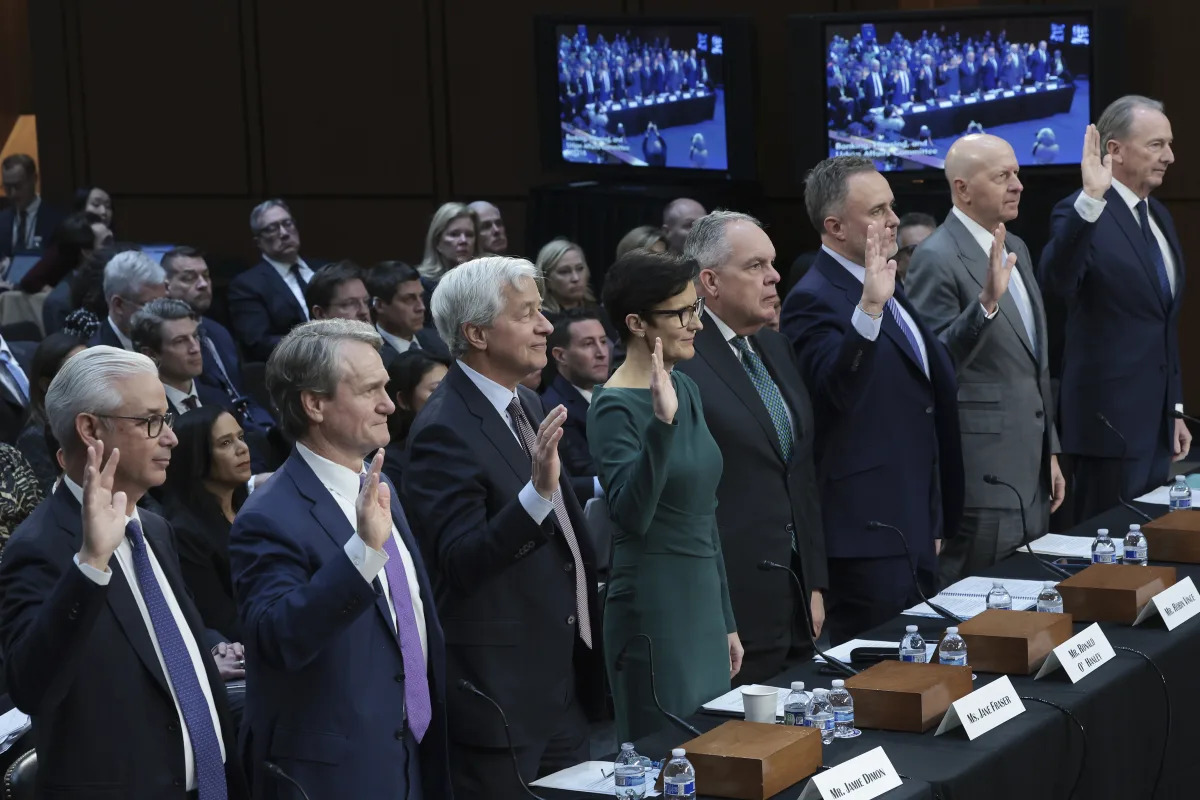
New proposals to raise capital requirements at Wall Street banks could have negative consequences for American homeowners, warns banking analyst Meredith Whitney. She believes that these rules will make it harder for small businesses and individuals to access capital, potentially leading to a 30% increase in mortgage rates. Whitney also highlights the risk of a "silver tsunami" as baby boomers downsize, which could cause home prices to decline. JPMorgan CEO Jamie Dimon echoes these concerns, stating that the new requirements could make mortgages and loans more expensive, while also pushing up consumer prices and retirement savings costs. Whitney further cautions that the proposal may drive more banking activity to non-regulated lenders, making lending even more expensive.

Bank Deposit Delays: Frustrated Customers Await Payment
finance2 years ago

Bank Deposit Delays: Frustrated Customers Await Payment

Some customers in the United States are still waiting for their direct deposit paychecks due to a "human error" in the Automated Clearing House (ACH) payments system. The issue, which emerged on Friday, has caused delays in payments and has affected multiple financial institutions. The Clearing House, the operator of ACH, is working with banks and the Federal Reserve to resolve the issue. While some delayed payments have been processed, it is unclear how widespread the impact is and how long it will take for all customers to receive their deposits. Federal regulators are monitoring the situation, and customers have expressed frustration over the lack of communication from their banks.

China Boosts Liquidity Support for Banking System
economy2 years ago

China Boosts Liquidity Support for Banking System

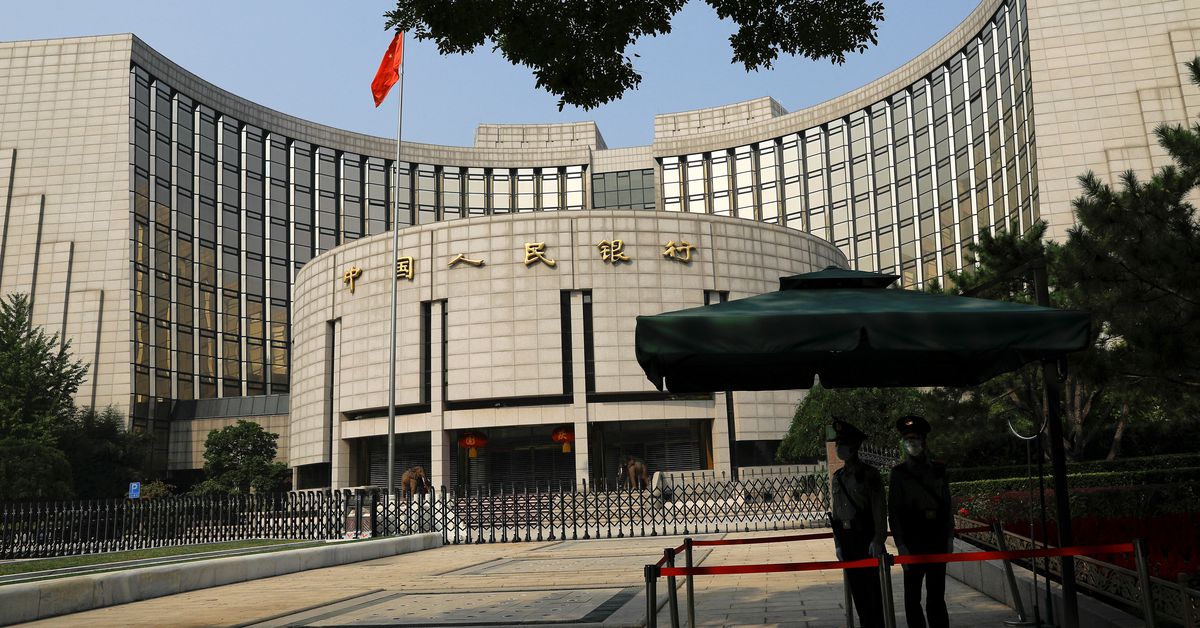
The People's Bank of China (PBOC) has increased liquidity support to the banking system by rolling over medium-term policy loans, injecting 289 billion yuan ($39.6 billion) of fresh liquidity, the largest net injection in nearly three years. The PBOC kept the interest rate on one-year policy loans unchanged at 2.50% amid concerns about the risk of further yuan declines. The central bank aims to balance providing ample liquidity to aid the struggling economy while stabilizing the yuan amidst expectations of higher US rates. Chinese local governments are rushing to issue special refinancing bonds to repay outstanding liabilities, and tax collections in October are expected to cause liquidity stress. Analysts anticipate further monetary easing measures from the PBOC in the near-term.

India Contemplates Extending Retirement Age for State-Owned Bank Executives
finance2 years ago

India Contemplates Extending Retirement Age for State-Owned Bank Executives

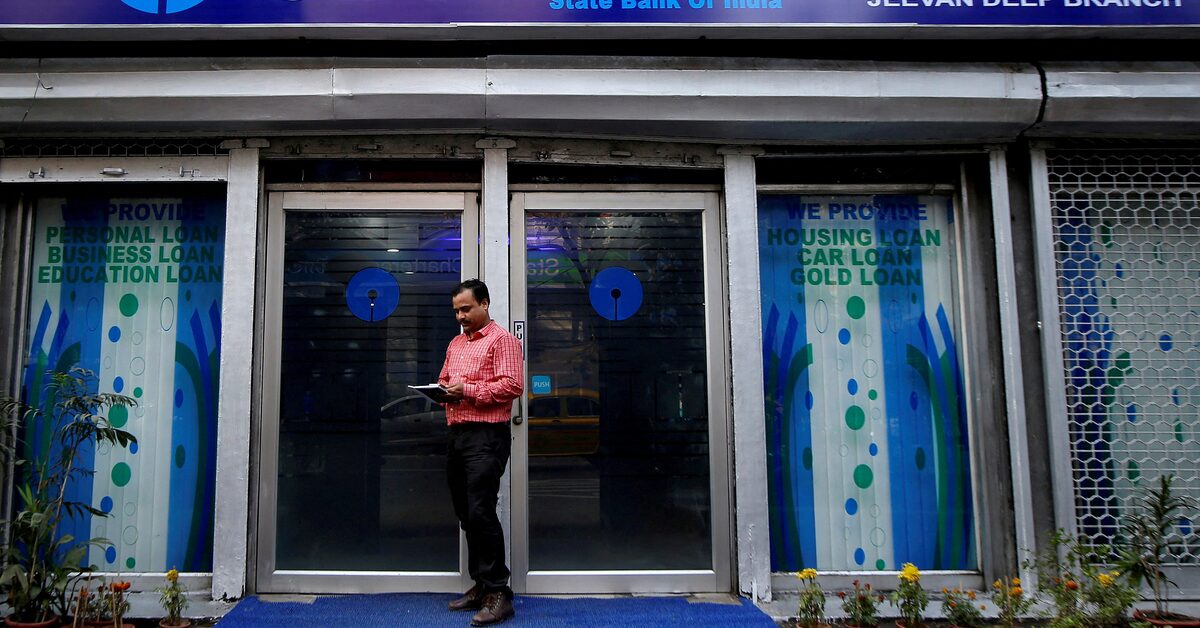
India is considering raising the retirement age for chairmen and managing directors of state-owned banks, with a proposal to increase the age limit for the chairman of State Bank of India (SBI) to 65 years from 63 years, and for managing directors of other state-owned banks to 62 years from 60. The current age limit for state-run bank chiefs is lower than their private sector counterparts, leading to a lack of continuity in strategy. The government is also planning to give a 10-month extension to the present SBI Chairman, Dinesh Khara, who is set to retire in October.

Wells Fargo Faces Widespread Banking System Issues and Customer Complaints
business2 years ago

Wells Fargo Faces Widespread Banking System Issues and Customer Complaints

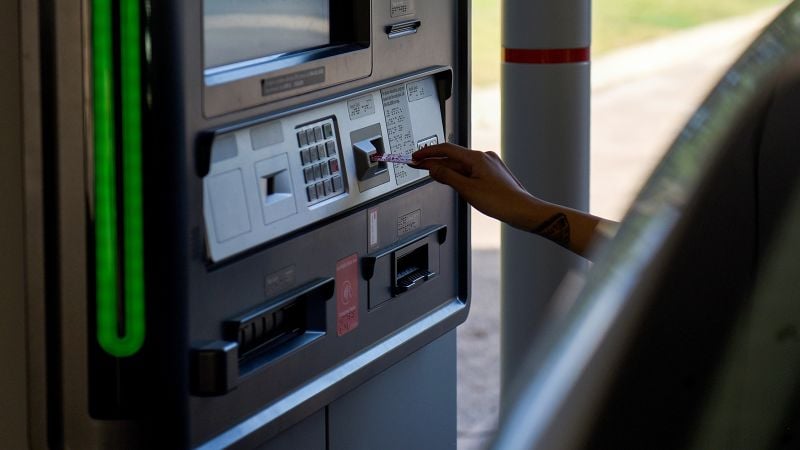
Wells Fargo experienced issues with its banking system, including problems with fund transfers and declining ATM cards. Customers reported complaints on Downdetector, and the bank acknowledged the intermittent issues. This is the second time this month that Wells Fargo has faced widespread system problems. In addition to these technical difficulties, the bank has faced controversy in recent years, including fines for "illegal activity" and the infamous fake-accounts scandal in 2016.

"Stock Market Slumps as Big Bank Stocks Take a Hit: Dow and Nasdaq Close Lower"
finance2 years ago

"Stock Market Slumps as Big Bank Stocks Take a Hit: Dow and Nasdaq Close Lower"

U.S. stock indexes closed lower as Moody's lowered credit ratings for several banks, renewing concerns about the health of the banking system. Regional bank shares, including KeyCorp and Comerica, performed poorly, dragging down financial stocks in the S&P 500. Bank of America, JPMorgan Chase, and Citigroup also declined. Chinese data showing a significant drop in exports and United Parcel Service lowering its financial outlook added to the cautious sentiment. Government bond prices climbed, pushing yields down, while Eli Lilly's strong earnings boosted the S&P 500. International Flavors & Fragrances, however, saw a significant drop in sales forecast, leading to a decline in its shares. Chinese and European indexes also closed lower.

FedNow Service: Revolutionizing Payments with Real-Time Technology
finance2 years ago

FedNow Service: Revolutionizing Payments with Real-Time Technology

The U.S. Federal Reserve is set to launch its long-awaited "FedNow" service, aiming to modernize the country's payment system by allowing Americans to send and receive funds in seconds, 24/7. The service will eliminate the current several-day lag in cash transfers, bringing the U.S. in line with other countries. Initially opposed by big banks, many have now agreed to participate, recognizing the opportunity to expand their services. FedNow will settle payments directly in central bank accounts, benefiting consumers and small businesses the most. Smaller banks welcomed the service as it allows them access to real-time payments without relying on larger competitors. FedNow will have a maximum payment limit of $500,000 initially, and concerns about potential bank runs have been downplayed by Fed officials.