Tag

Consumer Financial Protection Bureau

All articles tagged with #consumer financial protection bureau

Trump Proposes One-Year 10% Cap on Credit Card Interest Rates

Originally Published 2 days ago — by Politico

Featured image for Trump Proposes One-Year 10% Cap on Credit Card Interest Rates
Source: Politico

President Trump announced plans to temporarily cap credit card interest rates, but the legal authority for such a move is uncertain without congressional approval. Legislation proposing a 10% cap has been introduced in Congress, and the move is part of broader populist economic measures aimed at addressing high living costs. The average credit card rate is currently 22.3%, significantly higher than in 2013.

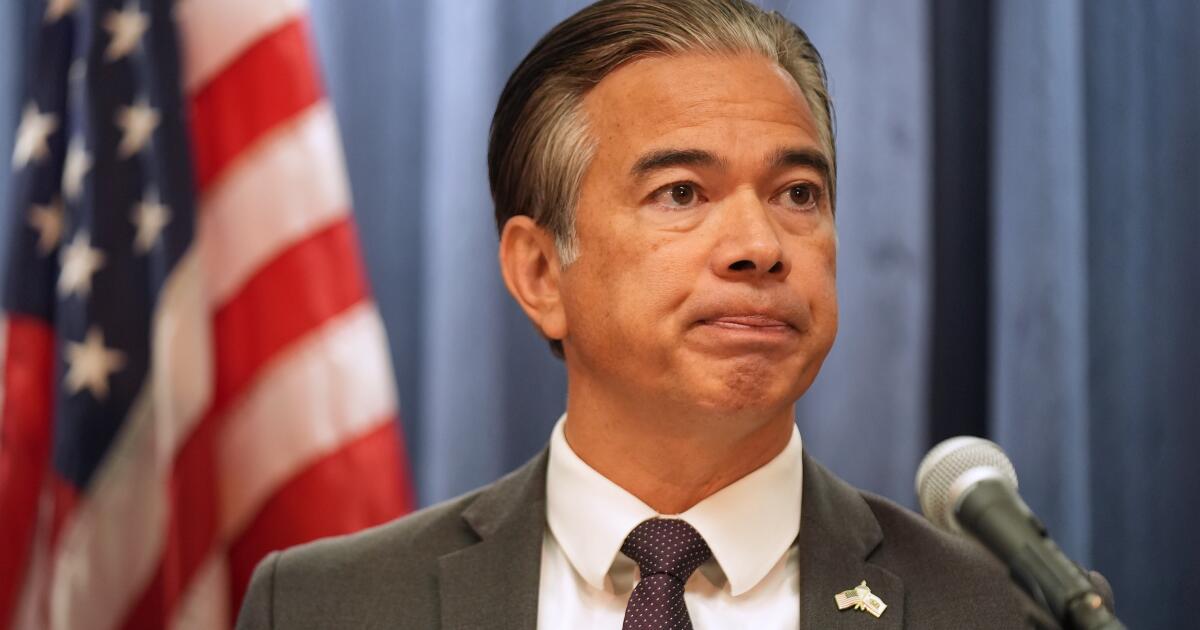
States sue Trump administration to protect CFPB funding and operations

Originally Published 20 days ago — by Los Angeles Times

Featured image for States sue Trump administration to protect CFPB funding and operations
Source: Los Angeles Times

California and 20 other states filed a lawsuit to prevent the defunding and shutdown of the Consumer Financial Protection Bureau by the Trump administration, arguing that the agency's funding and operations are being unlawfully targeted, which could impair consumer protection efforts.

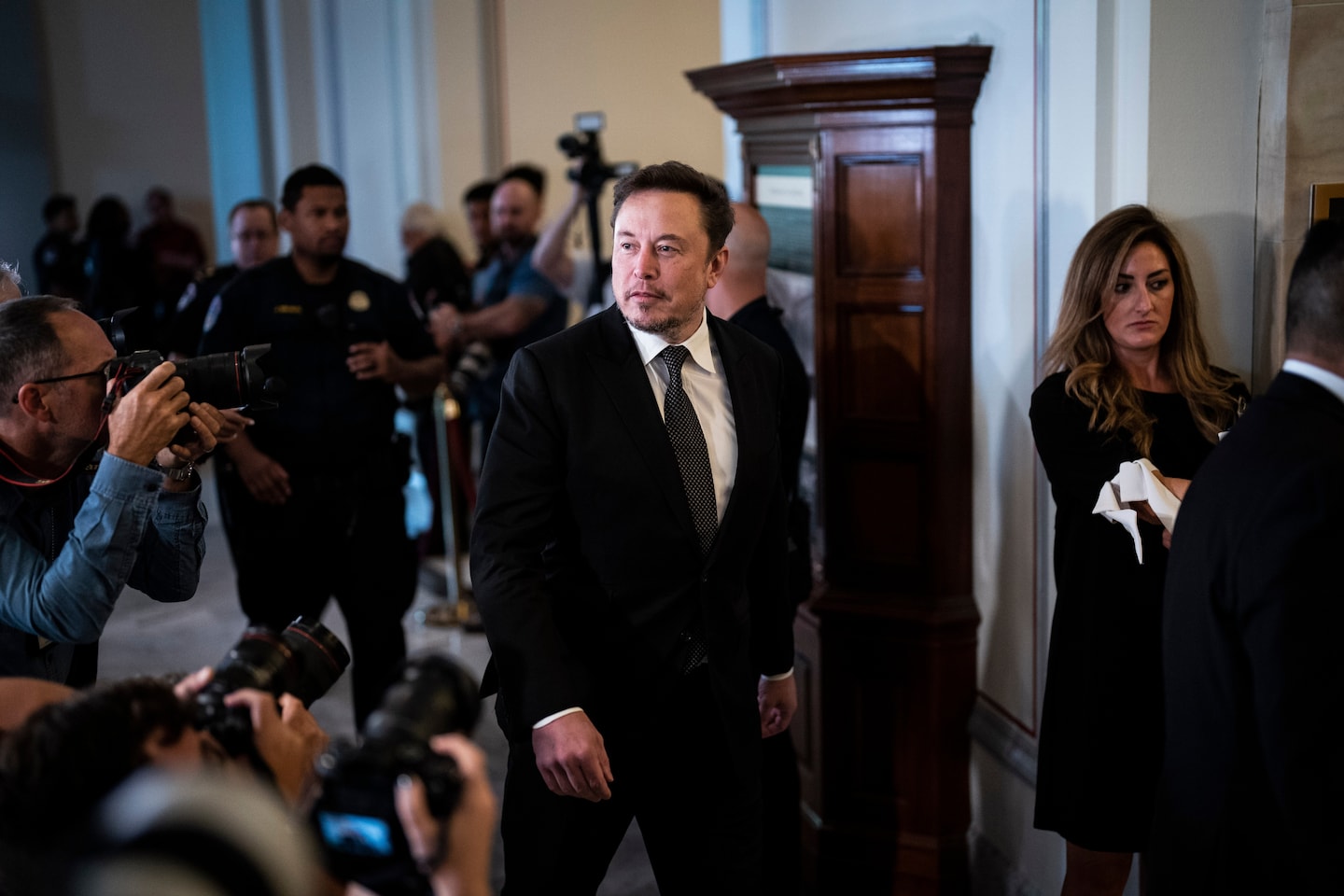
Elon Musk Targets Federal Watchdog Amid DOGE Developments

Originally Published 1 year ago — by The Washington Post

Featured image for Elon Musk Targets Federal Watchdog Amid DOGE Developments
Source: The Washington Post

Elon Musk has called for the elimination of the Consumer Financial Protection Bureau (CFPB), labeling it as a redundant regulatory agency. This suggestion aligns with President-elect Donald Trump's plans to review government spending. Musk's comments were made on X, the social media platform he owns.

Musk Urges Elimination of Consumer Finance Protection Bureau

Originally Published 1 year ago — by Bloomberg

Featured image for Musk Urges Elimination of Consumer Finance Protection Bureau
Source: Bloomberg

Elon Musk has called for the abolition of the Consumer Financial Protection Bureau (CFPB), aligning with Republican and business group sentiments against the agency. This comes amid a renewed focus on regulatory reform under President-elect Donald Trump, with Musk arguing that there are too many overlapping regulatory bodies.

Trump Administration Targets Overhaul of Consumer Financial Protection Bureau

Originally Published 1 year ago — by The Washington Post

Featured image for Trump Administration Targets Overhaul of Consumer Financial Protection Bureau
Source: The Washington Post

President-elect Donald Trump and Congressional Republicans are considering significant changes to the Consumer Financial Protection Bureau (CFPB), aiming to reduce its powers and funding. This move aligns with the interests of major financial institutions like banks and mortgage lenders, which have opposed the CFPB's regulations under Democratic leadership, including efforts to eliminate "junk fees."

USDA to Eliminate School Lunch Fees for Low-Income Families by 2027

Originally Published 1 year ago — by CBS News

Featured image for USDA to Eliminate School Lunch Fees for Low-Income Families by 2027
Source: CBS News

The U.S. Department of Agriculture announced that starting in the 2027-2028 school year, students eligible for free or reduced-price school meals will no longer be charged processing fees, which can significantly increase costs for low-income families. This decision follows a Consumer Financial Protection Bureau report highlighting the financial burden these fees place on families, with some paying up to 60 cents per dollar in fees. The USDA aims to reduce costs for families earning under 185% of federal poverty guidelines and is working towards providing free healthy school meals for all children.

"CFPB Implements New Rules to Protect Buy Now, Pay Later Customers"

Originally Published 1 year ago — by NBC News

Featured image for "CFPB Implements New Rules to Protect Buy Now, Pay Later Customers"
Source: NBC News

The Biden administration has granted consumers using "buy now, pay later" (BNPL) services the same legal protections as credit card users, allowing them to dispute charges, demand refunds for returned products, and receive periodic billing statements. The Consumer Financial Protection Bureau's ruling aims to address the lack of protections for BNPL users, as the popularity of these services grows, particularly among younger consumers. However, BNPL firms may push back against the ruling, arguing that their products are fundamentally different from credit cards.

"Chamber Sued Over CFPB Decision as House Panel Approves Credit Card Late Fee Rule Repeal"

Originally Published 1 year ago — by Rolling Stone

Featured image for "Chamber Sued Over CFPB Decision as House Panel Approves Credit Card Late Fee Rule Repeal"
Source: Rolling Stone

Despite their complaints about Americans' financial struggles, Republicans are pushing to repeal a Consumer Financial Protection Bureau rule that reduces credit card late fees, arguing that it will harm responsible consumers and shift costs. Critics argue that the new limits would benefit consumers, especially those living paycheck to paycheck. Analysis shows that Republicans on the committee have received significant funding from industry groups opposing the rule. The proposed policies to eliminate junk fees and increase rate transparency are popular among consumers but face opposition from Republicans.

"Department Stores Navigate New Challenges with Credit Card Revenue and Fees"

Originally Published 1 year ago — by CNBC

Featured image for "Department Stores Navigate New Challenges with Credit Card Revenue and Fees"
Source: CNBC

Department stores like Macy's and Kohl's are facing a potential revenue squeeze as the Consumer Financial Protection Bureau's new rule will cap late fees on store-branded credit cards at $8, down from an industry average of around $32, starting this spring. This change is expected to impact retailers' highly profitable business of making money from customers' credit card swipes and the interest or late fees that get tacked onto their unpaid balances. Specialty retailers with store cards, such as Gap, will also feel the pinch, but it'll be most significant at department stores, which are already under pressure due to declining revenue. Retailers are exploring strategies to offset the potential losses, such as increasing APRs or transitioning customers to co-branded cards that can be used for other purchases.

"Texas Judge Transfers Credit Card Fee Lawsuit to Washington, D.C. Amid Biden Administration's Push for Fee Caps"

Originally Published 1 year ago — by Reuters

Featured image for "Texas Judge Transfers Credit Card Fee Lawsuit to Washington, D.C. Amid Biden Administration's Push for Fee Caps"
Source: Reuters

A federal judge in Texas has transferred a lawsuit challenging a rule on credit card late fees to a court in Washington, D.C. The lawsuit, brought by business groups against the Consumer Financial Protection Bureau, seeks to block the rule, which is set to take effect in May. The judge's decision to transfer the case was based on the location of the plaintiffs and lawyers, as well as the absence of any card issuer subject to the rule in Fort Worth. The rule aims to limit "excessive" late fees charged by credit card issuers, and the lawsuit's transfer reflects ongoing legal battles over Biden administration policies in conservative-leaning courts.

"Texas Judge Transfers Credit Card Fee Lawsuit to Washington, D.C. Amid Accusations of Venue Shopping"

Originally Published 1 year ago — by Fortune

Featured image for "Texas Judge Transfers Credit Card Fee Lawsuit to Washington, D.C. Amid Accusations of Venue Shopping"
Source: Fortune

A Texas federal judge criticized major banking industry groups and the U.S. Chamber of Commerce for choosing Texas as the venue to challenge the Consumer Financial Protection Bureau's regulations on credit card late fees, ruling that the lawsuit should be transferred to Washington. The judge accused the industry of "venue shopping" and emphasized that the choice of venue should not be at the plaintiff's whim. The lawsuit concerns the CFPB's new regulations capping credit card late fees, with the banking industry seeking to block the rule due to potential revenue losses.

"Biden's $8 Cap on Credit Card Late Fees Aims to Ease Financial Burden on Americans"

Originally Published 1 year ago — by CNBC

Featured image for "Biden's $8 Cap on Credit Card Late Fees Aims to Ease Financial Burden on Americans"
Source: CNBC

The Consumer Financial Protection Bureau (CFPB) has finalized a rule capping credit card late fees at $8 per incident, down from an industry average of $32, in an effort to eliminate "junk fees" and save consumers over $10 billion annually. This new regulation closes a loophole that allowed automatic fee increases without evidence of increased costs, and is part of the Biden administration's push to curb unnecessary charges. While this move benefits consumers, credit card issuers may respond by raising other fees or tightening card approvals.

"Biden Administration Caps Credit Card Late Fees at $8 in Crackdown on Excessive Charges"

Originally Published 1 year ago — by ABC News

Featured image for "Biden Administration Caps Credit Card Late Fees at $8 in Crackdown on Excessive Charges"
Source: ABC News

The Biden administration has finalized a rule through the Consumer Financial Protection Bureau to reduce credit card late fees, estimated to save families $10 billion annually. The rule will cap late fees at $8, preventing automatic increases based on inflation and closing a loophole that allowed fees to balloon to $41. Industry groups representing banks and credit card issuers oppose the rule, arguing it could lead to increased interest rates. President Biden highlighted this effort, along with others, to lower costs for Americans ahead of the upcoming election and his State of the Union address.

"Biden Administration Caps Credit Card Late Fees at $8 in Crackdown on Junk Fees"

Originally Published 1 year ago — by The Associated Press

Featured image for "Biden Administration Caps Credit Card Late Fees at $8 in Crackdown on Junk Fees"
Source: The Associated Press

The Biden administration has announced a rule to cap all credit card late fees at $8, aiming to end what it calls junk fees and save Americans up to $10 billion a year. President Biden highlighted this proposal as part of efforts to reduce costs for Americans, along with forming a strike force to crack down on unfair pricing in various sectors. However, the move has faced criticism from some lawmakers and industry representatives, who argue that it could lead to higher interest rates and decreased access to credit. The administration's broader efforts to eliminate junk fees have not significantly boosted Biden's approval ratings on economic leadership, and concerns are rising over growing credit card debt and delinquency rates.

"Biden Administration's $8 Cap on Credit Card Late Fees Sparks Industry Backlash"

Originally Published 1 year ago — by NBC News

Featured image for "Biden Administration's $8 Cap on Credit Card Late Fees Sparks Industry Backlash"
Source: NBC News

The Biden administration is proposing a $8 cap on credit card late fees, aiming to save consumers $10 billion, but the banking industry warns it could lead to higher interest rates and unintended consequences. The American Bankers Association and the Consumer Bankers Association argue that the rule could result in more late payments, lower credit scores, and reduced access to credit. The U.S. Chamber of Commerce is suing over the proposed rule, claiming it punishes those who pay on time. The rule, which only applies to large credit card companies, allows banks to charge a higher late fee under a "show your work" provision.