Tag

Vulnerable Populations

All articles tagged with #vulnerable populations

religion22 days ago

Presiding Bishop Urges Support for Episcopal Ministries in Christmas Message

Presiding Bishop Sean Rowe's Christmas message highlights the journey and challenges faced by those in the Nativity story, emphasizing Jesus' arrival as a sign of hope and renewal. He encourages support for three Episcopal ministries—Episcopal Migration Ministries, Good Friday Offering, and Episcopal Relief & Development—that serve the vulnerable, urging donations to help bring God's kingdom closer to those in need.

health-policy1 year ago

"Debate Over CDC's COVID Isolation Guidelines Sparks Concern Among Vulnerable Populations"

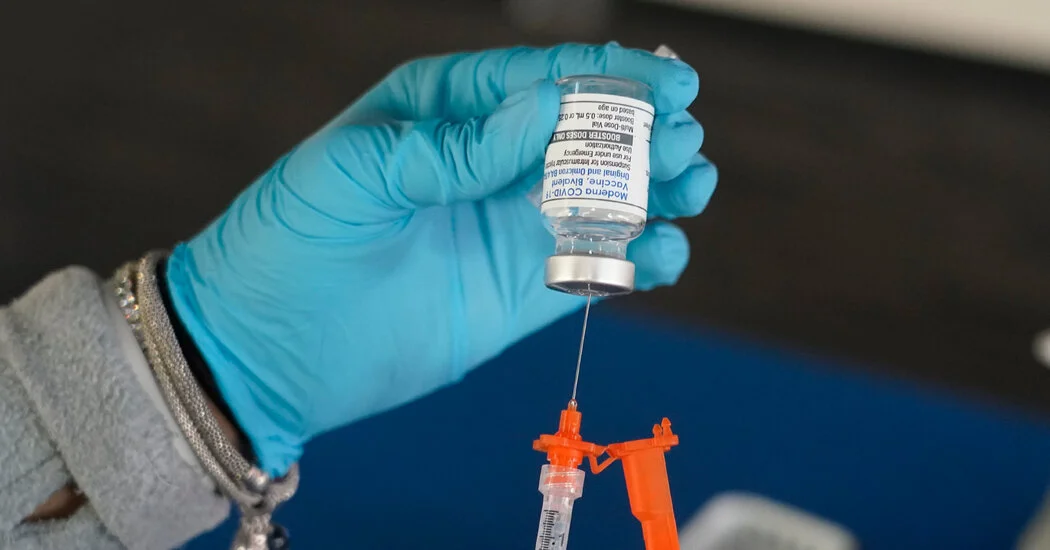
The CDC is preparing to ease covid isolation guidance, alarming medically vulnerable individuals who fear returning to work while still contagious. Critics argue that treating covid like other respiratory viruses overlooks its higher hospitalization and mortality rates, as well as long-term complications. While some support the change, concerns remain about its impact on community transmission and the risk to immunosuppressed individuals. The shift also raises questions about paid leave policies and the potential consequences for public health and workplace productivity.

health2 years ago

COVID-19 Hospitalizations Surge 30% as Virus Persists

COVID-19 hospitalizations have increased by nearly 30% in just four weeks, with seniors aged 65 and older being the most affected group. Adults aged 50 to 64 and infants/children under four years old are also being hospitalized at rising rates. The decline in vaccination rates, particularly for the updated vaccine, is contributing to the surge in hospitalizations. Experts warn that the virus is still very much present and urge people to remain vigilant, especially during the holiday season, by practicing good hygiene, staying home if unwell, ensuring proper ventilation, and considering wearing masks in crowded settings.

health2 years ago

COVID-19 Hospitalizations Surge as Cases Rise and ICU Beds Dwindle

COVID-19 hospitalizations in the US have been increasing for nearly a month, with rates highest among the oldest and youngest Americans, according to data from the CDC. Senior citizens aged 65 and older have the highest rate of hospitalizations, partly due to age being a risk factor for severe disease and waning vaccine immunity. Middle-aged adults and children under age 4 also have elevated hospitalization rates. Experts attribute the increase to factors such as the emergence of chronic underlying conditions, low uptake of updated vaccines, and limited access to treatments like Paxlovid. It is crucial to remain vigilant, practice good hygiene, ensure proper ventilation, and get vaccinated to protect vulnerable populations during the holiday season.

health2 years ago

Rising Temperatures Pose Deadly Threat to Americans

A new study from the University of Pennsylvania warns that the number of cardiovascular-related deaths due to extreme heat could increase by 162 to 233 percent by the middle of this century in the United States. The study analyzed mortality and temperature data patterns from 2008 to 2019 and modeled future trends based on different emission scenarios. The research highlights the impact of climate change on human health and emphasizes the importance of implementing environmental policies to curb greenhouse gas emissions. Vulnerable populations, such as Black adults and the elderly, are most at risk from heat-related deaths.

health2 years ago

Rising Heat: Dire Projections for Heart-Related Deaths in the US

A new report warns that heat-related cardiovascular deaths in the US could triple by the end of the century due to climate change, with Black adults, seniors, and urban dwellers being particularly vulnerable. The study projects that if fossil fuel development continues and minimal efforts are made to reduce pollution, there could be 80 days of extreme heat each summer, resulting in about 5,500 excess deaths annually. Even with climate change mitigation measures, there could still be 71 days of extreme heat per year and a 2.6 times increase in heart-related mortality. The heart is especially susceptible to heat, and longer exposures can lead to increased inflammation and blood clotting. The study emphasizes the need for targeted solutions to protect vulnerable populations and reduce health inequities.

weather2 years ago

California October 2023 Heat Wave: When Will It Finally End?

A fall heat wave in California is expected to bring temperatures up to 15 degrees above normal, potentially breaking heat records. Heat advisories are in effect for Southern and Northern California, with temperatures reaching the 90s in some areas and above 100 in the low deserts. The unseasonably hot weather raises concerns for heat-related illnesses, particularly among vulnerable populations. Tips for staying safe during the heat wave include staying hydrated, visiting cooling centers, and checking on vulnerable individuals. Climate change is contributing to the increased frequency and intensity of heat waves, with greenhouse gas emissions and warming ocean waters playing a role. Extreme heat is a serious threat, disproportionately affecting the poor, elderly, and marginalized communities. Temperatures are expected to cool on Friday.

health2 years ago

Parasite Detected in Baltimore Drinking Water Raises Health Concerns

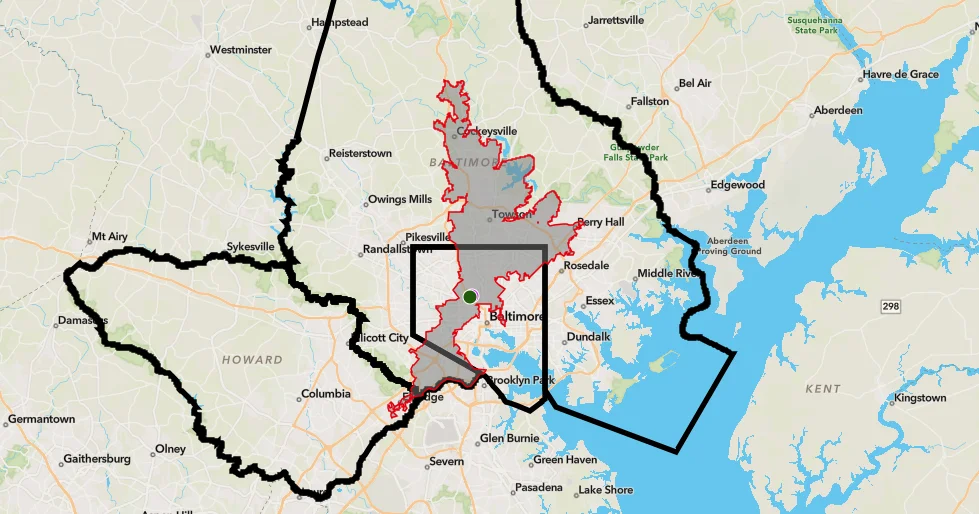
Low levels of the microscopic parasite Cryptosporidium were found in the drinking water of parts of Baltimore, Baltimore County, and Howard County, potentially causing gastrointestinal problems for vulnerable populations such as the immunocompromised, elderly, and children. The Baltimore Department of Public Works advises these populations to take precautions like boiling their drinking water, while assuring the general population that the water remains safe. The agency will conduct more frequent sampling and notify the public of the results until the parasite is no longer detected.

health2 years ago

COVID-19 Vaccines: Availability and Challenges

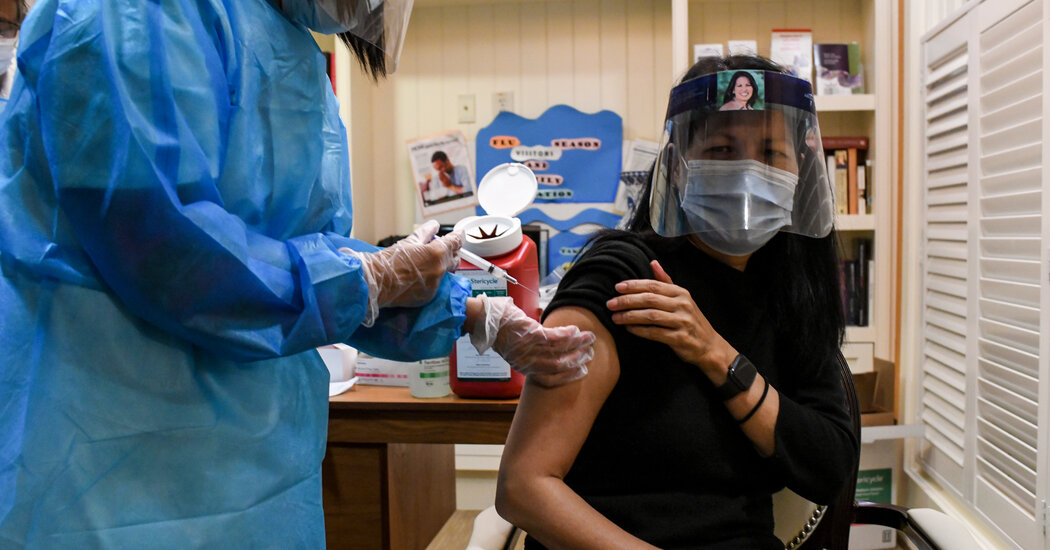
Many nursing homes in the United States are facing delays in administering Covid-19 vaccines to their residents and staff, despite rising infections among this vulnerable population. The federal government's decision to stop purchasing and distributing vaccines has added complications for nursing home operators, who are struggling to persuade employees to receive the shots. Only 62% of nursing home residents and 25% of employees are up-to-date on their vaccines. The rollout of a new vaccine for respiratory syncytial virus (R.S.V.) further adds to the administrative complexity. Resistance to vaccination among nurses and aides remains a significant obstacle, with many nursing homes relying on persuasion rather than mandates.

global-food-security2 years ago

"Rice Shortages and Soaring Prices Threaten Global Food Security"

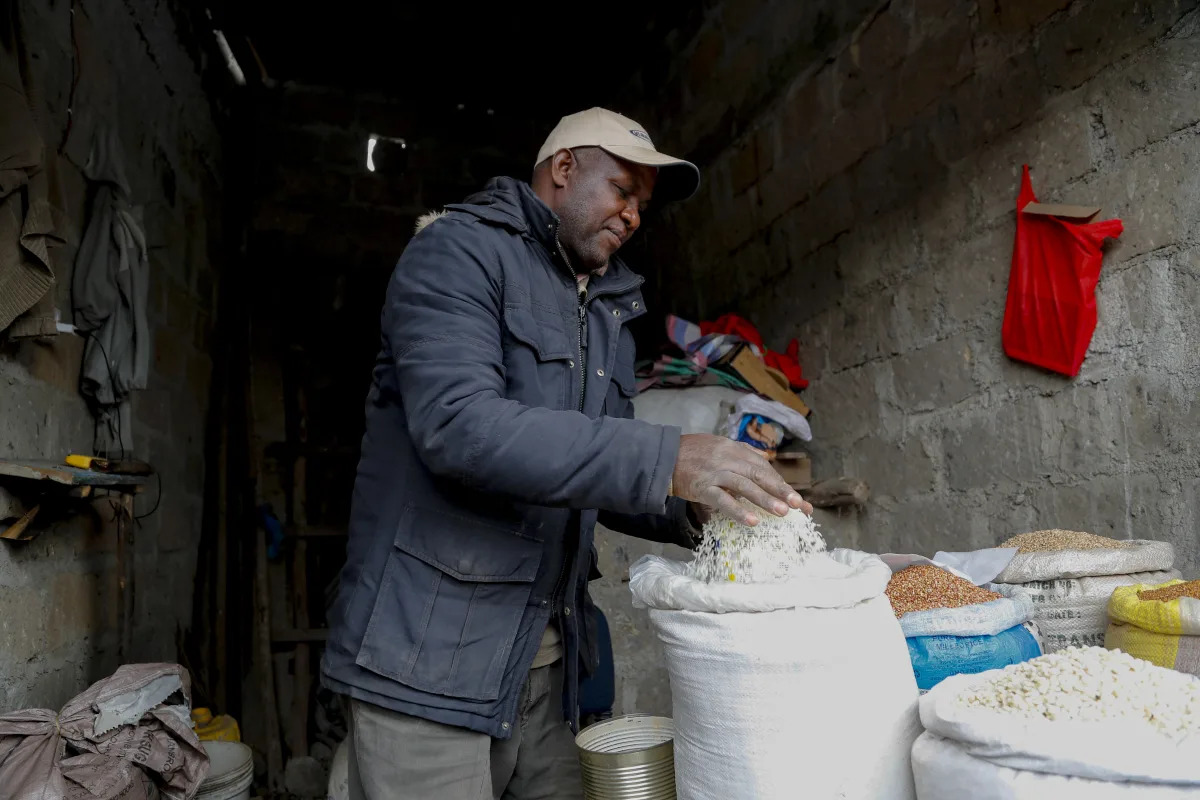
Global food security is at a critical juncture as rice shortages and surging prices impact vulnerable populations. Kenya's rice prices have soared due to higher fertilizer costs and a prolonged drought in the Horn of Africa, while India's ban on rice exports has created a gap of approximately 9.5 million metric tons. The El Nino weather phenomenon and Russia's halt on Ukrainian wheat exports further exacerbate the situation. Countries heavily dependent on rice imports, such as Senegal and the Philippines, are struggling to cope, while Asian nations, where 90% of the world's rice is grown and consumed, are grappling with production challenges. The global impact of these shortages and price hikes is significant, particularly for the most impoverished nations.

environment2 years ago

Record-breaking heat wave scorches Texas, millions affected.

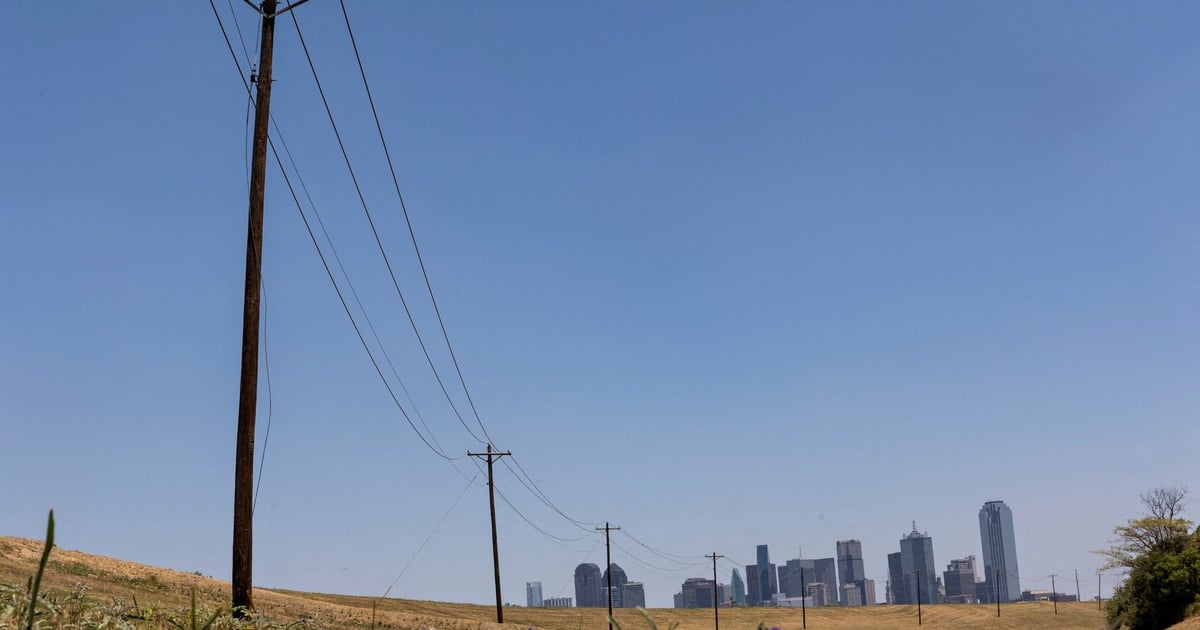
Several cities in South and West Texas have set temperature records due to a searing heat wave, prompting health advisories and pleas for energy conservation. The heat wave is straining utility infrastructure and drawing attention to the need for heat mitigation strategies for vulnerable populations. The state climatologist attributes the record heat to a range of factors, including near-record ocean temperatures in the Gulf of Mexico, a high-pressure system that is trapping heat over Texas, and climate change. The extreme heat is expected to continue for at least the next couple of weeks.

natural-disasters2 years ago

"San Francisco's 3,400 Concrete Buildings at Risk of Earthquake Damage"

A list of 3,400 San Francisco buildings that may be at risk of collapse in an earthquake has been compiled by the city, but officials are hesitant to release it due to concerns about causing unease among tenants and investors. The list is preliminary and could change as more information is gathered, but all the buildings were constructed with nonductile concrete before engineers fully understood how much reinforcement was needed to prevent crumbling during shaking. Retrofitting the buildings could cost millions of dollars per structure, and some owners may choose to demolish rather than retrofit. Many of the buildings on the list are associated with vulnerable populations, and retrofitting could displace tenants.

climate2 years ago

Record-breaking heatwave hits Southeast Asia, Vietnam sees highest temperature ever recorded.

Southeast Asia is experiencing a historic heat wave, with temperatures reaching well into triple digits and smashing all-time records in Vietnam and Laos. The extreme heat is posing grave threats to vulnerable populations and causing severe thunderstorms and flooding. The heat wave is linked to human-induced climate change, which makes heat waves more severe, frequent, and longer in duration. It's likely that significant excess mortality is occurring across Southeast Asia due to the intersection of heat stress and preexisting vulnerabilities.