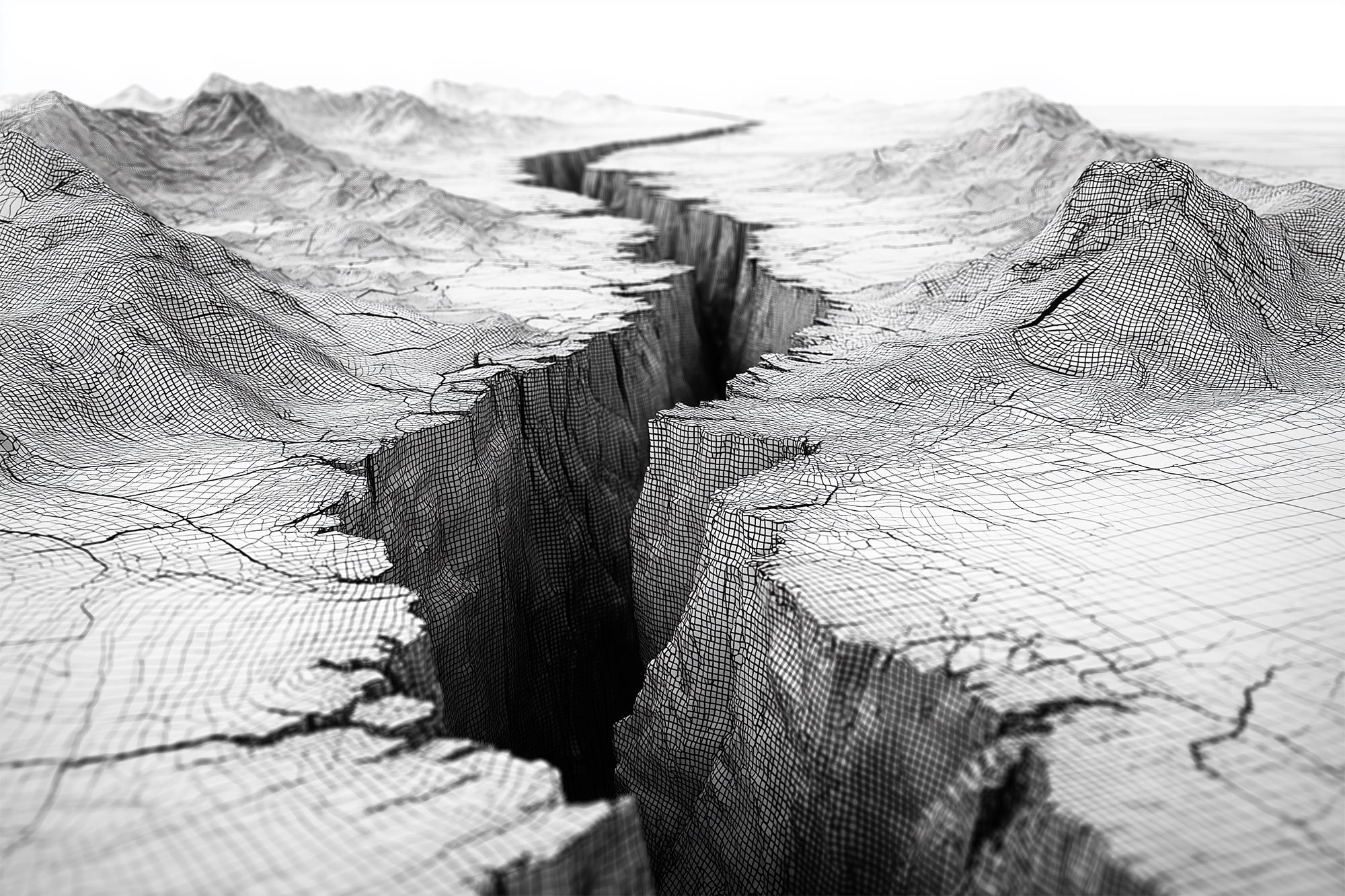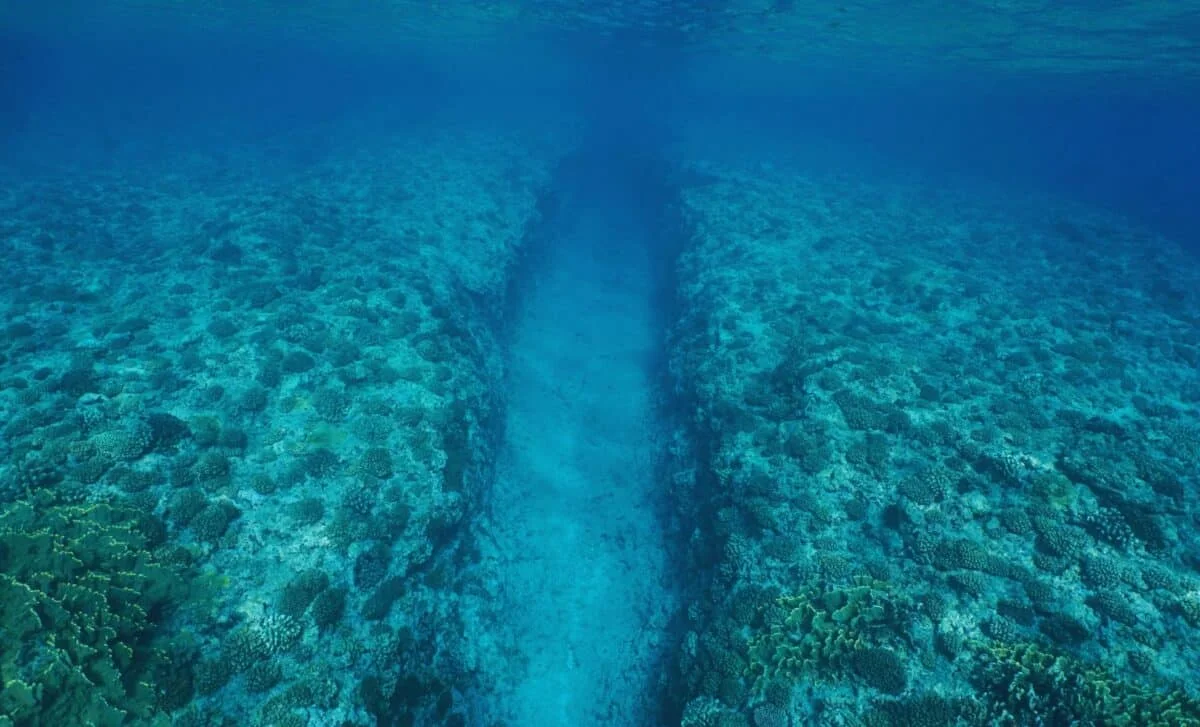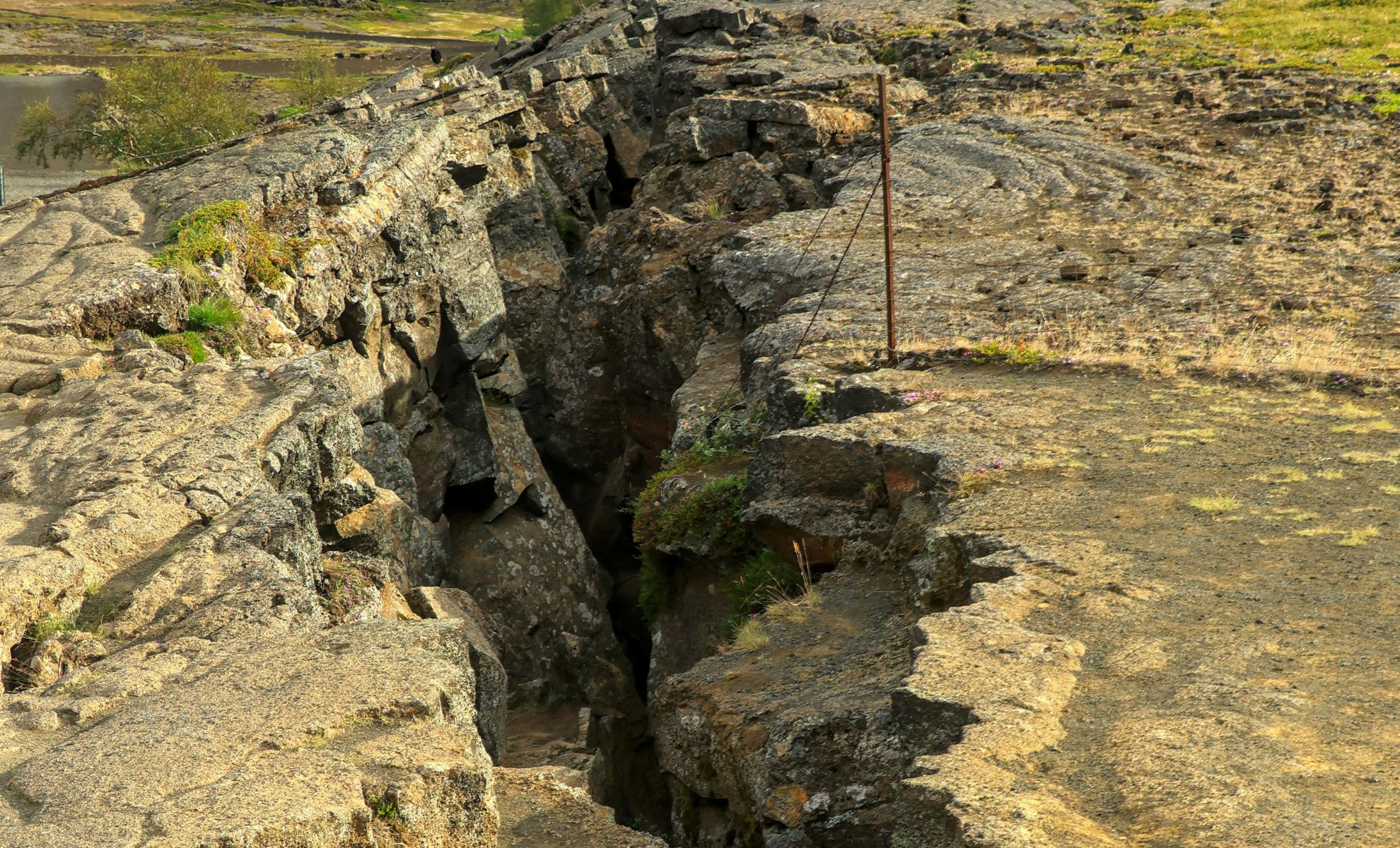
Scientists have discovered that Turkey's Tuz Gölü Fault is gradually widening at about one millimeter per year, revealing that it is an extensional fault where the land is moving apart, challenging previous assumptions and providing new insights into continental deformation and earthquake hazards.
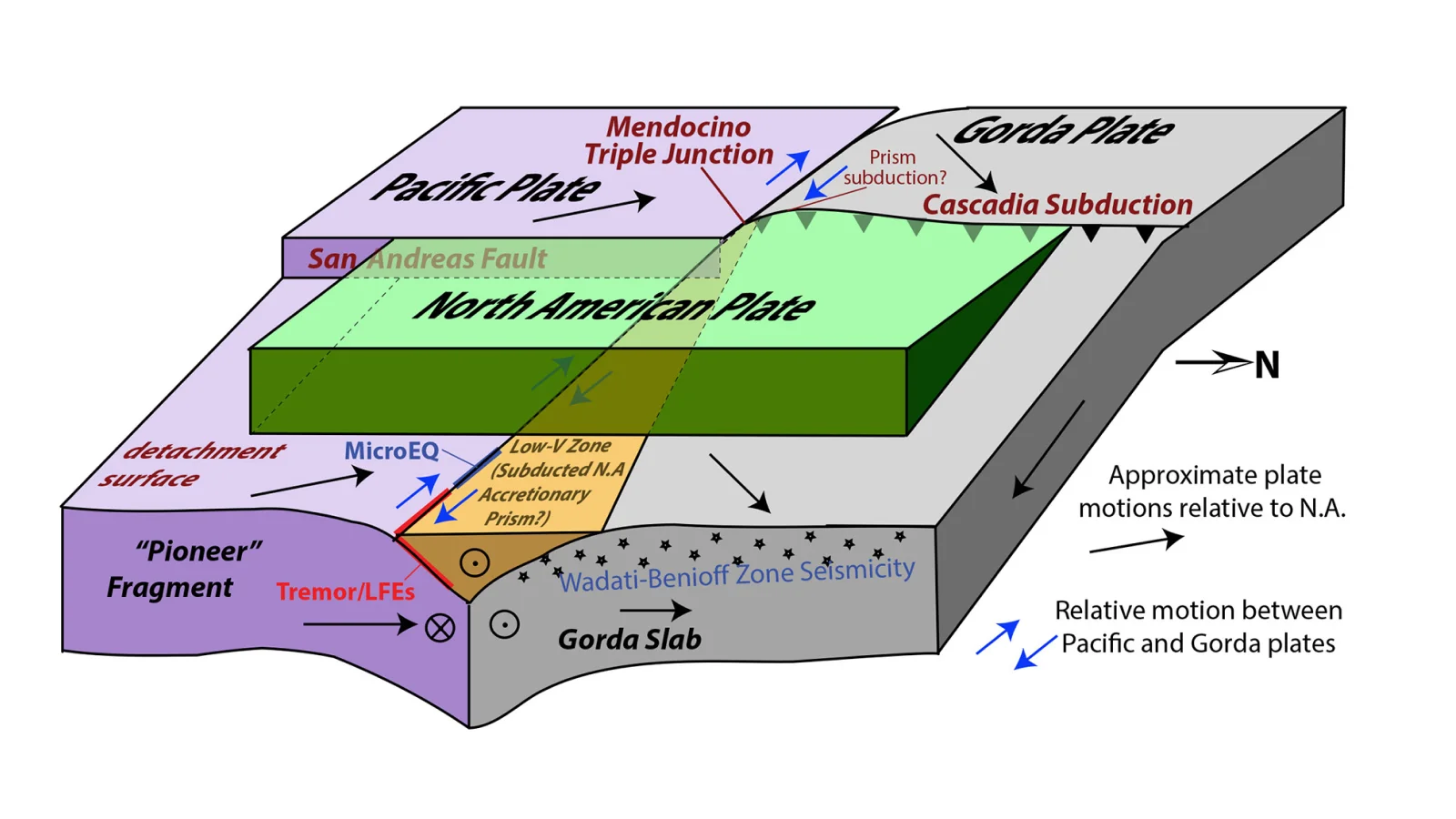
Scientists have discovered that a section of the oceanic crust beneath Vancouver Island is gradually breaking apart, providing direct evidence that subduction zones can disintegrate progressively rather than collapsing suddenly, which may influence future seismic risk assessments and our understanding of Earth's geological processes.
Scientists have captured detailed seismic images revealing that the Cascadia subduction zone off Vancouver Island is gradually breaking apart in a step-by-step process, creating microplates and shedding light on how subduction zones end, which has implications for earthquake hazards in the Pacific Northwest.
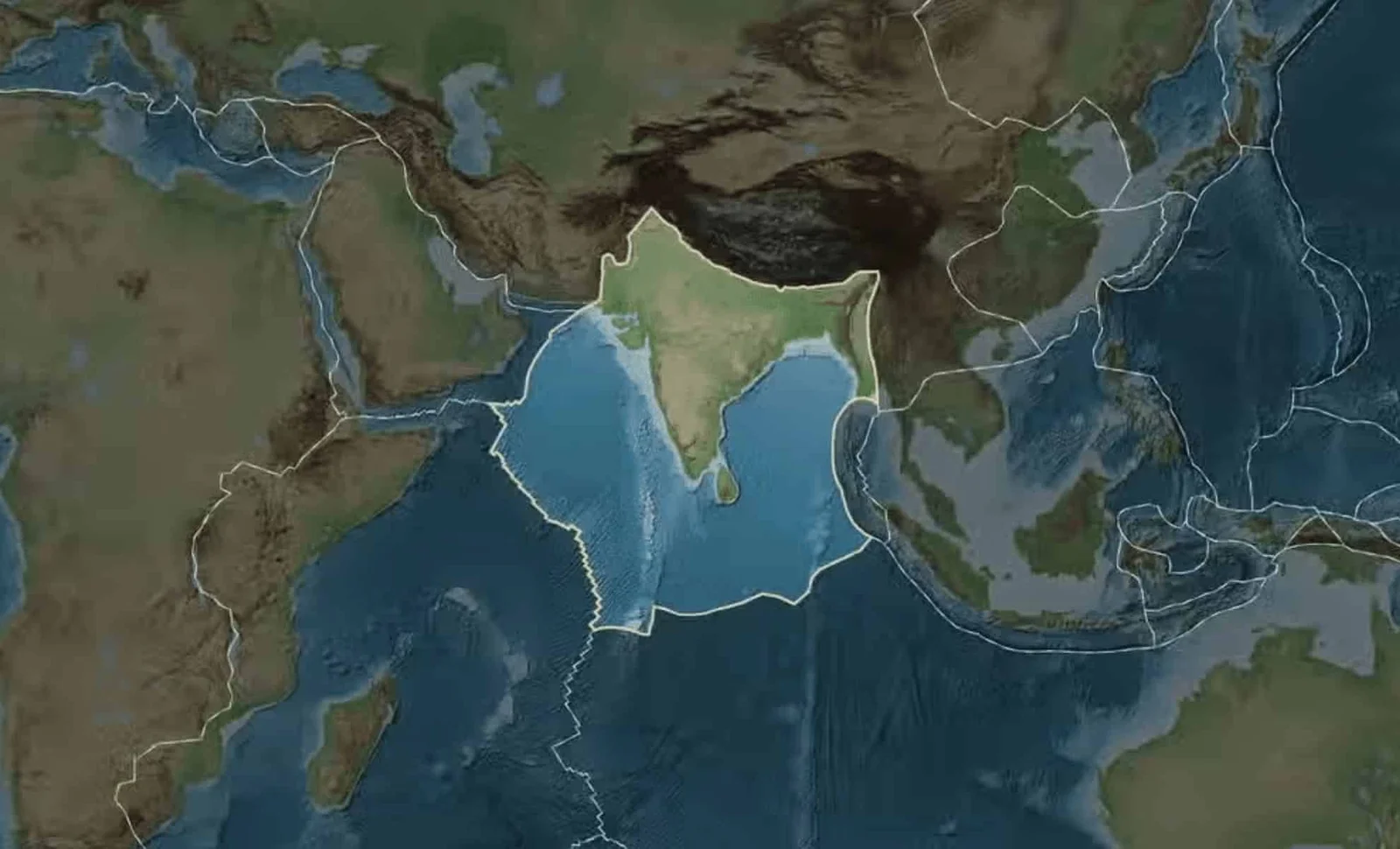
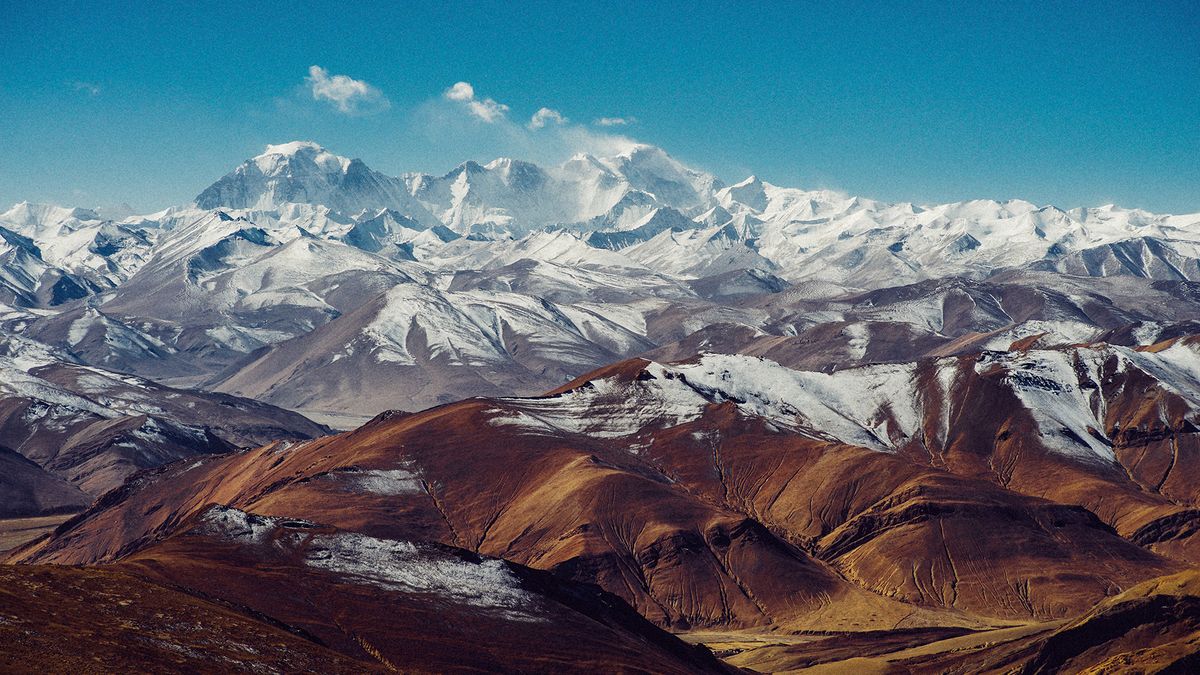
Recent seismic studies reveal that the Indian Plate is tearing apart beneath the Himalayas, challenging previous models and increasing earthquake risks in the region, with significant implications for understanding tectonic processes and mountain formation worldwide.
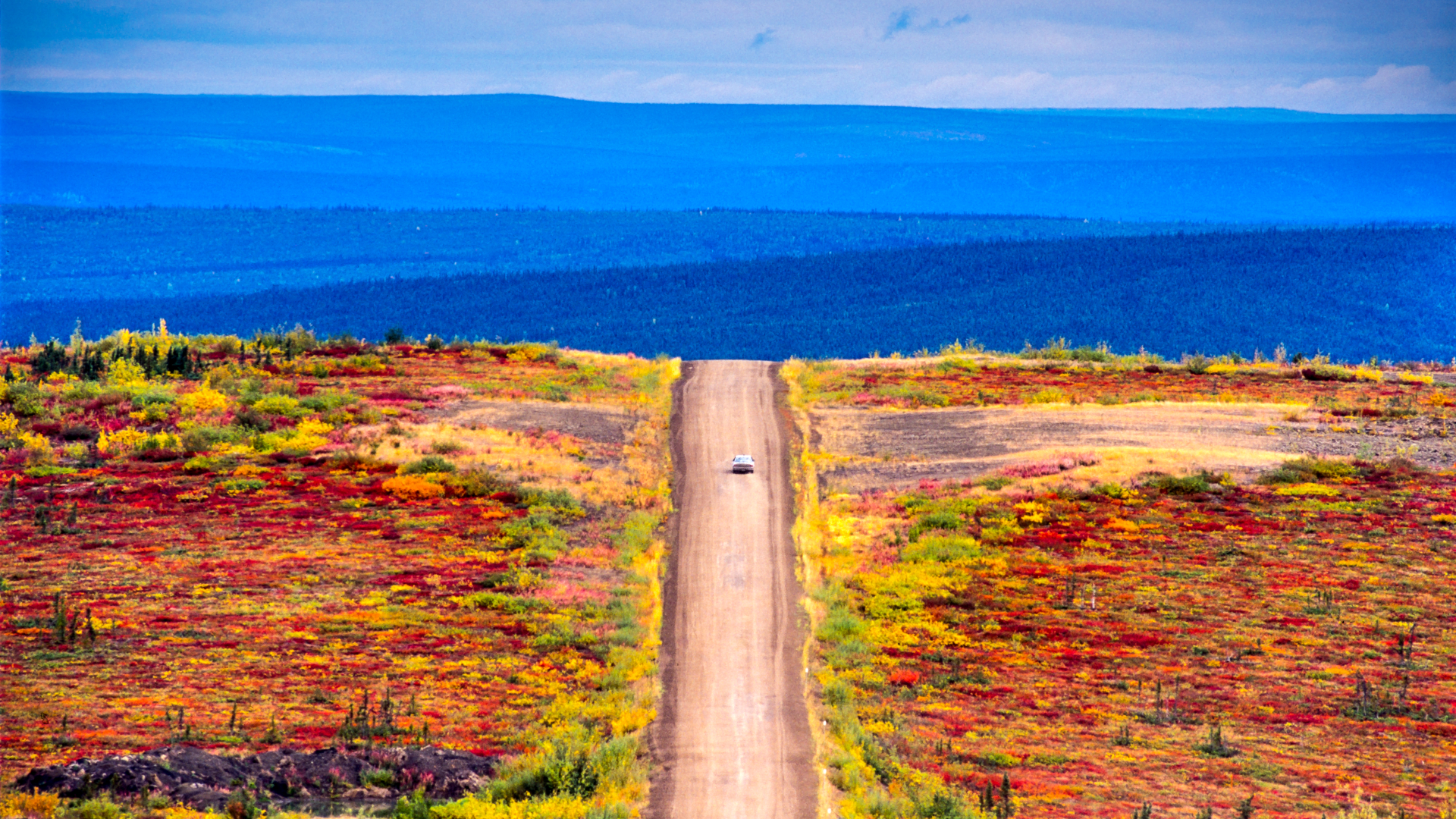
Advanced satellite and lidar mapping have revealed that the previously thought inactive Tintina fault in Canada's Yukon may be capable of producing a significant earthquake, with evidence of past large ruptures and a potential for a magnitude 7.5 event, prompting concerns about seismic risk and the need for further study.
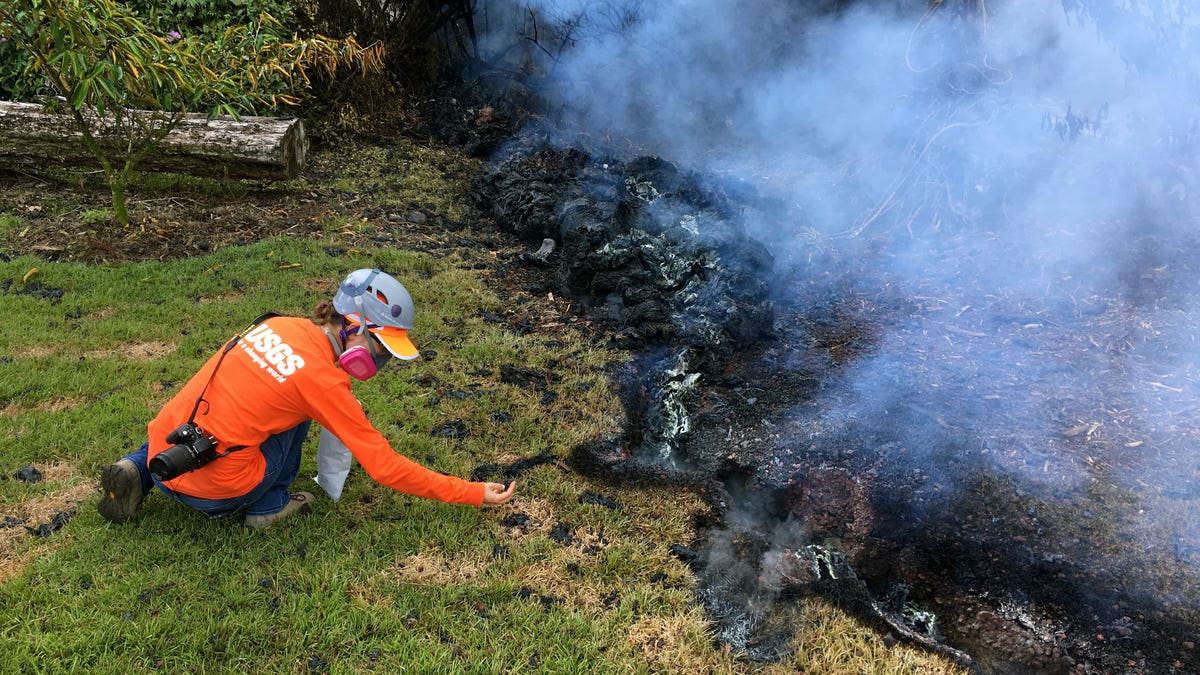
Researchers warn that melting glaciers due to climate change could trigger dormant volcanoes to erupt, posing significant risks to nearby communities and ecosystems, as the reduction in ice weight releases pressure on magma chambers, similar to opening a soda bottle. This phenomenon has been observed in the Chilean Andes and is expected to occur in other regions like Alaska, Iceland, and Antarctica, emphasizing the need for improved monitoring and proactive measures to mitigate potential disasters.
A recent study suggests that India may be splitting due to a process called delamination, where part of the Indian Plate detaches and sinks into the mantle, potentially reshaping the Himalayas and increasing earthquake risks in the region.
A recent geological study suggests that the Indian Plate is undergoing delamination, a process where part of the plate is tearing away and sinking into the mantle, which could significantly impact our understanding of Himalayan formation and earthquake risks in the region.
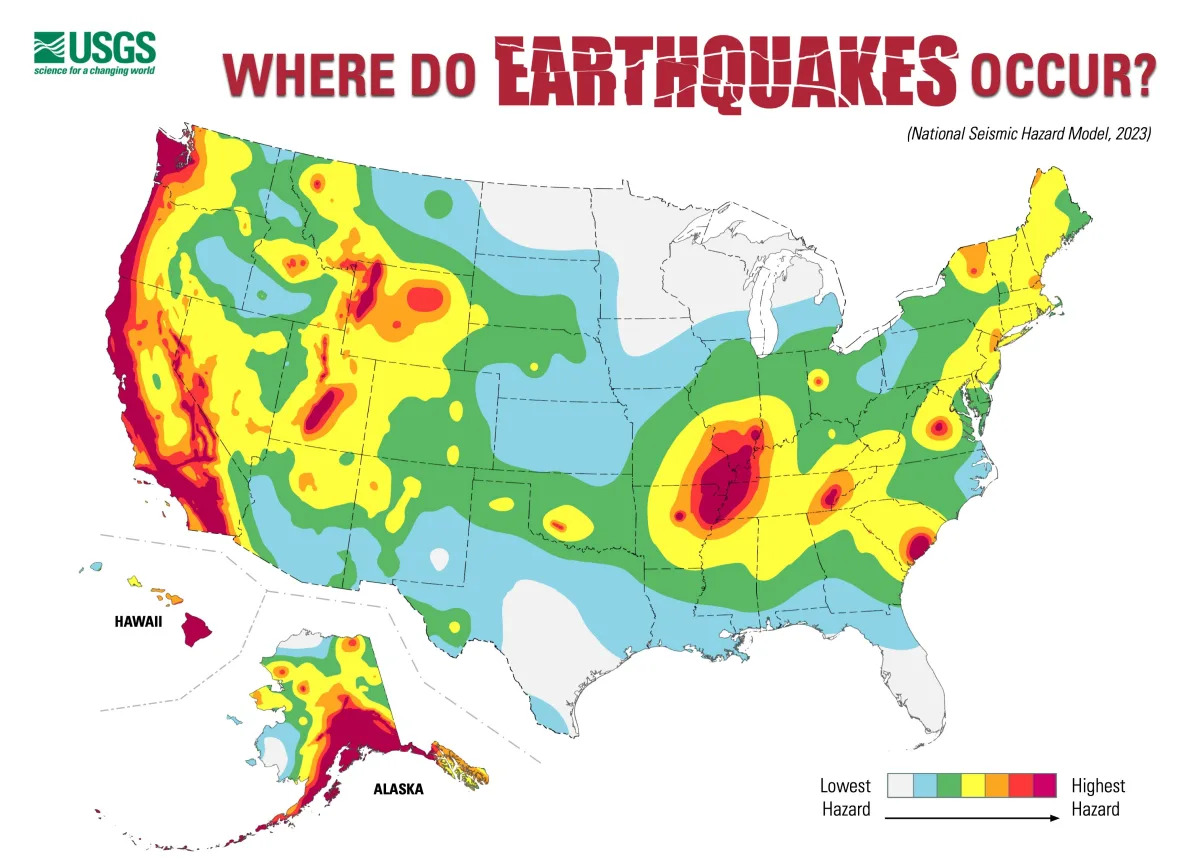
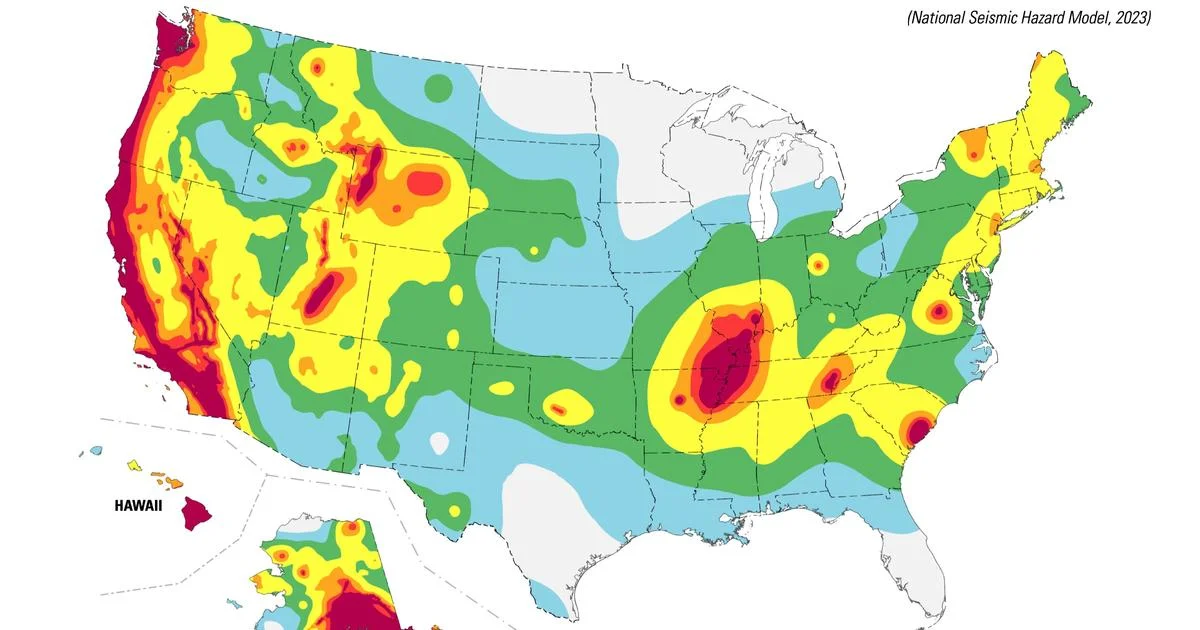
The United States Geological Survey has released new maps showing that nearly 75% of the U.S. could face potentially damaging earthquakes in the next century, with California, Alaska, and the central and northeastern Atlantic Coastal corridor being particularly at risk. The agency's latest earthquake model aims to enhance public safety and provide critical information for architects, engineers, and policymakers, with implications for earthquake retrofitting and construction practices.
The United States Geological Survey has warned that nearly 75% of the U.S. could face potentially damaging earthquakes and intense ground shaking in the next 100 years, with new maps showing the areas most at risk. The model highlights seismic activity in California, Alaska, Hawaii, and the central and northeastern Atlantic Coastal corridor, including major cities like Washington, D.C., Philadelphia, New York, and Boston. The USGS hopes the model will enhance public safety and provide critical information for architects, engineers, and policymakers, with implications for earthquake retrofitting and construction practices.
The U.S. Geological Survey has released a color-coded map indicating that nearly 75% of the continental United States, as well as Alaska and Hawaii, could experience a damaging earthquake within the next century. The map, the first to include all 50 states, aims to help geologists and engineers prepare for looming threats to the nation's infrastructure. The study identifies the central and northeastern Atlantic Coast, California, Alaska, and Hawaii as high-risk areas for earthquakes, with the report highlighting a long history of seismic activity across the country. The map provides crucial insights for architects, engineers, and policymakers as they design and construct buildings, and includes nearly 500 additional faults with potential to produce damaging shakes in the future.
New research suggests that the tectonic collision beneath the Himalayas may be causing the Indian plate to tear and peel apart beneath Tibet, leading to a more complex geological structure than previously believed. Evidence from earthquake waves and geochemical studies indicates that the Indian plate is subducting and delaminating, with parts of it peeling away. This discovery may also point to increased earthquake risk along the plate boundary, though the full implications are not yet fully understood.
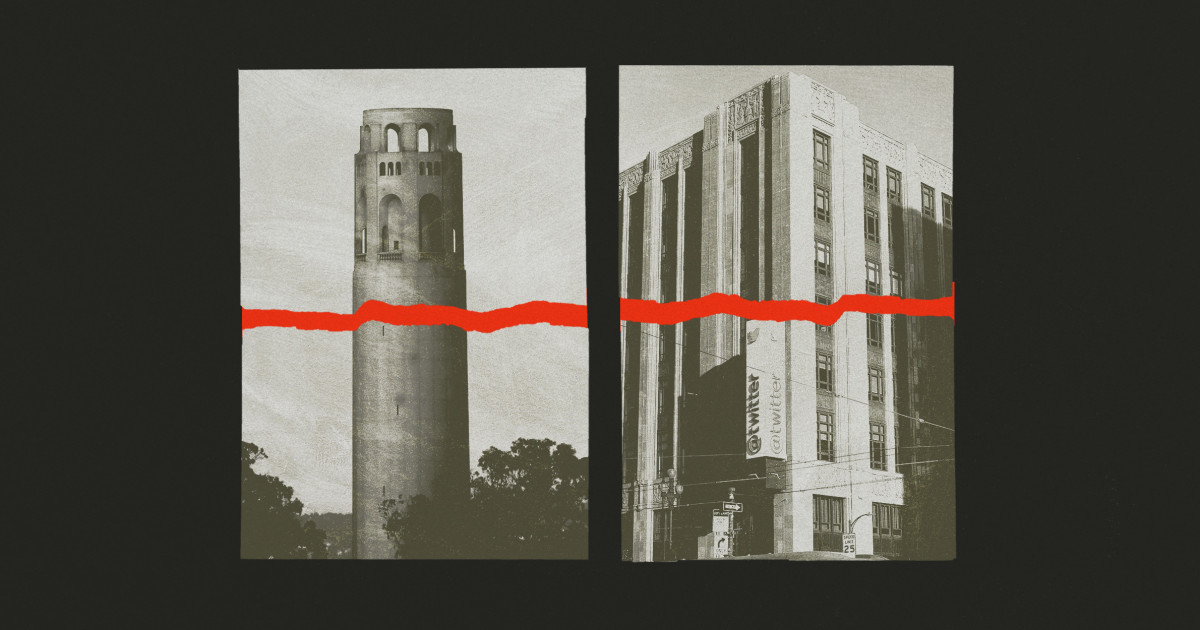
A list of 3,400 San Francisco buildings that may be at risk of collapse in an earthquake has been compiled by the city, but officials are hesitant to release it due to concerns about causing unease among tenants and investors. The list is preliminary and could change as more information is gathered, but all the buildings were constructed with nonductile concrete before engineers fully understood how much reinforcement was needed to prevent crumbling during shaking. Retrofitting the buildings could cost millions of dollars per structure, and some owners may choose to demolish rather than retrofit. Many of the buildings on the list are associated with vulnerable populations, and retrofitting could displace tenants.