California, led by Gov. Gavin Newsom, is participating in the UN climate conference in Brazil to project its climate leadership and influence global climate policies, despite lacking formal international negotiating power. The trip aims to foster international relationships, promote state policies, and position Newsom as a global climate leader, possibly for a future presidential run, amid criticism over its cost, effectiveness, and the broader impact of such international engagements.
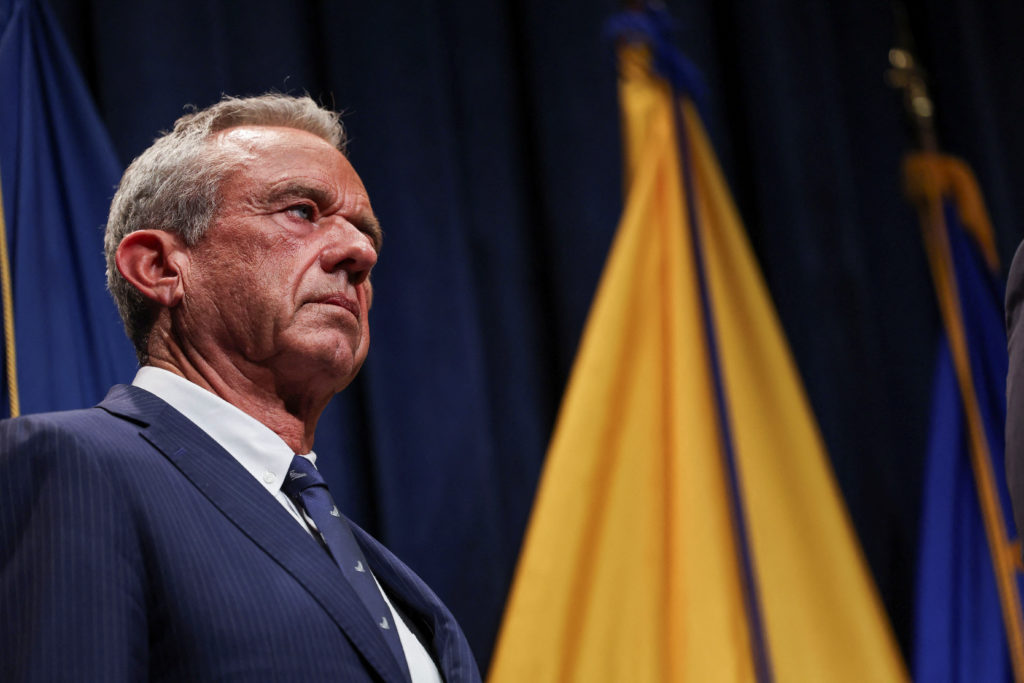
The Trump administration released a brief report led by RFK Jr. on improving children's health, emphasizing policy priorities like diet, environmental factors, and vaccine safety, but critics highlight a lack of concrete action plans, omission of key issues like gun violence, and concerns over regulatory rollbacks and data privacy.
Efforts since the 1960s have significantly reduced acid rain through policies like the US Clean Air Act and international agreements, along with natural microbial processes, though it could return if protections are rolled back. Progress in renewable energy and pollution control gives hope for continued environmental health.
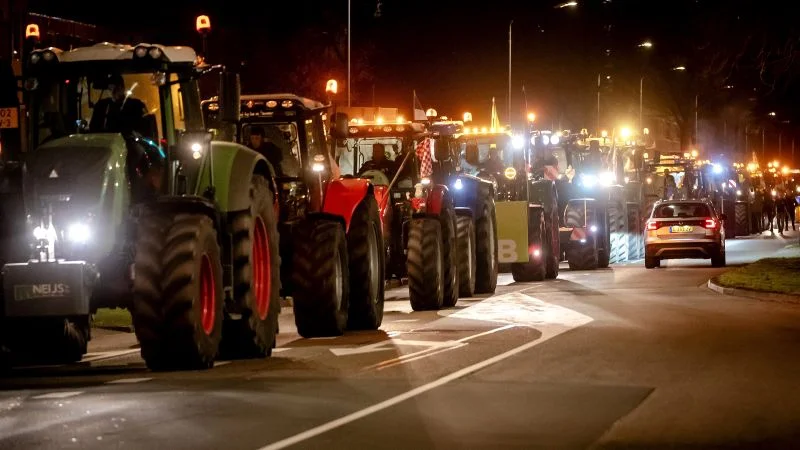
Tractor protests by farmers across the EU are demanding the reversal of progressive environmental policies, causing disruptions and prompting politicians to roll back measures on pesticides and agricultural rules. The protests have put pressure on EU leaders, leading to a shift in emphasis from environmental concerns to easing pressure on farmers. This has raised concerns among environmentalists about the future of the EU's flagship Green Deal and the impact on biodiversity and climate goals.
A study published in ACS' Environmental Science & Technology Letters reveals that despite global efforts to reduce mercury emissions, levels of methylmercury in tuna have remained largely unchanged since 1971. Researchers warn that more aggressive emission reduction targets are necessary to lower tuna mercury levels, as the fish accumulate high levels of methylmercury from contaminated prey. The study suggests that legacy mercury from deeper ocean waters may be contributing to the static levels in tuna, and forecasts that even the most restrictive emission policy would take 10 to 25 years to influence oceanic mercury concentrations, with drops in tuna levels following decades later. The findings emphasize the need for stronger global efforts to reduce mercury emissions and continuous monitoring of mercury in ocean life.
During a rally in Iowa, former President Donald Trump dismissed eco-minded protesters by telling them to "go home to Mommy" and mocked their concerns about climate change. The activists accused Trump of being a "climate criminal" and criticized his ties to fossil-fuel interests. Trump, who has aggressively courted oil industry donors, has vowed to increase oil drilling on public lands and undo President Joe Biden's efforts to promote electric car use. Despite facing indictments, Trump holds a commanding lead in the GOP race and is ahead of Biden in many general election polls.
Ros Atkins discusses the achievements of climate summits, highlighting the importance of global cooperation and the implementation of effective environmental policies in addressing climate change.
President Joe Biden will not be attending the Cop28 climate summit, which could potentially harm his reputation among young voters leading up to the 2024 election. While no reason was given for his absence, it is speculated that the ongoing conflicts in the Middle East and Ukraine are occupying his time and energy. Vice President Kamala Harris is also not expected to attend, but several top US officials will represent the country's interests. Biden's absence at Cop28 may impact his popularity, considering his focus on environmental policies and his introduction of the Inflation Reduction Act, which has invested billions into renewable energy and climate adaptation.
A new study from the University of Pennsylvania warns that the number of cardiovascular-related deaths due to extreme heat could increase by 162 to 233 percent by the middle of this century in the United States. The study analyzed mortality and temperature data patterns from 2008 to 2019 and modeled future trends based on different emission scenarios. The research highlights the impact of climate change on human health and emphasizes the importance of implementing environmental policies to curb greenhouse gas emissions. Vulnerable populations, such as Black adults and the elderly, are most at risk from heat-related deaths.
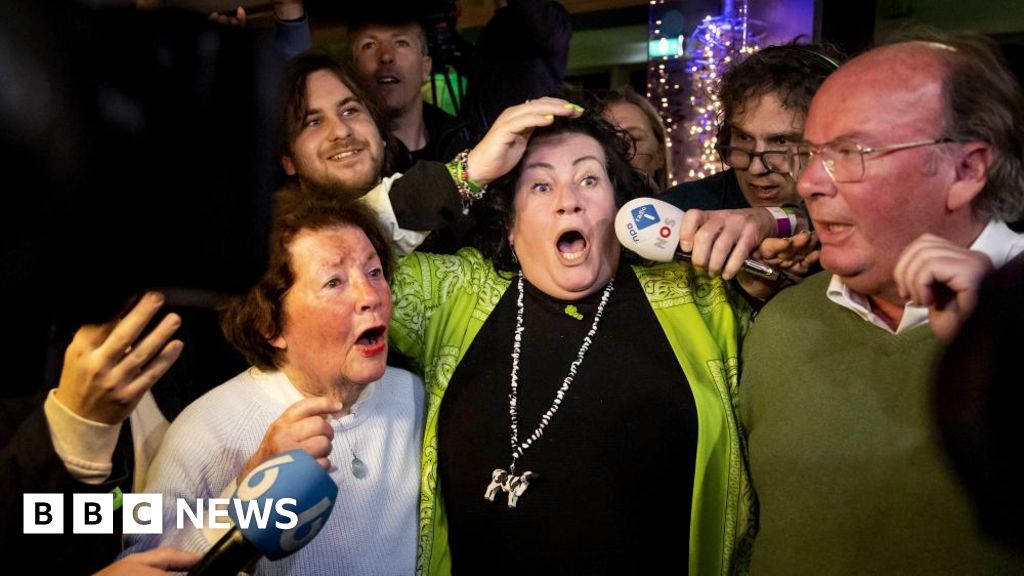
The Farmer-Citizen Movement, a Dutch farmers' protest party, has won provincial elections just four years after its founding, becoming the largest party in the Dutch senate. The party grew out of mass demonstrations against the Dutch government's environmental policies, which farmers saw as a threat to their livelihoods. The party's rise has thrown the Dutch government's ambitious environmental plans into doubt and is being watched closely by the rest of Europe. The movement has been supported by Donald Trump and Marine Le Pen, and some in the far right see it as embodying their ideas of elites using green policies to trample on the rights of individuals.
The Farmer Citizen Movement, a right-wing populist party, has won its first provincial elections in the Netherlands, predicted to win 15 seats in the 75-seat upper house of the Dutch national parliament. The victory is seen as a rebuke to Prime Minister Mark Rutte's ruling four-party coalition, weakening the government and complicating its attempts to drastically reduce pollution from the country's agriculture, industry, and transport sectors. The BBB party's popularity soared amid mass protests by farmers, who feel unheard and unseen by politicians in The Hague.
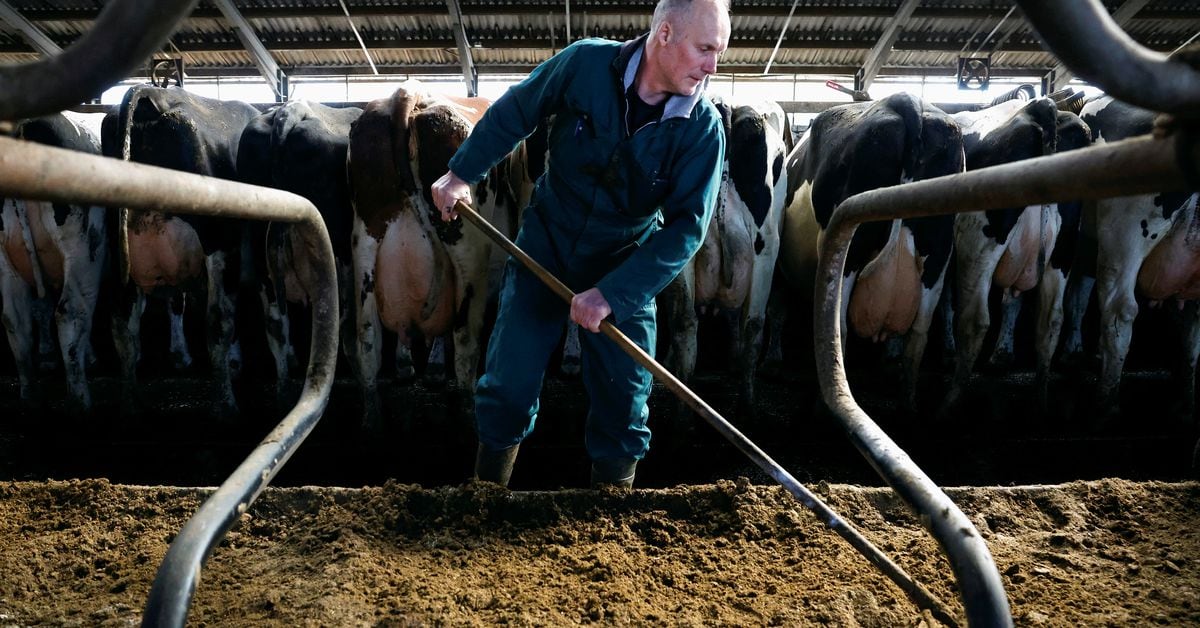
The Farmer-citizen movement (BBB), a farmers' party that was only set up in 2019, is set to be the biggest party in the upper house of Dutch parliament after provincial elections, winning 15 of the Senate's seats with almost 20% of the vote. The BBB aims to fight government plans to slash nitrogen emissions harmful to biodiversity by dramatically reducing livestock numbers and buying out thousands of farms. Its appeal has spread rapidly beyond its rural heartland, on a populist platform that represents traditional, conservative Dutch social and moral values.
The BoerBurgerBeweging (BBB) party, founded in 2019 to address nitrogen pollution on farms, emerged as the big winner in the Dutch provincial elections, winning 15 of 75 seats in the Senate. The party's success is a major blow to Prime Minister Mark Rutte's governing coalition, which aims to cut nitrogen emissions in half by 2030. The BBB's rise is due to growing distrust of the government and anger over issues such as immigration. The government has not had a Senate majority since 2019 and must negotiate deals with mostly left-wing opponents.