A Nature Medicine paper led by WHO's IARC estimates that more than one-third of cancers are attributable to preventable risks, with smoking, infections, and alcohol identified as leading causes.
Unusual taste changes can be early signs of underlying health issues like infections, sinus problems, or immune responses, with recent research highlighting the role of inflammation and immune cytokines such as TNF in altering taste perception, especially bitter flavors. These symptoms often precede other symptoms and can be caused by respiratory illnesses, oral infections, medications, or neurological conditions, emphasizing the importance of investigating persistent taste disturbances.
AIIMS-trained neurologist Dr. Priyanka Sehrawat warns that consuming gol gappa from unhygienic sources can lead to serious infections like Hepatitis A, especially in children, and advises caution and awareness of symptoms such as jaundice and fever. She emphasizes the importance of food safety and hygiene, particularly during outdoor gatherings, to prevent health risks associated with contaminated street food.
The CDC warns of a significant rise in infections caused by highly antibiotic-resistant bacteria, specifically NDM-CRE, which increased by over 460% in the U.S. from 2019 to 2023.
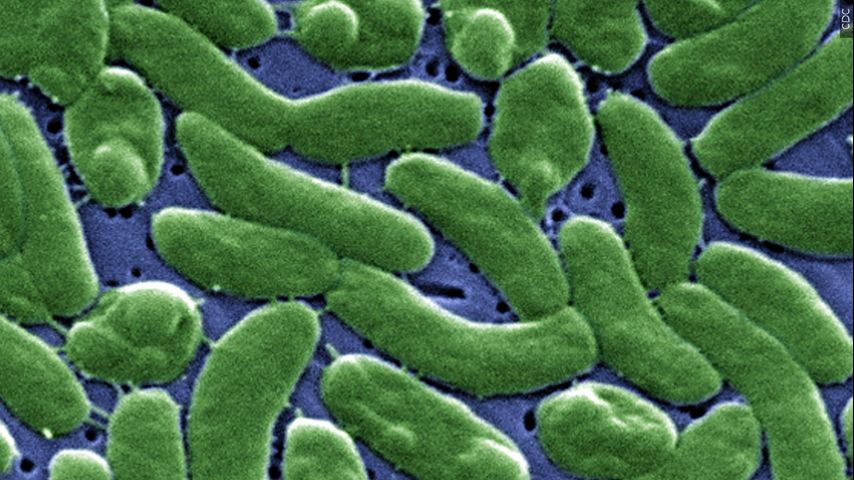
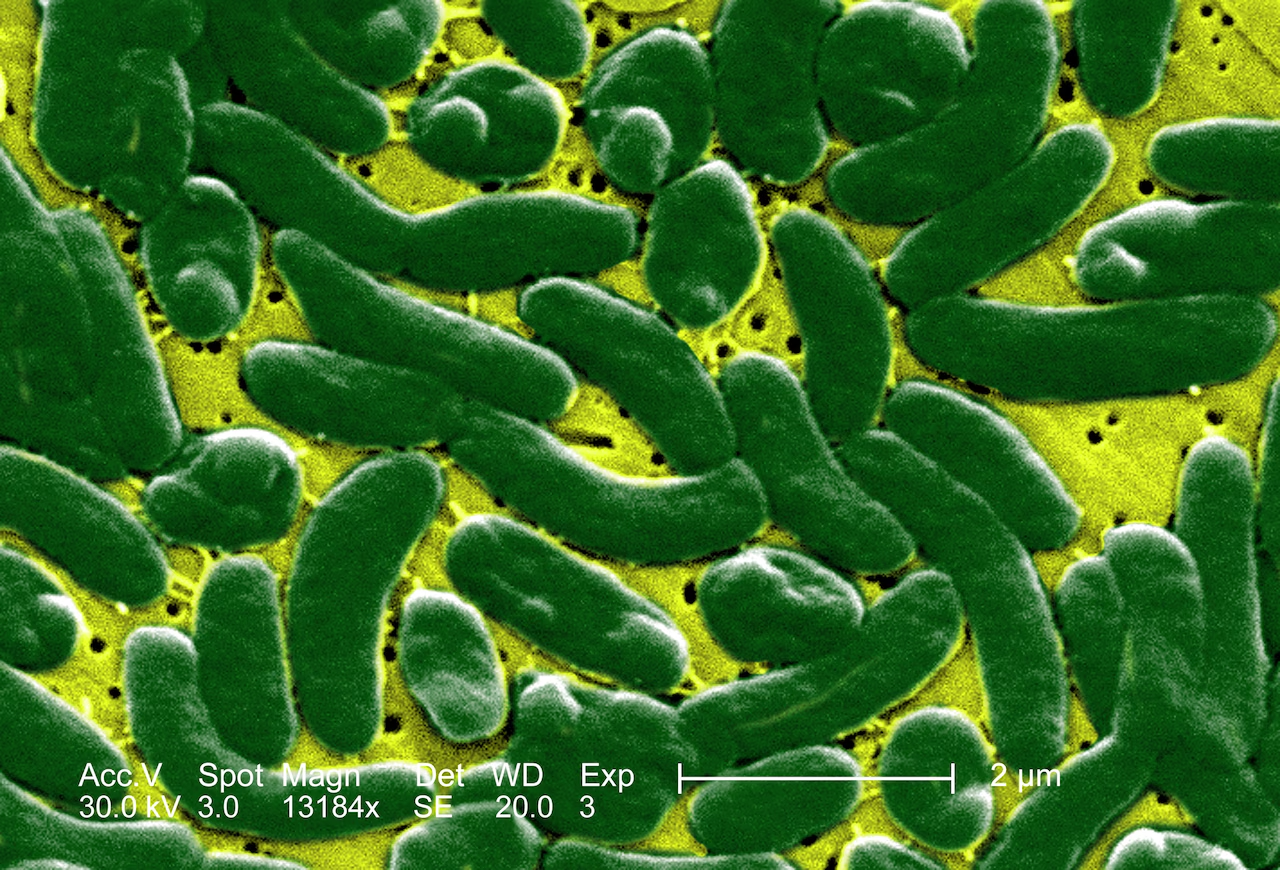
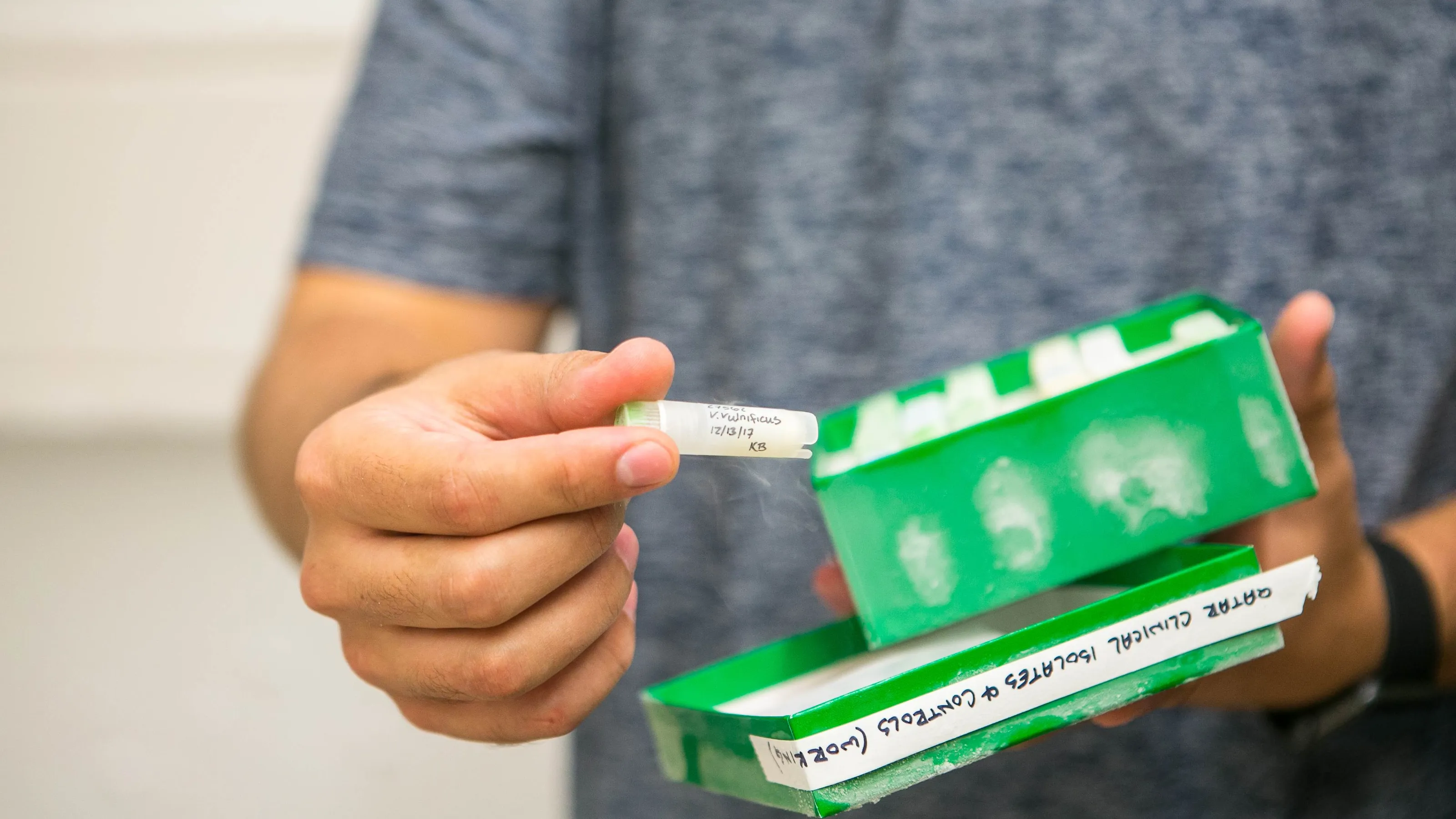
Louisiana has reported its fifth death this year from Vibrio vulnificus, a flesh-eating bacteria found in coastal waters, with 26 cases so far—significantly higher than the annual average—mainly affecting individuals with open wounds or seafood exposure, and most patients having underlying health conditions.
Health officials in Florida warn residents about an increase in flesh-eating bacterial infections caused by Vibrio vulnificus, with 25 cases and five fatalities reported this summer, primarily in coastal areas where warm seawater promotes bacterial growth. Precautions are advised for those in affected regions.
Florida has reported 16 cases of Vibrio vulnificus, a flesh-eating bacteria in warm seawater, causing five deaths this year, with cases spread across 12 counties, making it the state with the second-highest number of infections after Louisiana. The CDC advises avoiding raw seafood and protecting wounds from saltwater to prevent infection.
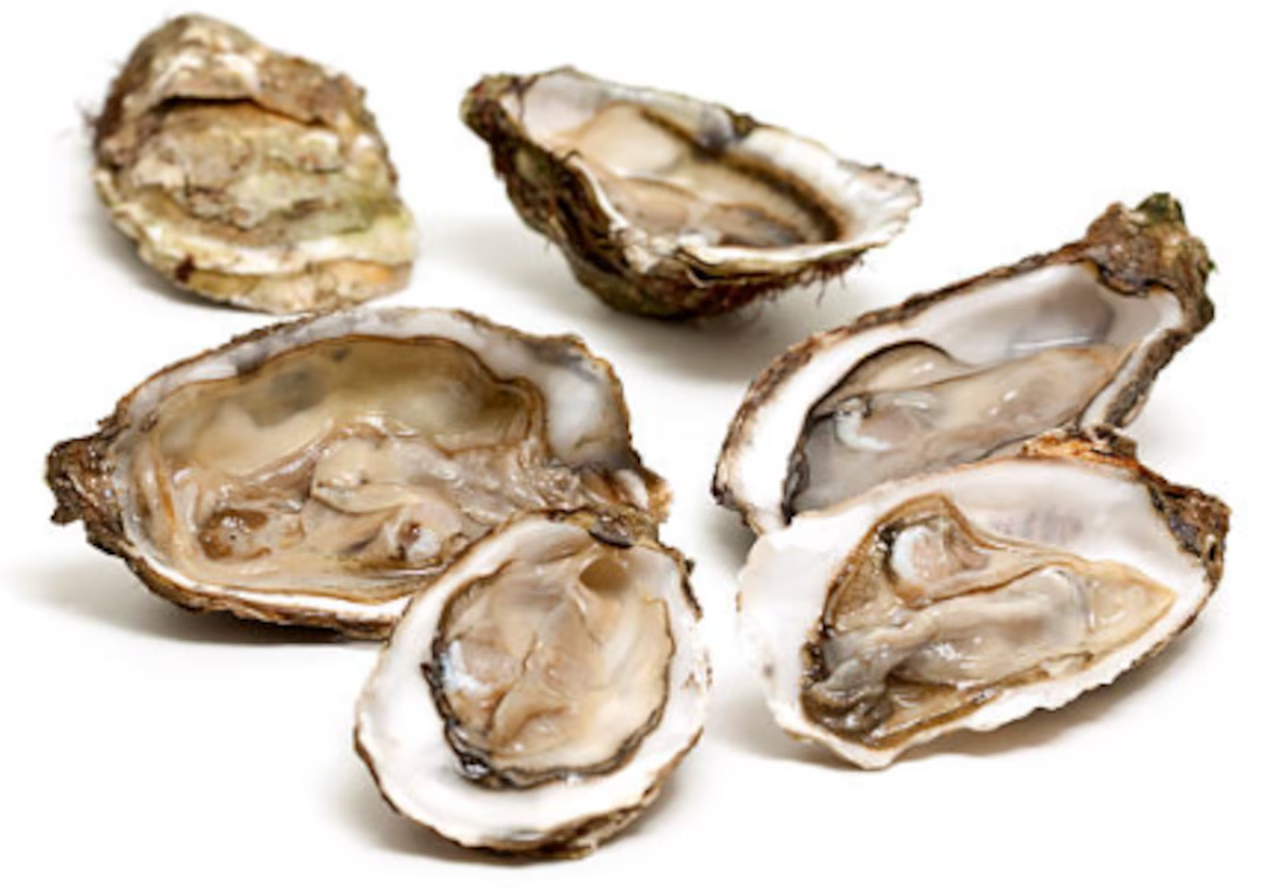
Cases of Vibrio vulnificus, a dangerous bacteria causing flesh-eating infections, are rising along the US Gulf Coast due to warmer waters, with Louisiana and Florida reporting increased cases and fatalities. The bacteria can infect through open wounds or consumption of raw seafood, especially oysters, and poses a higher risk to immunocompromised individuals. Precautions include cooking seafood thoroughly, avoiding coastal waters with open wounds, and practicing good hygiene.
A Gulf Coast state reports a rise in Vibrio vulnificus infections, with 17 cases and four deaths this year, surpassing the previous 10-year average, mainly affecting those exposed to warm coastal waters or consuming undercooked seafood, highlighting a growing public health concern.
Brain fog, characterized by unclear thinking and memory issues, can be caused by various health conditions including sleep problems, hormonal changes during perimenopause, and infections like COVID-19, with underlying causes needing to be identified for effective management.
Brain fog, characterized by unclear thinking and slow thought processes, can be caused by various health issues including sleep problems, hormonal changes during perimenopause, and infections like COVID-19. Addressing the underlying cause is key to alleviating symptoms.
Four deaths in Florida have been linked to Vibrio vulnificus, a bacteria found in warm seawater, with most cases occurring from May to October; precautions are advised for vulnerable populations, especially those with cuts or weakened immune systems.
Four people have died and more than half a dozen are sick in Florida this year due to Vibrio vulnificus, a rare bacteria found in warm saltwater that can cause severe infections and necrotizing fasciitis, especially in individuals with cuts or wounds. The bacteria's presence has led to multiple cases across several counties, with last year's record 82 cases and 19 deaths highlighting the danger of waterborne infections in the region.
A rising threat along U.S. beaches, Vibrio vulnificus is a flesh-eating bacteria that can cause severe infections and amputations, especially in warm waters, with cases increasing due to climate change and rising ocean temperatures. Victims often suffer rapid tissue destruction, and the CDC reports rising infection trends, emphasizing the need for caution among beachgoers and seafood consumers.
Recent research suggests that the brain may host its own microbiome, similar to the gut, and that infections affecting this microbiome could contribute to dementia and Alzheimer's disease. Studies have linked microbial infections, such as those caused by Borrelia burgdorferi and Cryptococcus neoformans, to cognitive decline. The presence of amyloid plaques, traditionally associated with Alzheimer's, might actually be a response to brain infections. Further research is planned to explore the role of the brain microbiome in neurodegenerative diseases.