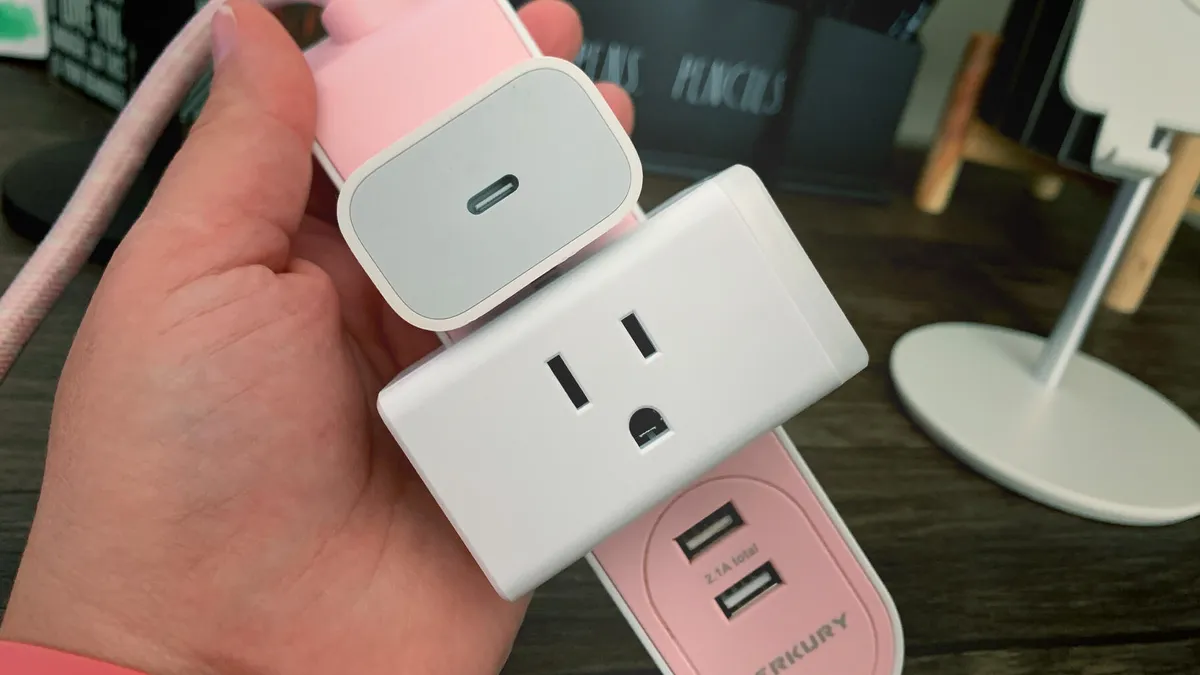
Unplugging household gadgets like TVs, gaming consoles, kitchen devices, and smart home devices when not in use can significantly reduce energy consumption and save up to $200 annually, especially by avoiding standby power and phantom loads. Practical tips include turning off unused devices, using smart plugs, and optimizing home insulation and lighting to cut costs during hot summer months.

Sony is testing a Power Saver mode for PS5 that reduces power consumption by scaling back game performance, including disabling VR mode and limiting gameplay features, as part of its environmental initiative. The feature will be available in a future system update, initially in beta, and aims to promote energy efficiency, possibly benefiting portable PS5 devices. Additionally, the update allows connecting up to four DualSense controllers to multiple devices simultaneously, enhancing cross-device gaming. The beta is limited to invited participants in select countries, with a global release planned.
Scientists tracked an olm in a Balkan cave for over 7 years and found it remained completely immobile, highlighting its extremely sedentary lifestyle and energy-conserving adaptations in its natural environment, contrasting with behaviors observed in captivity.
Con Edison has reduced voltage for 20 Staten Island communities and asked others to conserve power due to equipment issues, amid a power outage affecting over 7,000 customers during extreme heat.
Con Edison is working to restore power to over 6,200 customers in Southeast Queens affected by outages during a heat wave, urging residents to conserve energy by reducing appliance use and limiting air conditioning to prevent further outages, with full restoration expected around 9 p.m. while prioritizing critical infrastructure and safety.
Amid a severe heatwave, New York City officials and Con Edison are urging residents to limit energy use by avoiding large appliances and setting air conditioners to 78 degrees to prevent blackouts. The recommendations have faced backlash from residents who argue it's unfair and ineffective, especially as temperatures soar to nearly 100 degrees. While some suggest turning off non-essential lights in areas like Times Square, officials emphasize the need for collective action to manage the electrical grid. Cooling centers and extended pool hours are available to help residents cope with the heat.
Duke Energy customers, including one in McDowell County, N.C., were shocked by skyrocketing January bills, with one resident paying over $1,000 for her home and apartment. Duke Energy attributed the increase to higher winter usage and rate hikes, urging customers to conserve energy and offering tips to manage costs. Customers expressed frustration and concern over the impact on their finances, with some facing difficult choices between paying their power bills and other expenses.
Southcentral Alaska experienced a record-breaking demand for natural gas due to a prolonged cold snap, prompting the largest utility, Enstar, to deliver a record amount of gas to its customers. The strain on the gas supply system led to calls for energy conservation from elected officials, with concerns raised about potential gas shortages in the future. Despite efforts to meet the demand, including additional gas from the dominant producer, Hilcorp, and conservation measures by customers, the situation highlighted the challenges of predicting gas use. With the cold streak expected to ease, the gas supply system is anticipated to stabilize.
Astrophysics grad student Hamidreza Fazlollahi proposes a new approach to general relativity by removing a fundamental law involving energy and momentum conservation, aiming to address the theory's incompatibility with quantum mechanics. By drawing on relativistic thermodynamics, Fazlollahi suggests a new way to describe the emergence of gravity from curved space-time, challenging some of Einstein's fundamental assumptions. This research offers a potential solution to the long-standing problem of reconciling general relativity with quantum mechanics.
As retirement approaches, boomers are advised to focus on frugal living tips to ensure financial stability in the face of rising costs. Suggestions include working on a retirement plan, finding additional income sources, downsizing homes, utilizing senior discounts, taking advantage of free or affordable options, saving money on trips, cutting energy costs, growing their own food, and cutting out unnecessary memberships or subscriptions. These strategies aim to help boomers manage expenses and build a larger nest egg for the future.
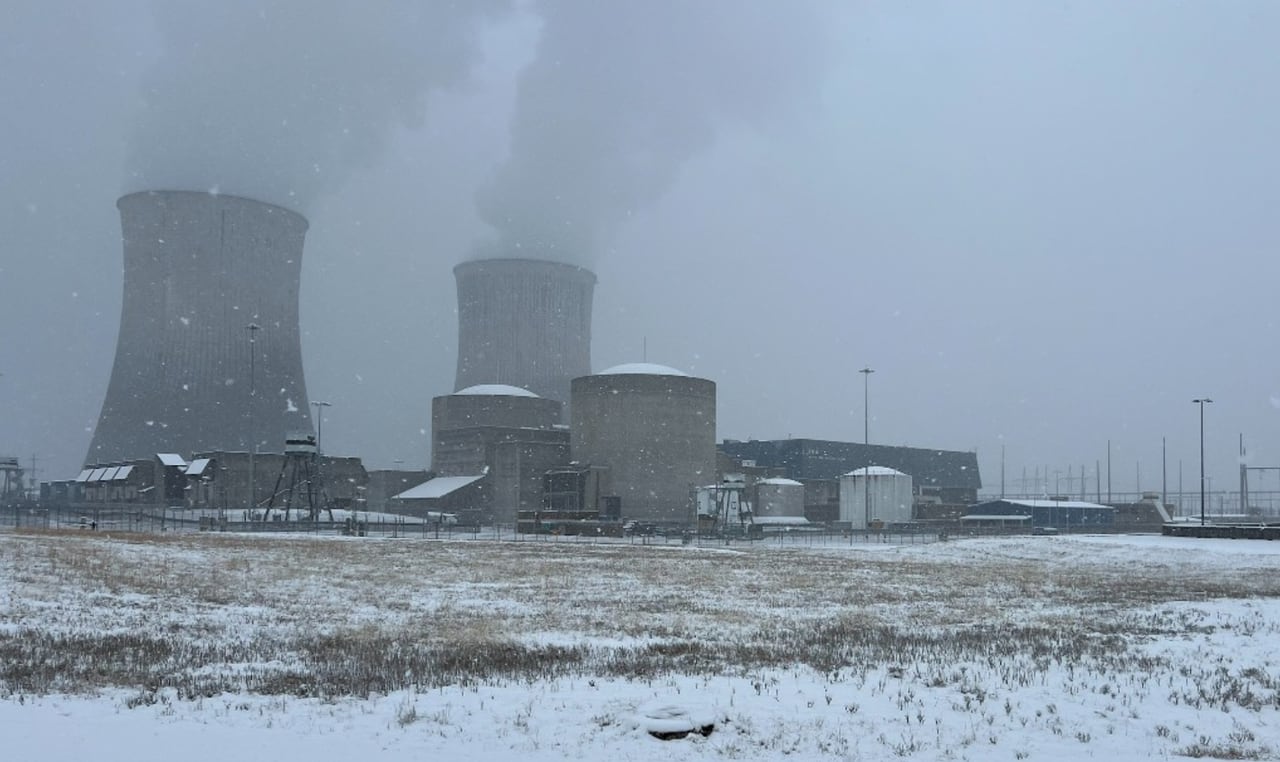
The Tennessee Valley Authority is anticipating another peak power demand in Middle Tennessee due to subzero temperatures, prompting electric companies to ask customers to conserve energy by lowering thermostats, postponing use of large appliances and hot water, and turning off non-essential lights and appliances. TVA officials have completed over 3,400 winter readiness activities to avoid rolling blackouts, and are urging energy conservation measures to manage the increased demand.
MLGW and TVA have lifted the voluntary request for energy conservation during freezing temperatures, citing the good performance of their systems. MLGW CEO Doug McGowen noted a record high demand across the TVA system but stated that conservation methods across the Tennessee Valley worked. Customers are still advised to drip their faucets and protect their pipes during freezing temperatures.
The Tennessee Valley Authority is urging customers to voluntarily curtail their energy use as freezing temperatures and high electric demand persist, with officials warning of potential record power demand. Customers are asked to reduce consumption by adjusting thermostats, minimizing appliance usage, and sealing airway leaks, following previous mandatory rolling blackouts in some areas due to increased energy demand during freezing temperatures in 2022.
The Tennessee Valley Authority (TVA) is asking customers, including those of Decatur Utilities and Huntsville Utilities, to voluntarily reduce their electrical use due to extreme cold, in an effort to extend the available power supply until temperatures rise and demands on the power grid lessen. Customers are advised to take immediate steps to conserve energy, such as lowering thermostats, weatherstripping doors and windows, lowering water heater temperatures, and delaying the use of major appliances.
TVA and MLGW have issued an "energy conservation alert" for customers, urging them to voluntarily reduce electrical usage to prevent brownouts and blackouts as frigid weather increases demand for electricity. Measures include turning off appliances and setting thermostats lower. Despite the strain on the power grid, the majority of customers have maintained power, with only a small percentage experiencing outages.