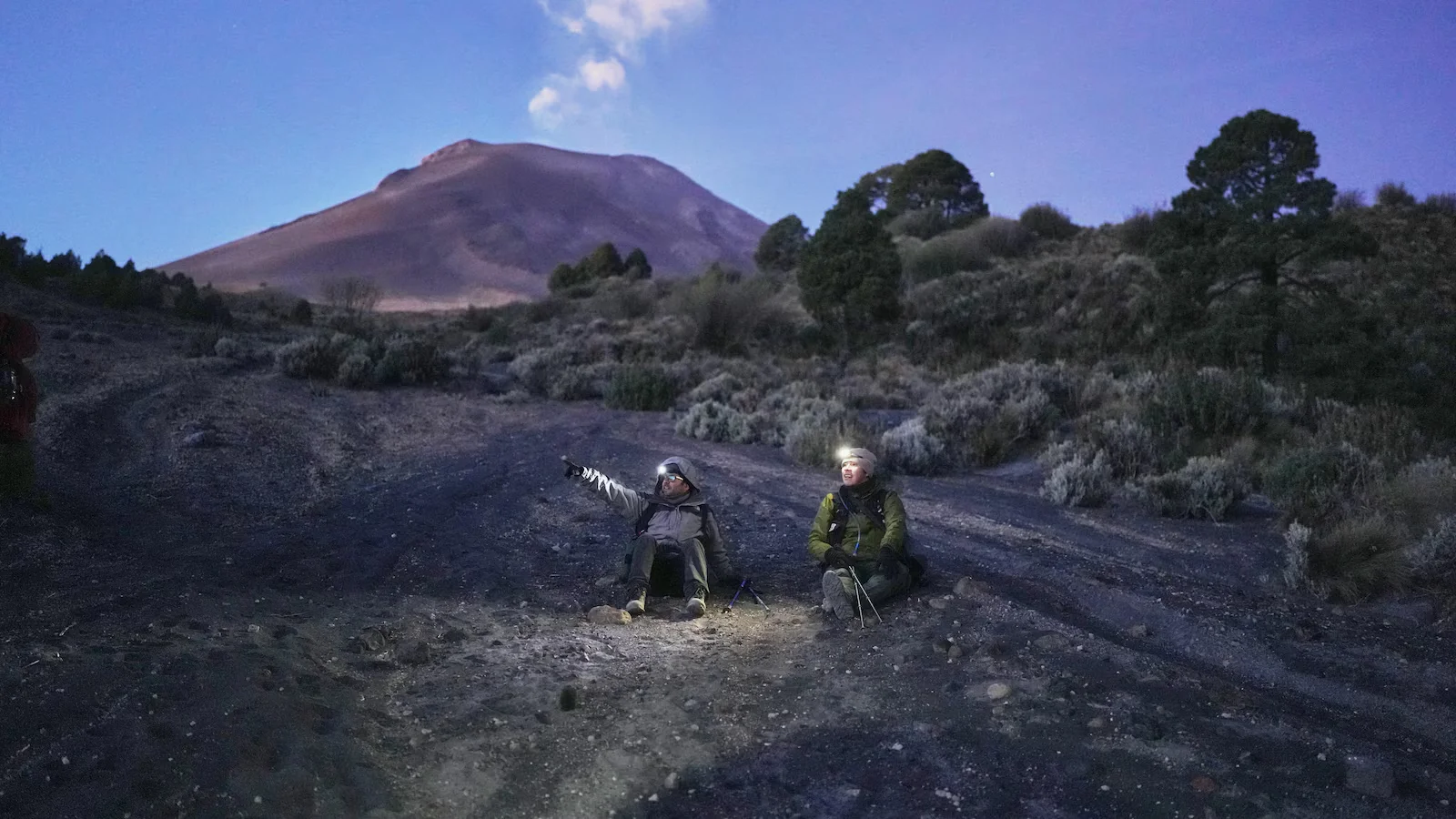
Scientists from Mexico's UNAM have created the first detailed 3D images of Popocatépetl's interior, revealing magma pools and improving understanding of its activity to better predict eruptions and protect nearby populations.
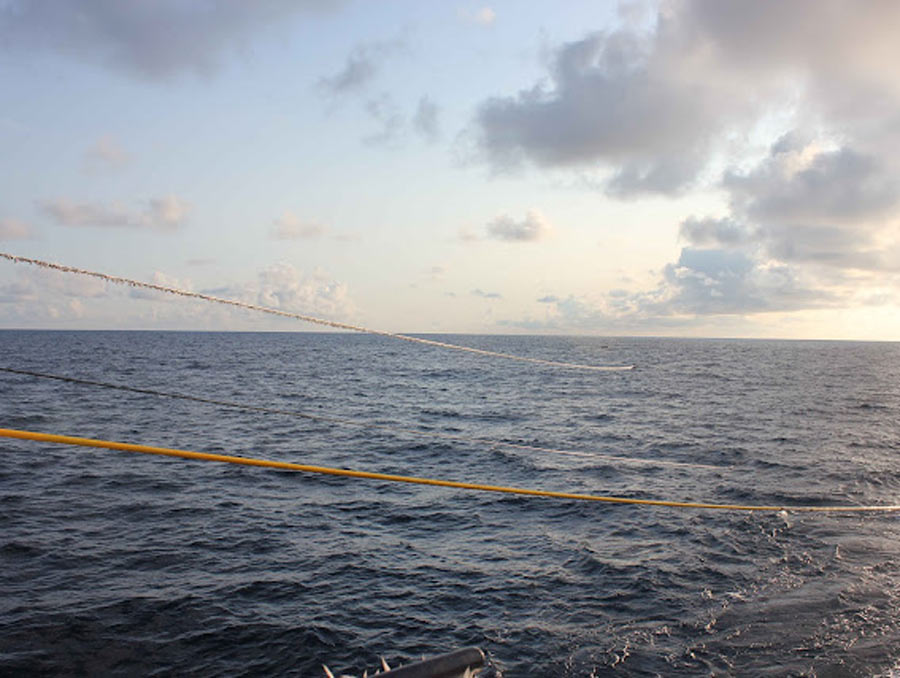
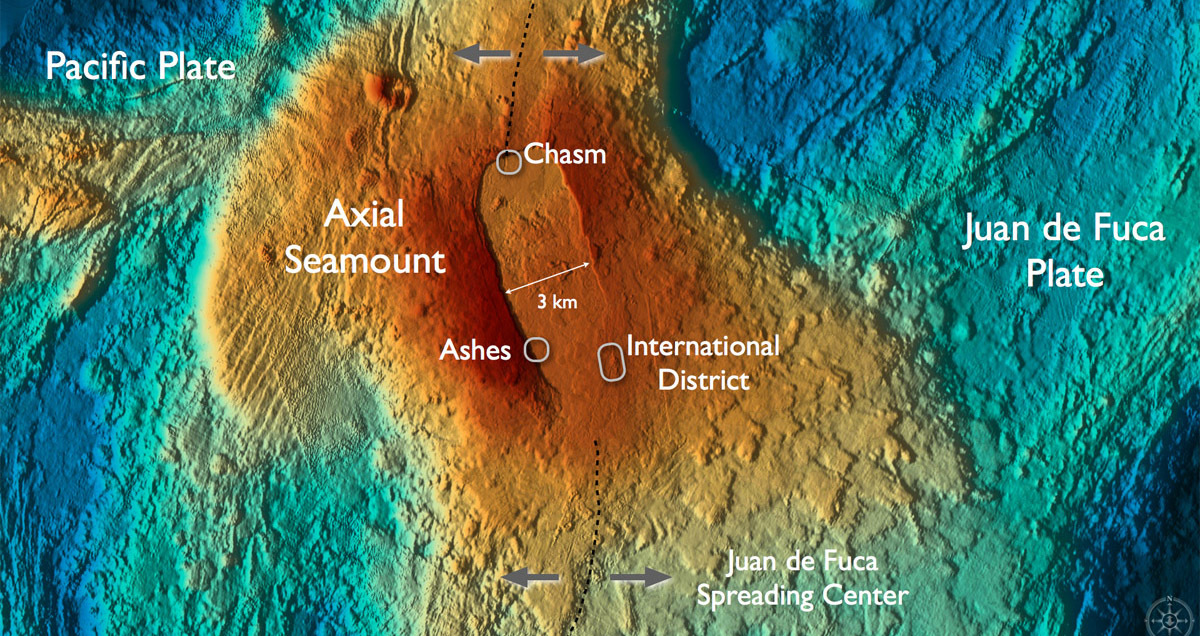
Scientists have captured the most detailed 3D seismic images of Axial Volcano off Oregon, revealing complex internal processes and challenging previous theories about silica enrichment in its lava, which could improve understanding of underwater volcano eruptions.
Scientists have developed a new method to predict eruptions at Mount Etna by monitoring the b value, which measures earthquake magnitudes, allowing earlier warnings of potential eruptions based on crustal stress changes and magma movement, potentially providing critical lead time for nearby communities.
Researchers monitor the Axial Seamount off Oregon's coast, which may erupt by year's end, but currently shows no signs of imminent eruption; the volcano's activity helps scientists understand volcanic behavior without posing a threat to humans.
Scientists are monitoring the Axial Seamount off Oregon for signs of a potential eruption in 2025, which could provide valuable insights into volcanic activity without posing risks to humans, as the volcano is located far from populated areas.
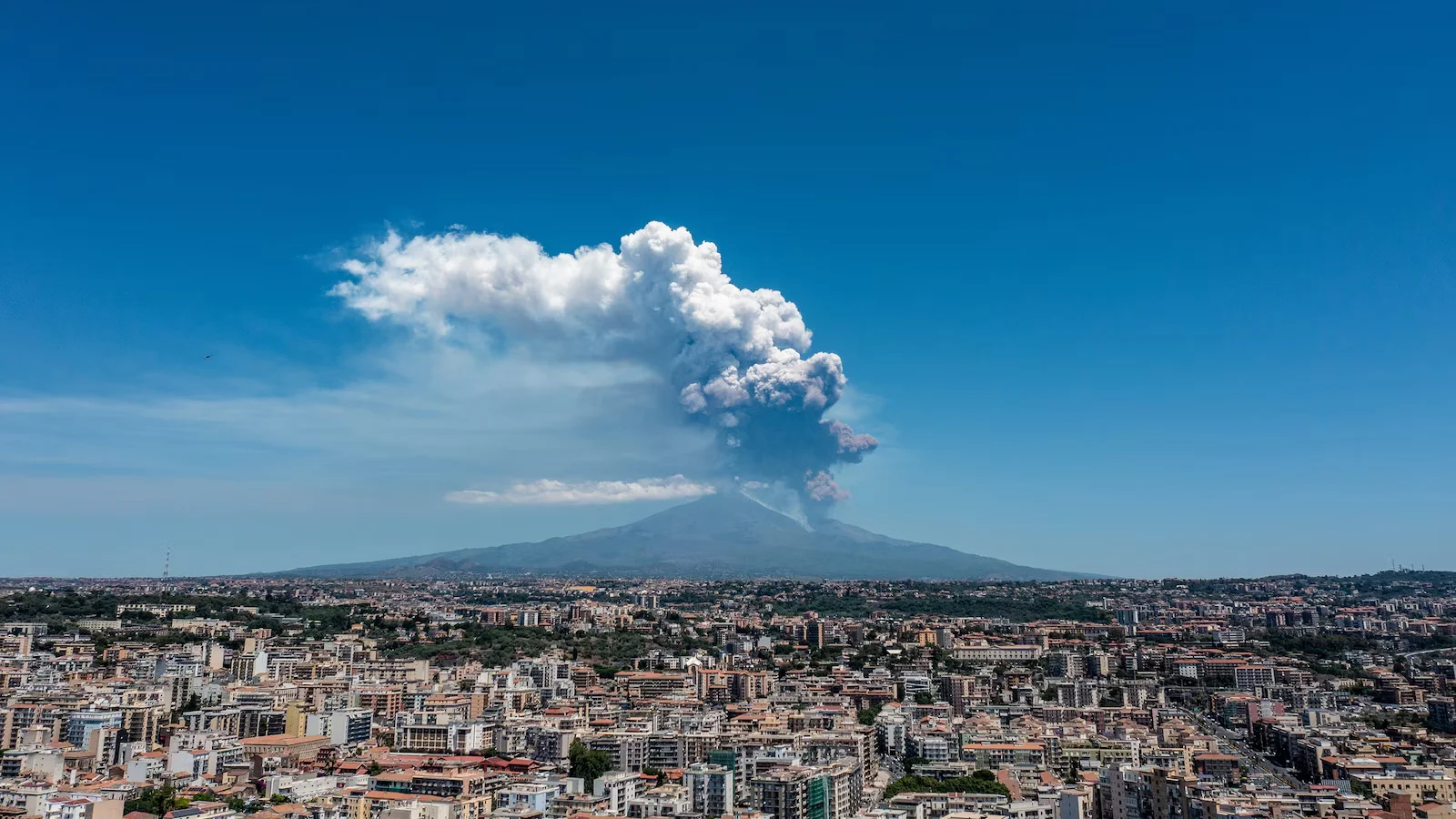
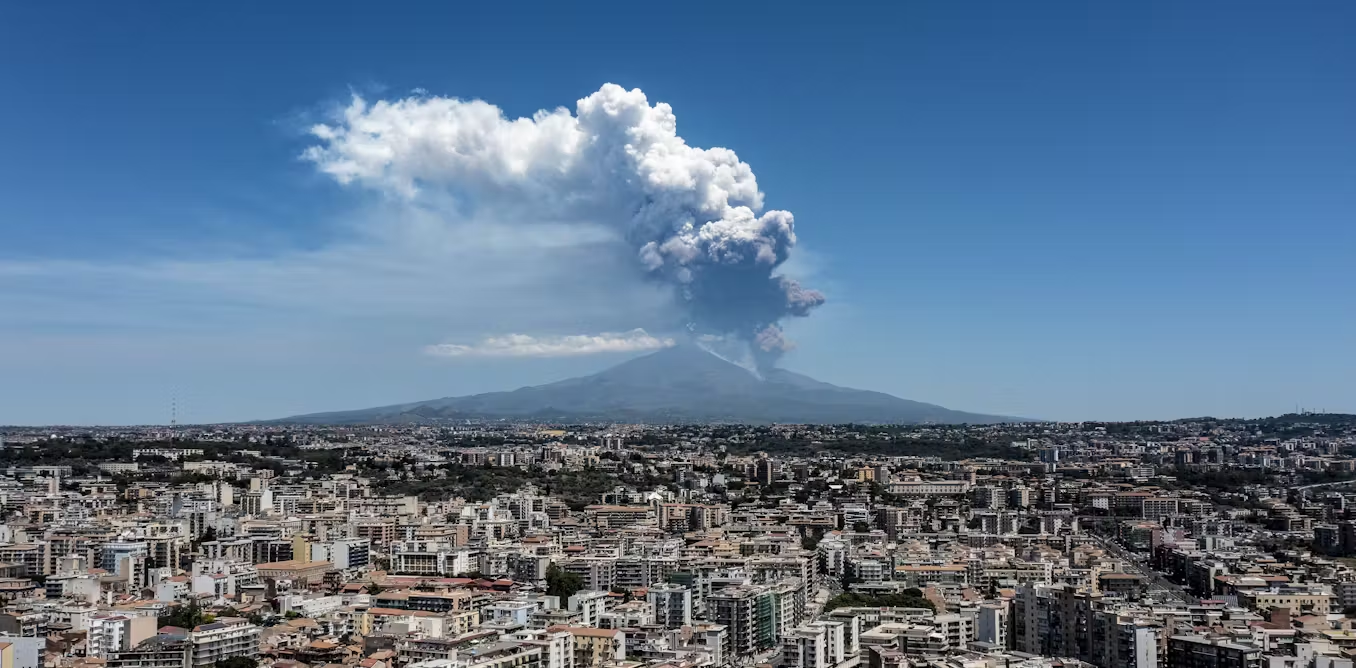
A recent eruption at Italy's Mount Etna produced a large ash cloud and lava flows, but caused no injuries or major disruptions. The event was more explosive than a typical Strombolian eruption, which is characterized by small rock and cinder bursts. Volcanologists classify eruptions by explosiveness, with Strombolian being mild, and more explosive types like Plinian causing widespread destruction. Monitoring techniques such as seismic activity, ground deformation, and gas analysis help forecast eruptions, though predicting exact timings remains challenging. Improved monitoring has increased our awareness of eruptions, but the frequency has not necessarily increased.
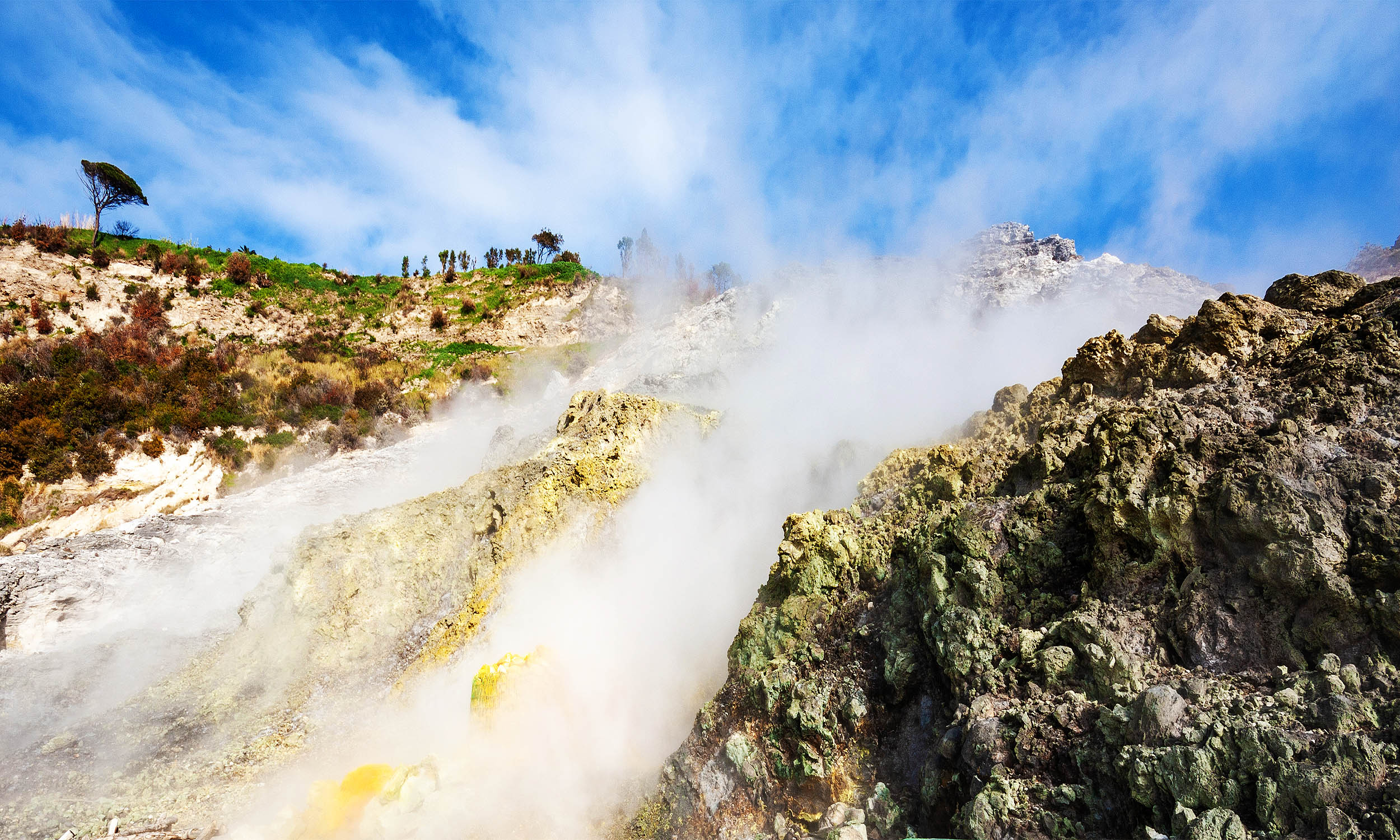
The Phlegraean Fields supervolcano near Naples, Italy, is showing signs of increased activity, with the Solfatara crater emitting large amounts of carbon dioxide. Researchers, led by volcanologist Gianmarco Buono, are studying these emissions to distinguish between gases from magma and those from other geological processes. Understanding these emissions is crucial for predicting volcanic activity and ensuring public safety. The study highlights the importance of monitoring volcanic gases to better assess potential risks and was published in the journal Geology.
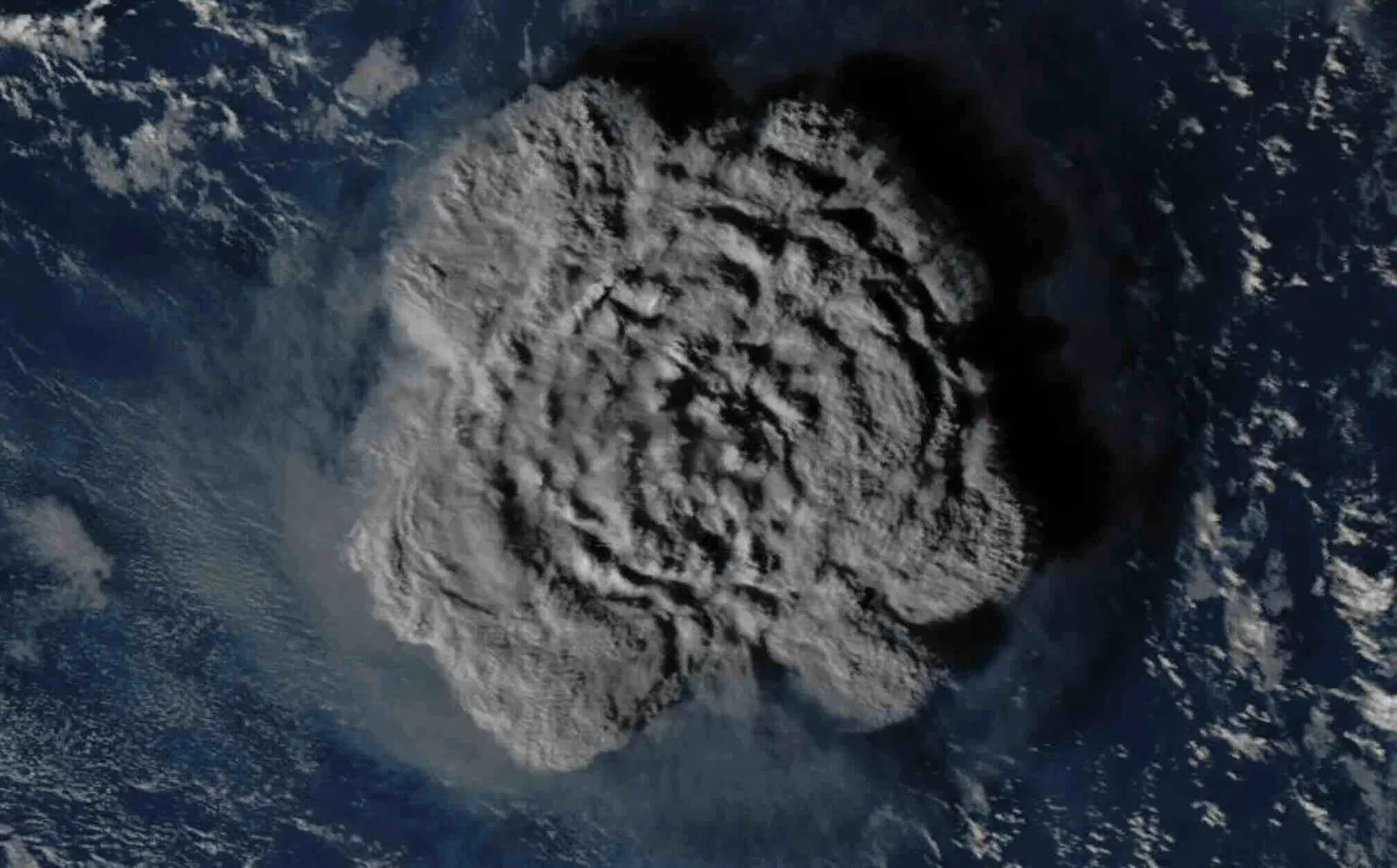
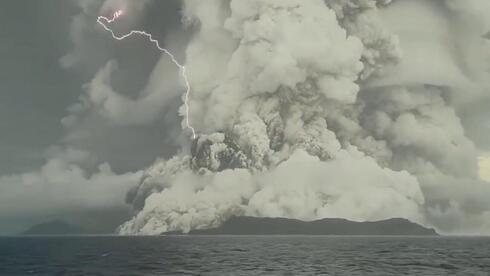
Researchers have identified a seismic precursor that occurred 15 minutes before the massive Hunga Tonga-Hunga Ha’apai eruption in January 2022, which was equivalent to hundreds of atomic bombs. This precursor, detected by distant monitoring stations, was caused by a collapse of the ocean floor, leading to a deadly tsunami and a massive plume of gas and ash. The findings highlight the potential for early warning systems to mitigate the impact of such eruptions.
Scientists have discovered that seismic waves detected 15 minutes before the massive 2022 eruption of the Hunga Tonga Hunga Ha’apai volcano could serve as an early warning system for future eruptions. The seismic activity, recorded by stations in Fiji and Futuna, was linked to a fracture in the oceanic crust, allowing magma and seawater to mix and build explosive pressure. This finding suggests that similar seismic signals could help predict eruptions, especially in remote oceanic areas, potentially mitigating disaster impacts.
Jackie Caplan-Auerbach, a volcanologist and seismologist, studies the earthquakes produced by underwater volcanoes to understand the Earth's interior. By analyzing the seismic activity, she hopes to gain insights into the physics behind volcanic eruptions and mitigate the impacts of future disasters. Caplan-Auerbach uses hydrophones to listen to the sounds of volcanic activity and has even analyzed the seismic waves generated by Taylor Swift concerts. She believes that studying underwater volcanoes reveals the extraordinary happenings underwater and highlights the importance of physics in understanding the natural world.
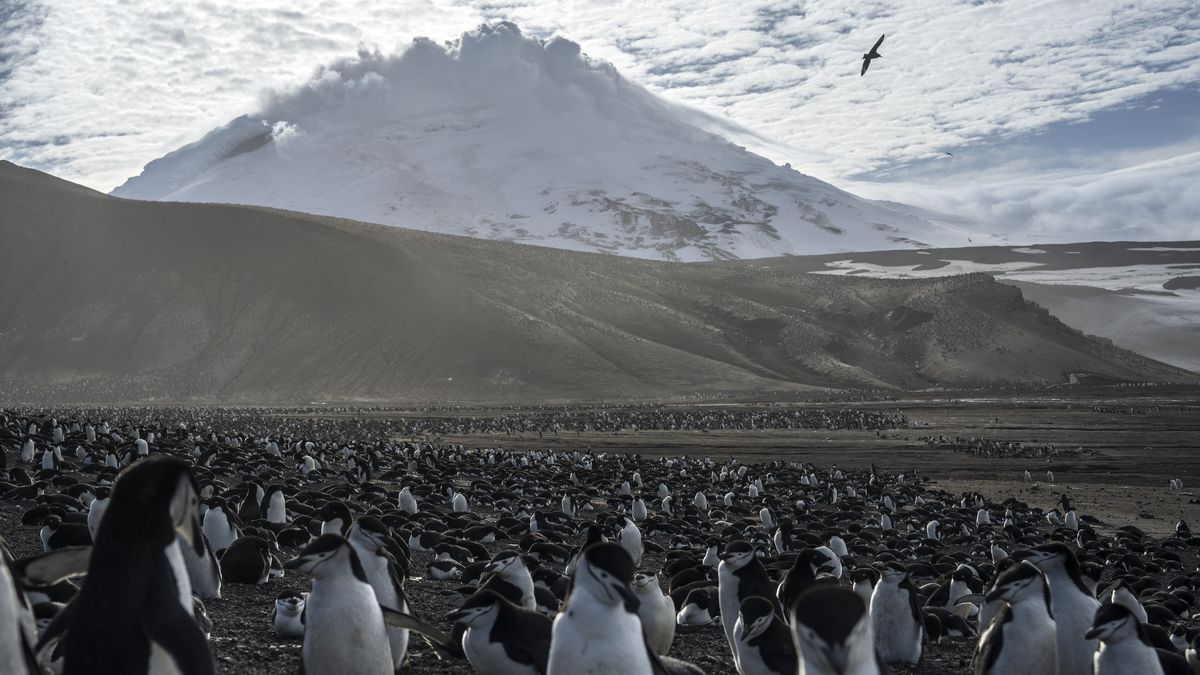
Scientists and mountaineers have confirmed the existence of the world's eighth lava lake deep inside Mount Michael, a volcano on Saunders Island in the South Sandwich Islands. The successful ascent, which occurred in November 2022, was years in the making and involved navigating stormy seas and challenging weather conditions. Lava lakes provide valuable insights into volcanic processes and will help improve models of volcanic activity. The discovery will aid in fine-tuning measuring instruments and potentially installing permanent monitoring stations on the volcano. The expedition will be featured in the "Explorer: Lake of Fire" episode on National Geographic.
New evidence suggests that the McDermitt Caldera, located on the Nevada/Oregon border, may contain some of the largest lithium reserves in the world. A team of researchers from Lithium Americas Corporation, GNS Science, and Oregon State University studied the caldera and proposed a theory explaining the formation of lithium deposits in the area. The theory suggests that after a volcanic eruption, hydrothermal enrichment occurred, allowing lithium to seep up towards the surface. This finding could have significant implications for the mining industry and the global supply of lithium, a highly valued metal used in various battery technologies.
Luigi Palmieri, a Victorian volcanologist, dedicated his life to studying Mt. Vesuvius and survived five eruptions during his 41-year tenure as the director of the Vesuvius Observatory. He challenged the belief that volcanoes erupted spontaneously and unpredictably and invented the electronic seismograph, revolutionizing the study of earthquakes. Despite numerous close calls, Palmieri's passion for measurement and scientific curiosity drove him to continue his work. He passed away at the age of 89, leaving behind a lasting contribution to the scientific world and a legacy of adventure science.
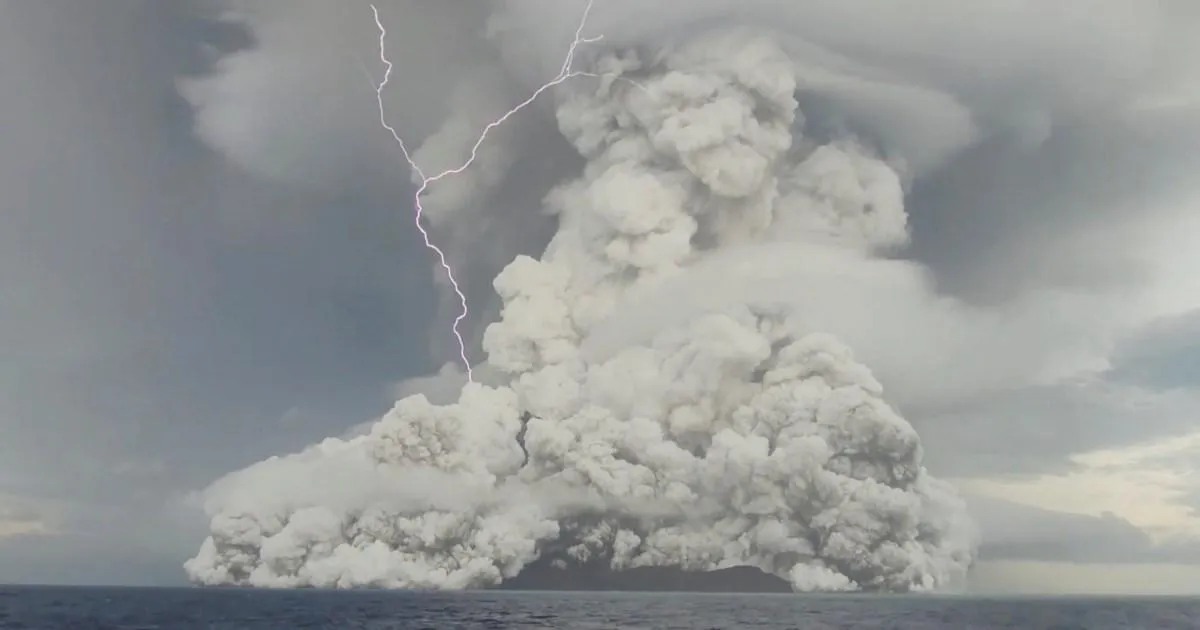
The 2022 Hunga Tonga volcanic eruption in Tonga triggered an unprecedented level of electrical activity, with nearly 200,000 lightning flashes within the volcanic plume, reaching a peak rate of over 2,600 flashes per minute. The eruption expelled a massive amount of molten rock and evaporated water, creating a towering plume that reached halfway to space. Scientists believe that plume particles surfing a volcanic "gravity wave" contributed to the record-breaking lightning. The eruption, classified as a phreatoplinian eruption, was a milestone as it had never been observed with modern equipment before. The insights gained from studying the lightning activity can improve monitoring and prediction of aviation hazards during major volcanic eruptions.
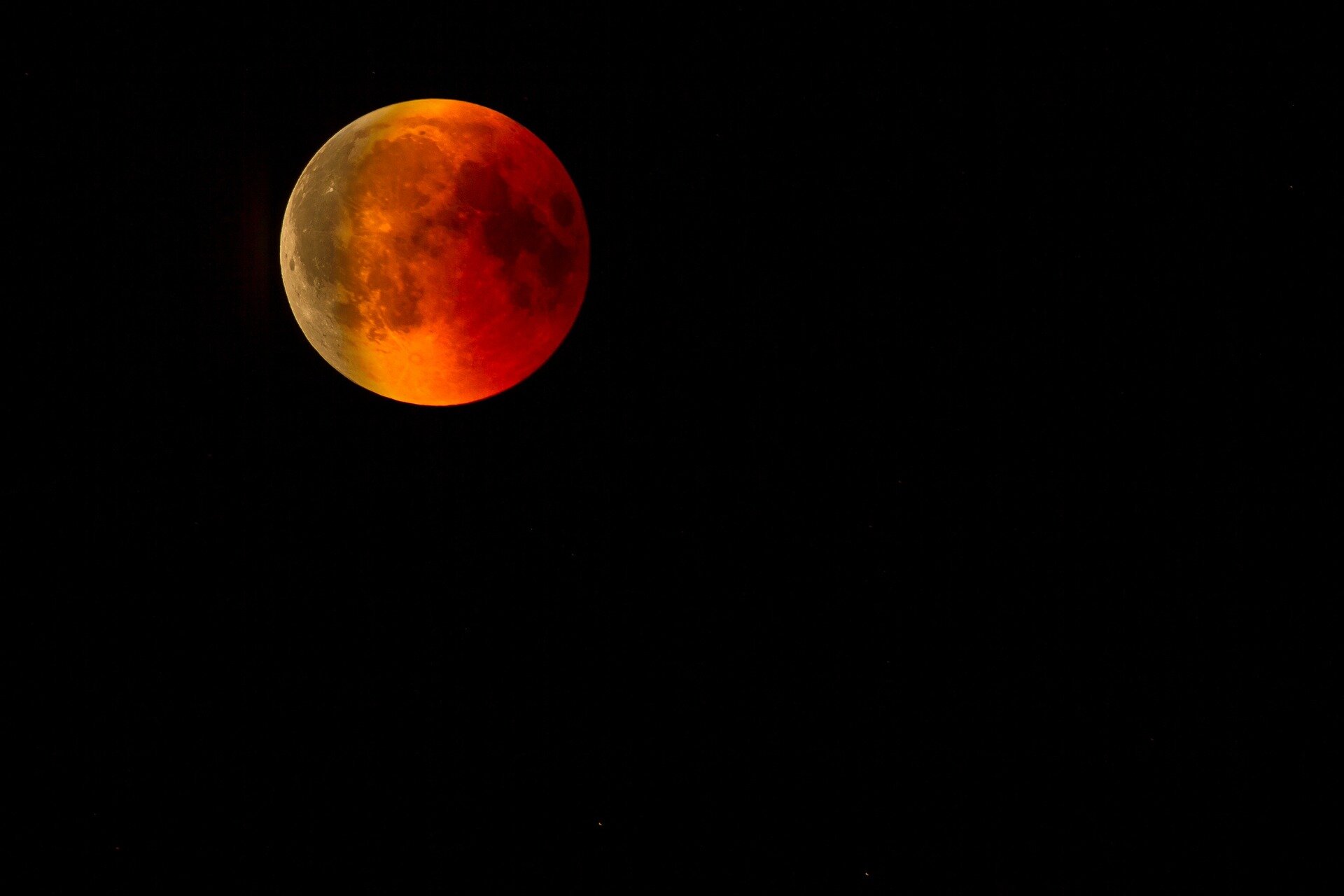
Medieval monks recorded the brightness and color of lunar eclipses, which helped researchers accurately date some of the biggest volcanic eruptions in history. The eruptions, which occurred between 1100 and 1300, were responsible for the vanishing moon and cooling summer temperatures, which could bring ruin to agricultural crops. The collective effect of the medieval eruptions on Earth's climate may have led to the Little Ice Age. The findings are significant as the interval from 1100 to 1300 is known to be one of the most volcanically active periods in history.