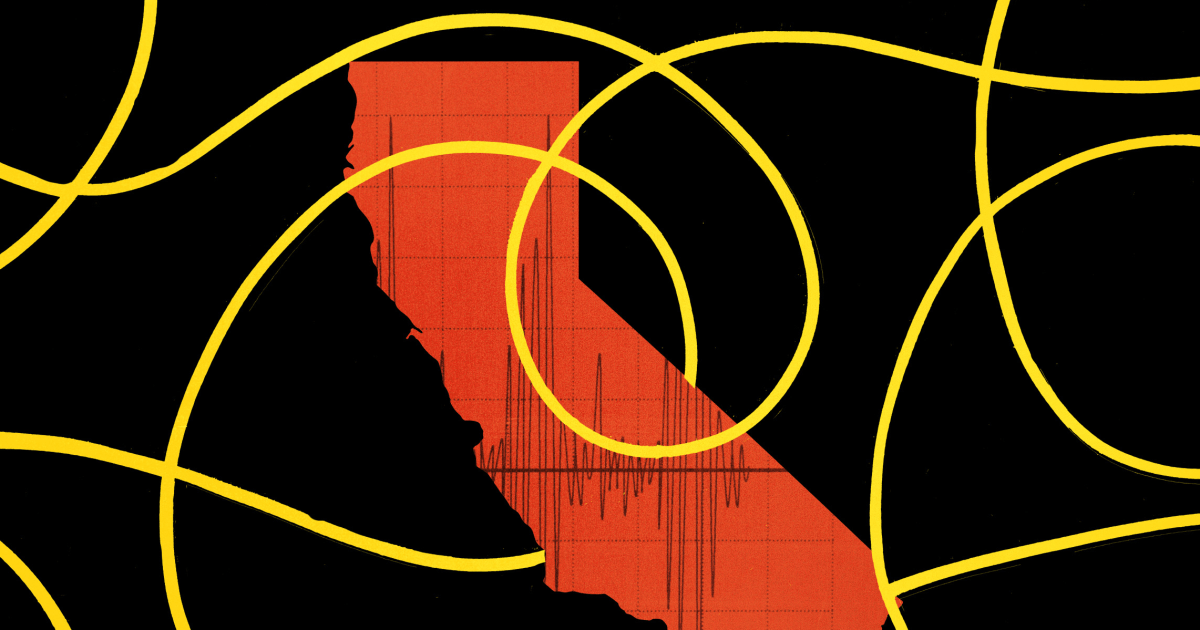
Scientists have demonstrated that fiber optic cables can be used as highly detailed seismometers to detect and image earthquakes in real-time, potentially revolutionizing early warning systems and earthquake prediction by leveraging existing telecommunications infrastructure.
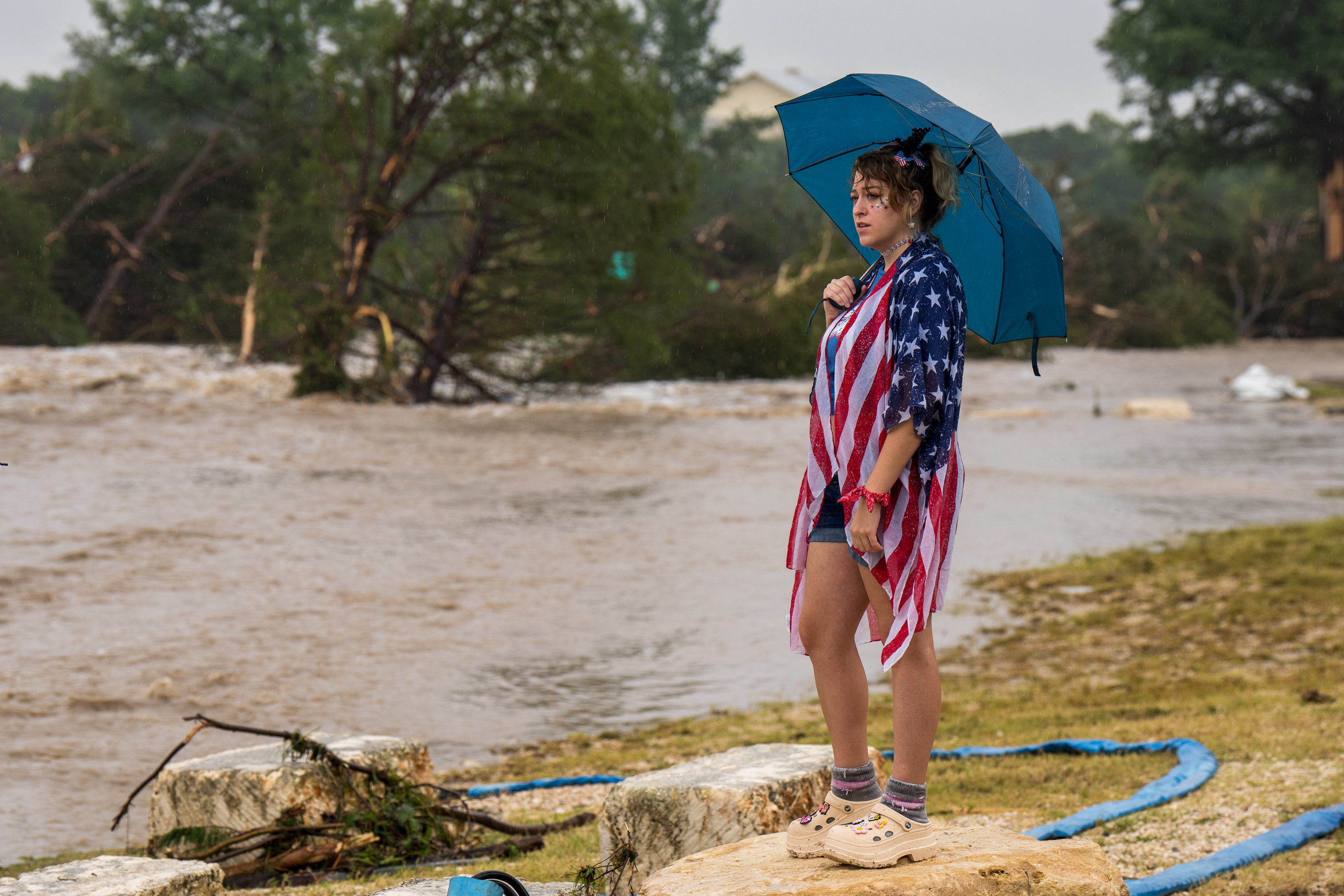
The devastating floods in Kerr County, Texas, highlight the increasing risks of climate change and the consequences of federal budget cuts to weather and disaster preparedness programs, emphasizing the need for better community resilience and investment in early warning systems to prevent future tragedies.
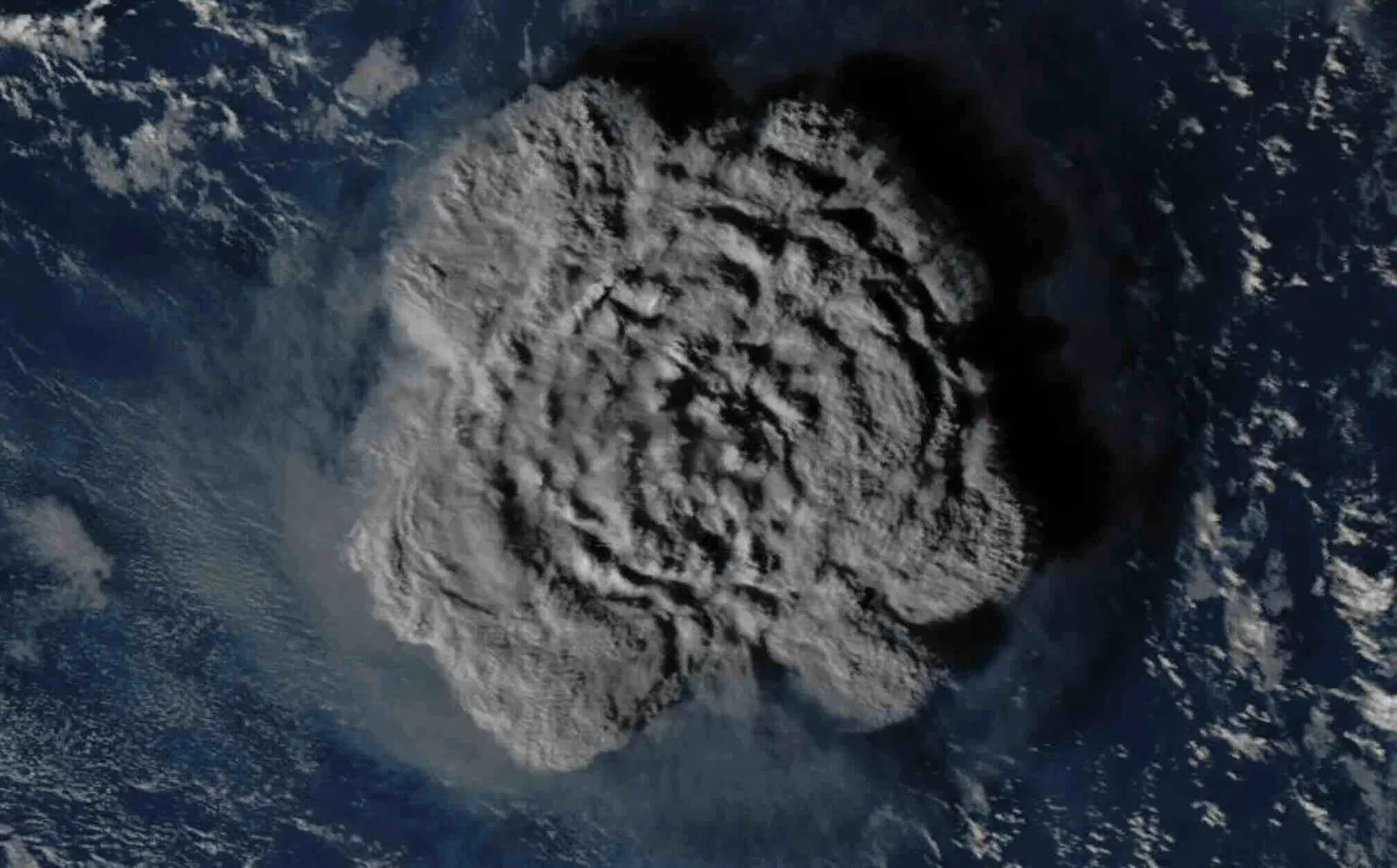
Scientists have discovered that seismic waves detected 15 minutes before the massive 2022 eruption of the Hunga Tonga Hunga Ha’apai volcano could serve as an early warning system for future eruptions. The seismic activity, recorded by stations in Fiji and Futuna, was linked to a fracture in the oceanic crust, allowing magma and seawater to mix and build explosive pressure. This finding suggests that similar seismic signals could help predict eruptions, especially in remote oceanic areas, potentially mitigating disaster impacts.
Researchers have discovered that the massive 2022 eruption of the Hunga Tonga-Hunga Ha’apai volcano was preceded by a Rayleigh seismic wave, detectable by distant seismometers, 15 minutes before the event. This finding suggests that such seismic signals could serve as early warnings for future eruptions, potentially saving lives by providing critical minutes of notice. The study highlights the importance of developing infrastructure to utilize these signals for disaster mitigation.
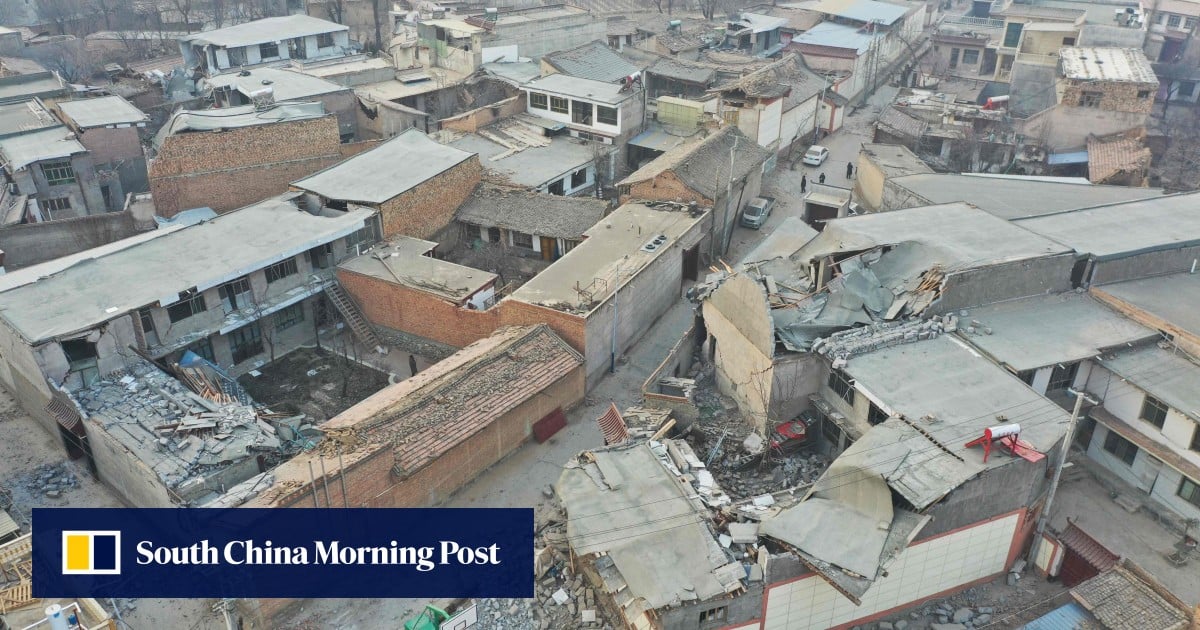
Scientists in China have developed a groundbreaking technique that successfully forecasts earthquakes with a magnitude of 7.0 or more globally, but they are still unable to predict the location of these earthquakes. Using abnormal data readings from multiple sensors, the researchers were able to predict the recent earthquake in northwestern China with a high probability, but they did not anticipate it would occur in a neighboring province. While they can estimate the magnitude and time frame of earthquakes, determining the location remains a challenge. The team is exploring methods such as studying patterns related to tectonic plates and using global sensors to improve location prediction. The China Earthquake Early Warning Network provides alerts after an earthquake has already started, with those further away from the epicenter receiving more time to prepare.
Scientists have discovered a precursory fault phase slip that occurs nearly two hours before an earthquake, potentially allowing for early warnings. By analyzing GPS records from 48 hours prior to over 90 earthquakes, the researchers observed signs of increasing activity along fault zones in the two hours immediately before the earthquakes. However, current GPS systems lack the sensitivity required to make precise predictions at single sites, and it remains uncertain whether these slow-slip accelerations can be measured accurately enough to provide useful warnings for individual events.
Six years after Hurricane Maria devastated Dominica, the island nation is still recovering. While the government has built new homes and put in place tougher building codes, many residents are still struggling to rebuild. With the start of the Atlantic hurricane season, there are concerns that climate change could make storms like Maria more common. Dominica, which is known for its rugged mountains and jungles, is on the front lines of climate change and is calling on the international community to hear its cry for help. The Red Cross is working to set up early warning systems to better prepare for future disasters.
The World Meteorological Organization (WMO) has released its latest State of the Global Climate report, which shows that the last eight years were the warmest on record, and that sea level rise and ocean warming hit new highs. The report highlights the importance of investing in climate monitoring and early warning systems to help mitigate the humanitarian impacts of extreme weather. The WMO also stresses the need for deeper, faster emissions cuts and massively scaled-up investments in adaptation and resilience, particularly for the most vulnerable countries and communities.