Tag

Little Ice Age

All articles tagged with #little ice age

earth-and-environment1 year ago

"Polar Ice Records: Tracing Climate and Human Impact from Little Ice Age"

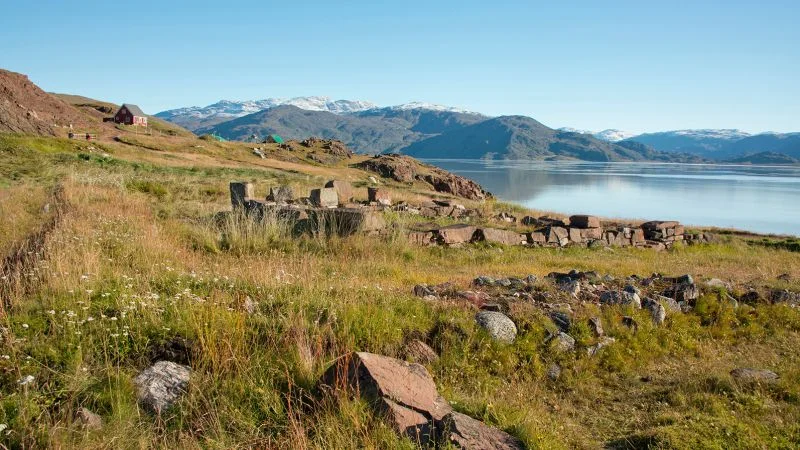
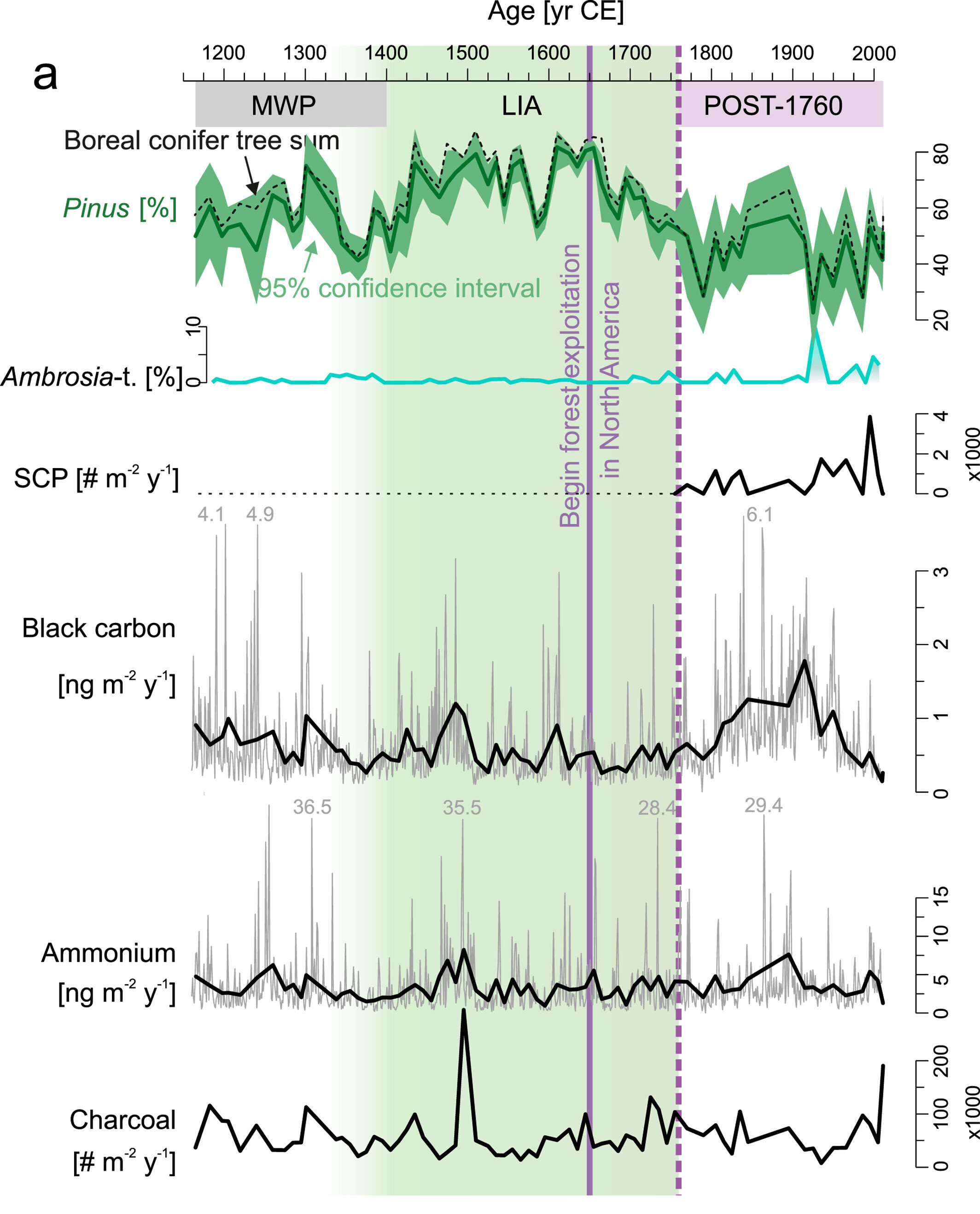
A new study has used an 850-year pollen record from Greenland to investigate the impact of climate and human activity on boreal ecosystems, particularly in high-latitude regions. The research reveals changes in pollen composition coinciding with the transition from the Medieval Warm Period to the Little Ice Age, indicating the influence of both climate and human exploitation of forests. The findings suggest that human impact, such as logging and forest exploitation, had a significant effect on the landscape, outweighing the impact of climate change. As Arctic ecosystems continue to be rapidly altered by climate change, the study highlights the complex interplay between climate and human activity in shaping the environment.
climate-science2 years ago

"The Caribbean's Salty Impact on Climate"

Researchers have found that the distribution of salt by ocean currents, particularly from the Caribbean, plays a crucial role in regulating the global climate. By studying natural climate anomalies like the Little Ice Age, they discovered that changes in salt movement to high northern latitudes can amplify and prolong cold climate events in the subpolar North Atlantic and Europe. The study confirms that the south-north transport of salt is a key factor in climate processes, affecting ocean circulation and ultimately influencing temperatures in Europe and North America.

environment2 years ago

Greenland's Glaciers Melting at Alarming Rate

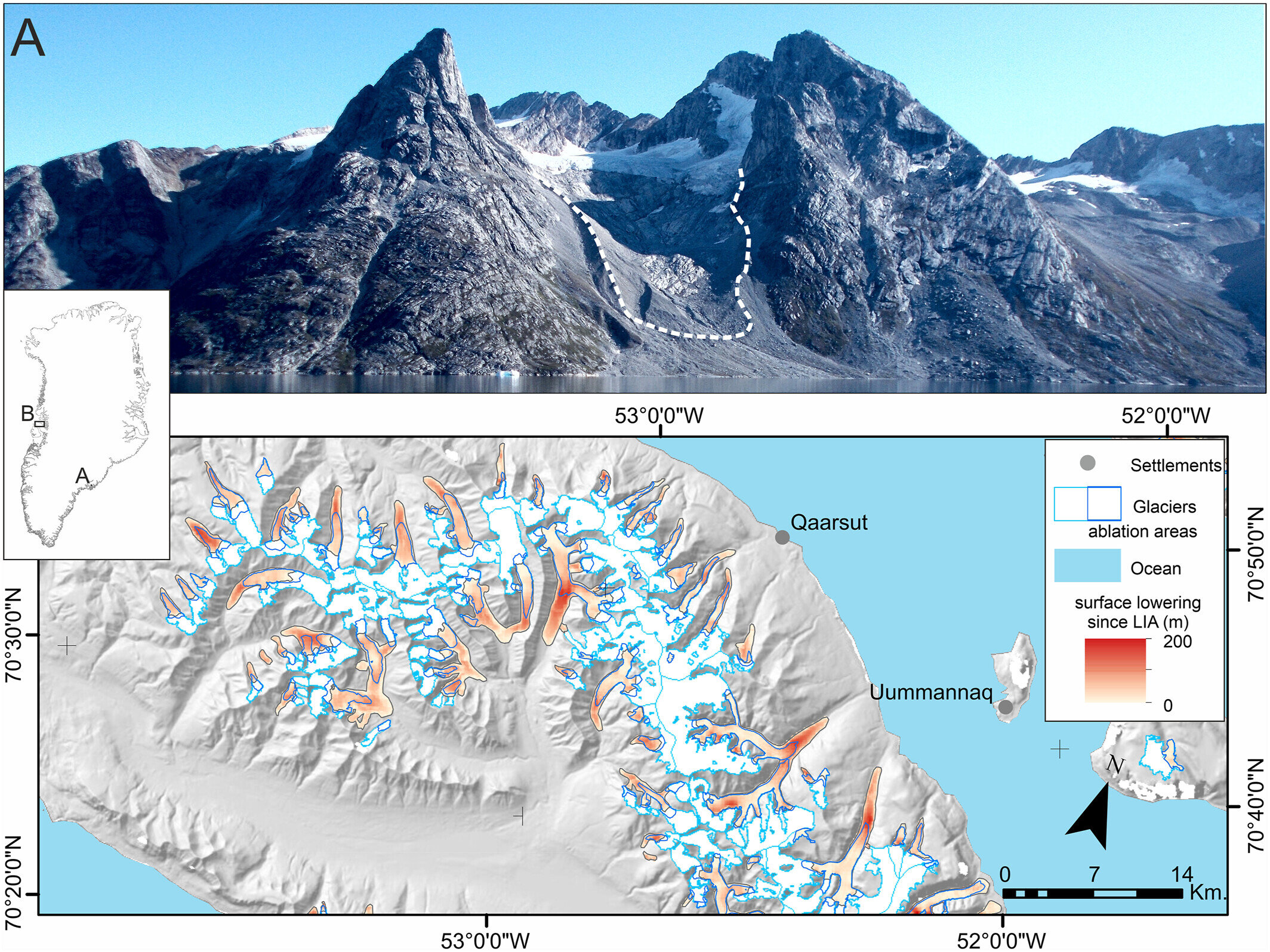
A study has found that Greenland's glaciers and ice caps have lost at least 587 km3 of ice over the last century, accounting for 1.38 millimeters of sea-level rise. The speed at which the water melted between 2000 and 2019 was three times higher than the long-term average since 1900. The research provides critical insights into long-term changes to the glaciers and ice caps as a result of climate change, which has contributed about one fifth to global sea-level rise in the last decade.

science2 years ago

Vikings' North American Settlements Threatened by Rising Seas and Cascading Crises.

A new study suggests that the Vikings may have abandoned their successful settlement in Greenland due to a rise in sea levels caused by climate change. The researchers used a computer model based on geological and climate records to calculate that sea levels would have risen by up to 3 meters during the four centuries of Norse occupation of the eastern settlement. The loss of habitable land would have been compounded by a trend from warmer temperatures toward cooler, drier temperatures in Europe that ultimately led to what is known as the Little Ice Age, which began around 1250 AD.

science2 years ago

Uncovering Medieval Volcanic Activity Through Lunar Observations

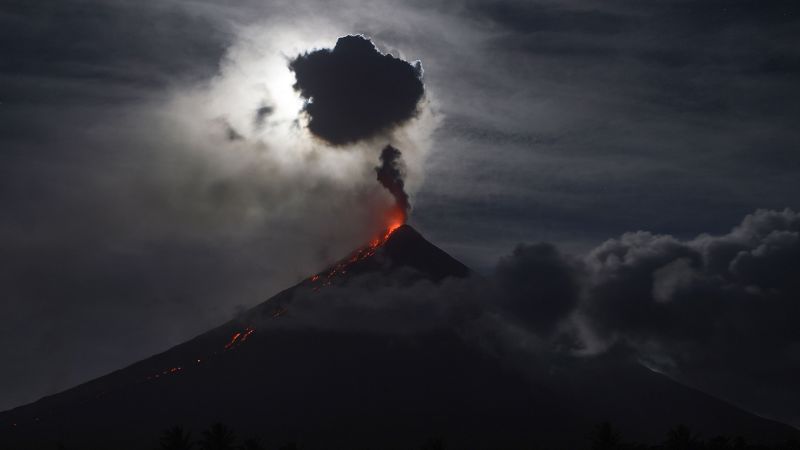
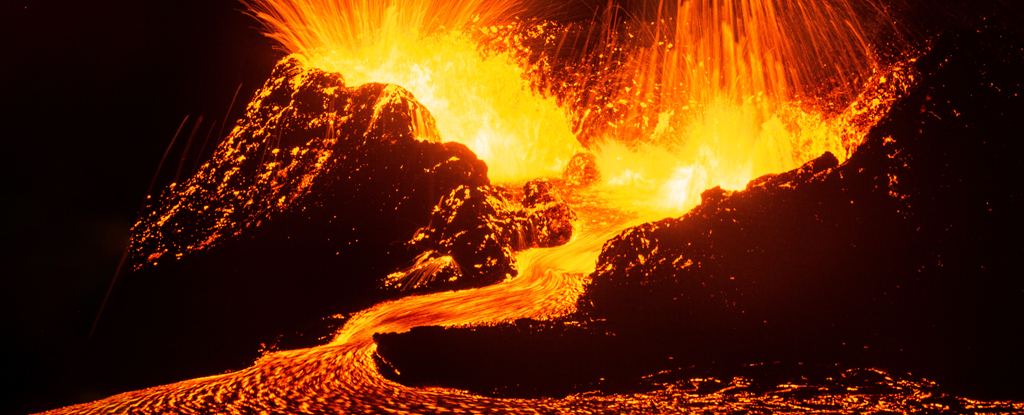
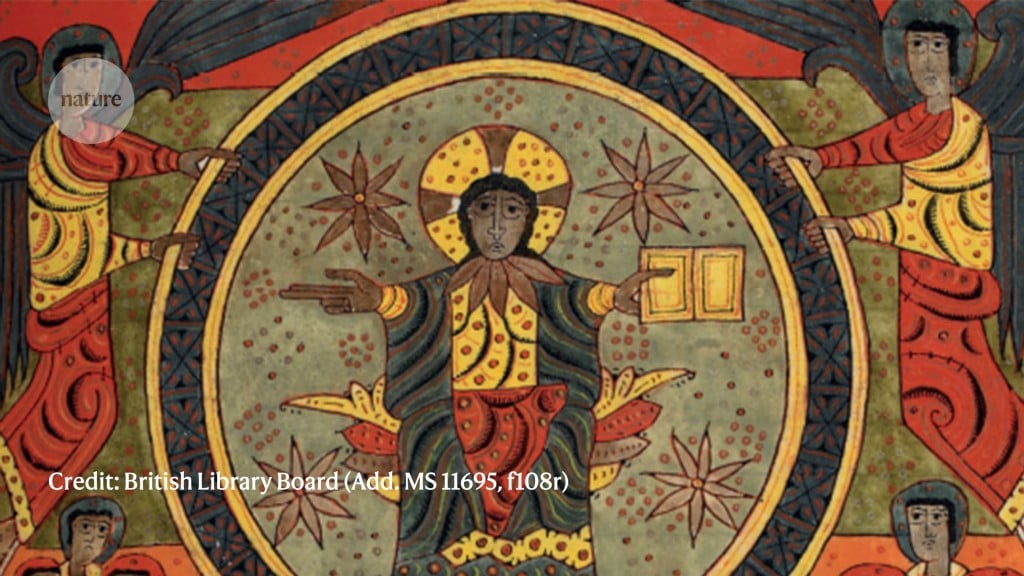
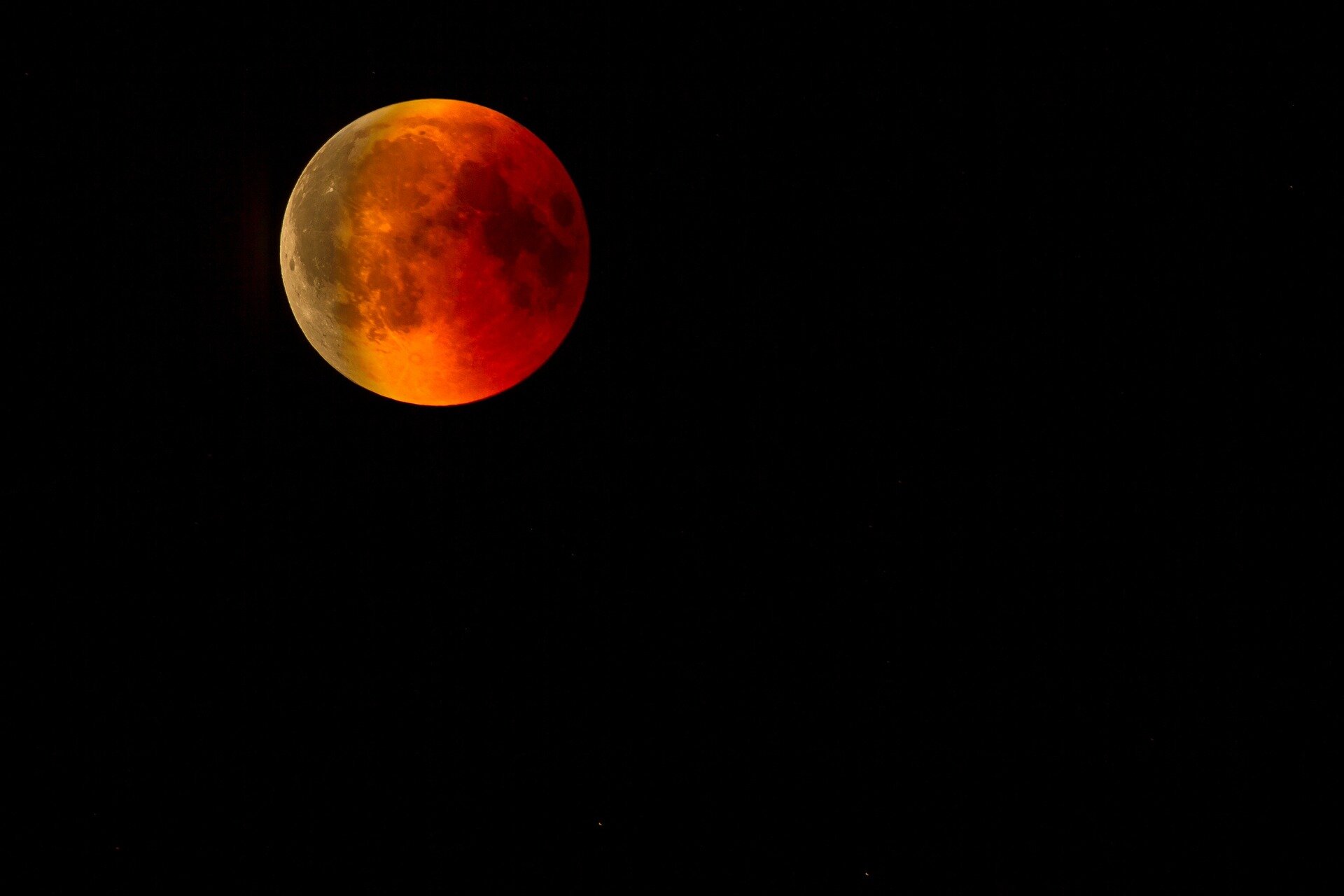
Medieval manuscripts containing detailed descriptions of lunar eclipses are helping present-day researchers study a mysterious cluster of volcanic eruptions on Earth. Over a five-year period, researchers scoured 12th and 13th-century European, Middle Eastern and East Asian sources for lunar descriptions, which, when combined with ice core and tree ring data, are allowing more accurate dating of what scientists think must have been some of the biggest volcanic eruptions the world has seen. The new research sheds light on the onset of the Little Ice Age, a period of cold weather between 1280 and 1340 that disrupted harvests, saw the advance of European glaciers, and led to a shift in the social and economic order.

science2 years ago

Uncovering Medieval Monks' Recordings of Volcanic Activity through Lunar Observations.

Researchers have found a new way to learn about historical volcanic eruptions by studying descriptions of lunar eclipses in medieval manuscripts. By compiling hundreds of records of lunar eclipses from across Europe, the Middle East, and Asia, the researchers were able to estimate the timing of the eruptions more precisely than from previous ice core records. The study also sheds light on the potential impact of volcanic eruptions on the climate during the European Middle Ages and their role in the transition to the Little Ice Age.

science2 years ago

Medieval Manuscripts Reveal Link Between Lunar Eclipses, Volcanoes, and Climate Change.

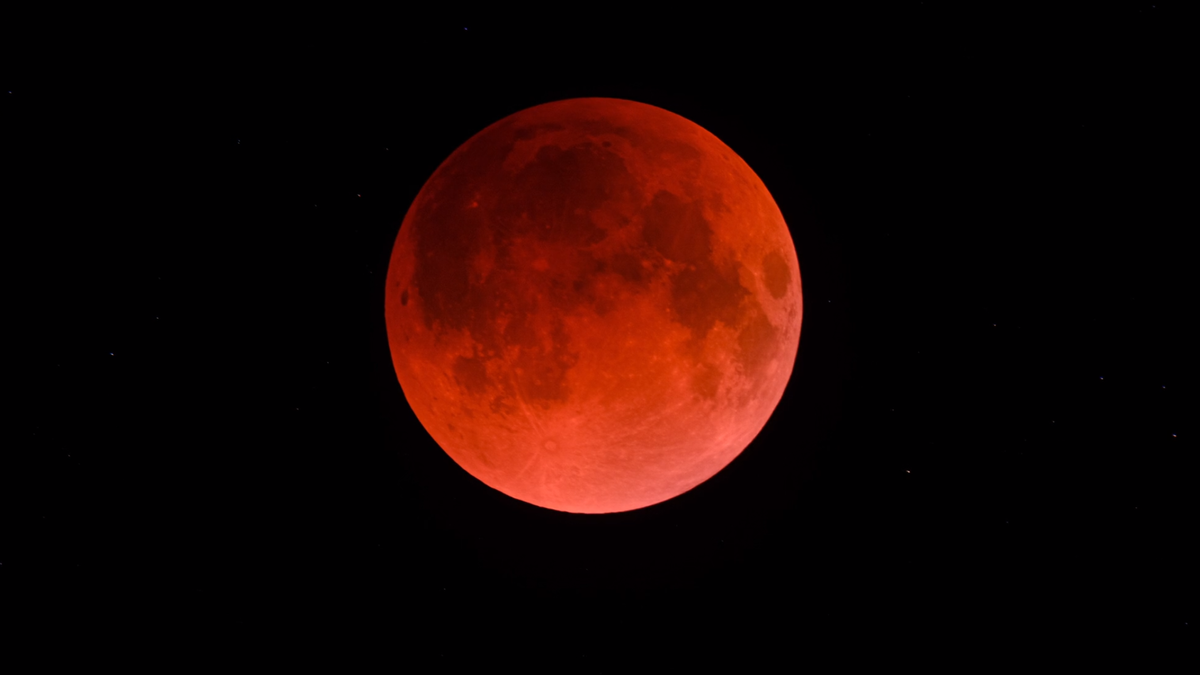
Medieval records of lunar eclipses may help reveal vital clues about the volcanic eruptions that may have triggered the Little Ice Age in Europe, according to a new study. The researchers suggest that these records can help estimate the strength of the effect volcanic eruptions had on the stratosphere and therefore global climate. By examining the color and brightness of total lunar eclipses in ancient texts, the researchers could estimate the year and, in some cases, even the month of volcanic eruptions. This improved dating of major volcanic eruptions is "crucial for accurately quantifying the impact of these eruptions on climate," the researchers said.

science2 years ago

Medieval observations reveal link between eclipses and volcanic eruptions.

Medieval accounts of lunar eclipses, including descriptions of Moon coloration and darkness, have helped scientists pinpoint the timing and impact of volcanic eruptions from 1100 to 1300. The research corroborates data from ice cores and could aid in understanding the Little Ice Age and the potential impacts of solar geoengineering. The study highlights the value of combining historical records with other methods to understand past climate events.

earth-science2 years ago

Medieval Monks Shed Light on Volcanic Eruptions and Climate Impact.

Medieval monks recorded the brightness and color of lunar eclipses, which helped researchers accurately date some of the biggest volcanic eruptions in history. The eruptions, which occurred between 1100 and 1300, were responsible for the vanishing moon and cooling summer temperatures, which could bring ruin to agricultural crops. The collective effect of the medieval eruptions on Earth's climate may have led to the Little Ice Age. The findings are significant as the interval from 1100 to 1300 is known to be one of the most volcanically active periods in history.