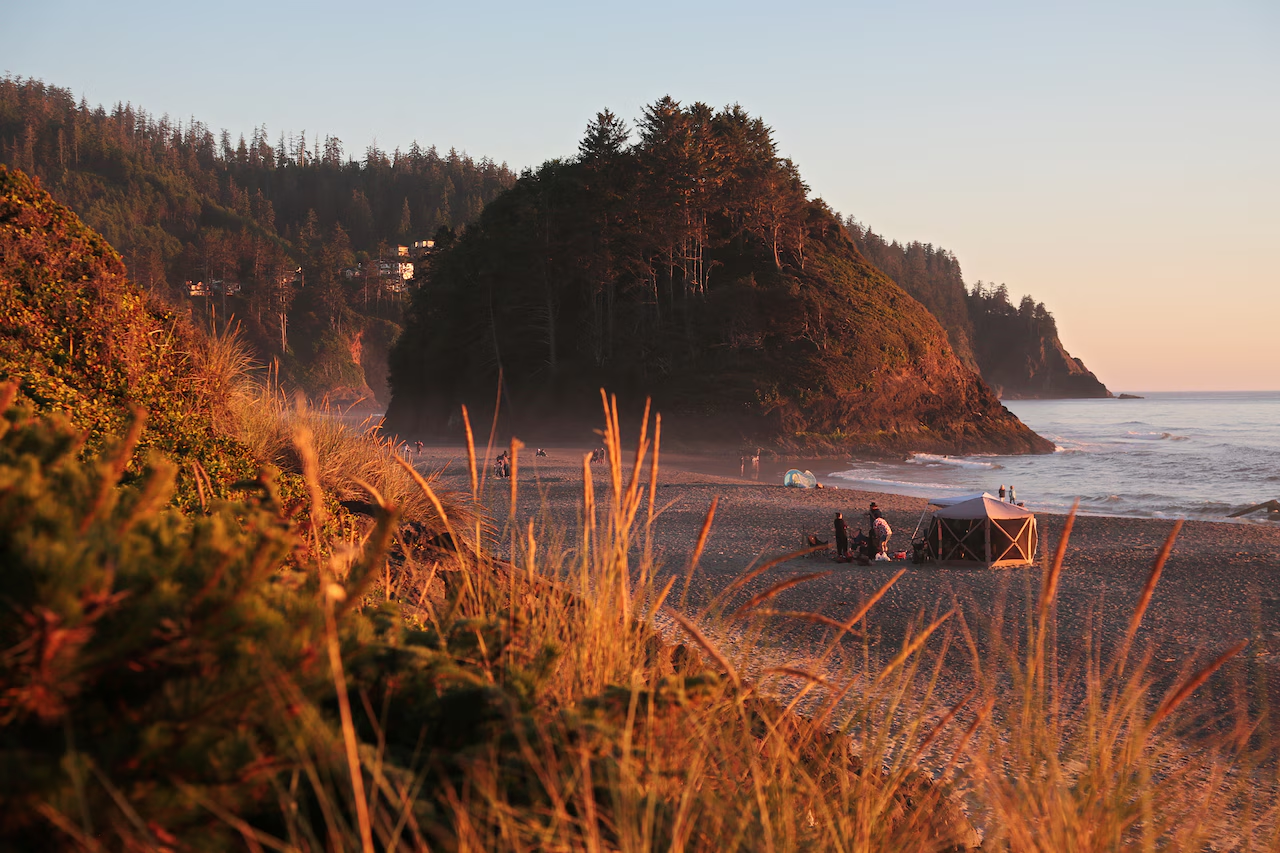
A California couple who got engaged on the Oregon coast were married onstage during Bad Bunny's Super Bowl halftime show, with Bad Bunny serving as a witness and a real wedding cake marking the moment.
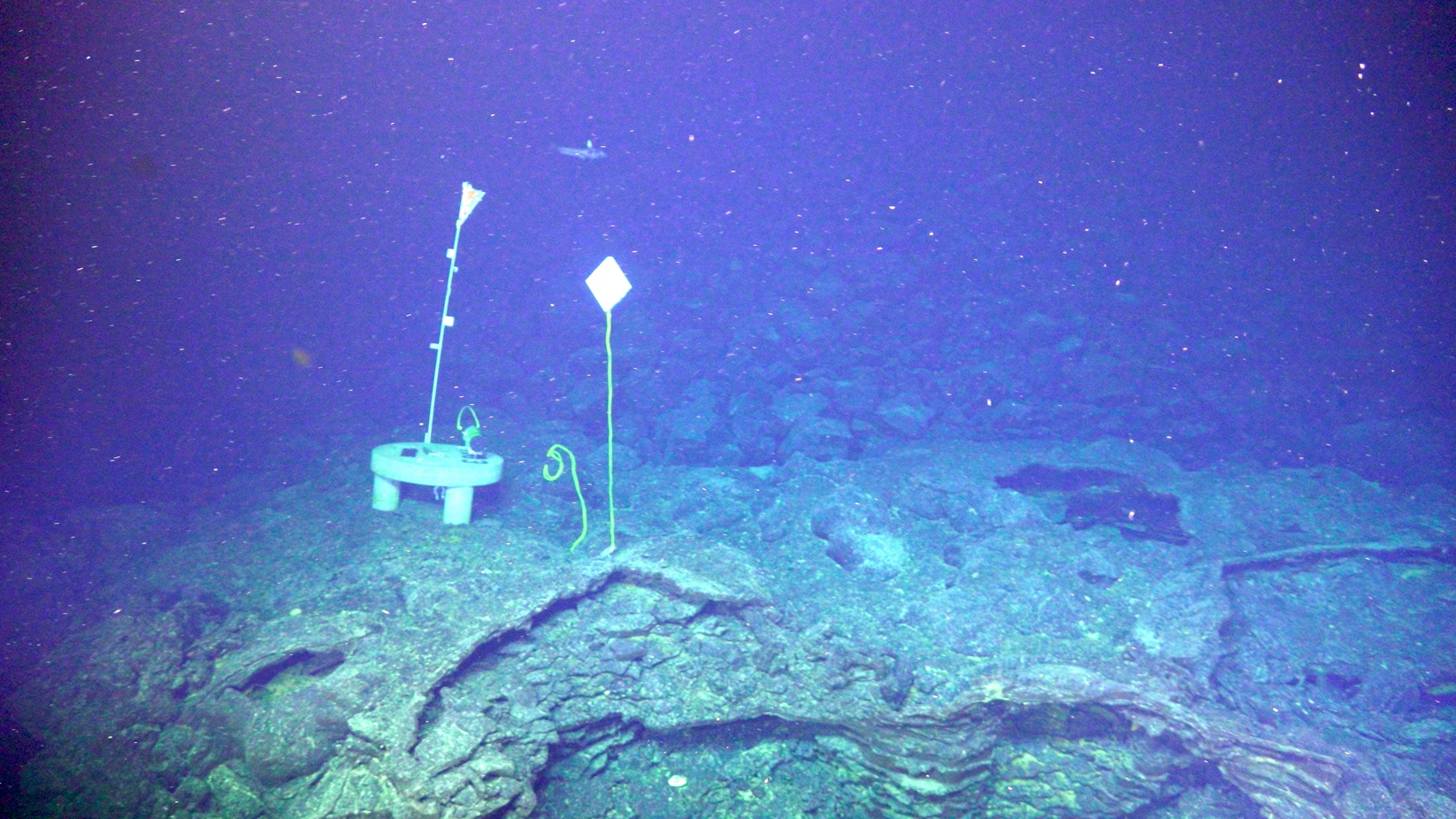
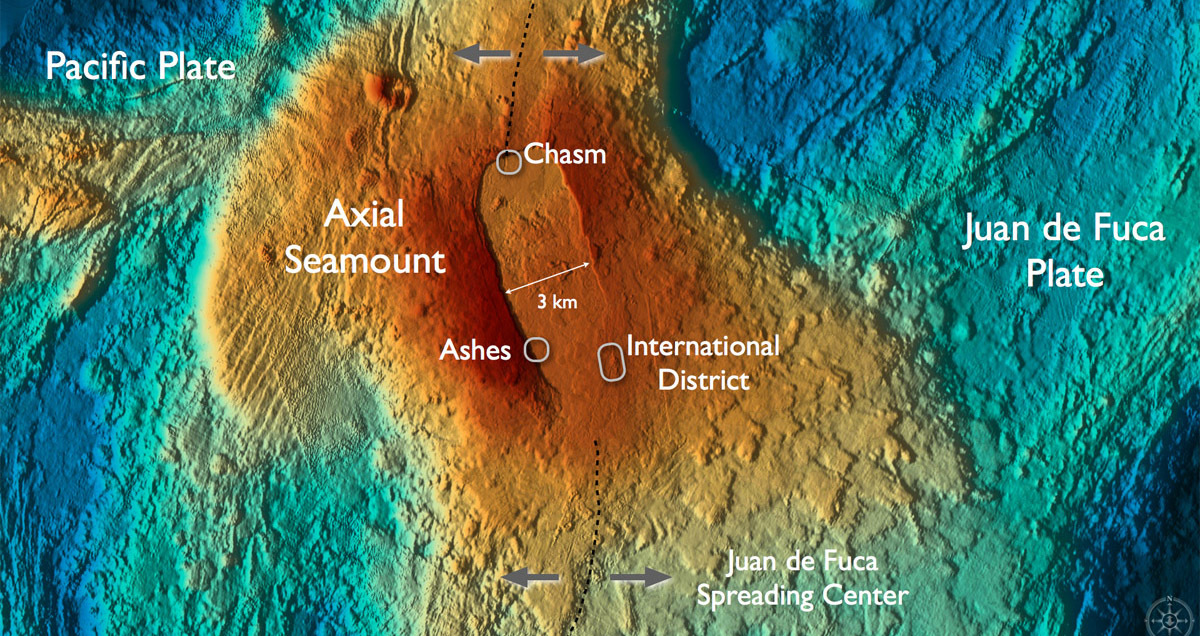
Scientists now predict the underwater Axial Seamount off Oregon will likely erupt between mid-to-late 2026, based on recent changes in magma inflation and seismic activity, which have shown a pattern similar to previous eruptions but with a delayed timeline.
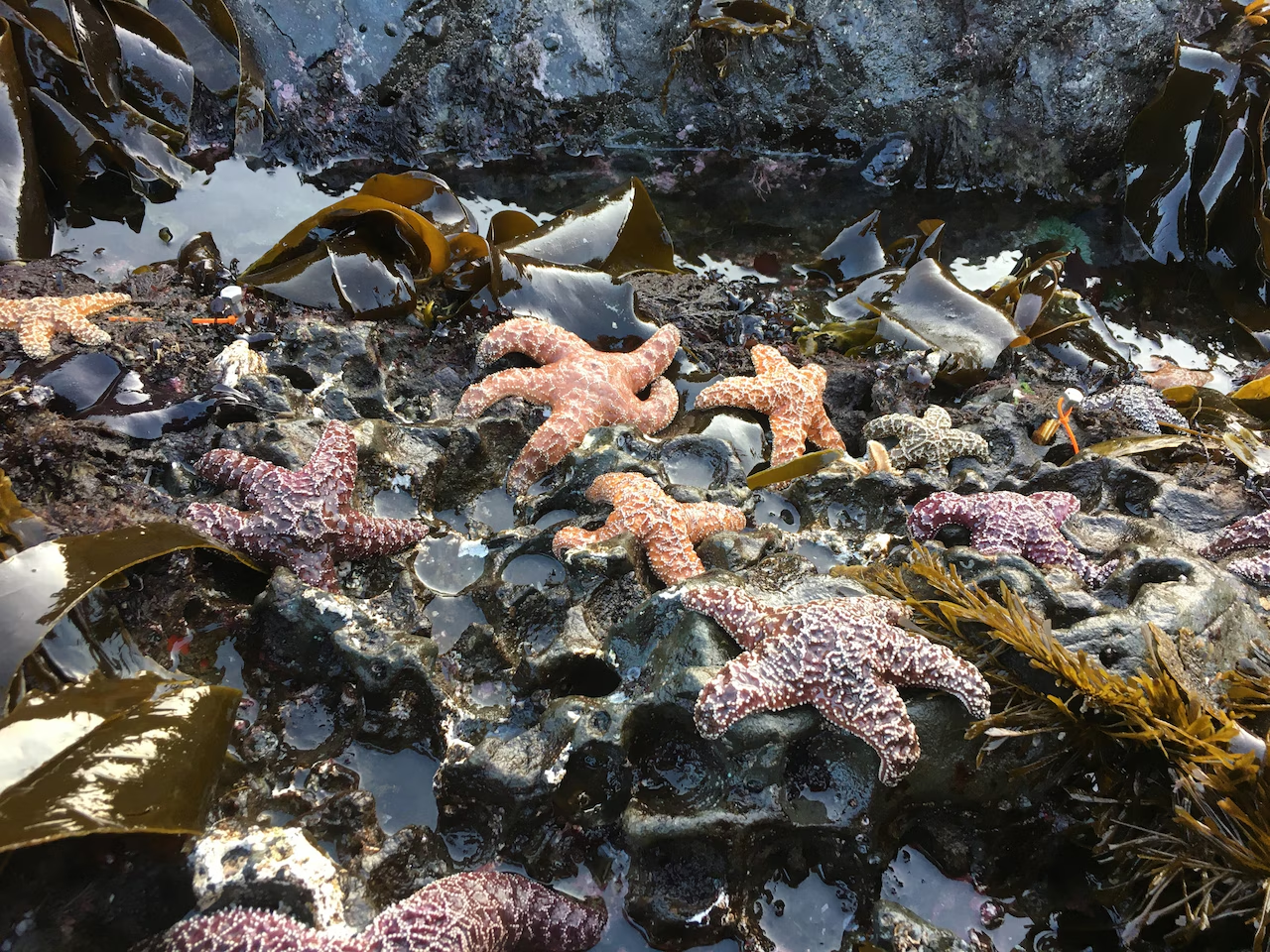
Ochre sea stars along the Oregon coast are recovering after a decade of decline caused by a mysterious wasting disease, with recent studies showing a significant increase in young sea stars and a return to their ecological role as predators, although their size and population stability have not fully returned to pre-epidemic levels.
Researchers monitor the Axial Seamount off Oregon's coast, which may erupt by year's end, but currently shows no signs of imminent eruption; the volcano's activity helps scientists understand volcanic behavior without posing a threat to humans.
Neskowin is a small, quiet beach town on the Oregon coast, ideal for travelers seeking peace and natural beauty, with limited accommodations and dining options, but stunning beaches, scenic hikes, and a relaxed atmosphere.
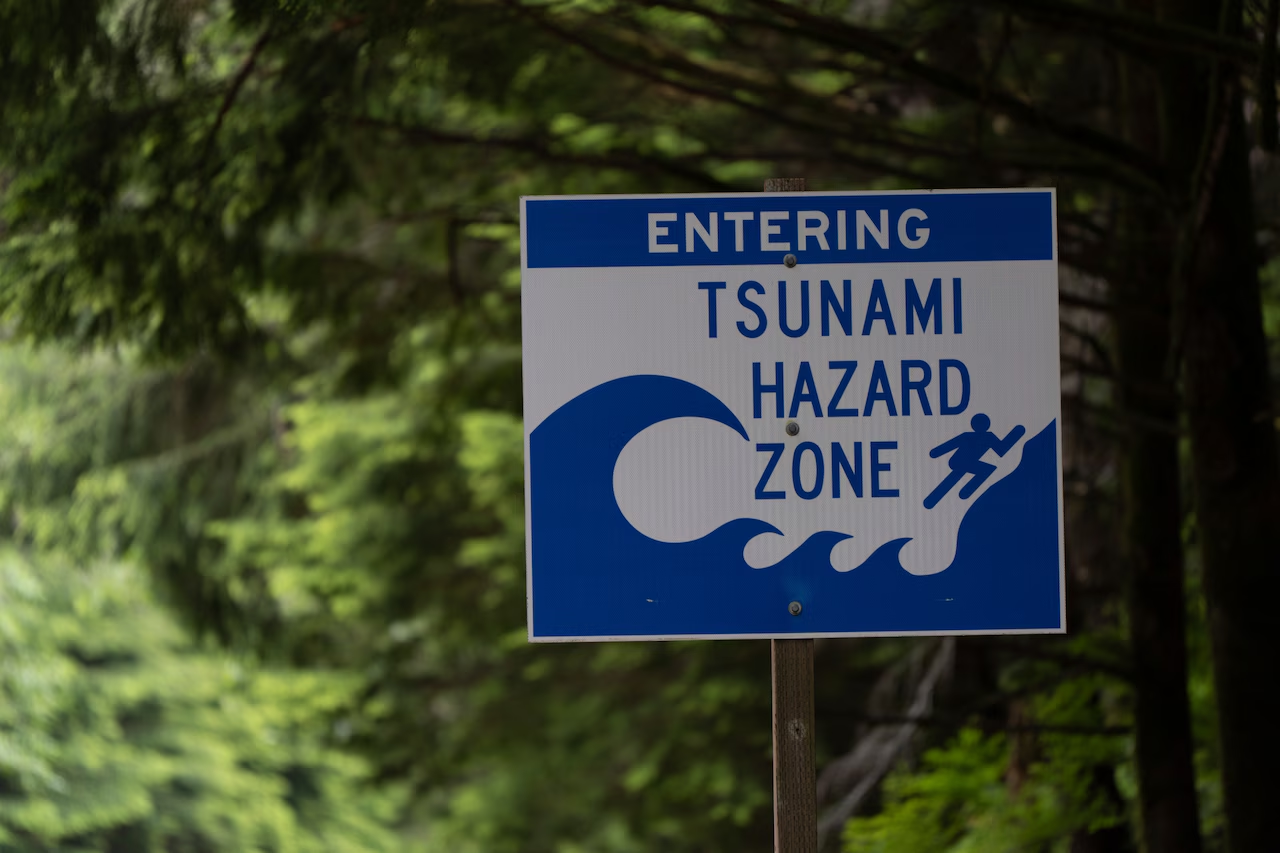
A magnitude 8.8 earthquake near Russia's Kamchatka Peninsula triggered a tsunami advisory for the West Coast of the U.S., including Oregon, with waves expected to reach up to 1.8 feet. Authorities advise staying away from the water and beaches, as waves could continue for hours, posing risks despite not being a major tsunami. Similar warnings were issued for Hawaii and parts of Canada, emphasizing caution and preparedness.
A 'bomb cyclone' is expected to hit the Oregon coast this week, bringing heavy rain, strong winds, and large waves. Residents and visitors are advised to prepare for severe weather conditions.
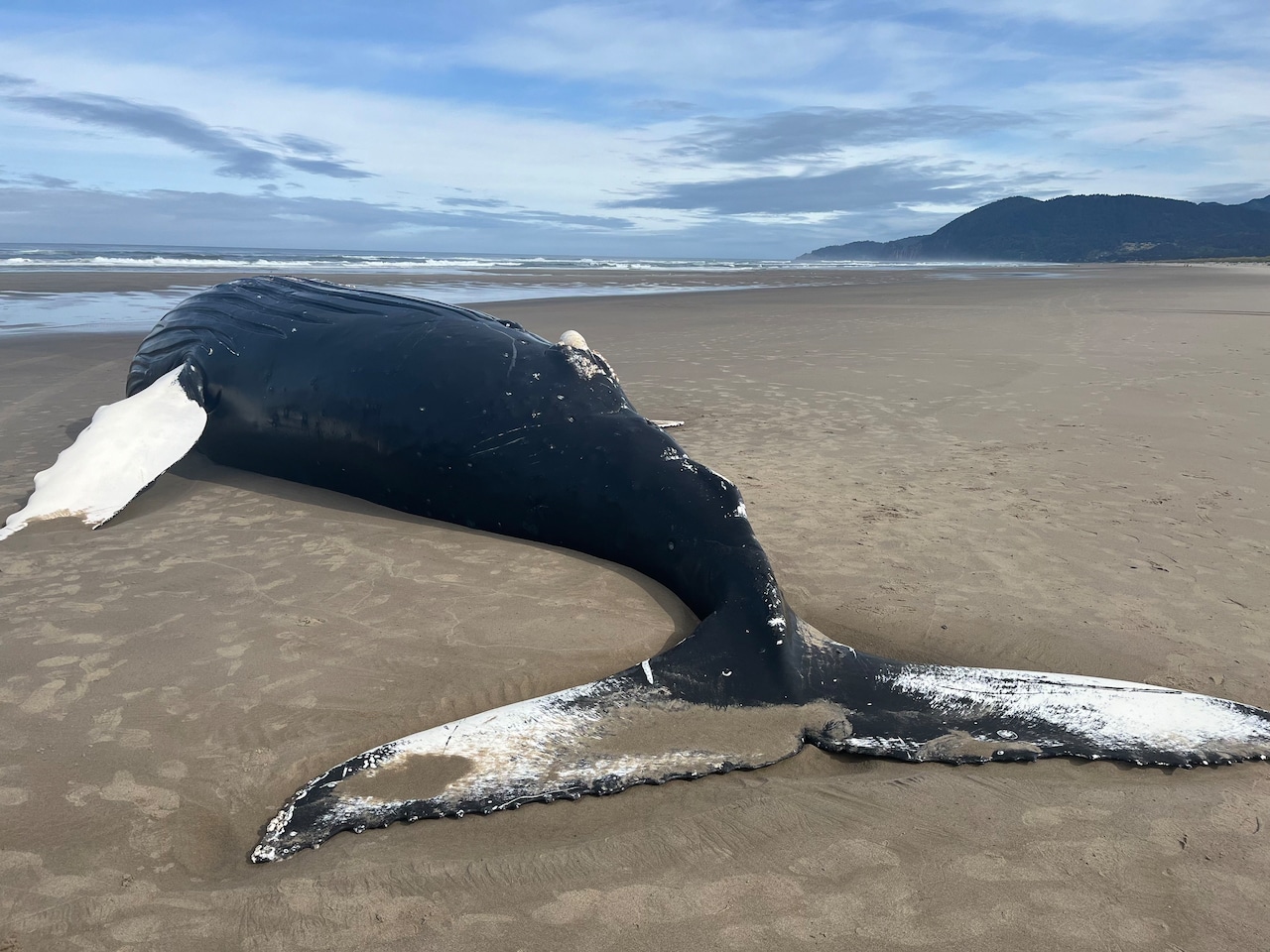
Officials are urging the public to avoid Nehalem Bay State Park after a dead humpback whale washed ashore, as they investigate the cause of death and its potential connection to a mysterious tar-like substance found on Oregon beaches. The area is also a protected habitat for endangered snowy plovers.
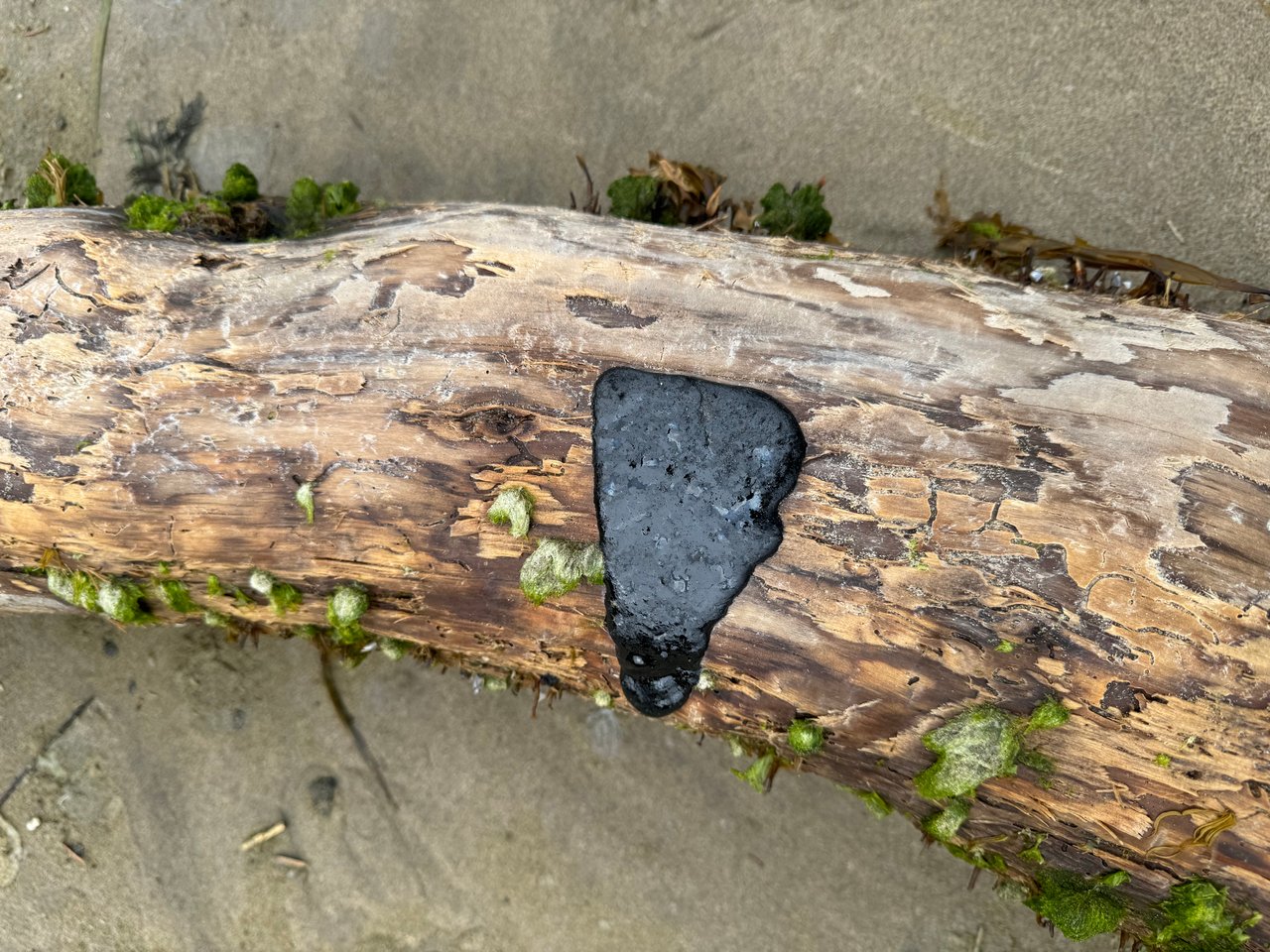
Mysterious tar patties have been washing up on the Oregon Coast, prompting investigations by state and federal agencies. The tar pieces, first noticed at Cannon Beach and later near Lincoln City, coincide with reports of oil-covered birds and tar balls in Southern Washington. Authorities advise the public not to handle the tar or affected wildlife and to report any findings to a designated hotline. The source of the tar remains unknown.
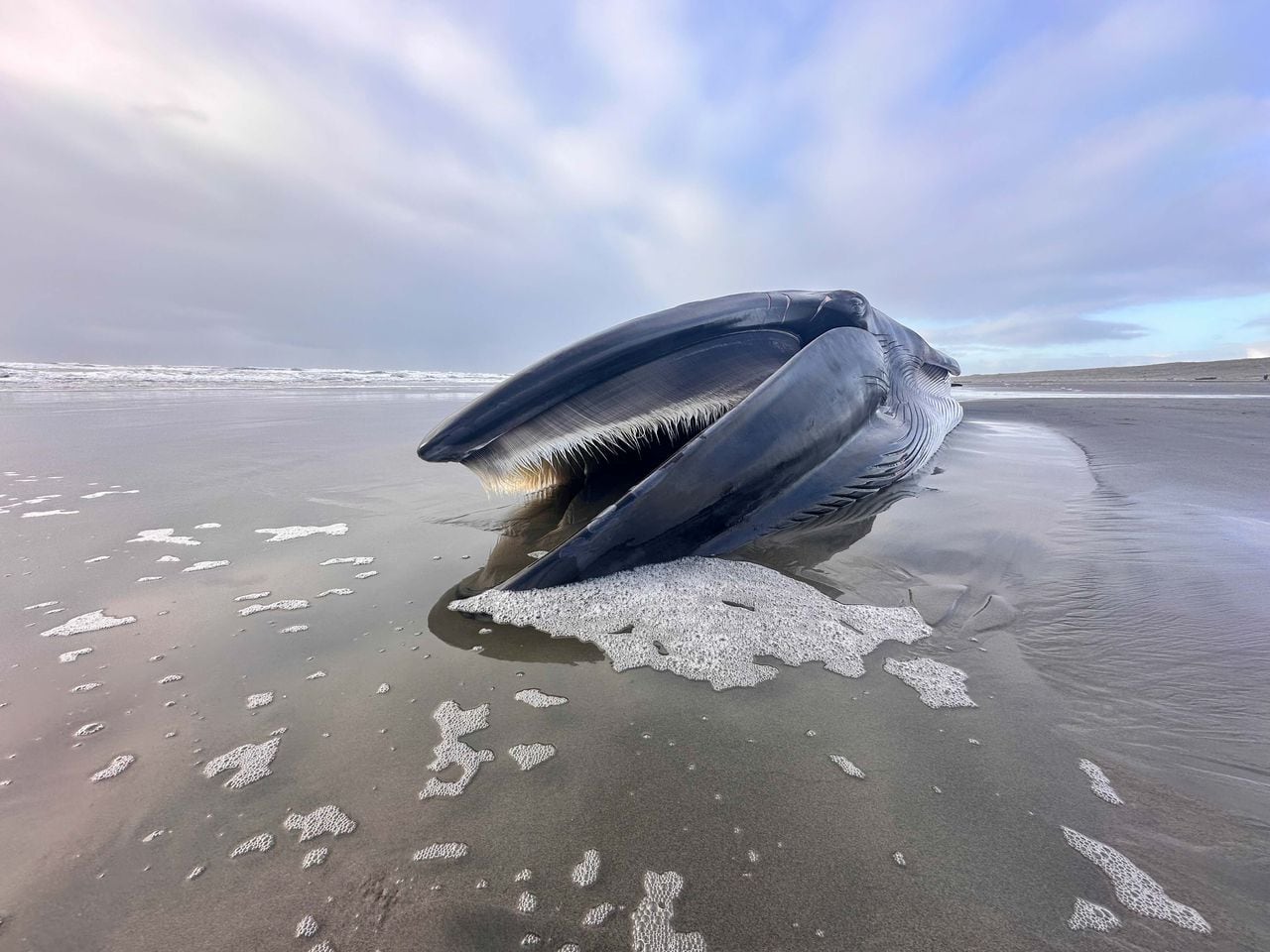
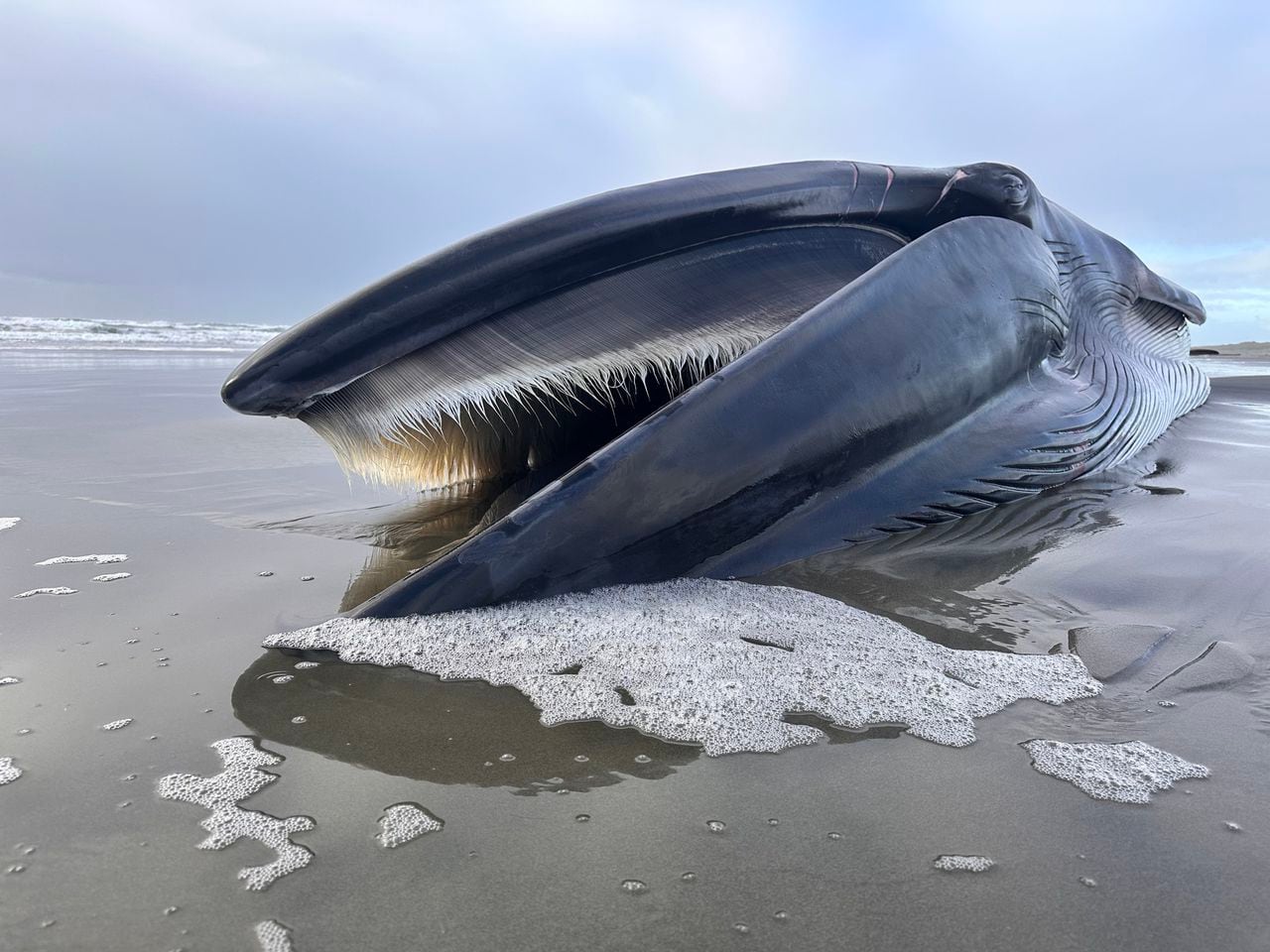
A 46-foot fin whale found dead on the Oregon coast will be left to decompose, providing a nutrient boost for the environment and food for scavengers. Beachgoers are warned not to touch the carcass due to potential disease transmission, and interfering with stranded whales can compromise research efforts. A necropsy revealed fresh wounds from orcas and severe underweight, with final results expected in several weeks. This is the first stranded fin whale on the Oregon coast in at least 10 years, contributing to a larger trend of declining whale populations on the West Coast and Alaska.
A rare fin whale washed ashore at Sunset Beach State Park in Oregon, prompting researchers to determine the cause of death, marking the first such stranding in at least 10 years. The National Oceanic and Atmospheric Administration reported a declining population of fin whales, with only 7,970 estimated near the West Coast in 2018. Beachgoers are advised to stay 100 yards away from stranded whales for safety and research purposes.
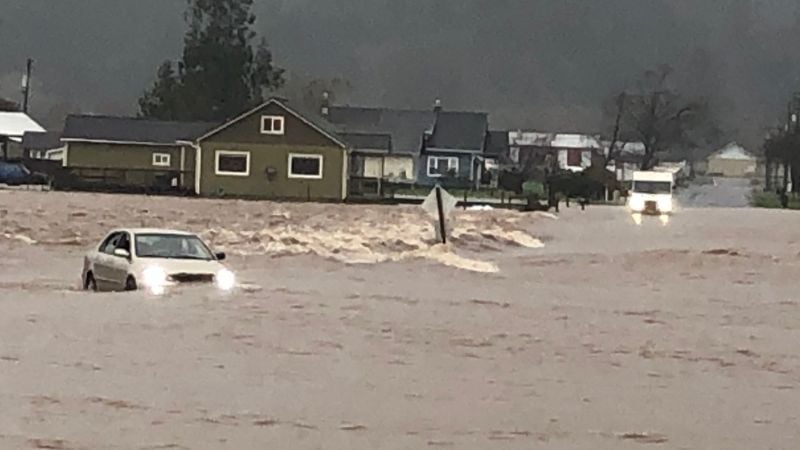
Tillamook County in Oregon experienced its highest flood levels in over six years, causing at least $2.5 million in damages to local roads. The heavy rainfall resulted in coastal highways being swamped, county roads being washed out, and drivers being trapped in floodwater. The flooding was not as severe as previous flood seasons, but significant infrastructure damage occurred. With one road currently impassable, Highway 101 is the only direct route between Tillamook and the rest of the North Coast. The county is working to install a permanent bridge to ensure connectivity along the damaged road.
Heavy rainfall in Oregon has caused flooding along the coast and swollen creeks in Portland. The Wilson River near Tillamook has breached its dike, leading to rising water levels and potential damage to homes. Meteorologists predict continued rainfall, with 1 to 2 inches expected along the coast and up to 4 inches in higher terrains. Two deaths have been reported, and several flood advisories are in effect. Businesses and schools have closed, and residents are on alert for potential evacuations.
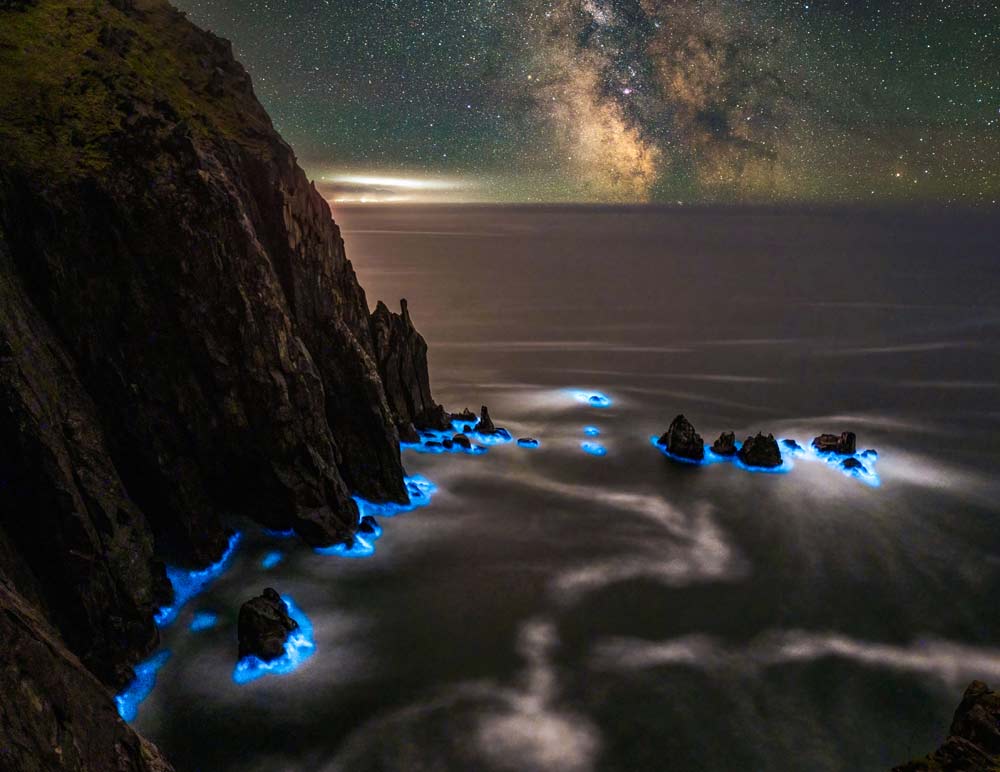
A Washington coast photographer captured stunning images of the Perseid meteor showers above Kalaloch Beach in Olympic National Park, with glowing waves caused by bioluminescent phytoplankton. The photographer, Matt Nichols, has also captured bioluminescent waves on the Oregon coast and is releasing a calendar featuring these awe-inspiring moments. While the peak of the Perseid meteor showers may have passed, warm conditions on both coasts make it possible to still witness the dual luminosity of meteors and bioluminescence.
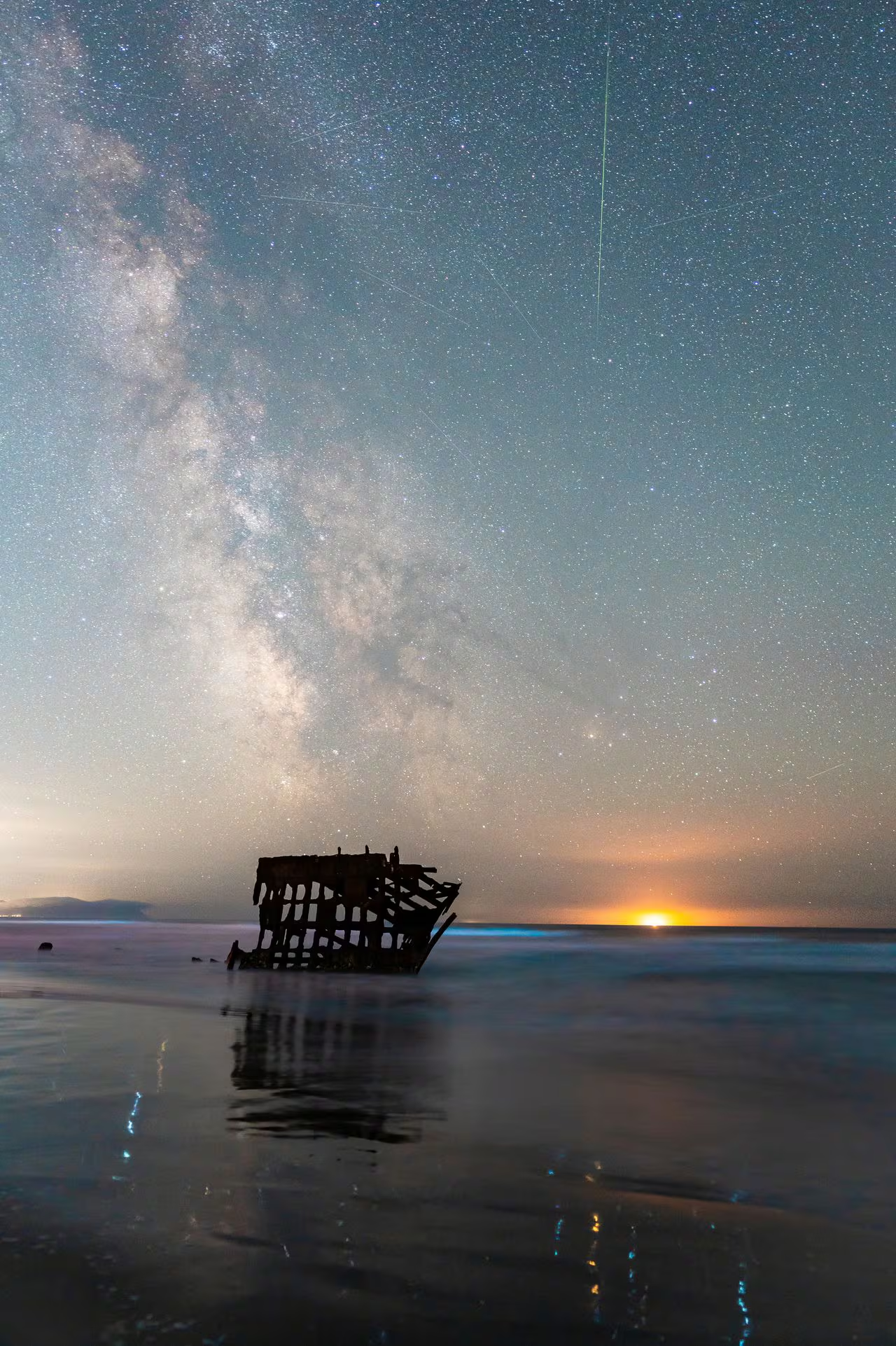
Portland photographer Jay Shah captured stunning images of the Perseid meteor shower at the Peter Iredale Shipwreck along the northwest Oregon coast. His long exposure shots captured shooting stars, the Milky Way, glowing bioluminescence, and a ship on the horizon resembling a sunset. The National Oceanic and Atmospheric Administration forecasts clear skies for the meteor shower's peak.