
The Phlegraean Fields supervolcano near Naples is showing increased gas emissions and signs of instability, raising concerns about a potential eruption that could have catastrophic global consequences, prompting intensified scientific monitoring and preparedness efforts.
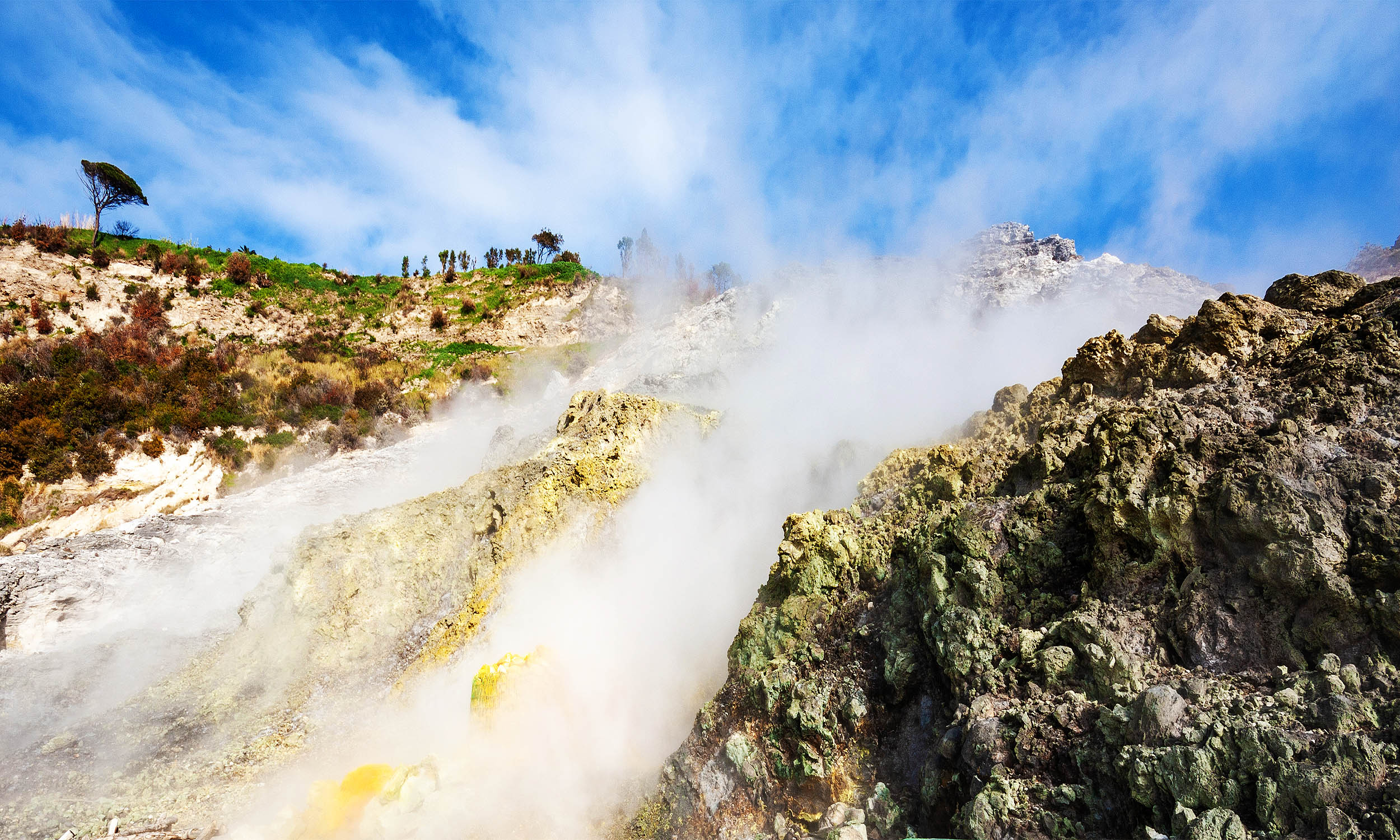
The Phlegraean Fields supervolcano near Naples, Italy, is showing signs of reawakening, with increased gas emissions and ground deformation raising concerns among scientists. The Solfatara crater is releasing 4,000 to 5,000 tons of carbon dioxide daily, primarily from magma beneath the surface. This activity has prompted heightened monitoring and a raised volcanic alert level, as experts work to determine if these signs indicate an impending eruption or are part of natural geological processes. The situation underscores the potential global impact of a supervolcano eruption.
The Phlegraean Fields supervolcano near Naples, Italy, is showing signs of increased activity, with the Solfatara crater emitting large amounts of carbon dioxide. Researchers, led by volcanologist Gianmarco Buono, are studying these emissions to distinguish between gases from magma and those from other geological processes. Understanding these emissions is crucial for predicting volcanic activity and ensuring public safety. The study highlights the importance of monitoring volcanic gases to better assess potential risks and was published in the journal Geology.