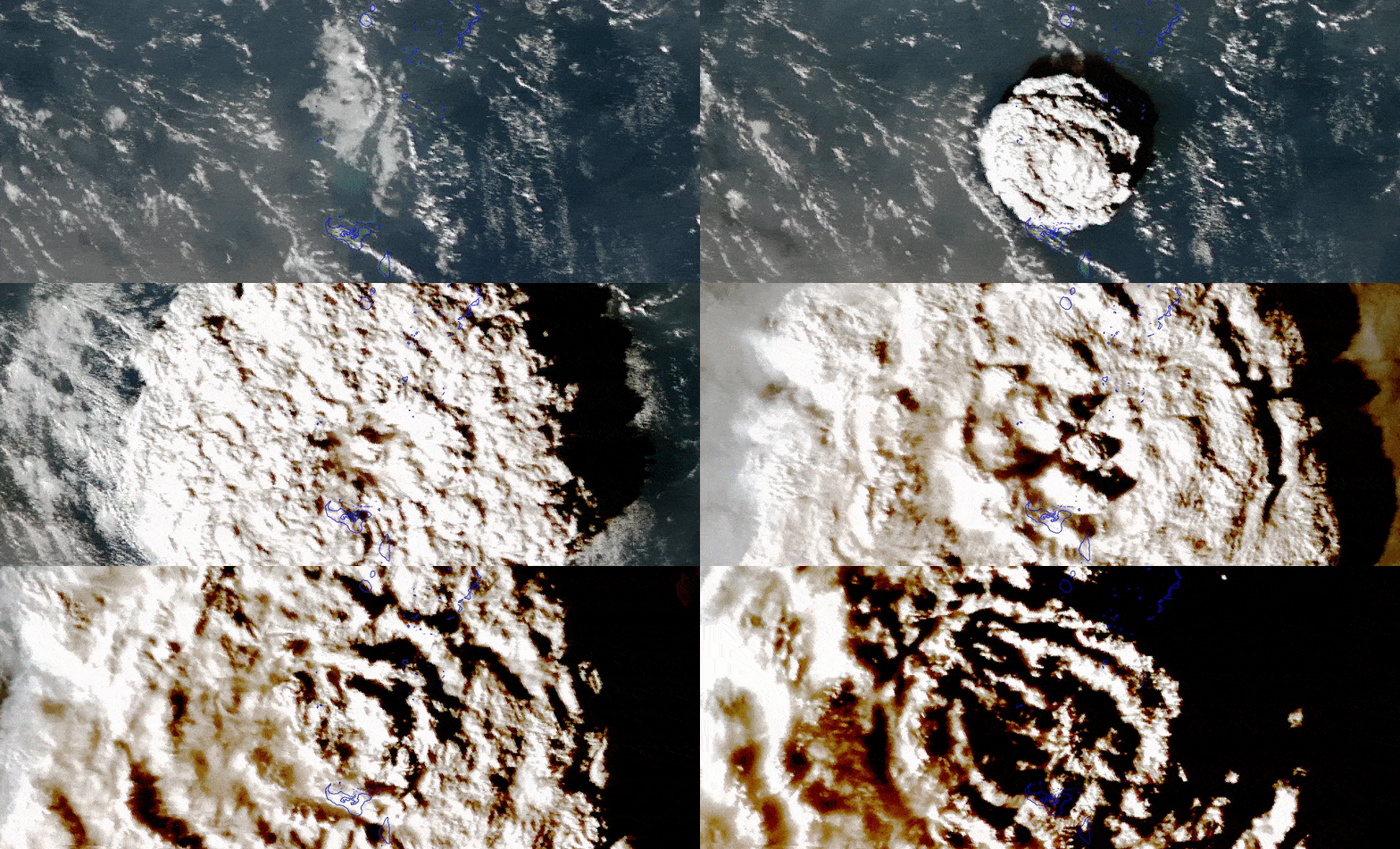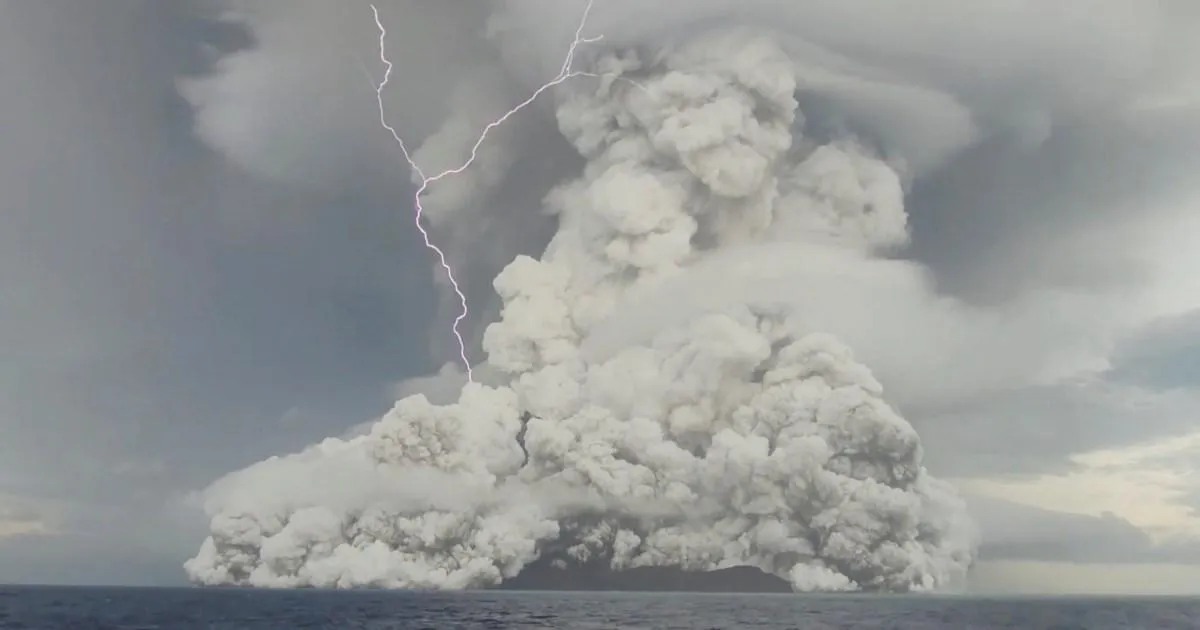
Researchers have identified a seismic precursor that occurred 15 minutes before the massive Hunga Tonga-Hunga Ha’apai eruption in January 2022, which was equivalent to hundreds of atomic bombs. This precursor, detected by distant monitoring stations, was caused by a collapse of the ocean floor, leading to a deadly tsunami and a massive plume of gas and ash. The findings highlight the potential for early warning systems to mitigate the impact of such eruptions.
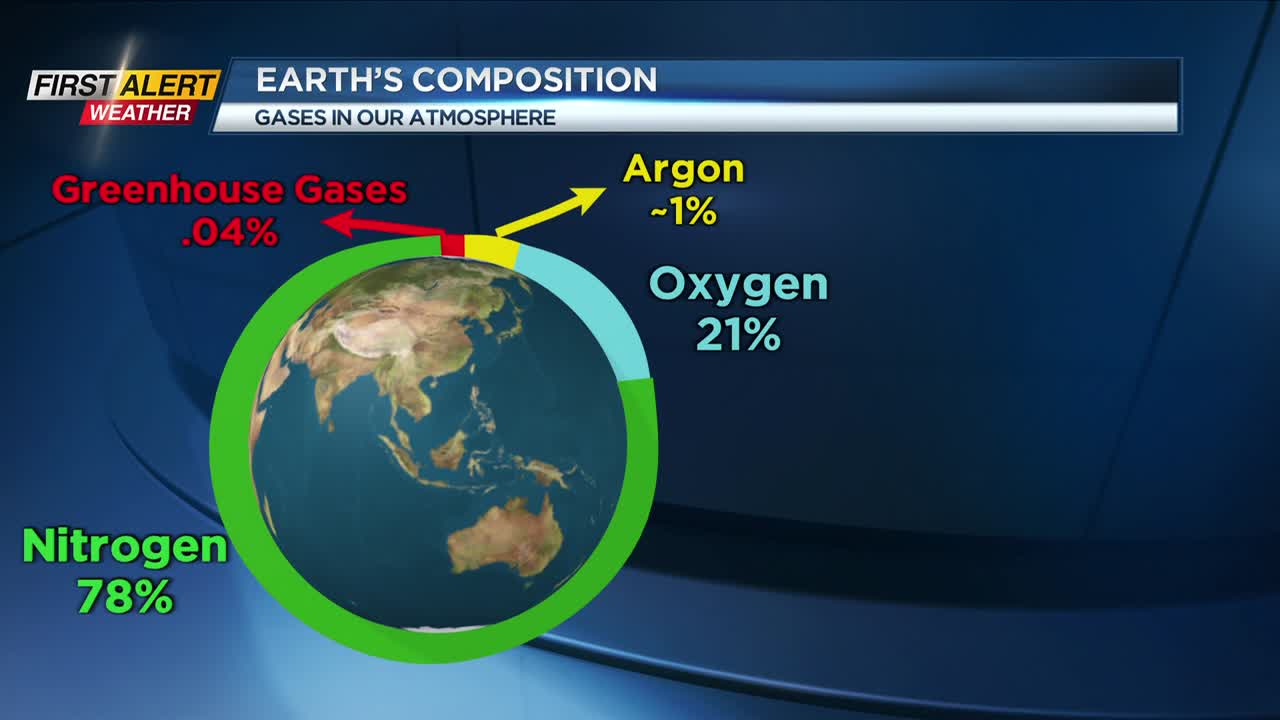
The eruption of the Hung Tonga-Hunga Ha’apai Volcano in January 2022 released a significant amount of water vapor into the stratosphere, equivalent to 10% of the water vapor in that layer. Water vapor is a greenhouse gas that helps keep the Earth warm. The eruption may have contributed to the recent spike in global surface temperatures, making 2023 likely to become the warmest year on record. Studies are being conducted to understand the full impact and duration of this event, as its effects could last for years.
The 2022 Tonga eruption caused a super "plasma bubble" over northern Australia that lasted for hours, impacting GPS across Australia and Southeast Asia. The eruption caused choppy conditions in the ionosphere that lasted a few days, and the size of the waves it generated in the ionosphere were similar in size to those created by geomagnetic storms. The super plasma bubble caused significant delays in the use of precise GPS across northern Australia and Southeast Asia, and its impact on the upper atmosphere and GPS highlights the importance of understanding how the environment impacts the technologies we rely on.