
Medieval Monks Shed Light on Volcanic Eruptions and Climate Impact.
TL;DR Summary
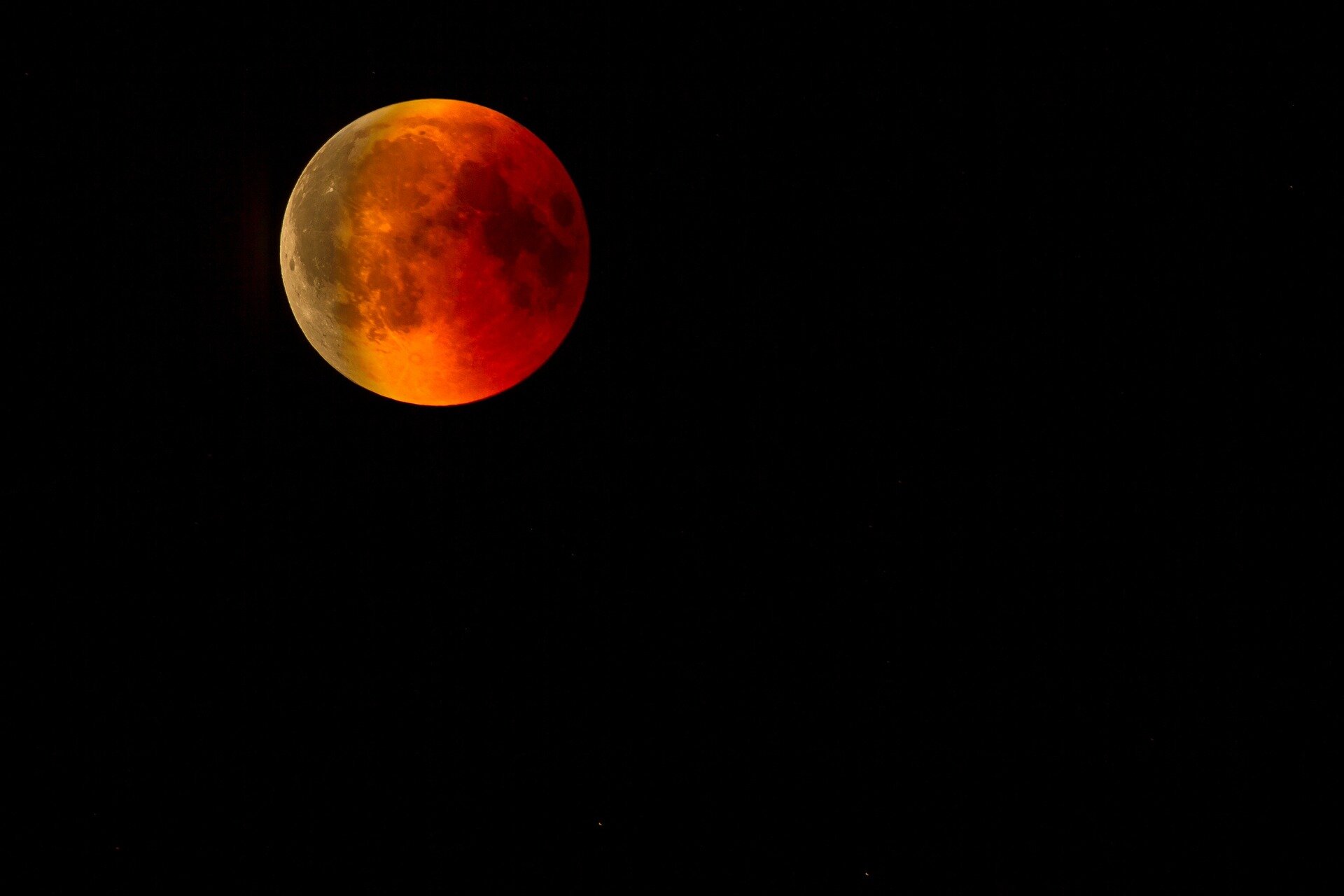
Medieval monks recorded the brightness and color of lunar eclipses, which helped researchers accurately date some of the biggest volcanic eruptions in history. The eruptions, which occurred between 1100 and 1300, were responsible for the vanishing moon and cooling summer temperatures, which could bring ruin to agricultural crops. The collective effect of the medieval eruptions on Earth's climate may have led to the Little Ice Age. The findings are significant as the interval from 1100 to 1300 is known to be one of the most volcanically active periods in history.
Topics:science#climate-change#earth-science#little-ice-age#lunar-eclipses#medieval-monks#volcanology
- The unexpected contribution of medieval monks to volcanology Phys.org
- Medieval accounts of eclipses shine light on massive volcanic eruptions Nature.com
- Medieval lunar eclipse observations show how volcanoes affect Earth's climate Space.com
- Notes from meticulous medieval monks could illuminate this scientific wonder Popular Science
- Lunar eclipses illuminate timing and climate impact of medieval volcanism Nature.com
Reading Insights
Total Reads
0
Unique Readers
7
Time Saved
4 min
vs 5 min read
Condensed
91%
961 → 90 words
Want the full story? Read the original article
Read on Phys.org