Tag

Volatiles

All articles tagged with #volatiles

science28 days ago

Earth's Atmosphere and Water Contributions Make the Moon More Habitable

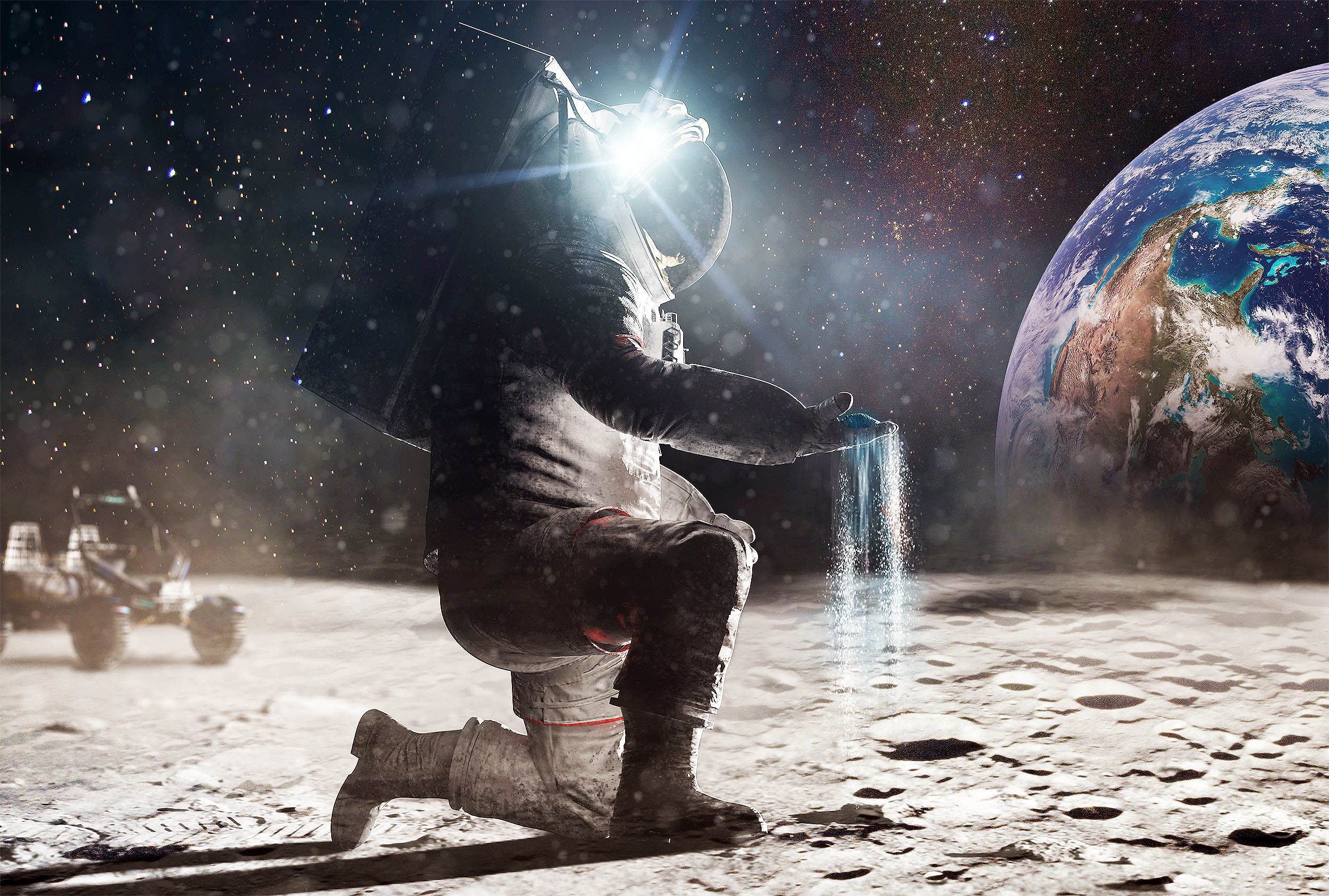
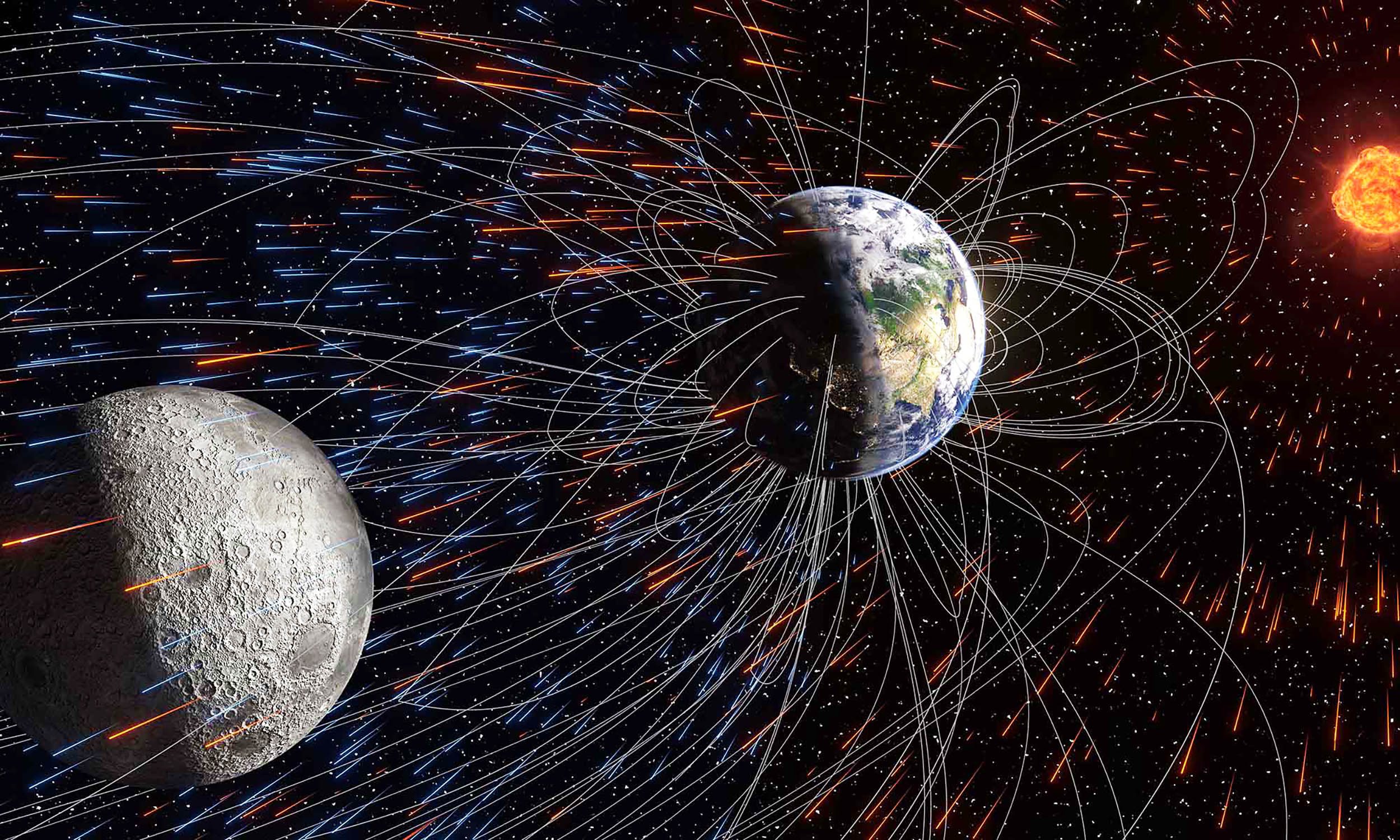
New research suggests that Earth's atmosphere has been gradually leaking particles, including water and nitrogen, to the Moon over billions of years, facilitated by Earth's magnetic field, which acts more like a guiding rail than a shield. These particles are preserved in lunar soil, creating a long-term archive of Earth's atmospheric history and potentially providing resources for future lunar exploration.
science3 months ago

The Cosmic Collision That Made Earth Habitable and Gave Rise to Life

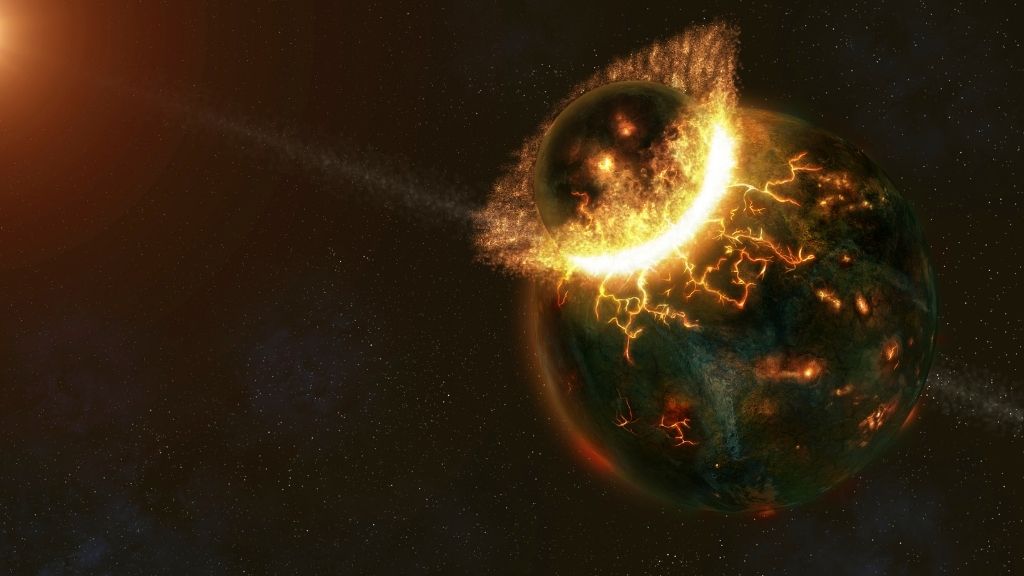
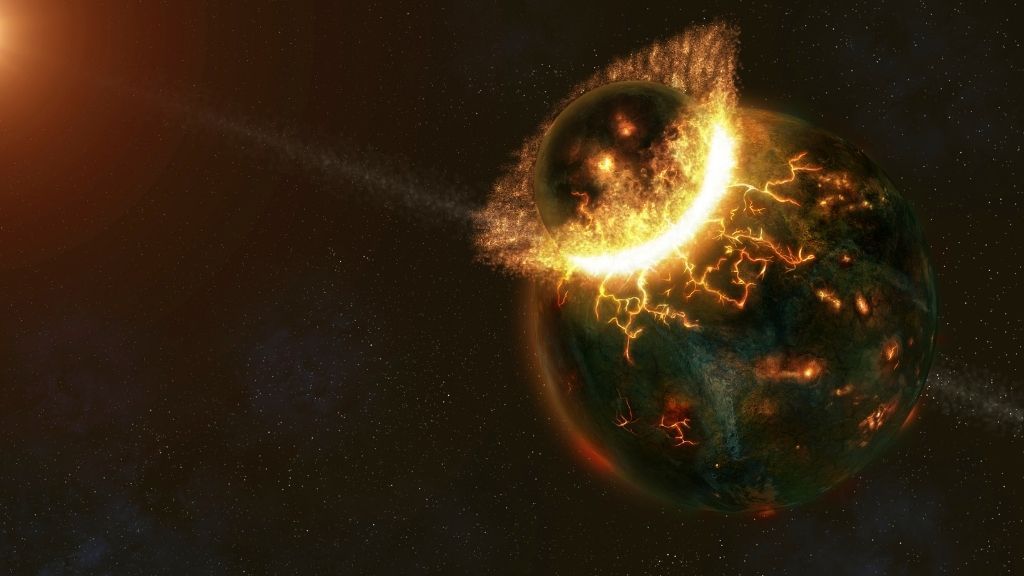
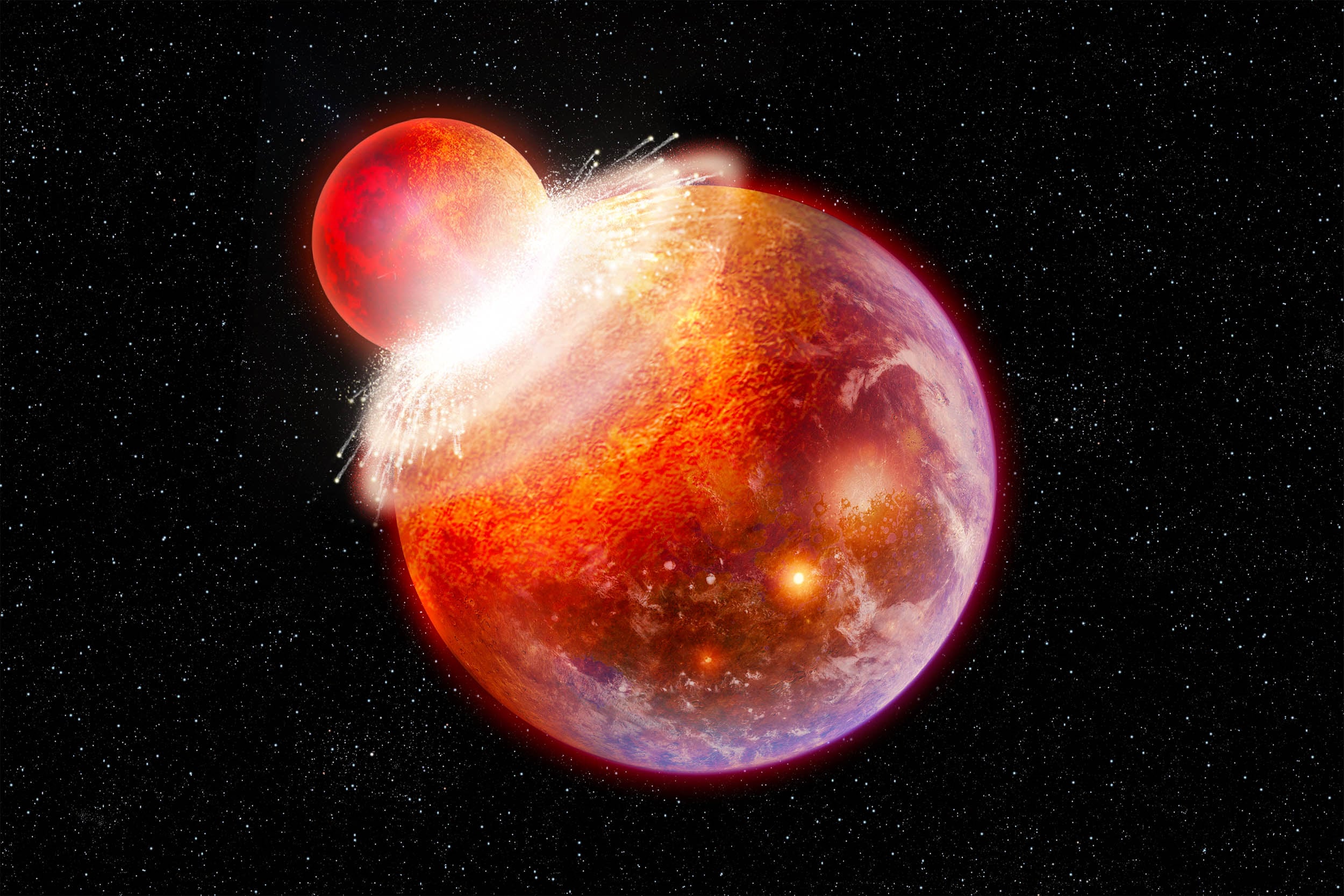
Recent research indicates that Earth formed quickly within three million years of the Solar System's birth, but was initially dry, lacking water and carbon compounds. The planet's volatile content was likely delivered later through impacts, such as the collision with Theia, which also led to the formation of the Moon. This late delivery of volatiles was crucial for making Earth habitable, highlighting the importance of impact history in planetary habitability.

science3 months ago

Cosmic Collision Turned Earth into a Water-Rich, Life-Supporting Planet

A new theory suggests Earth was initially dry and only became water-rich after a massive collision with Theia, which also formed the Moon. This event delivered volatiles essential for life, making Earth’s habitability a rare outcome of a unique planetary collision, and implying that truly life-friendly planets may be exceedingly uncommon in the universe.

science2 years ago

The Origins of Life on Earth: Debunking Meteorite Theories

New research challenges the popular "late veneer" theory, which suggests that essential elements for life arrived on Earth after its core formation through asteroid impacts. The study indicates that volatile elements, including sulfur and nitrogen, may have existed on Earth from its early formation. Using computational techniques, researchers analyzed isotope signatures of chalcogens and found that many volatiles evaporated during Earth's formation, but a significant amount remains today. This research sheds light on Earth's geologic history and has implications for understanding the habitability of other terrestrial planets. Further studies will explore the behavior of other life-critical volatiles and their isotopes under extreme conditions, as well as the potential habitability of exoplanets.

science2 years ago

Earth's Potential as the Origin of Life Challenges Meteorite Theory

New research challenges the prevailing theory that the building blocks of life on Earth came from extraterrestrial sources like asteroids or comets. Instead, scientists propose that the origin of life might have been on Earth all along, with the necessary elements called volatiles existing here from the planet's earliest formation. This theory contradicts the late veneer theory, which suggests that volatile-rich objects brought these elements to Earth after its core had formed. The study also aligns with research on the origin of water on Earth, providing further insights into the mystery of life's beginnings.

science2 years ago

"Revisiting Origins: Earth's Potential for Life's Essential Elements Discovered Within"

New research challenges the popular "late veneer" theory, suggesting that Earth may have had all the volatile elements necessary for life from the beginning of its formation, rather than acquiring them through asteroid impacts. Using computational techniques and isotope analysis, scientists found that many volatiles, including chalcogens like sulfur and selenium, were present during Earth's early stages and have persisted to this day. This research sheds light on Earth's geologic history and could provide insights into the habitability of other terrestrial planets. Further studies are needed to investigate the behavior of other life-critical volatiles and their potential presence on exoplanets.

space2 years ago

"Exploring Mercury's Salty Glaciers: Potential Havens for Alien Life?"

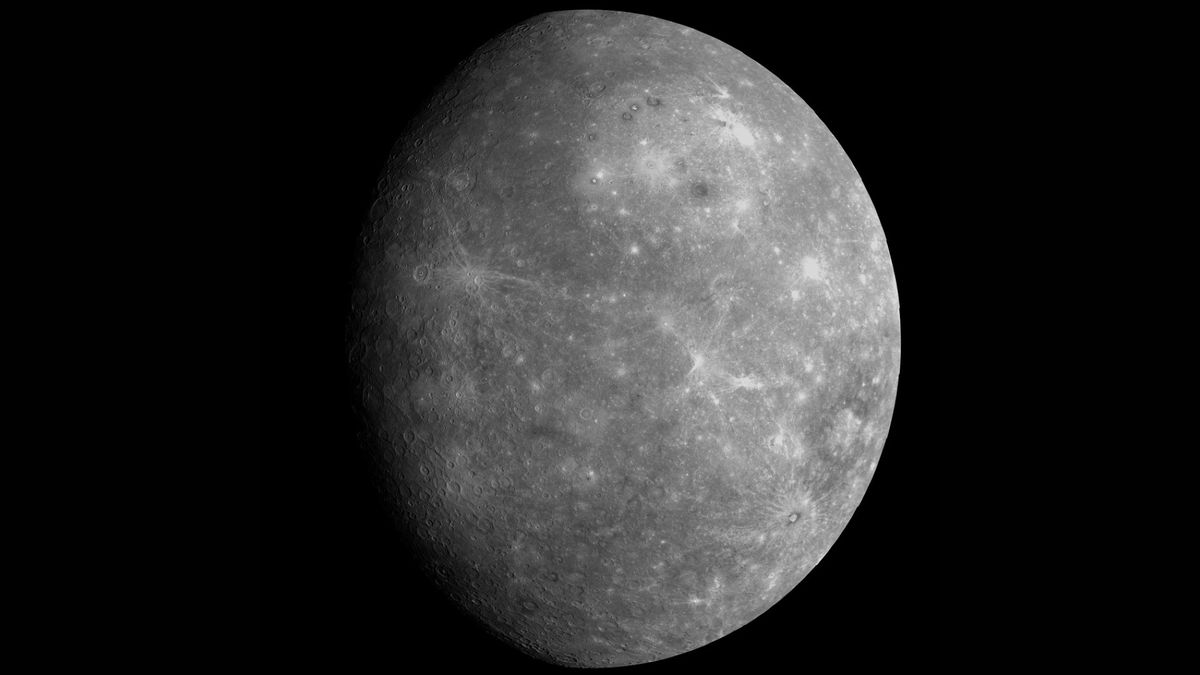
Scientists have discovered the presence of salt glaciers on Mercury, suggesting that even the closest planet to the sun may occasionally have conditions similar to Earth. These salt glaciers could potentially create habitable environments for life, similar to extreme environments on Earth. The discovery challenges the notion that Mercury is devoid of volatiles and indicates that they may be buried below the planet's surface. The glaciers are believed to have formed from deeply buried volatile-rich layers exposed by asteroid impacts. The research also suggests that clusters of hollows within impact craters on Mercury may originate from zones of volatile-rich layer exposure caused by space rock impacts.

earth-science2 years ago

"Unveiling the Origins: Early Earth's Magma Ocean and the Birth of Life"

New research suggests that the early Earth's magma ocean had a higher oxidation state than previously believed, resulting in a CO2 and SO2-rich atmosphere. The study found that the magma ocean had ten times the Fe3+ content of today's upper mantle. This highly oxidized environment played a crucial role in creating a habitable environment on Earth, with the subsequent accretion of reducing materials. The findings shed light on the composition of the early Earth's atmosphere and its implications for the origin of life.

science2 years ago

Caltech Reveals Earth's Formation Secrets

A study from Caltech reveals that the early Earth formed from hot and dry materials, suggesting that water arrived late in the planet's formation. By analyzing magmas from different layers of the Earth's interior, researchers found that the early Earth lacked volatiles, including water. This discovery challenges previous theories of terrestrial planet formation and has implications for understanding the building blocks of other planets in the solar system. The study highlights the importance of exploring inner planets like Venus and Mercury to better understand how terrestrial planets, including Earth, were formed.

science2 years ago

Late Arrival: Earth's Water Came in the Final Stages of Formation

A study from Caltech reveals that the early Earth formed from hot and dry materials, indicating that water, a crucial component for the evolution of life, arrived late in Earth's formation. The research, conducted by an international team of scientists, analyzed the chemical signatures of magmas from different depths within the Earth to understand its layers. The study suggests that Earth primarily accreted from volatile-poor differentiated planetesimals and that the addition of life-essential volatiles, including water, occurred during the last 15% or less of Earth's formation. The findings contribute to our understanding of planet formation and have implications for the building blocks of other terrestrial planets like Mercury and Venus.

science2 years ago

Asteroid Samples Reveal Surprising Clues to Life's Origins.

Researchers from Imperial College London have discovered that approximately 50% of the Earth’s supply of the volatile element zinc came from asteroids originating from the outer Solar System, beyond the asteroid belt which encompasses planets such as Jupiter, Saturn, and Uranus. This material is believed to have also supplied other crucial volatiles, such as water. The findings reveal important clues about how Earth came to harbor the special conditions needed to sustain life.

astronomy2 years ago

The Origins of Earth's Water: Insights from Planetary Formation and Space Observations.

A new study suggests that the degassing of early-formed planetesimals restricted the delivery of water to Earth during its formation. The research proposes that the water content of the inner solar system was initially higher than previously thought, but the process of degassing removed much of the water from the planetesimals before they could merge to form Earth. This finding sheds light on the origin of Earth's water and the volatile content of the inner solar system.