Tag

Habitable Planets

All articles tagged with #habitable planets

science3 months ago

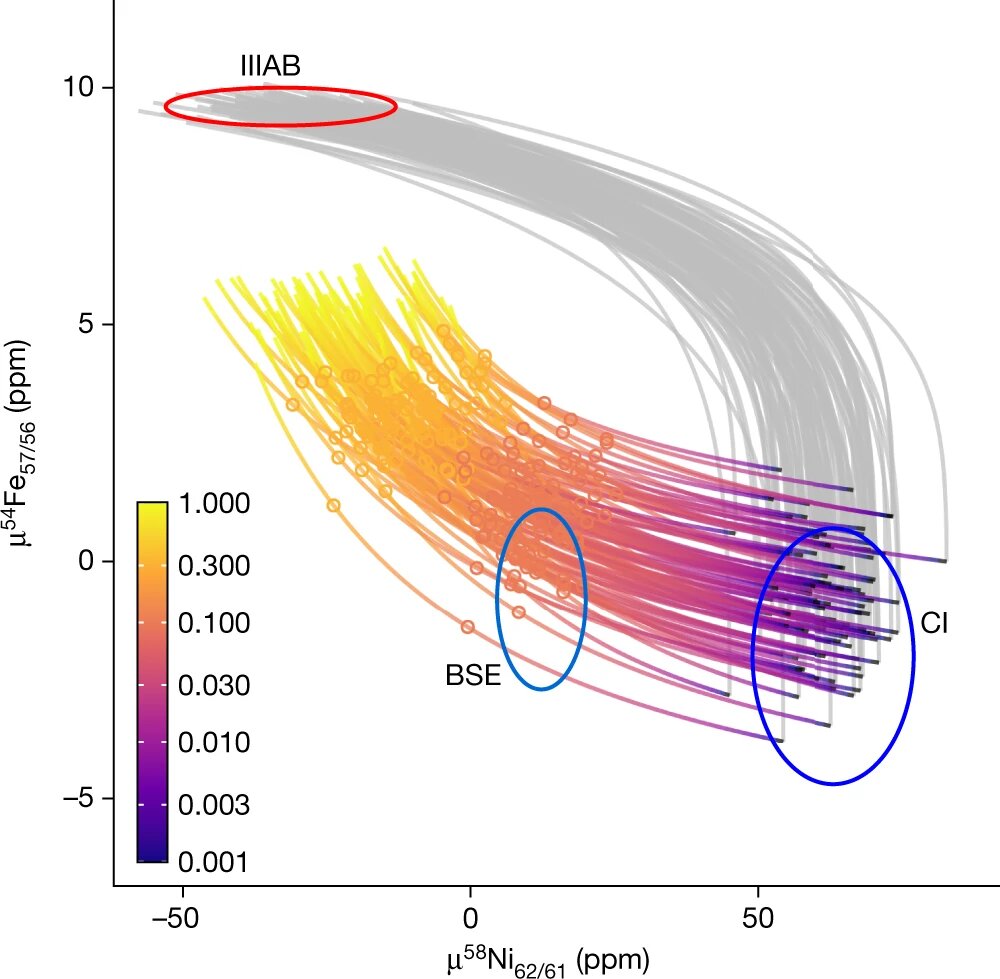
Cosmic Collision Turned Earth into a Water-Rich, Life-Supporting Planet

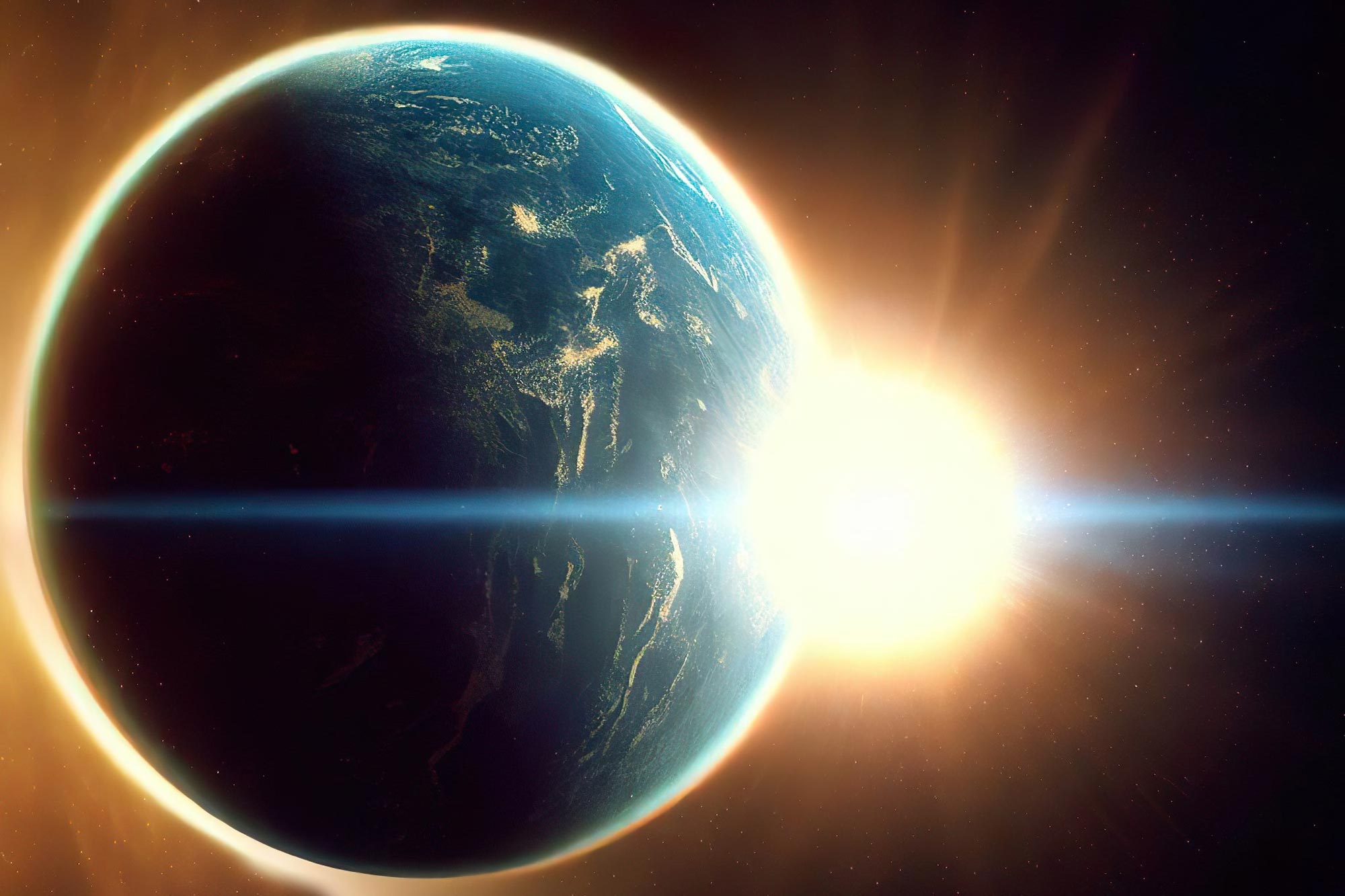
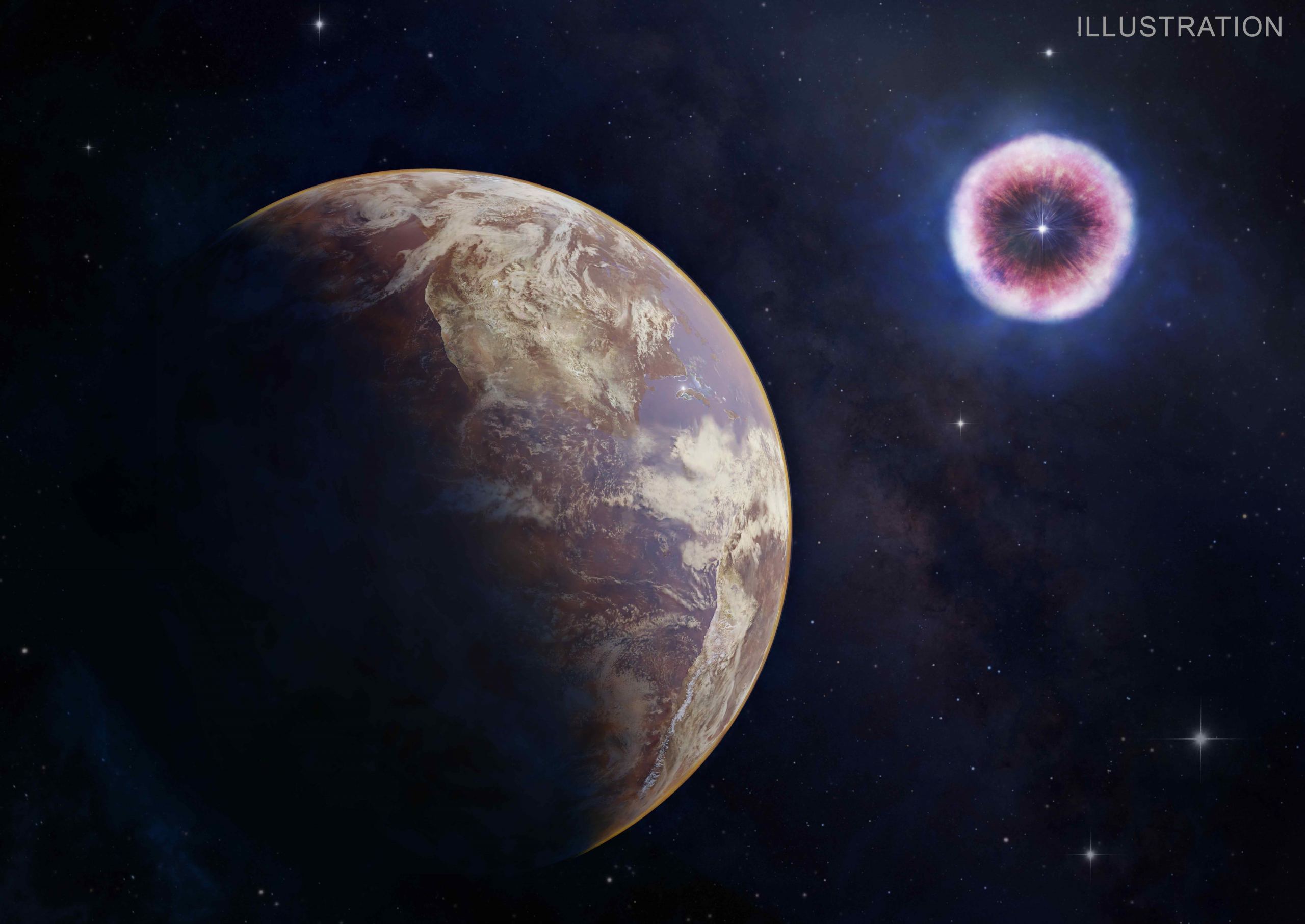
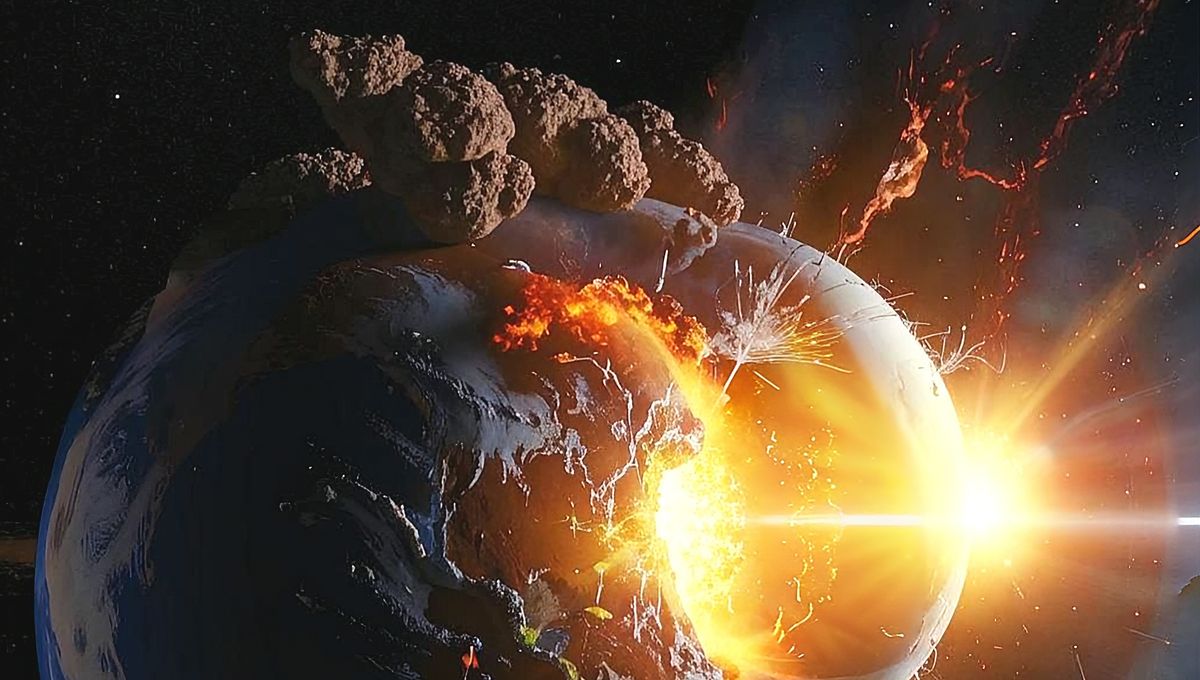
A new theory suggests Earth was initially dry and only became water-rich after a massive collision with Theia, which also formed the Moon. This event delivered volatiles essential for life, making Earth’s habitability a rare outcome of a unique planetary collision, and implying that truly life-friendly planets may be exceedingly uncommon in the universe.
science1 year ago

New Research Confirms Venus Likely Never Hosted Oceans or Earth-like Life

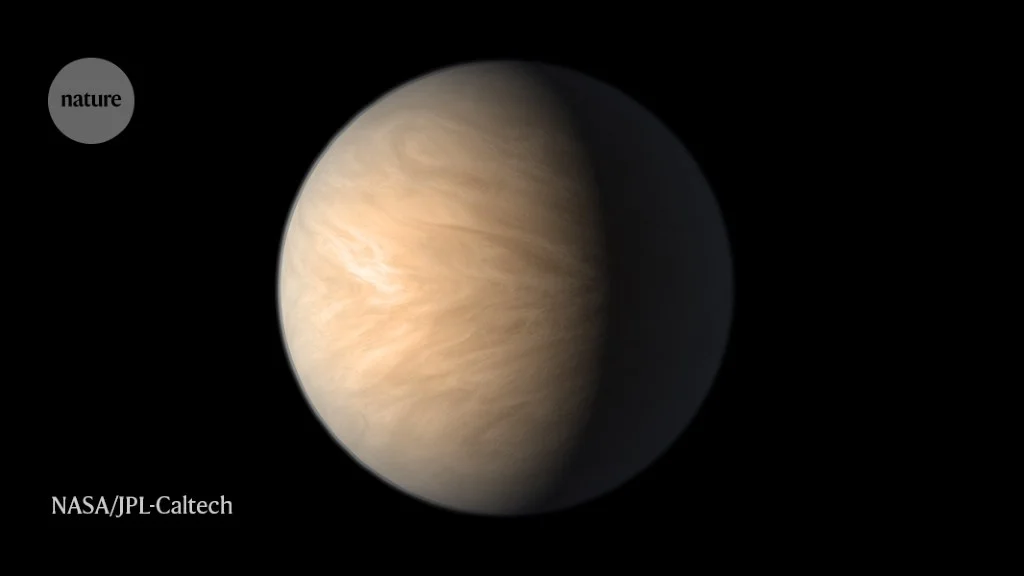
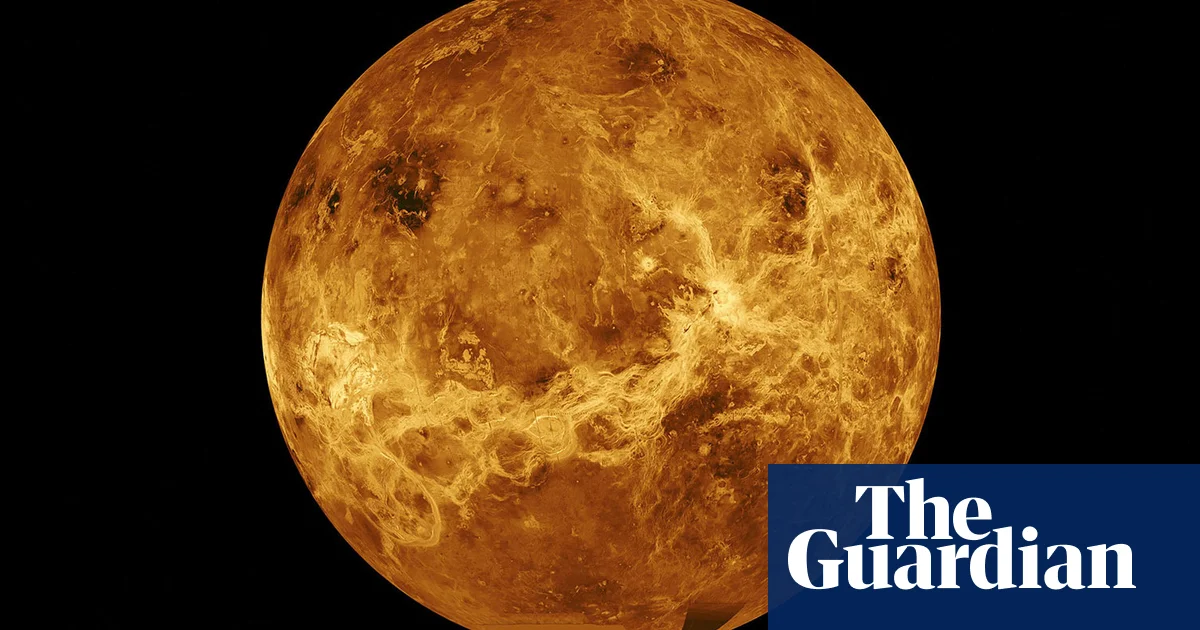
A new study suggests that Venus never had Earth-like life due to its dry interior, contradicting theories that it once had oceans and cooler temperatures. Researchers analyzed the planet's atmosphere and found that volcanic activity on Venus is "dry," indicating a lack of water in its interior. This finding challenges the idea that Venus was ever habitable in the way Earth is, although it doesn't completely rule out the possibility of life in its acidic clouds. The study's conclusions may be further tested by NASA's upcoming DaVinci mission.

space-science1 year ago

"Galileo Mission: Earth Life Discovery?"

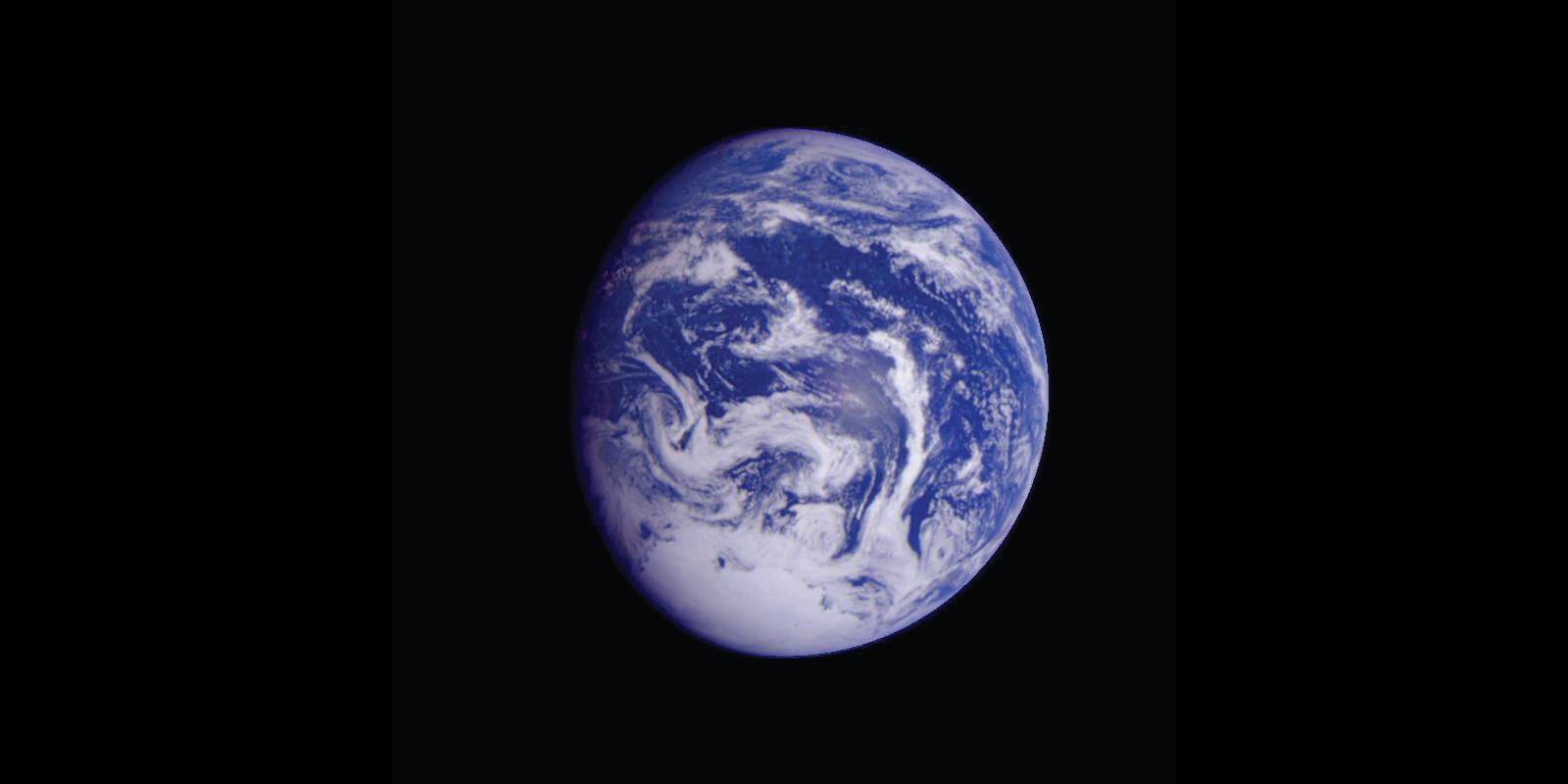
The Galileo spacecraft, during its flybys of Earth in 1990 and 1992, captured images that have been used by astronomers to study our planet as a potential analog for exoplanets. Despite the limitations of the images, such as washed-out spectral data, researchers were able to detect an oxygen absorption line and infer the presence of continents and oceans on Earth. This study provides a valuable baseline for identifying potentially habitable exoplanets and offers insights into how life-bearing planets might appear from a distance.

science2 years ago

"Dinosaur Clues: Unlocking the Secrets of Alien Worlds in the Search for Extraterrestrial Life"

Cornell University astronomers have discovered that the atmospheric conditions during the dinosaur era on Earth could provide a better template for detecting signs of life on exoplanets. The study suggests that biosignatures like oxygen and methane were more detectable during this period, offering a guide for identifying habitable planets. By analyzing the transmission spectra from Earth's past, scientists can refine their search for complex life forms in the cosmos. This research fills in a missing piece in our understanding of what a habitable exoplanet might look like and provides new templates for identifying potential evidence of life on other worlds.

astronomy2 years ago

"Flare Discoveries: A Step Closer to Finding Habitable Worlds"

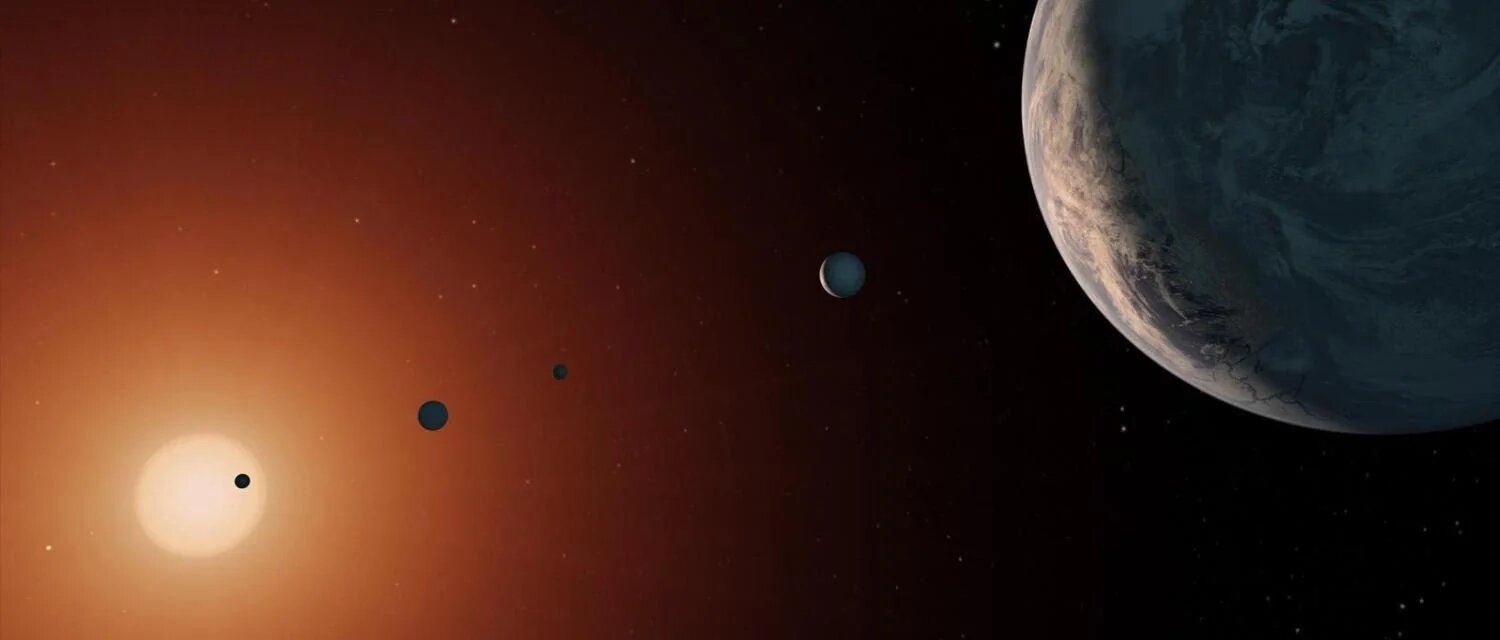
Astrophysicists have used the James Webb Space Telescope (JWST) to study solar flares from the star TRAPPIST-1, located 40 light-years from Earth. The findings could aid in the search for habitable exoplanets by helping scientists understand the secondary atmospheres around stars similar to Earth's. The researchers developed a method to separate the light from the flares from the star's normal radiation, potentially providing clearer images of planets and their atmospheres. TRAPPIST-1 is of particular interest as it hosts three rocky planets in the habitable zone.

space-science2 years ago

"The Terrifying Obstacle Preventing Livable Planet Colonization"

Stellar winds, consisting of charged particles ejected from cool stars with powerful magnetic fields, could strip entire atmospheres from orbiting planets, rendering them incapable of hosting life. These winds can reach speeds up to 5 million miles per hour, strong enough to blow away the atmosphere and destroy the conditions needed for life. Understanding the interaction between stellar winds and celestial bodies deepens our knowledge of space and aids in the search for habitable exoplanets.

space-science2 years ago

"James Webb Space Telescope Challenges Assumption of Abundant Habitable Planets"

The James Webb Space Telescope (JWST) has not found evidence of a thick atmosphere on the rocky exoplanets TRAPPIST-1 b and c, but the search for habitable worlds in the TRAPPIST-1 system is not over. While the innermost planets are likely bare rock due to the proximity to their host star, new theoretical studies suggest that the planets in the habitable zone, such as TRAPPIST-1 e and f, may still have retained their atmospheres. Further observations and studies are needed to determine if there are habitable worlds in the TRAPPIST system and what this means for the prevalence of life in the galaxy.

astronomy2 years ago

JWST suggests fewer habitable planets in the universe.

The James Webb Space Telescope has failed to find a thick atmosphere on the exoplanet TRAPPIST-1 c, suggesting that it lacks the ingredients for habitability. This is the second time the telescope has looked for an atmosphere in the TRAPPIST-1 system and failed to find one, reducing the number of potentially habitable planets. However, there is still hope for the other five planets in the system, as some may have thick atmospheres containing geologically and biologically interesting compounds.

science2 years ago

Rapid Earth Formation and Water Origins Explored

A new study from the University of Copenhagen suggests that the Earth was formed much faster than previously thought, in just a few million years, by the accumulation of small millimeter-sized pebbles. The presence of water on Earth is a predicted outcome of this formation process, rather than a chance event. The researchers used silicon isotopes to understand the mechanisms and timescales of planet formation and establish genetic relationships between rocky planets like Earth and Mars and other celestial objects. This new understanding of planet formation increases the chance of water being present on other planets, making the chance of having habitable planets in the galaxy much higher than previously thought.

science2 years ago

New Study Reveals Potential for Hundreds of Millions of Habitable Planets in the Milky Way.

A new study suggests that one-third of planets around M dwarfs, the most common type of star in the Milky Way, may be suitable for life, meaning there are likely hundreds of millions of habitable planets in the galaxy alone. The study used data from the Kepler mission and the European Space Agency's Gaia satellite to fine-tune measurements of exoplanets' orbits and determine which planets were at risk of tidal heating, a process that can burn away a planet's chances for habitability. The results were published in the journal PNAS.

astronomy2 years ago

Small red stars lack Jupiter-sized planets.

A new study has found that Jupiter-like planets are rare around small red dwarf stars, which are the most common type of star in the universe. This could have implications for the development of Earth-like planets and the search for alien life. The study examined 200 small red dwarfs and found no Jupiter-equivalent planets, suggesting that rocky planets around red dwarfs may not have evolved into Earth-like, life-friendly places. However, the absence of Jupiter-like planets means more raw material should be available for building up smaller, rocky bodies, potentially leading to rich habitability possibilities.

astronomy2 years ago

Astrophysicists Discover Record-Breaking Short-Period Binary Star System.

Astrophysicists have discovered the tightest binary system ever observed among ultracool dwarfs, consisting of a pair of very low-mass stars that complete a revolution around each other in less than one Earth day. The newly found system, LP 413-53AB, is estimated to be billions of years old, but has an orbital period that is at least three times shorter than all ultracool dwarf binaries discovered so far. The team speculates that the stars either migrated toward each other as they evolved, or they could have come together after the ejection of a third — now lost — stellar member. The discovery could help researchers learn more about potentially habitable planets beyond Earth.

astronomy2 years ago

The Danger of Proximity to Supernovas.

A recent study suggests that the lethal distance of a supernova depends not only on its proximity to a habitable planet but also on the level of X-rays it generates. X-rays emitted by some supernovae can strip the ozone layer from a planet like Earth, leaving it open to ultraviolet radiation from its Sun. The team looked at the X-ray spectra of nearly three dozen supernovae over the last 45 years and calculated the lethal distance for each of them. The most potentially deadly was a supernova named 2006jd, which could kill a habitable planet from up to 160 light years away.

astronomy2 years ago

Radio Signals Detected from Earth-like Planet with Life-Sustaining Magnetic Field

Scientists have detected radio signals from YZ Ceti b, a rocky exoplanet located 12 light-years away from Earth, which suggests the presence of a magnetic field. This marks the first possible detection of a magnetic field on an exoplanet. Magnetic fields are crucial in creating habitable planets, as they protect them from energetic particles from a star that can strip away their atmosphere. Although YZ Ceti b is not habitable, this discovery offers a promising lead in identifying magnetic fields on Earth-like planets in other solar systems and advancing the search for potentially habitable worlds beyond our own.

science2 years ago

"Intensifying Hunt for Earth-like Exoplanets"

The James Webb Space Telescope has observed the innermost planet of the TRAPPIST-1 system, finding no signs of an atmosphere. However, there are still six more planets to check out, and the worlds that are farther away from their star might be more likely to have a substantial atmosphere. Red dwarfs, like the one in the TRAPPIST-1 system, are likely to have rocky planets too, and if even one TRAPPIST-1 planet has the conditions that we know are needed for life, it would suggest that the galaxy could be teeming with habitable worlds.