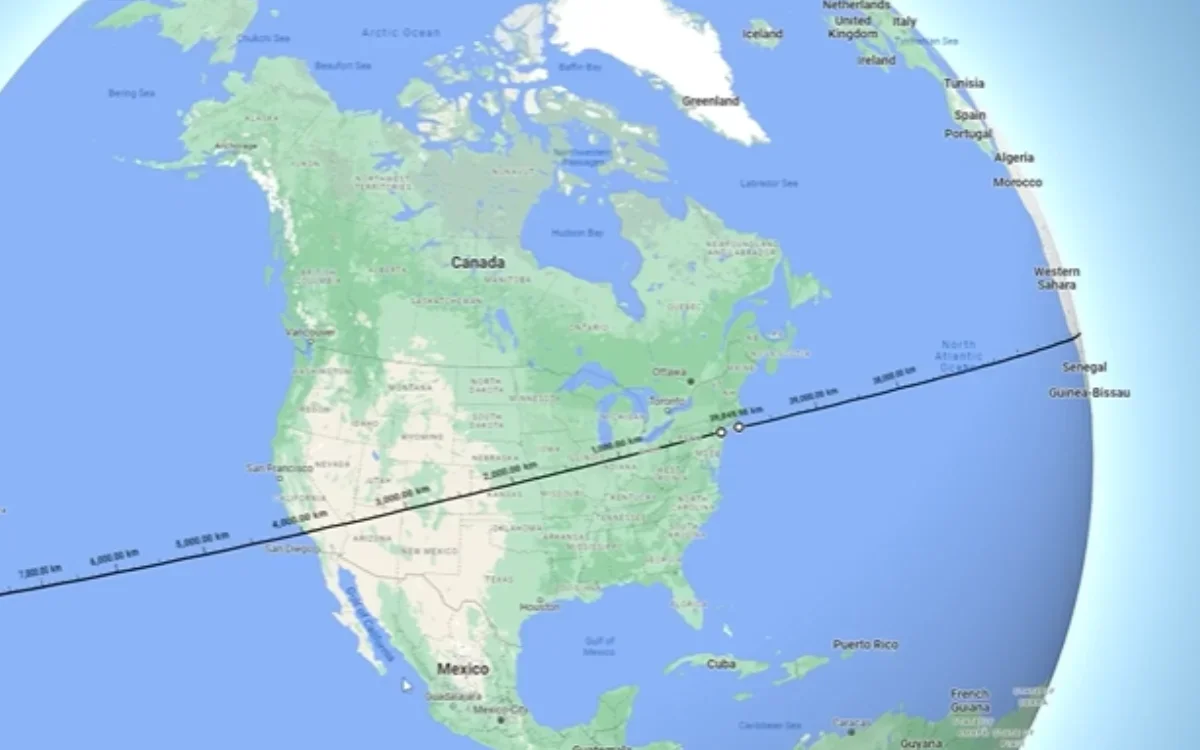
The article discusses the limitations and biases of traditional maps, highlighting calls for a mapping revolution that emphasizes human connections, uncertainty, and multiple perspectives, moving away from state-centric and simplified representations to better reflect complex realities and histories.
Originally Published 2 months ago — by Hacker News
Some people cannot visualize mental images at all, a condition known as aphantasia, which exists on a spectrum of vividness. Experiences vary widely, with some individuals unable to see images consciously, while others have vague or dream-like imagery. This condition can impact episodic memory and visualization abilities, but awareness and understanding of it can help in finding supportive learning strategies.
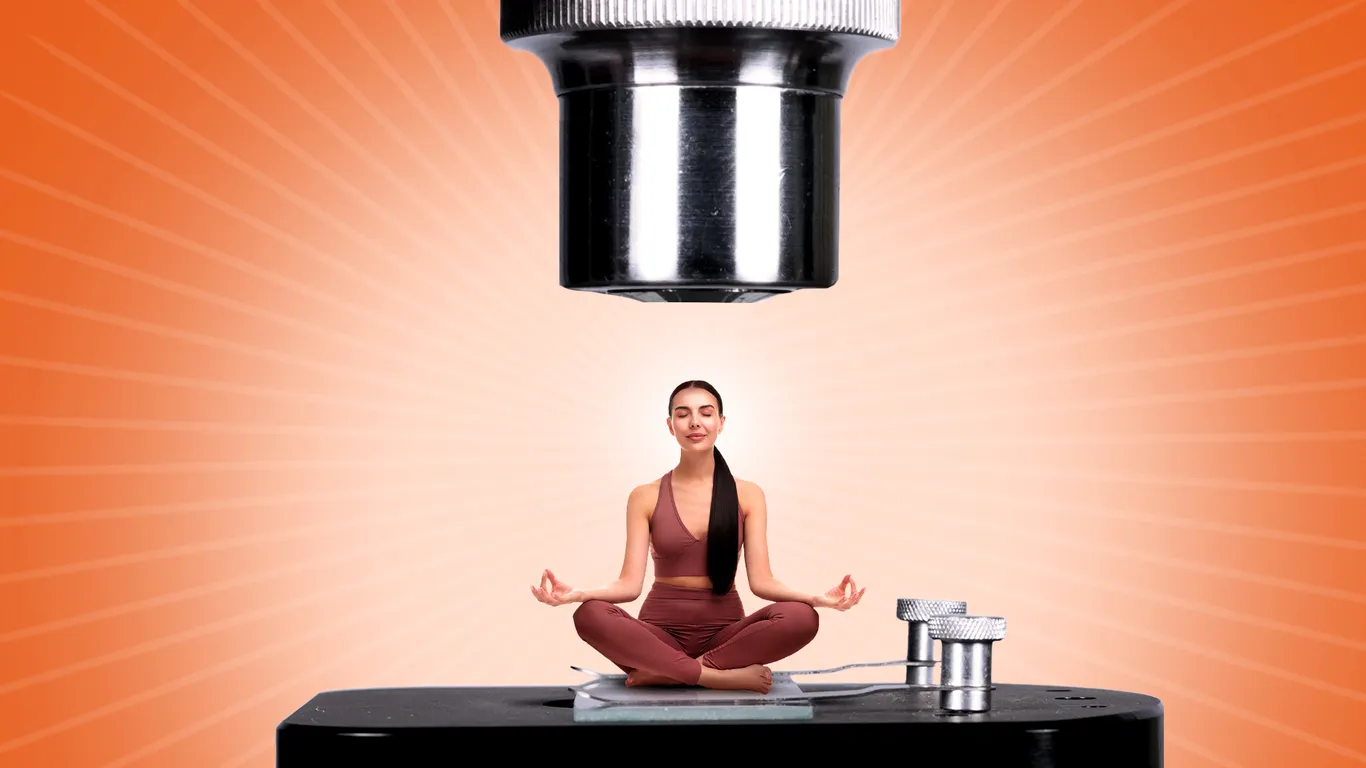
Recent scientific insights suggest that manifesting, often seen as 'woo-woo,' can be understood as a form of mental training that leverages neuroplasticity, visualization, and focused intention to influence subconscious priorities and potentially bring about change, emphasizing disciplined practice over instant results.
Physicists at the University of Colorado Boulder have created a visible time crystal using liquid crystals in a glass cell, which can be observed under a microscope or even by the naked eye under certain conditions. This development provides tangible proof of time crystals, which are structures that repeat motions over time and break traditional symmetry rules in physics. The new design exploits molecular kinks that behave like particles, and the researchers see potential practical applications such as anti-counterfeit measures and tiny data storage. This achievement marks a significant step in making quantum phenomena more accessible and understandable.
A study visualizes the potential health and appearance consequences of continued sleep deprivation by 2050, highlighting issues like aging, weight gain, and immune decline, and emphasizes the importance of improving sleep habits to prevent these outcomes.
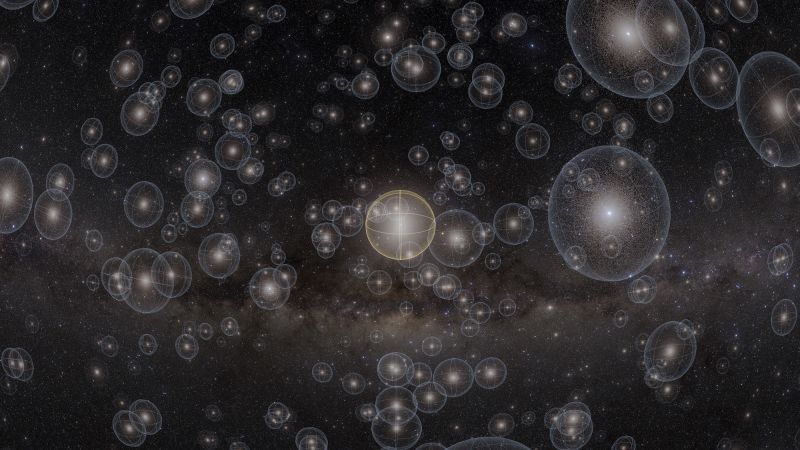
An accidental discovery during a planetarium show revealed a spiral structure within the Oort Cloud, challenging the traditional view of it being spherical. This spiral, confirmed through simulations, is caused by the galactic tide affecting the distant icy bodies, offering new insights into the dynamics of our solar system and its broader galactic environment.
A mathematician calculated that if all humans were compressed into a single sphere, it would be just under one kilometer in diameter, roughly the size of three Eiffel Towers stacked vertically, providing a surprising perspective on the physical scale of humanity.
A TikToker used grains of rice to illustrate the vast wealth disparity between Elon Musk, whose net worth has reached $447 billion, and the average American, whose median net worth is $192,900. The visualization showed a single grain representing $200,000, while Musk's wealth was depicted as a massive pile of rice, highlighting the stark economic inequality. The video sparked reactions on TikTok, with users expressing disbelief and frustration over the wealth gap.
Jared McCain, a promising rookie for the Philadelphia 76ers, is gaining attention for his strong performances and his focus on visualization techniques to improve his game. Despite the team's challenging start to the season, McCain's ability to score and share the ball offers hope for the future. With key players like Joel Embiid and Paul George sidelined, McCain's development is a bright spot, as he adapts quickly to different defensive strategies. The Sixers, currently 2-9, are looking to turn their season around, drawing inspiration from past teams that overcame poor starts.
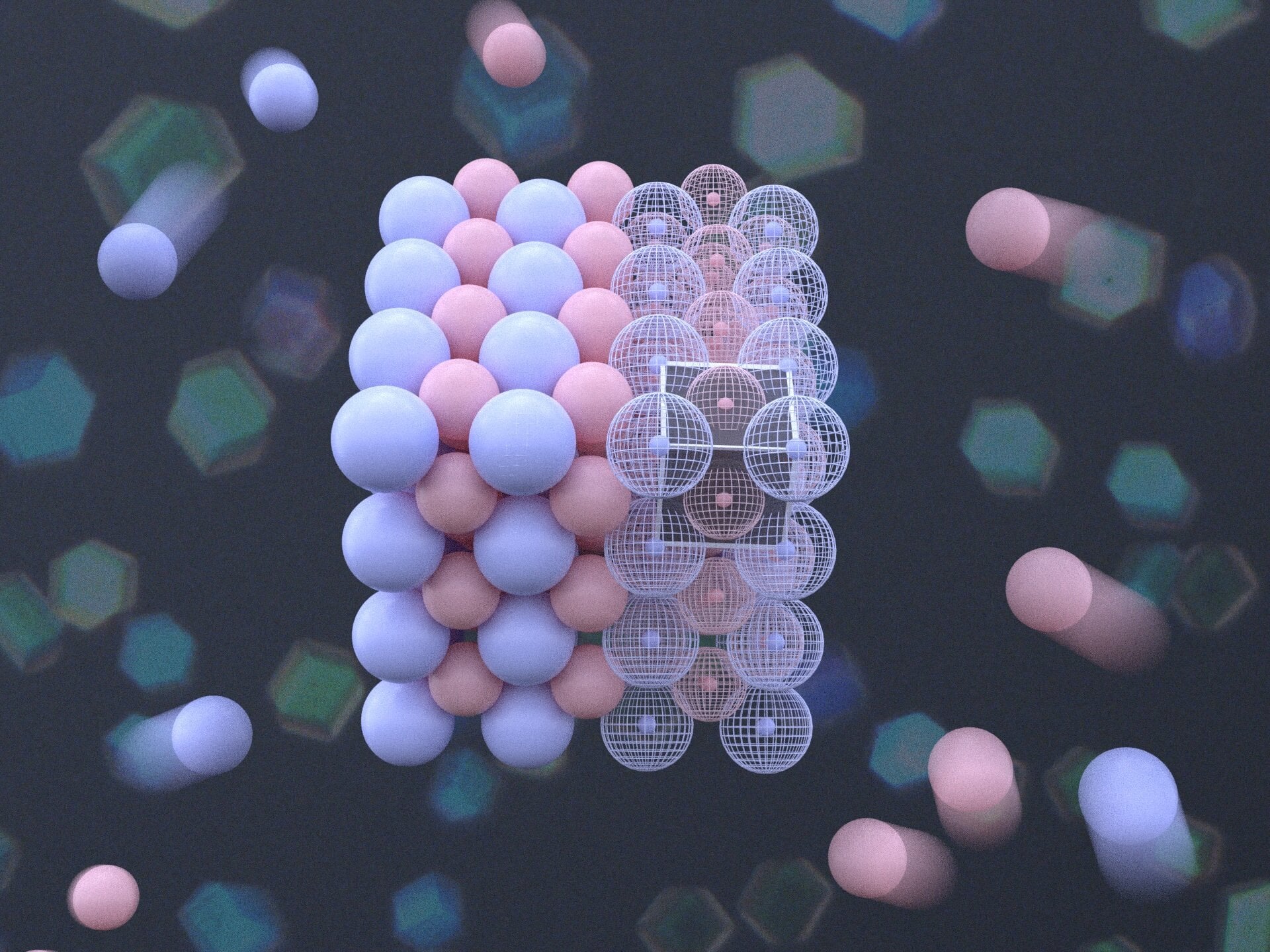
Researchers at New York University have developed a technique called "Crystal Clear" that allows scientists to visualize the internal structure of colloidal crystals in three dimensions. Using transparent particles, dye molecules, and confocal microscopy, they can create dynamic models to study the arrangement and defects within crystals, providing new insights into crystallization processes and potentially aiding in the development of better materials.
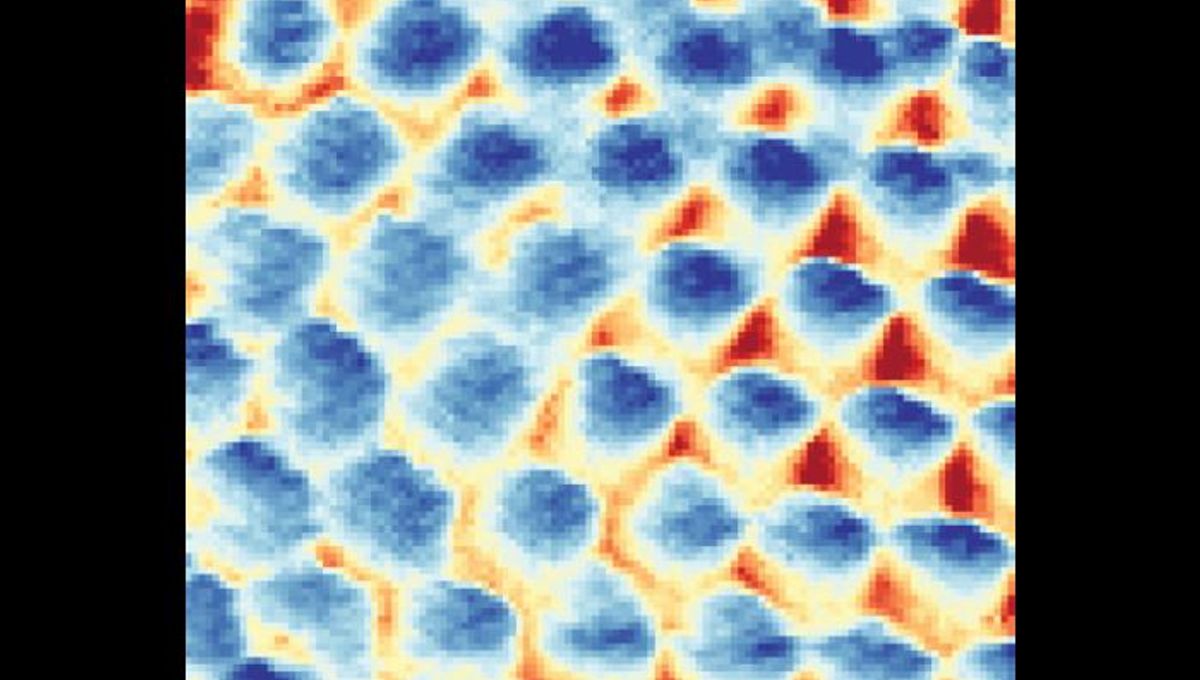
For the first time, physicists have directly visualized a Wigner crystal formed solely from electrons, confirming its existence and revealing unexpected aspects of its nature. By trapping electrons in semiconductor layers and using a scanning tunneling microscope, researchers were able to observe the crystal's triangular configuration and its stability over a wide range of conditions, contrary to expectations. The crystal's quantum nature, with electrons existing as a probability curve over a range of positions, was also revealed, marking it as a novel quantum crystal.
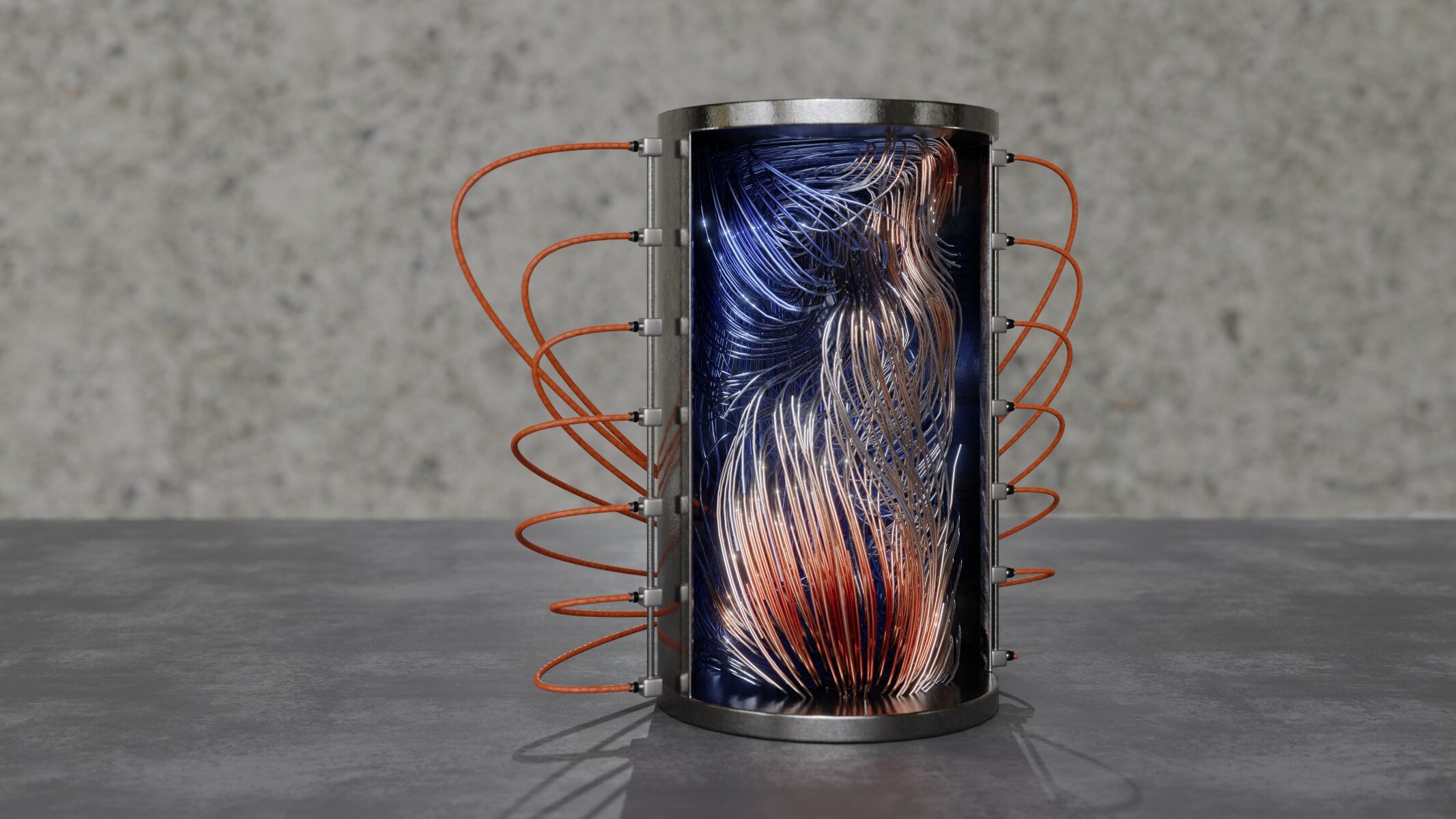
Researchers at the Helmholtz-Zentrum Dresden-Rossendorf have successfully visualized a detailed three-dimensional image of turbulent temperature-driven liquid metal flow using a self-developed method called contactless inductive flow tomography (CIFT). This breakthrough could provide insights into geophysical and astrophysical flow phenomena and industrial applications, such as the casting of liquid steel. The team overcame challenges in measuring the small flow-induced magnetic fields and aims to further develop the measurement method for increased accuracy and deeper insights into turbulent liquid metal flows.
Medical illustrators play a crucial role in medicine by using illustrations to teach complex scientific concepts, dating back to ancient Egypt and flourishing in the Renaissance. They employ special tools and training to visualize things that are normally hidden from the naked eye, including human gross anatomy and cellular structures. Medical illustrators also help conceptualize new processes and techniques, such as illustrating how an experimental drug may theoretically work before it enters testing, and are essential in pre-surgical planning, as demonstrated in the separation of conjoined twins. Specialized training in biomedical sciences and artistic techniques is required to ensure accurate and clear communication of complex scientific information.
Medical illustrators play a crucial role in medicine by using illustrations to teach complex scientific concepts, visualize hidden structures, and conceptualize new processes and techniques. Their work has a long history, dating back to ancient Egypt and flourishing in the Renaissance, and continues to be essential in modern medicine. To become a medical illustrator, specialized training in biomedical sciences and extensive practice in various illustration techniques are required. These professionals are like teachers, using pictures to instruct and communicate complex scientific information with accuracy and clarity.