Tag

Earth Orbit

All articles tagged with #earth orbit

science14 days ago

Earth's Perihelion and the Year's Largest Sun on January 3, 2026

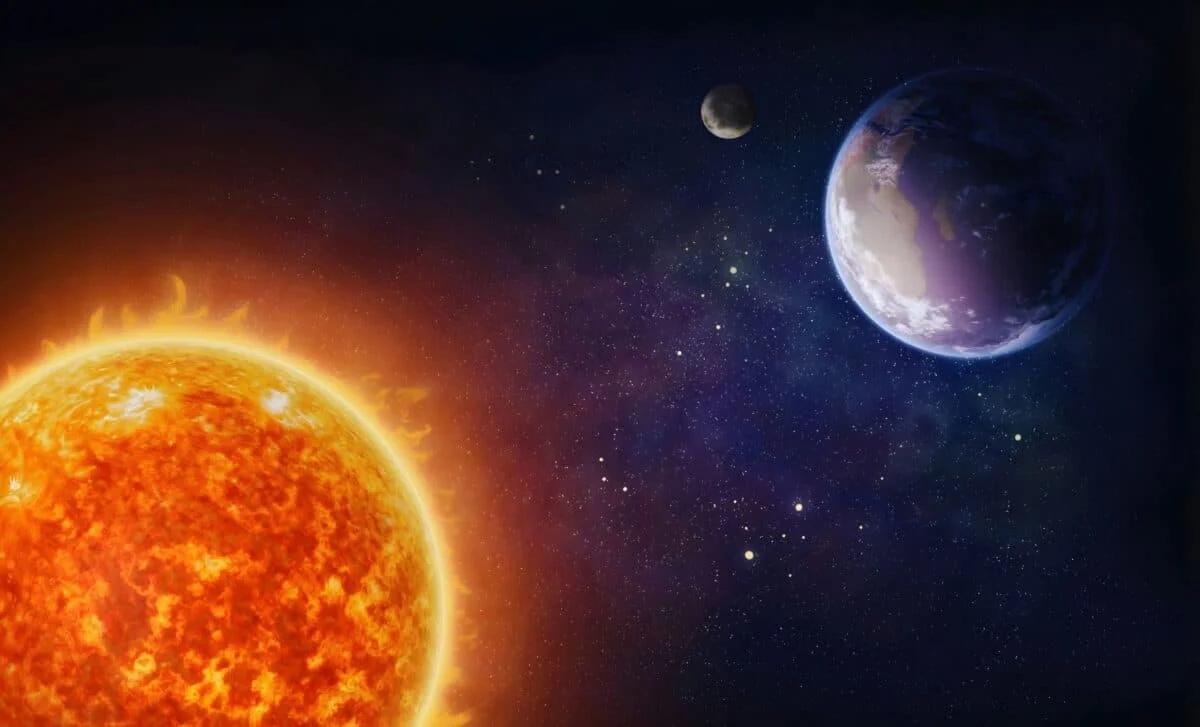
Earth reaches perihelion, its closest point to the sun, on January 3, 2026, but this event has minimal impact on seasons, which are primarily driven by Earth's axial tilt. Perihelion slightly increases solar energy and affects Earth's orbital speed, influencing season length and climate trends over long timescales, but does not cause significant weather changes.

space3 months ago

Earth's New Quasi-Moon: A Decades-Old Cosmic Companion

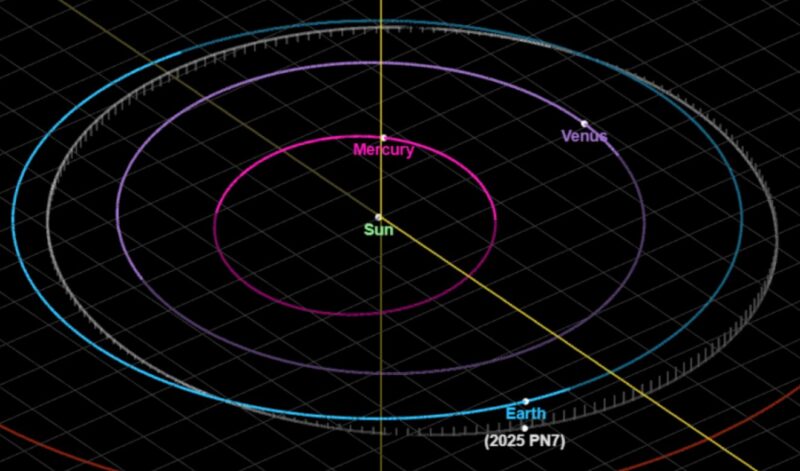
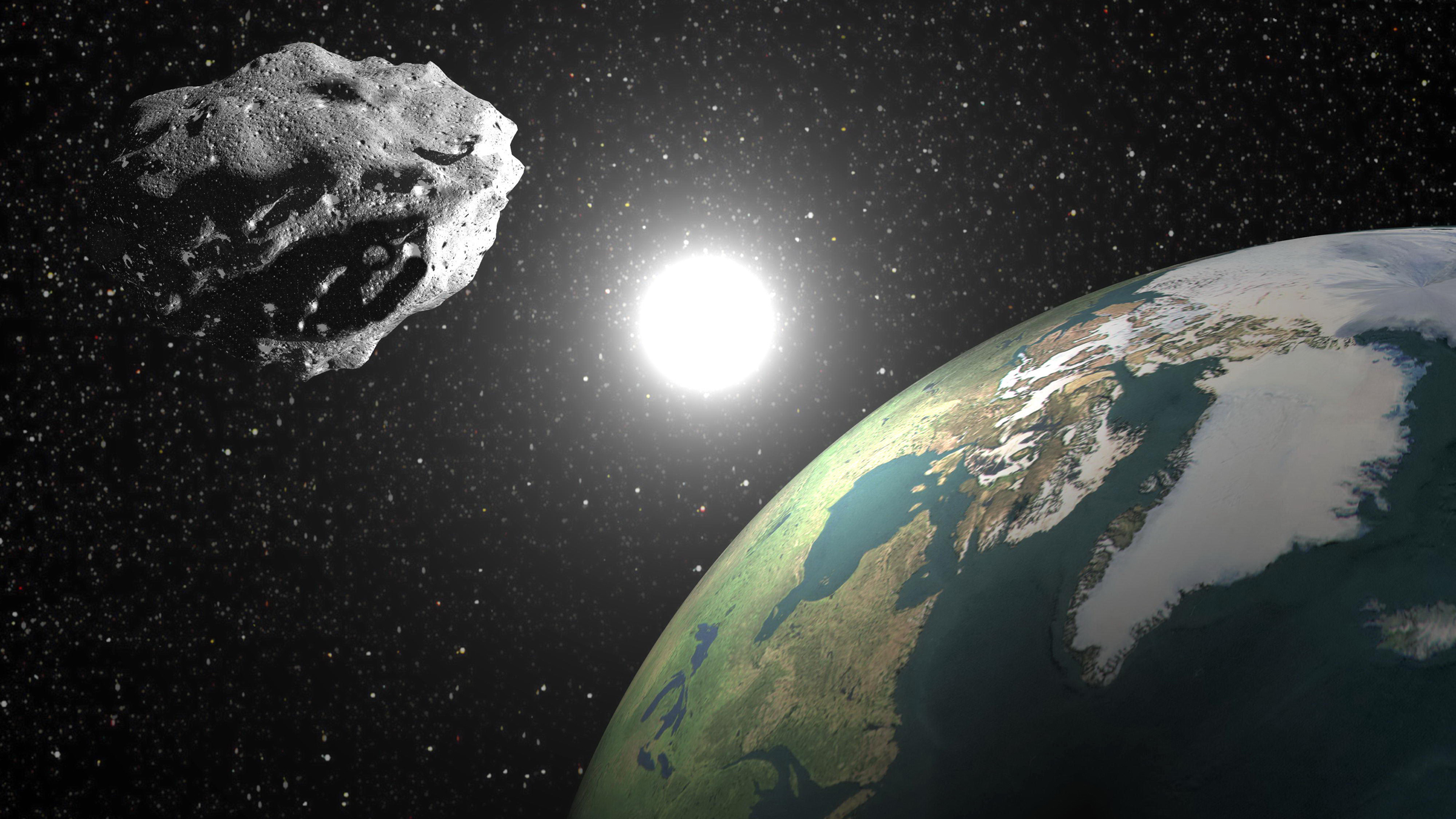
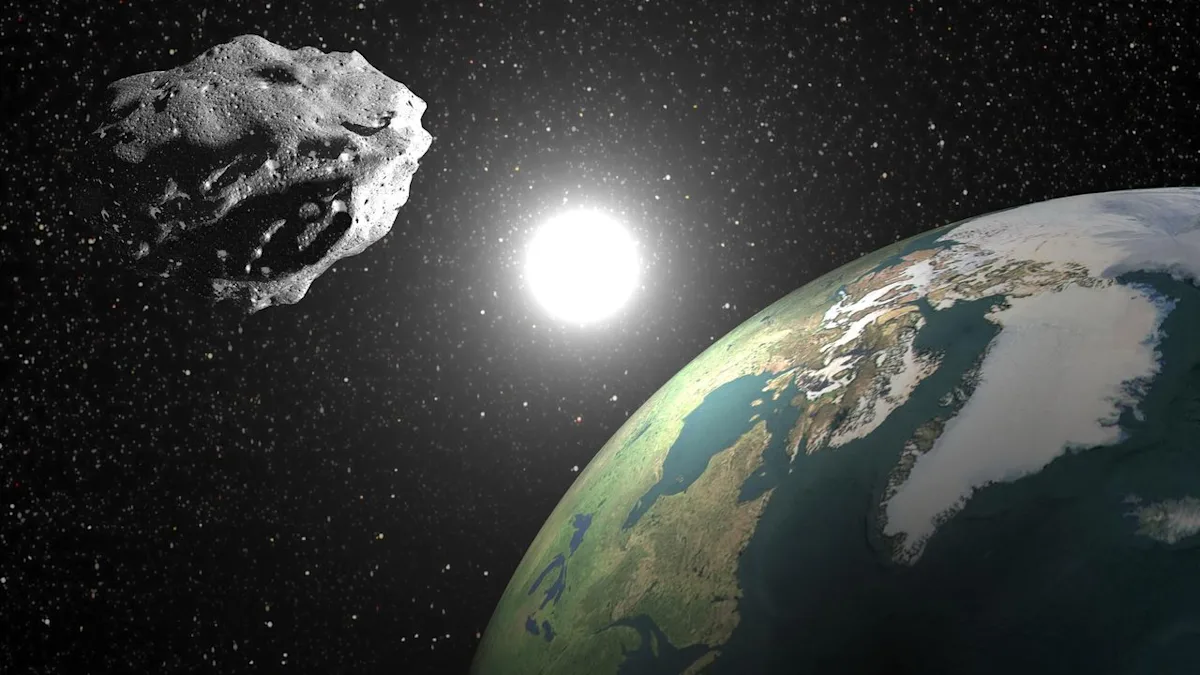
Astronomers have discovered a tiny asteroid, 2025 PN7, that has been orbiting the Sun in a path similar to Earth's for decades, acting as a quasi-moon for about another 60 years. It is the smallest and least stable of Earth's quasi-moons, and while it occasionally appears to orbit Earth from our perspective, it actually orbits the Sun. Discovered in 2025 but present since at least 1957, it poses no threat and could be useful for future space exploration tests.

technology5 months ago

Spectacular SpaceX Dragon Footage Sparks Global Awe

SpaceX's Dragon spacecraft captured stunning footage orbiting Earth, sparking discussions about the planet's shape, with most viewers affirming Earth's roundness despite some claiming the video is fake. Elon Musk confirmed the authenticity of the footage, which shows the spacecraft passing over Earth's polar regions and the Kármán line, reigniting debates about flat Earth theories.

science1 year ago

Stunning Animation Reveals ISS's Incredible Speed

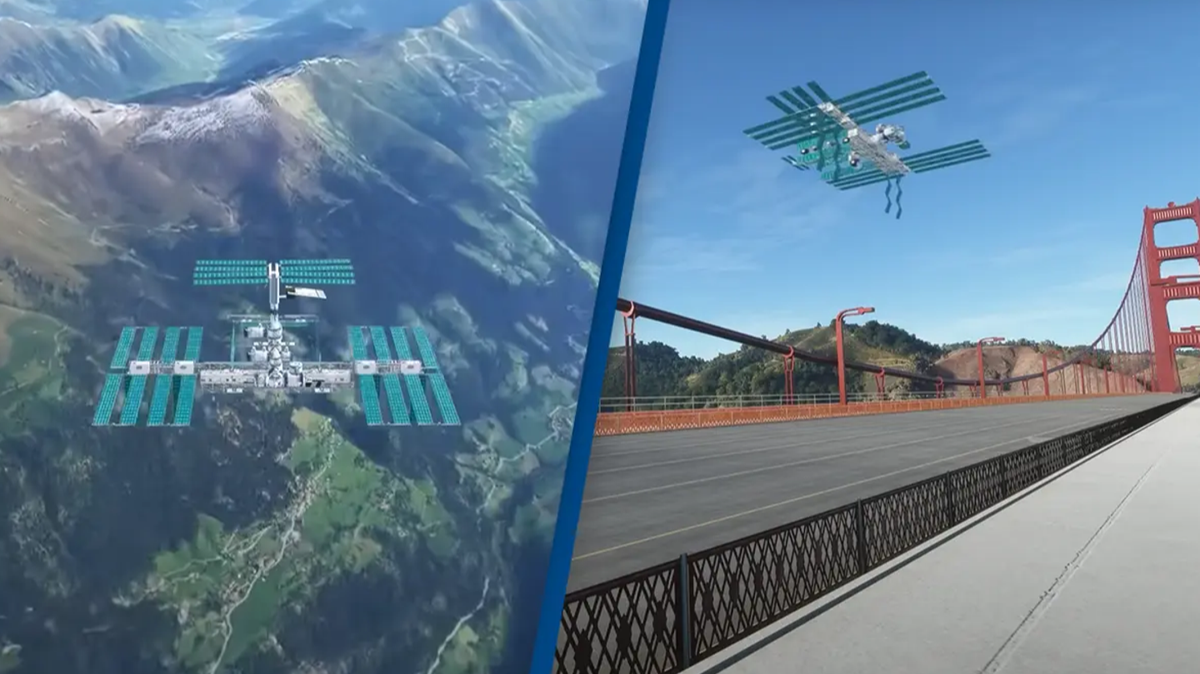
An animation on YouTube vividly illustrates the incredible speed of the International Space Station (ISS) as it orbits Earth, completing 15.5 orbits daily at an altitude of 400 kilometers. The video, which imagines the ISS passing at a lower altitude, has sparked awe and philosophical reflections among viewers about humanity's place in the universe. The ISS, a collaboration of five space agencies, can be seen from Earth at night, and enthusiasts share tips on spotting it. The animation has been praised for its potential as a relaxing visual experience.

science1 year ago

Earth's Temporary 'Mini Moon' Departs, Set to Return in 2055

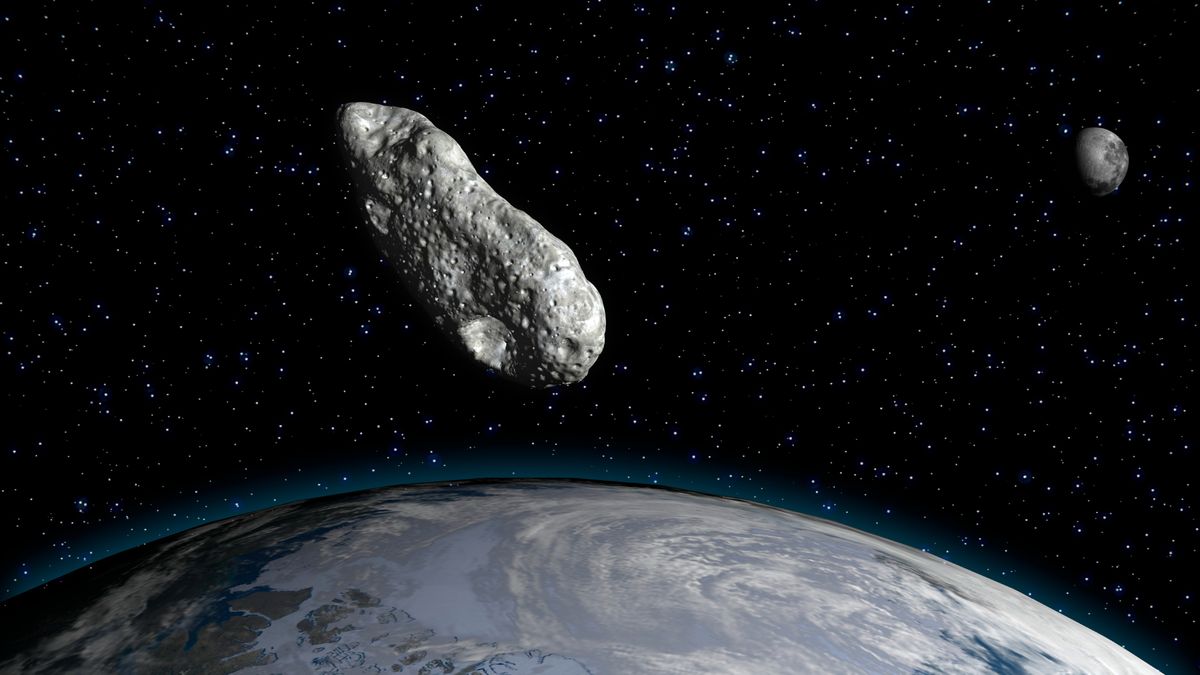
The asteroid 2024 PT5, a small near-Earth object, recently moved closer to Earth due to gravitational forces but is now moving away towards the sun. Although not considered a true 'mini-moon' by NASA, it is of interest for study. Discovered by Spanish astronomers, 2024 PT5 is part of the Arjuna asteroid belt and will pass close to Earth again in January 2025. NASA and international partners continue to monitor such objects using the ATLAS search system and other telescopes.

science1 year ago

Earth's 'Mini Moon' Departs, Revealing Possible Lunar Origins

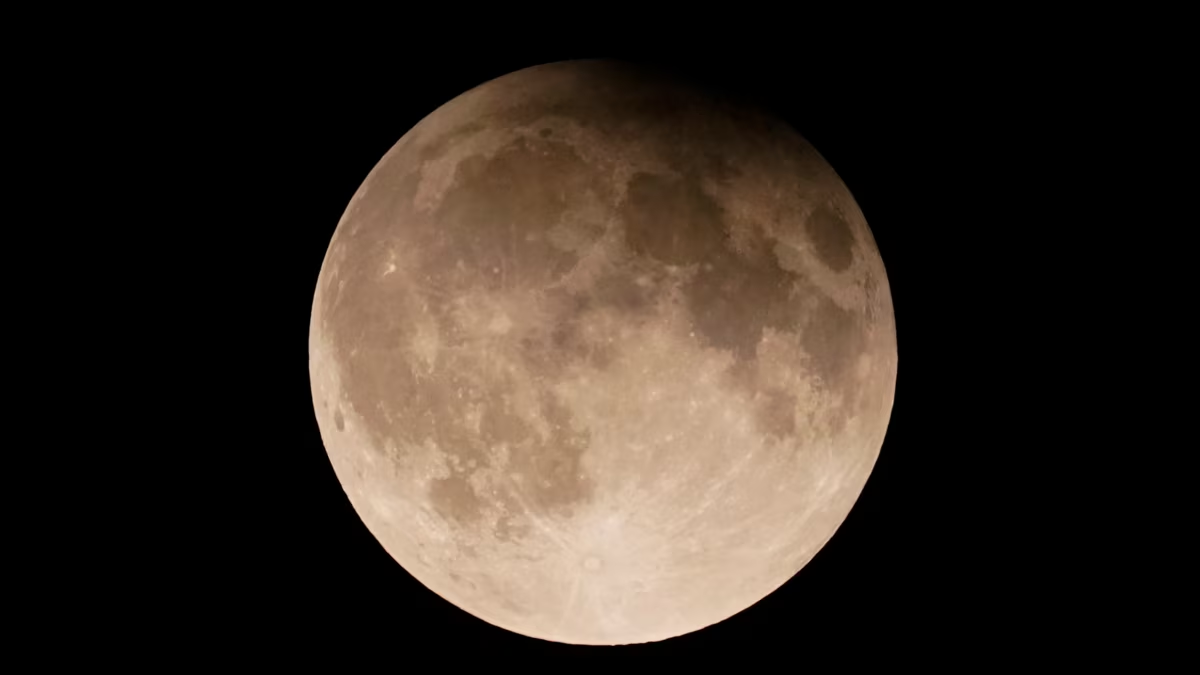
A mini-moon, identified as asteroid 2024 PT5, is leaving Earth's orbit today after being captured by the planet's gravity for two months. Initially spotted by the ATLAS system, the bus-sized rock is believed to be a chunk of the moon, ejected by an ancient asteroid impact. It will pass Earth again in January 2024 before continuing its solar orbit, and is expected to return in 2055. NASA plans to track its January flyby, as mini-moons like this could hold valuable resources for future space exploration.

science1 year ago

Earth's Temporary 'Minimoon' Revealed: Origins and Future Explored

A new study suggests that the temporary Earth-orbiting asteroid 2024 PT5 may have originated from the moon, possibly ejected by a collision millions of years ago. This minimoon, which has been orbiting Earth for two months, will soon leave and won't return for 30 years. Researchers found similarities between 2024 PT5 and lunar ejecta, but lack sufficient data to confirm its origin. Minimoons like 2024 PT5 are of interest for potential use in space exploration as bases for supplies and fuel.

space1 year ago

"Close Call: NASA and Russian Satellites Narrowly Avoid Collision in Orbit"

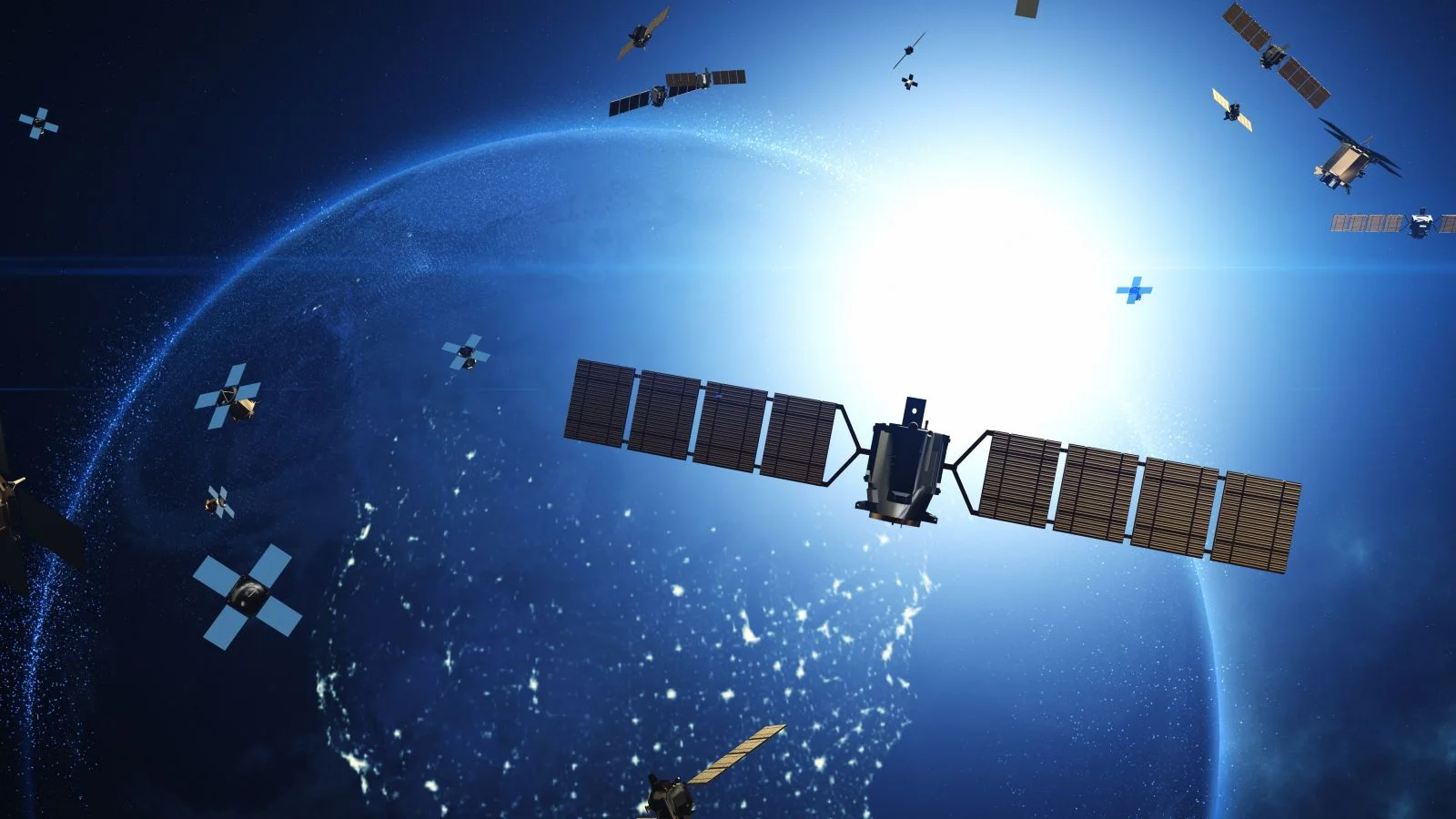
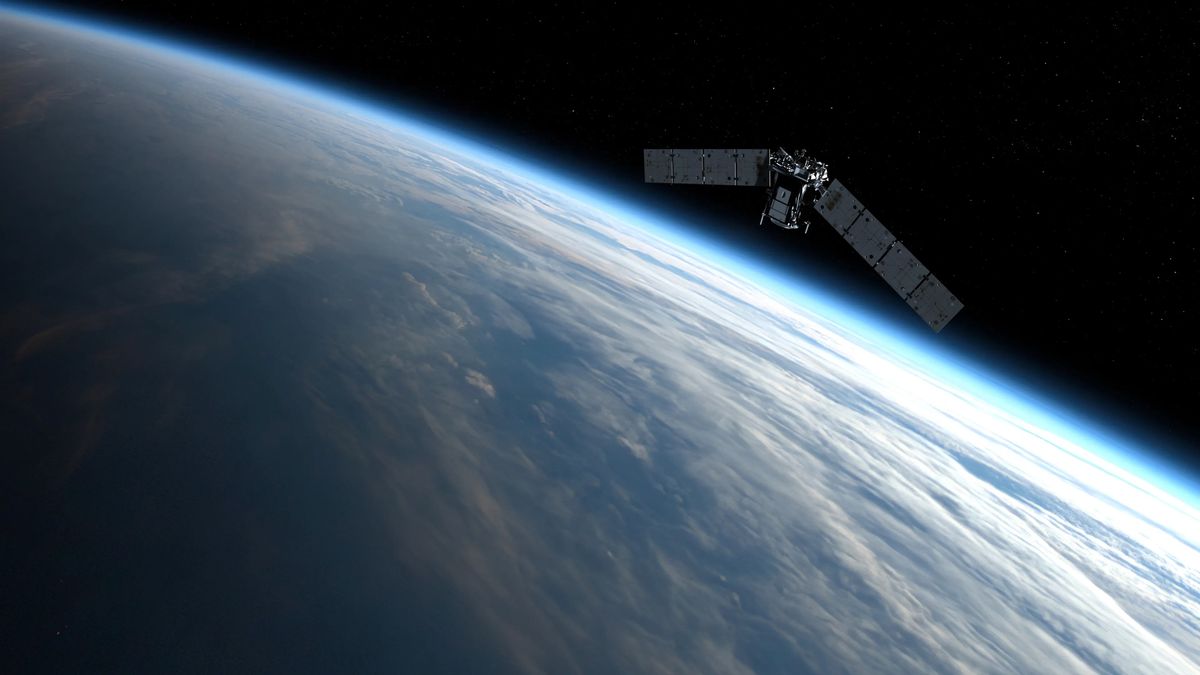
A dead Russian spy satellite, Cosmos 2221, came uncomfortably close to NASA's TIMED satellite, missing by less than 65 feet (20 meters) at an altitude of about 378 miles (608 kilometers). Such near misses are becoming more common as Earth's orbit gets crowded with about 11,500 satellites and 36,500 pieces of debris. The TIMED satellite studies Earth's mesosphere and lower thermosphere/ionosphere, while Cosmos 2221 was a Russian ELINT satellite launched in 1992.

space2 years ago

"Chandrayaan-3 Propulsion Module Returns to Earth Orbit, Sets Stage for Lunar Sample Collection"

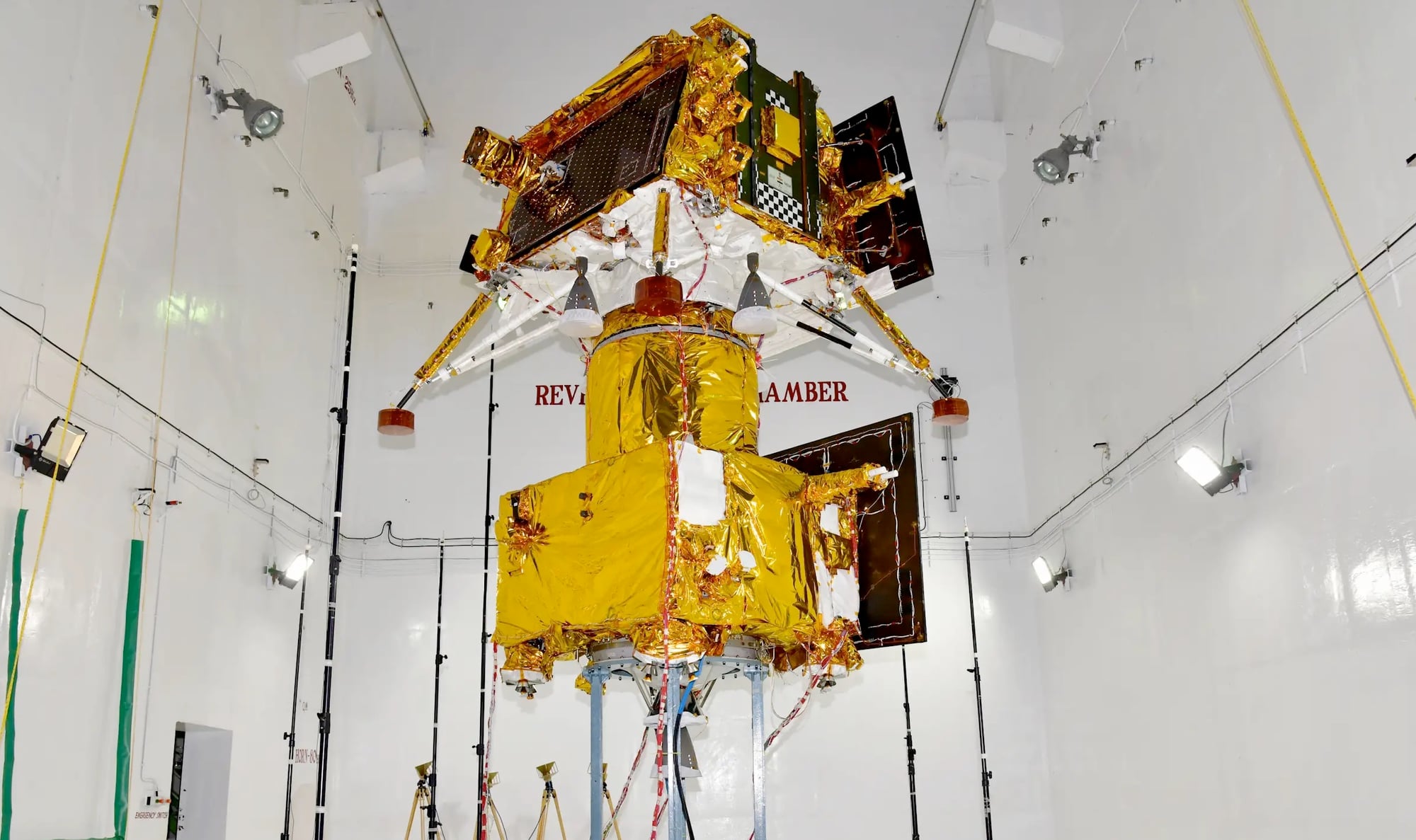
The Propulsion Module (PM) of Chandrayaan-3, which successfully completed its mission objectives in the lunar orbit, has been moved to an orbit around Earth. This unique experiment aims to derive additional information for future lunar missions and demonstrate mission operation strategies for a sample return mission. The PM was re-orbited to a suitable Earth orbit to continue operating the SHAPE payload for Earth observation, while ensuring collision avoidance with the Moon's surface and Earth's GEO belt. The return maneuvers carried out by the PM have provided valuable insights for planning trajectory and maneuvers, gravity-assisted flybys, and avoiding debris creation.

space2 years ago

India's Chandrayaan-3 Propulsion Module Successfully Returned to Earth's Orbit by ISRO

The propulsion module of the Chandrayaan-3 mission, which transported the lander to the moon, has returned to a high Earth orbit after a series of maneuvers. The Indian Space Research Organisation (ISRO) decided to bring back the module after determining that it had more than 100 kilograms of propellant remaining. The module had initially transported the lander to a low lunar orbit before separating. ISRO has not formally announced plans for a lunar sample return mission but has discussed the potential of a near-term mission.

space2 years ago

ISRO Successfully Transfers Chandrayaan-3 Propulsion Module Between Lunar and Earth Orbits

The Indian Space Research Organisation (ISRO) has successfully moved the Propulsion Module (PM) of Chandrayaan-3 from an orbit around the Moon to an orbit around Earth, in a unique experiment. The primary objective of the Chandrayaan-3 mission, which was launched on July 14, 2023, was to demonstrate a soft landing near the lunar south polar region and perform experiments using the instruments on the 'Vikram' lander and the 'Pragyan' rover. After completing its mission objectives, the PM was re-orbited to a suitable Earth orbit to derive additional information for future lunar missions and demonstrate mission operation strategies for a sample return mission.

space2 years ago

Isro Successfully Demonstrates Chandrayaan-3's Return Technology from Moon

The Indian Space Research Organisation (ISRO) has successfully brought back the Chandrayaan-3 Propulsion Module (PM) to Earth's orbit after surpassing its lunar mission objectives. Originally intended for lunar operations, the PM's trajectory was adjusted to transition from lunar orbit to Earth orbit, showcasing the capability of reigniting engines on the Moon and controlling equipment. The successful repositioning extends the PM's mission life and contributes valuable insights and capabilities for future lunar missions.