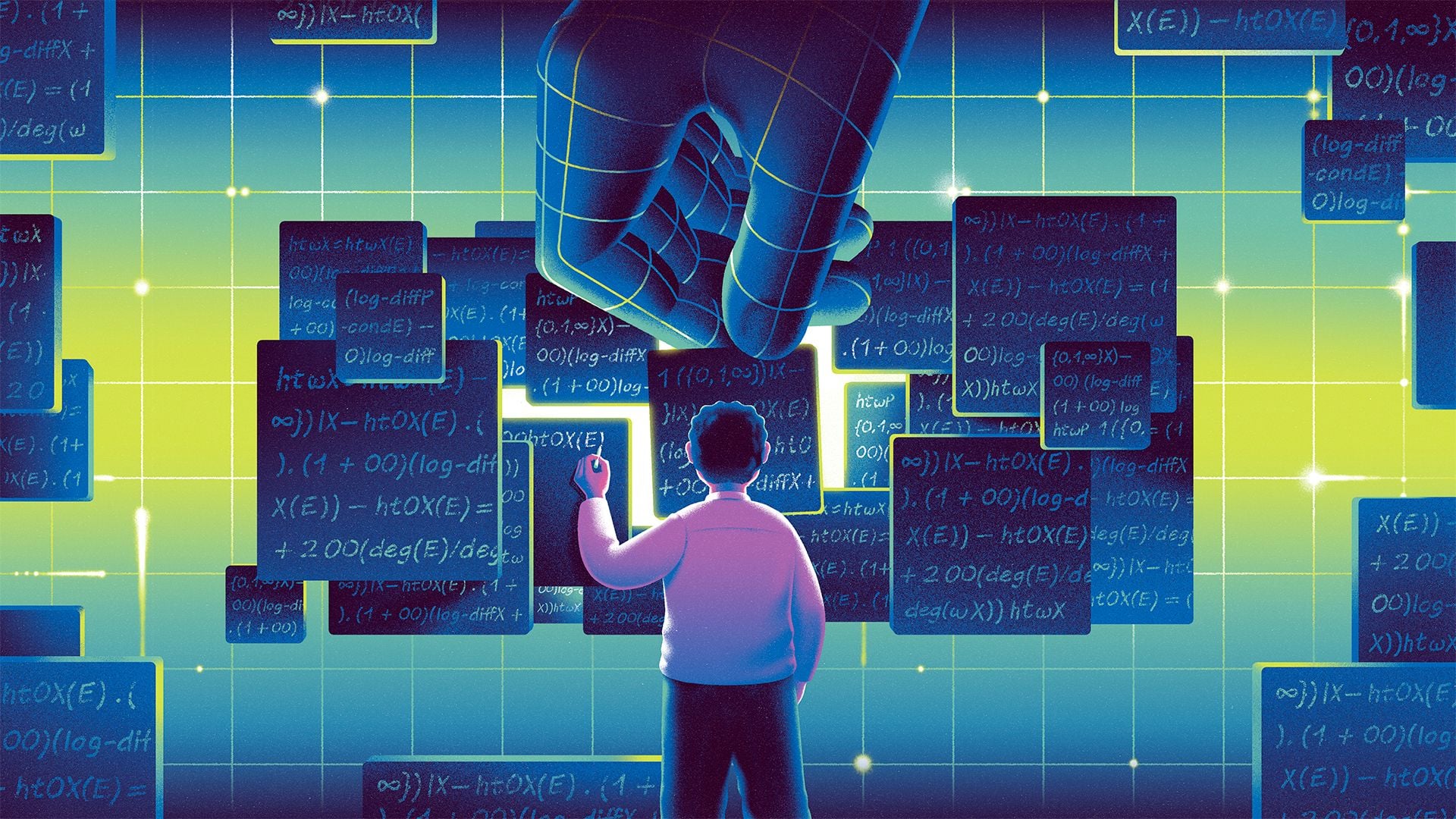
Descriptive set theorists have established a surprising connection between the abstract mathematics of infinity and practical computer science, showing that problems involving infinite sets can be translated into algorithms and network communication issues, thereby bridging a gap between theoretical and applied mathematics.
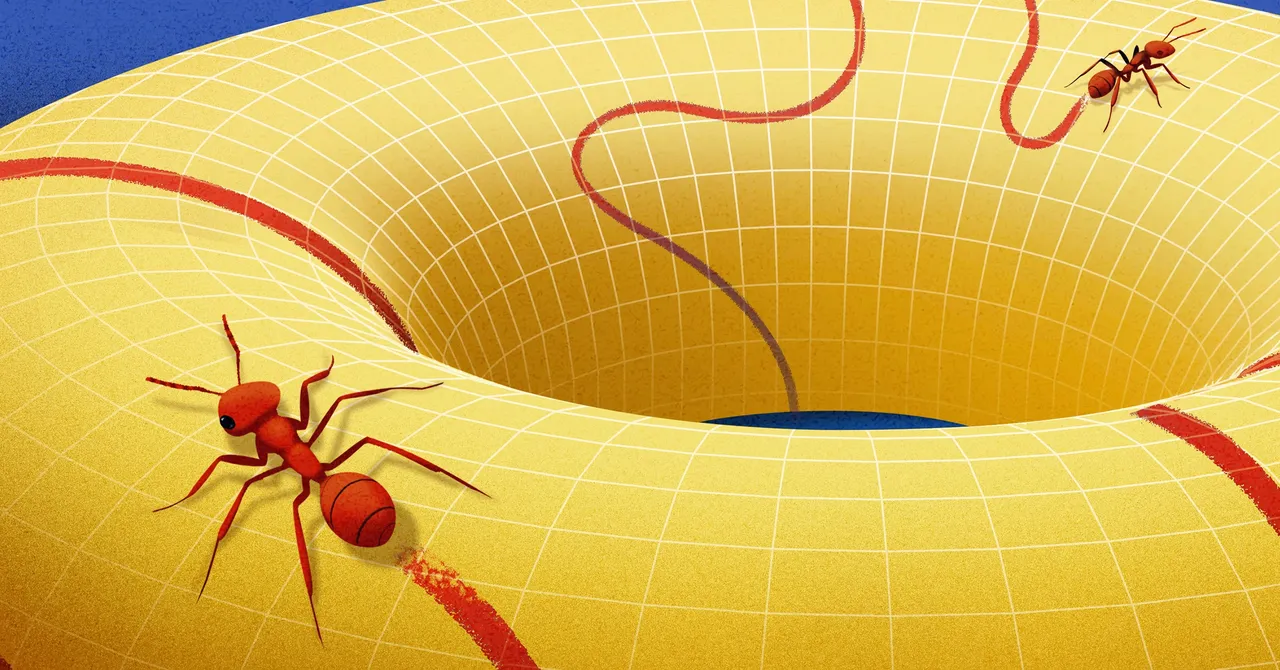
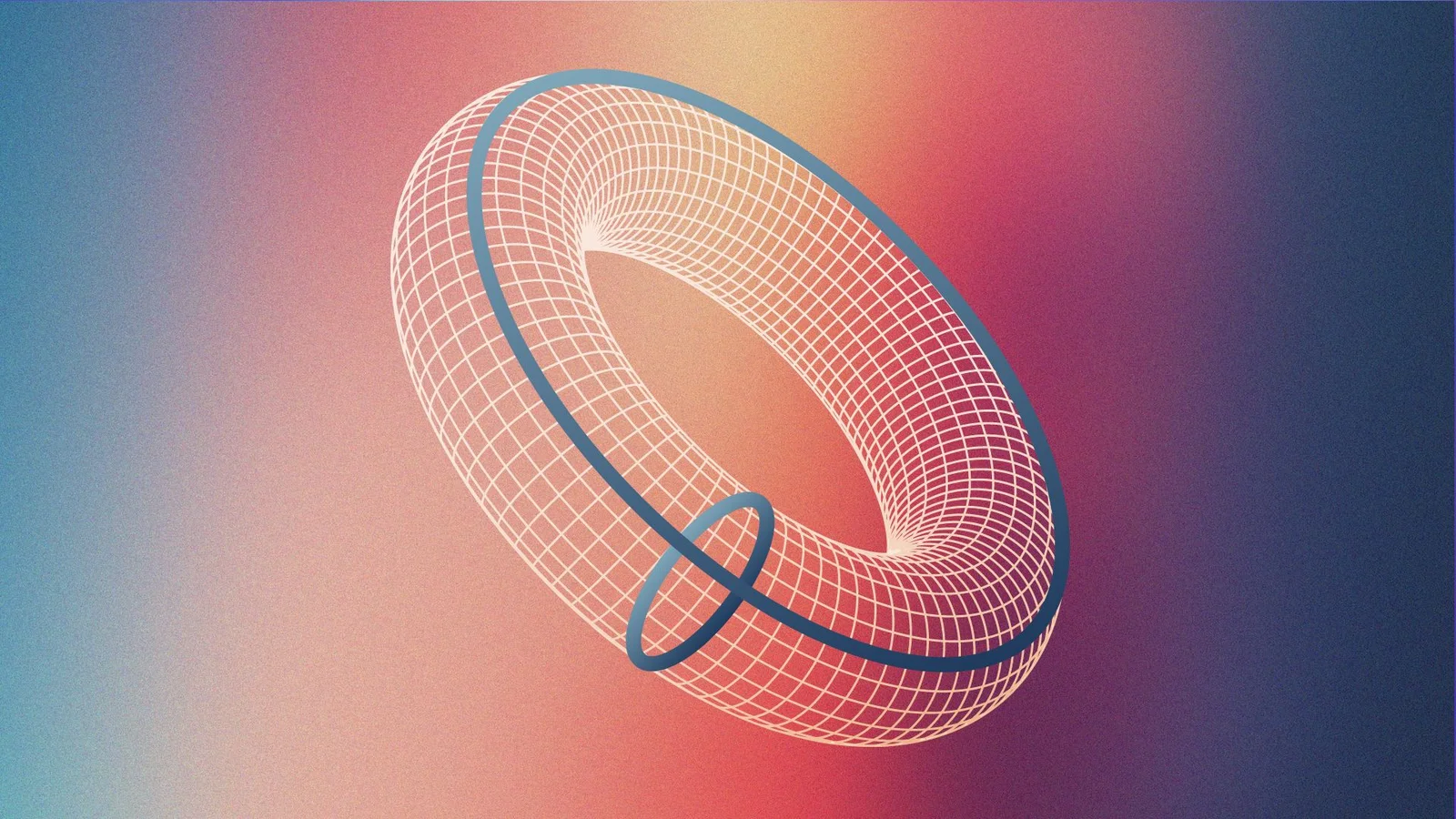
The article explains how the concept of manifolds, introduced by Bernhard Riemann, revolutionized the understanding of space in mathematics and physics, enabling the study of complex, higher-dimensional spaces and playing a crucial role in fields like general relativity, data analysis, and dynamical systems.
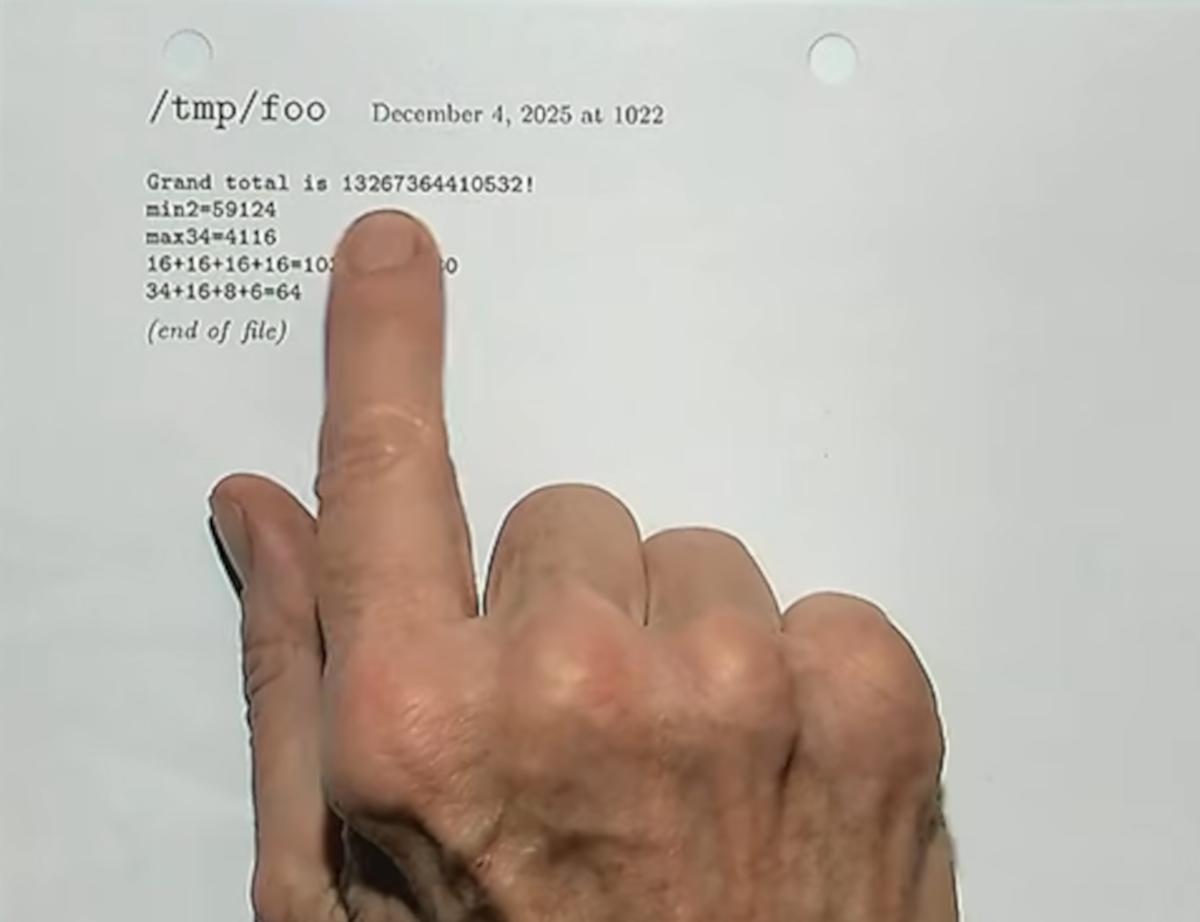
Donald Knuth's 2025 Christmas Lecture at Stanford focused on the Knight's Tour problem, exploring its mathematical beauty, solutions, and recent computational breakthroughs, highlighting the intersection of math, art, and computer science.
Dedekind numbers are a sequence of mathematical values with complex growth, first studied by Richard Dedekind, and are extremely difficult to compute beyond the eighth term due to their exponential complexity. The ninth Dedekind number was only recently discovered through advanced computational methods, but finding the tenth may be impossible for the foreseeable future due to the astronomical computational power required.
Research reveals that the simplex method, a widely used optimization algorithm developed during WWII, is faster and more reliable in practice than its worst-case exponential runtime predictions suggest, thanks to recent theoretical advancements.
AI has made significant progress in solving complex mathematical problems, such as stability equations and Olympiad questions, but still requires human oversight and hasn't yet surpassed top mathematicians in generating groundbreaking discoveries. Experts believe AI will increasingly assist in research, potentially transforming the field and the role of mathematicians in the future.
The article highlights the artistic and exploratory nature of mathematics through stories of young prodigies like Hannah Cairo, breakthroughs in understanding infinity and quantum fractals, the legacy of Maryam Mirzakhani, and recent discoveries such as the Noperthedron and new types of infinity, illustrating the ongoing quest to understand the fundamental structures of math and the universe.
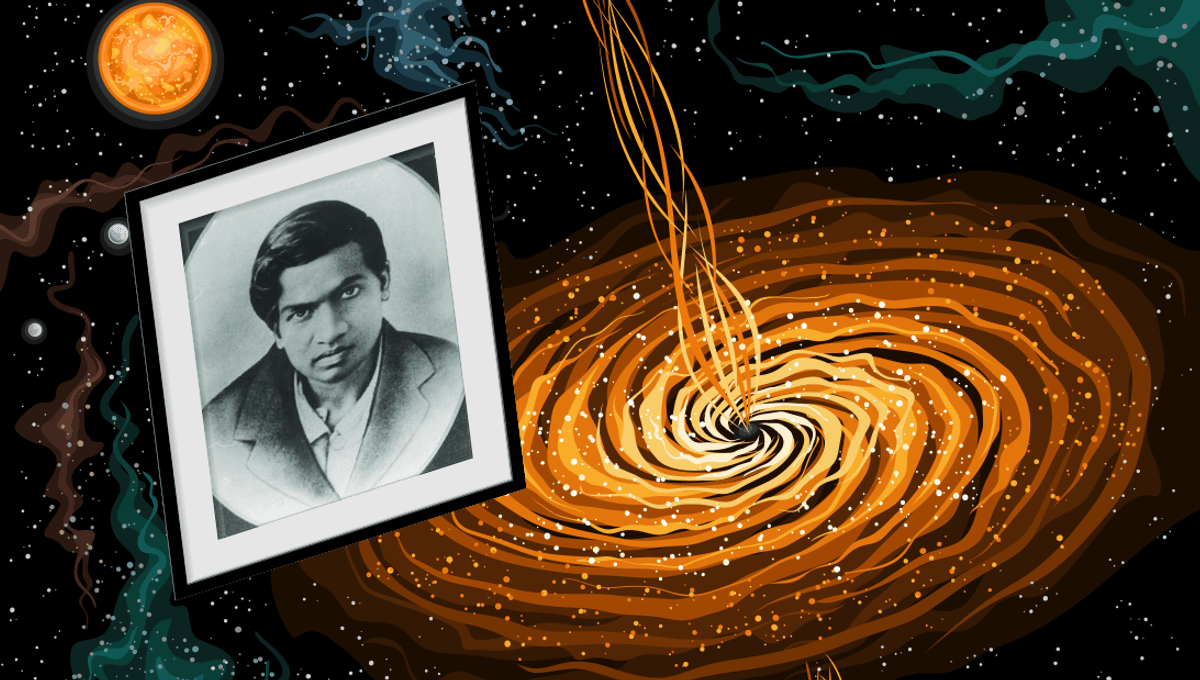
Ramanujan, a self-taught Indian mathematician from the early 20th century, made groundbreaking discoveries in mathematics that continue to influence modern physics and computational methods, such as pi calculations and conformal field theory, despite his lack of formal training and tragic early death.
The Highly Cited Researchers list has updated its methodology for 2025 to exclude scientists associated with ethical breaches, such as excessive self-citation, leading to the re-inclusion of mathematicians after two years of exclusion due to suspicious citation patterns. The new rules aim to improve the list's integrity by removing papers linked to previous research misconduct, although this may inadvertently exclude some deserving scientists. The list now recognizes 6,868 researchers across various fields, with particular attention to addressing gaming of citation metrics, especially in mathematics.
In 2002, Russian mathematician Grigori Perelman quietly published a series of papers that proved the long-standing Poincaré conjecture using Ricci flow, solving a major problem in topology. Despite being offered prestigious awards, he declined them and retreated from public life, leaving a lasting impact on mathematics.
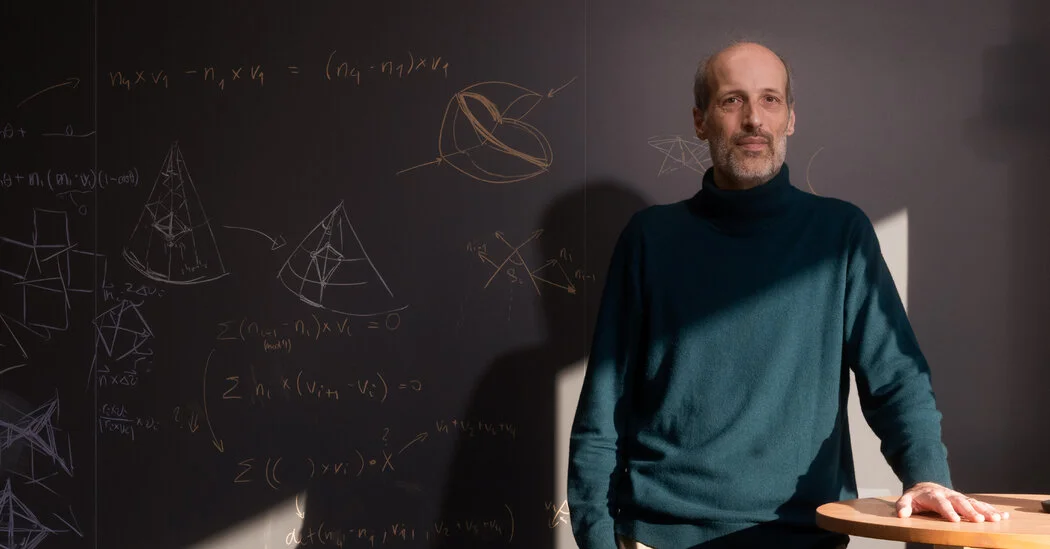
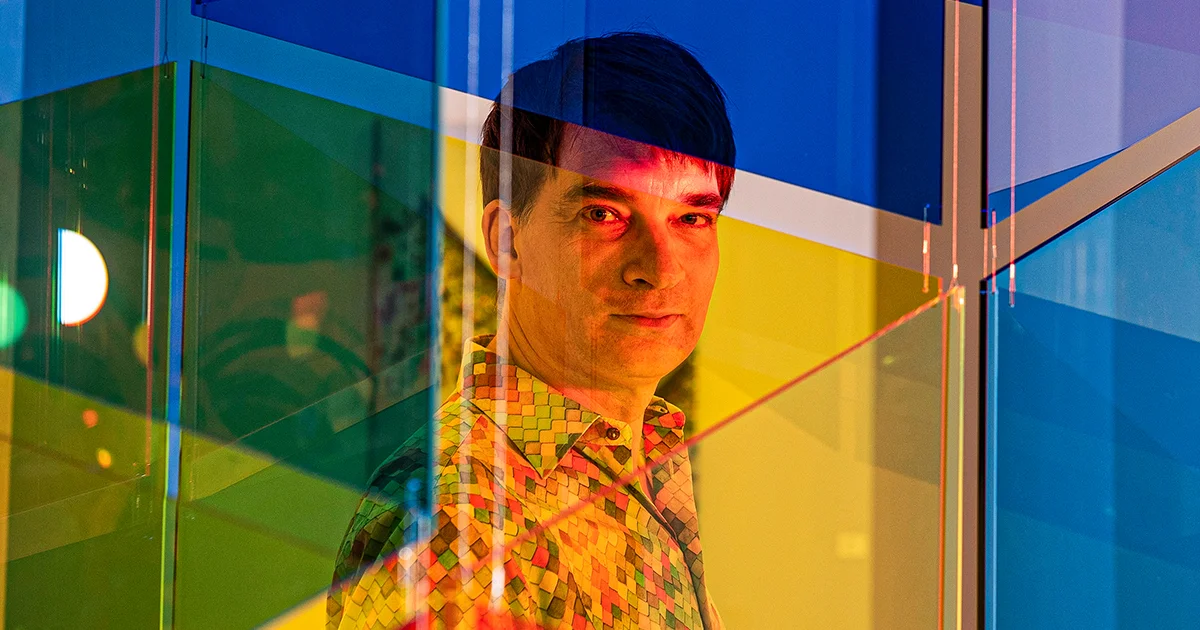
Marijn Heule uses SAT solvers and AI to transform complex mathematical problems into puzzles, enabling computers to generate proofs beyond human capability. He advocates for trusting automated proofs over understanding, emphasizing collaboration between human intuition and machine reasoning to solve long-standing mathematical challenges.
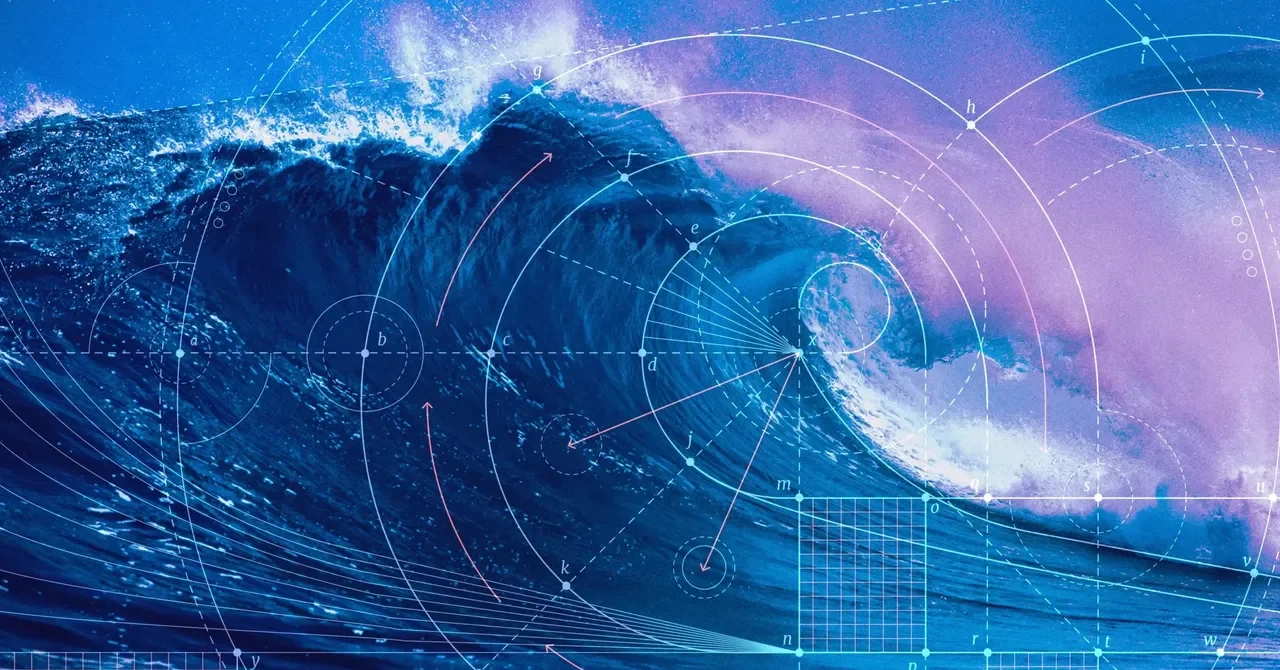
A team of Italian mathematicians has made significant progress in understanding the complex mathematics of ocean waves, particularly the stability and instability of Stokes waves, by proving when certain disturbances will destroy or preserve these waves, advancing our theoretical knowledge of fluid dynamics.
A mathematician explores the theoretical physical limits of human height and foot size, concluding that while extremely tall humans like Robert Wadlow are possible in theory, biological and physical constraints such as blood pressure and the square-cube law likely prevent humans from evolving to much greater heights.
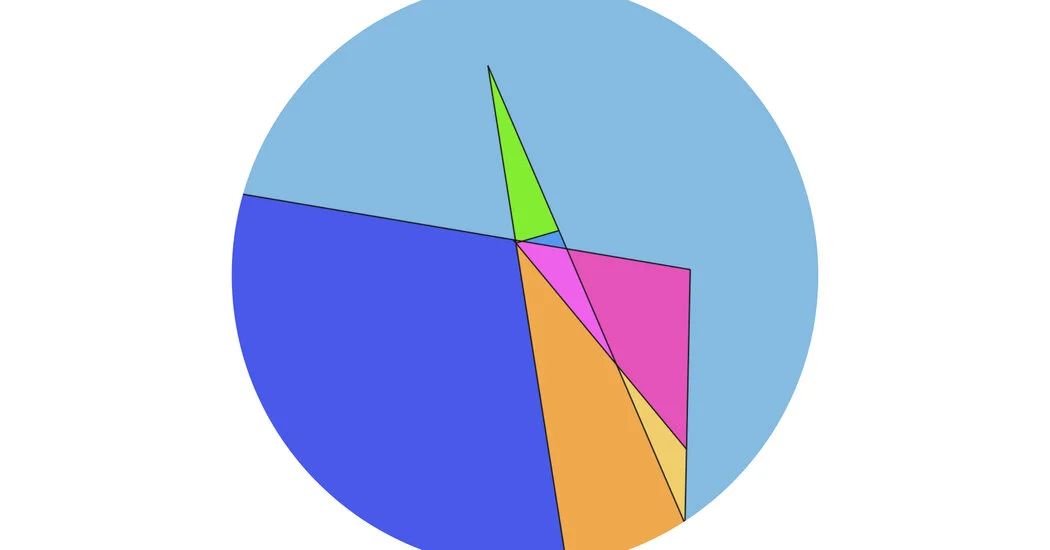
Two mathematicians have disproved a 300-year-old shape property, known as the Rupert property, by discovering a shape called the Noperthedron that cannot pass through itself regardless of tilting or drilling, challenging long-held assumptions in geometric topology.
A study suggests that the universe's complexity and mathematical foundations make it impossible for any algorithm to fully simulate reality, implying we are not living in a computer simulation and that a complete 'theory of everything' may be unattainable through computation.