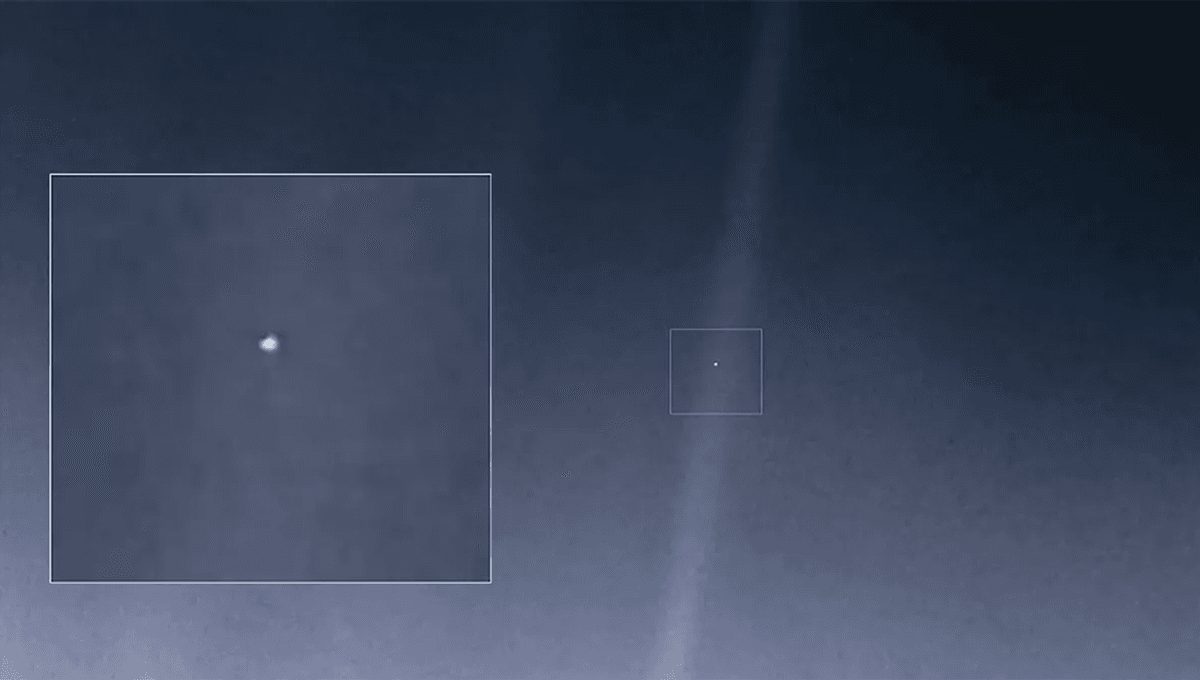
Voyager 1 will become the first human-made object to reach a distance of one light-day from Earth on November 13, 2026, traveling through interstellar space after over 45 years since launch, highlighting the vastness of space and the speed of light.
South Carolinians have a rare opportunity to see the green Comet Lemmon, visible in the night sky on October 21-22 for the first time in 1,350 years, along with other celestial events like the Orionids meteor shower and the Andromeda Galaxy, with tips for optimal viewing away from city lights.
Astronomers have discovered that the largest Oort Cloud comet, C 2014 UN271, is active far from the Sun, venting carbon monoxide gas at over a billion miles away, challenging previous assumptions about comet dormancy in the outer solar system. Using ALMA, they observed jets and activity driven by volatile ices, providing new insights into comet evolution and the early solar system materials. The comet will approach the Sun in 2031, offering opportunities to study how its activity changes as it warms.
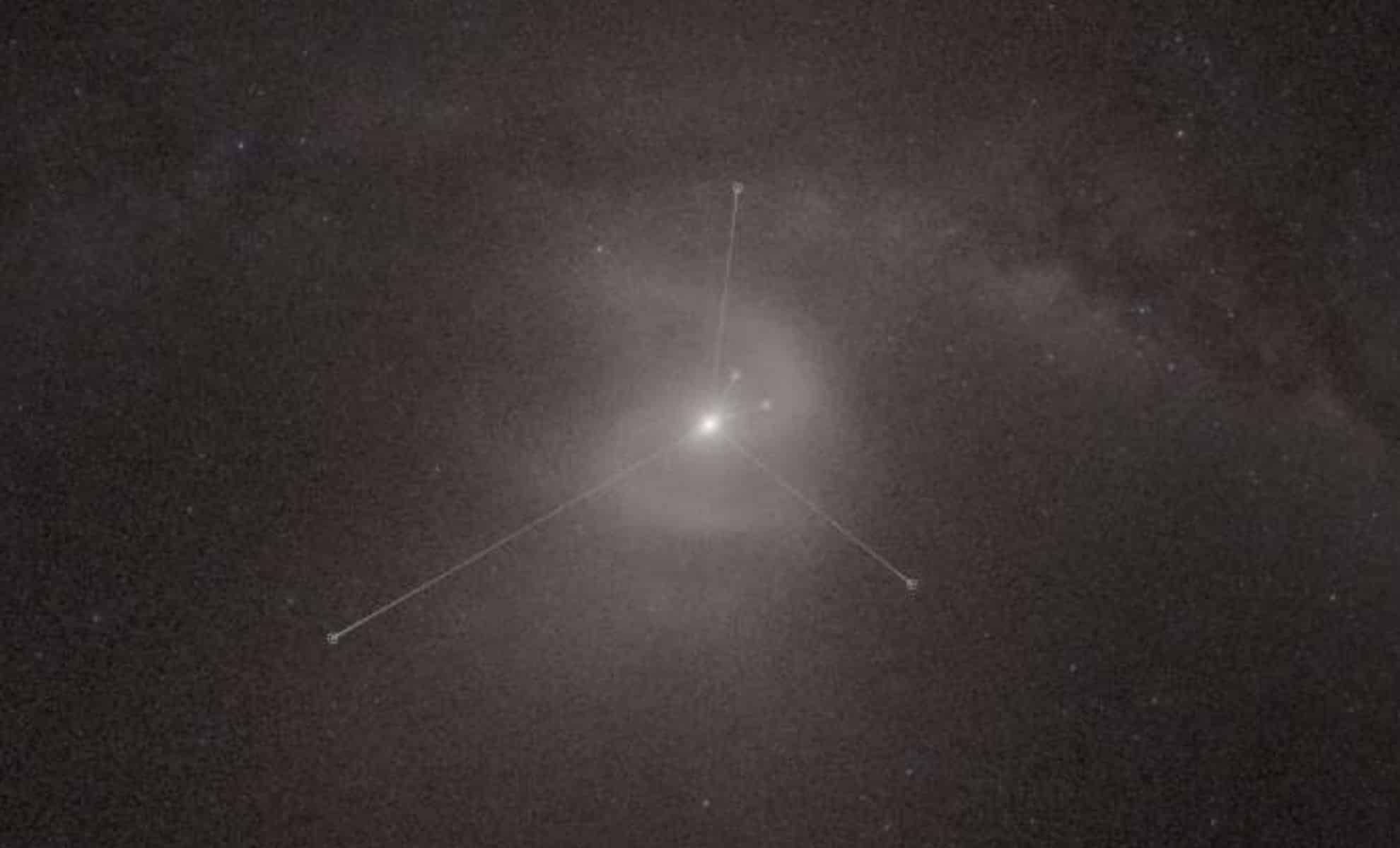
Voyager 1, traveling at about 3.6 AU per year, will take roughly 28,000 to 30,000 years to exit the outer edge of the Oort Cloud, depending on its exact distance, which is estimated to be between 1,000 and 100,000 AU from the Sun.
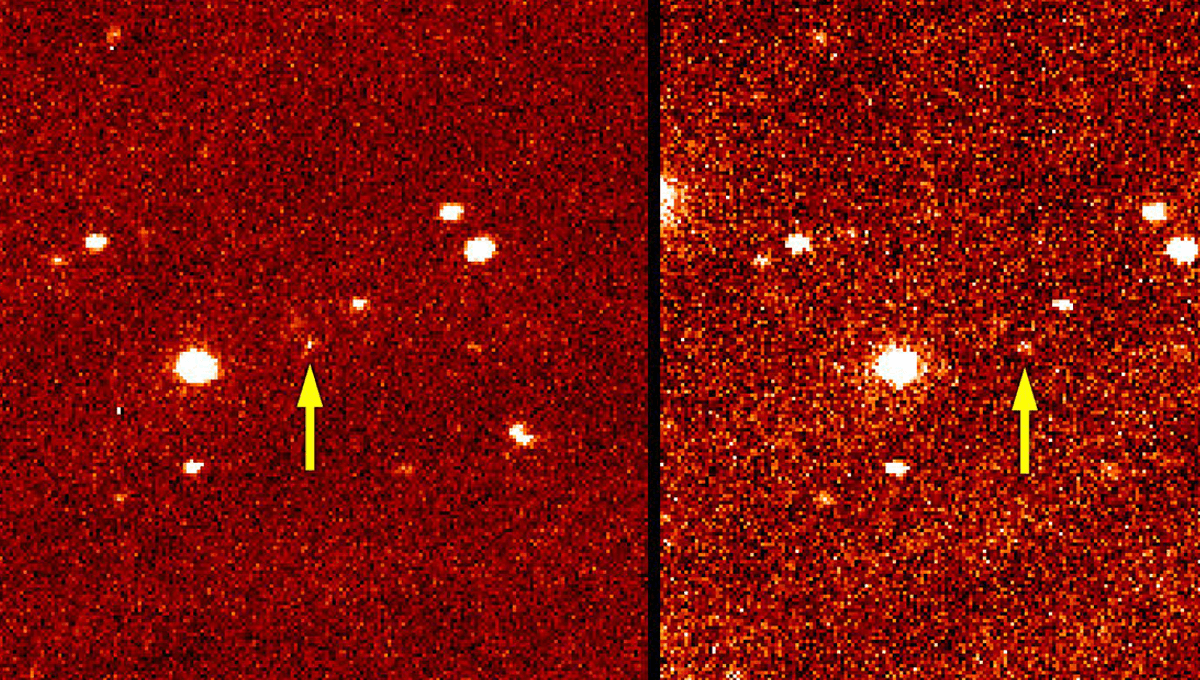
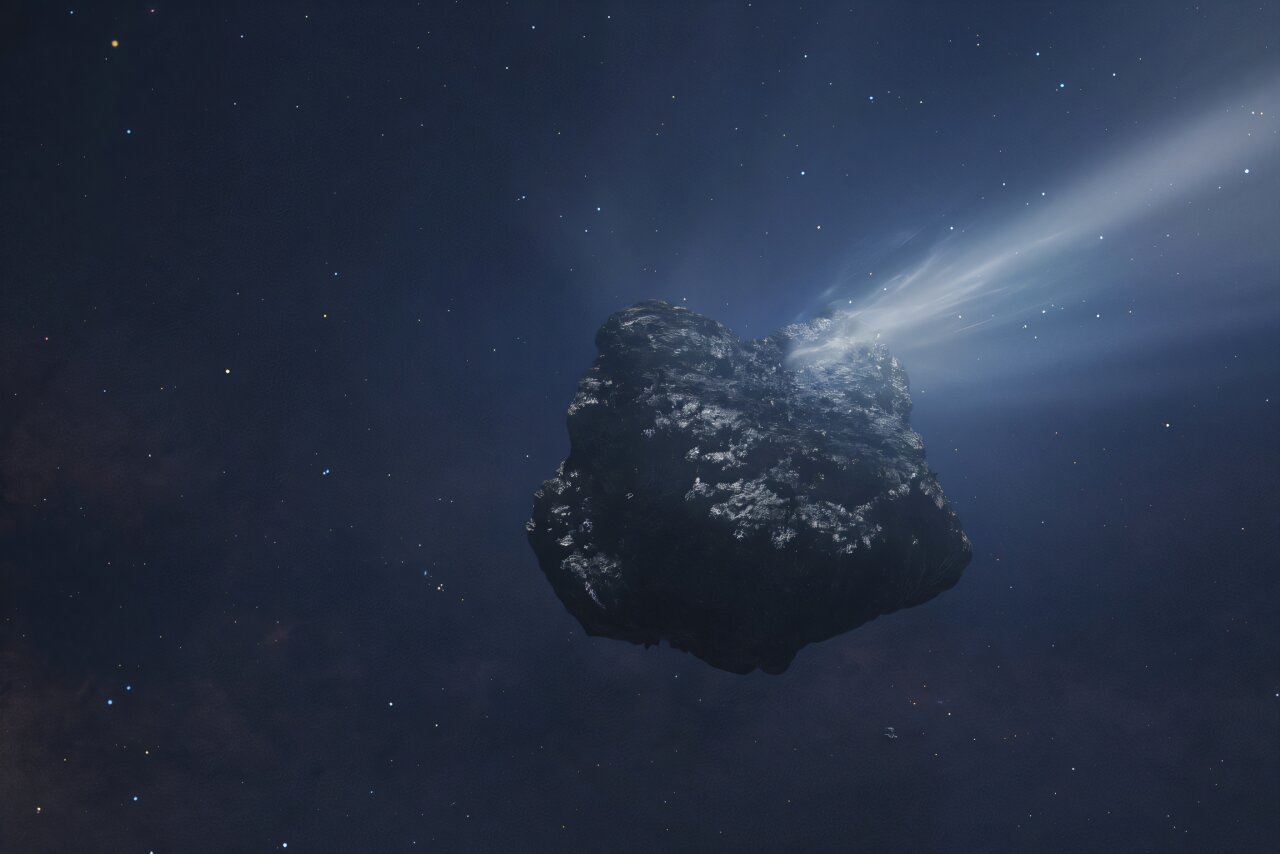
Astronomers using ALMA have observed for the first time a molecular jet of carbon monoxide emanating from the giant comet Bernardinelli-Bernstein, which is about 140 km wide and located over 1.5 billion miles from the Sun. This discovery challenges previous assumptions about comet activity in the outer solar system and provides new insights into the behavior of distant celestial bodies from the Oort Cloud, especially as it approaches the Sun in 2031.
A new study suggests that a direct fusion drive could enable a spacecraft to reach Sedna within 10 years, offering a rare opportunity to study a distant Oort cloud object before it moves away, with mission proposals potentially launching around 2030.
Astronomers using ALMA have discovered that the largest Oort Cloud comet, C/2014 UN271, is actively erupting with jets of carbon monoxide gas, providing new insights into the chemistry and activity of icy bodies at the solar system's edge.
Astronomers have discovered the first direct evidence of molecular activity in the massive, distant comet C/2014 UN271 in the Oort Cloud, revealing explosive outgassing patterns and providing new insights into the early solar system and the potential for life-building molecules in space.
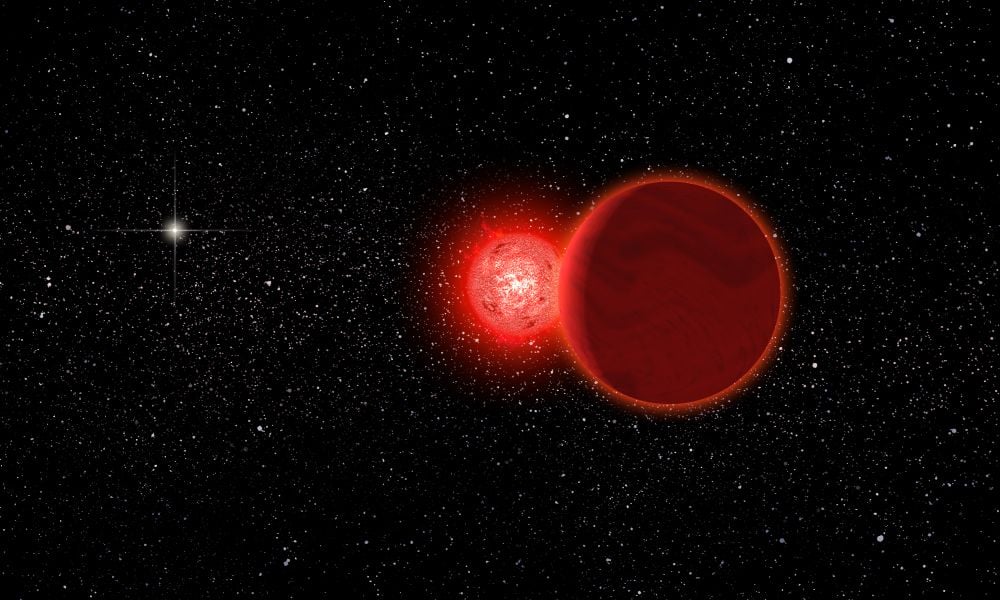
Recent research suggests that stellar flybys have likely not influenced Earth's past climate changes over the last 56 million years, challenging earlier hypotheses. Using comprehensive solar system models, scientists found no significant impact of passing stars on Earth's orbital stability or climate events like the Paleocene-Eocene Thermal Maximum, emphasizing the importance of detailed modeling in understanding celestial influences on our planet.
Astronomers using ALMA have observed the largest known Oort Cloud comet, C/2014 UN271, at a record distance, detecting complex gas jets and providing new insights into its composition and activity far from the Sun, which could shed light on the early solar system and the origins of Earth's water.
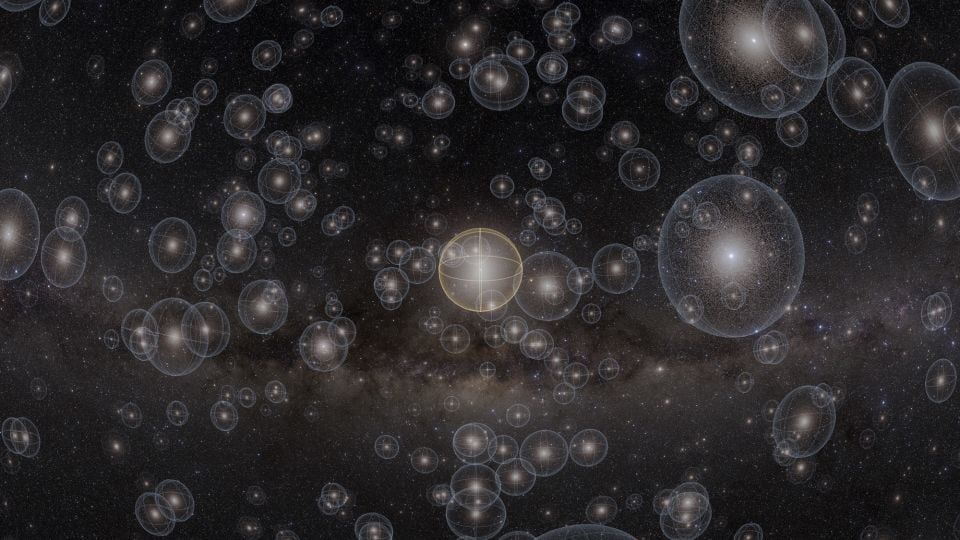
An accidental discovery during a planetarium show revealed a spiral structure in the Oort Cloud, challenging the traditional view of it as a spherical shell. This spiral, caused by the galactic tide affecting distant icy bodies, could reshape our understanding of the solar system's outer regions, although confirming this will be challenging with current technology.
An accidental discovery during a planetarium show revealed a spiral structure within the Oort Cloud, challenging the traditional view of it being spherical. This spiral, confirmed through simulations, is caused by the galactic tide affecting the distant icy bodies, offering new insights into the dynamics of our solar system and its broader galactic environment.
Scientists gained new insights into the outer solar system from a planetarium show, where a spiral pattern resembling the Milky Way was observed in a model of the Oort Cloud, suggesting new features of this distant region filled with comets.
An accidental discovery during a planetarium show revealed a spiral structure in the Oort Cloud, challenging previous assumptions and suggesting a more complex, dynamic outer solar system influenced by galactic forces, with implications for understanding comet trajectories and solar system history.
Scientists unexpectedly discovered a spiral shape in the Oort Cloud while preparing a planetarium show, challenging previous ideas about its shape and offering new insights into the outer solar system, through a fortunate accident during the show's development.