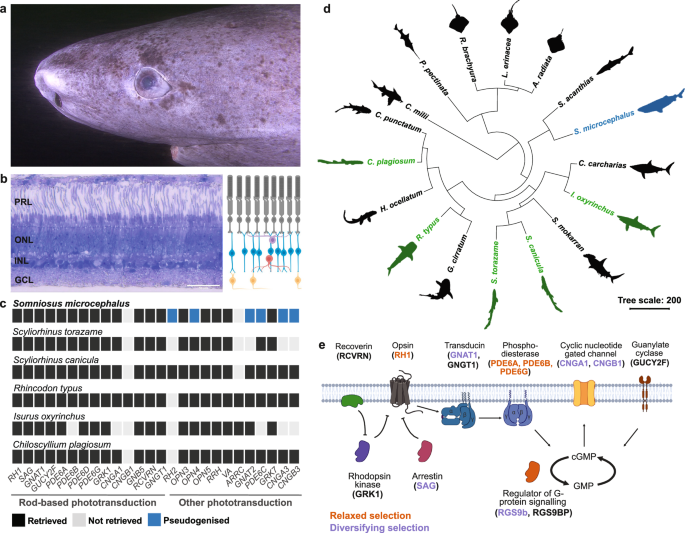
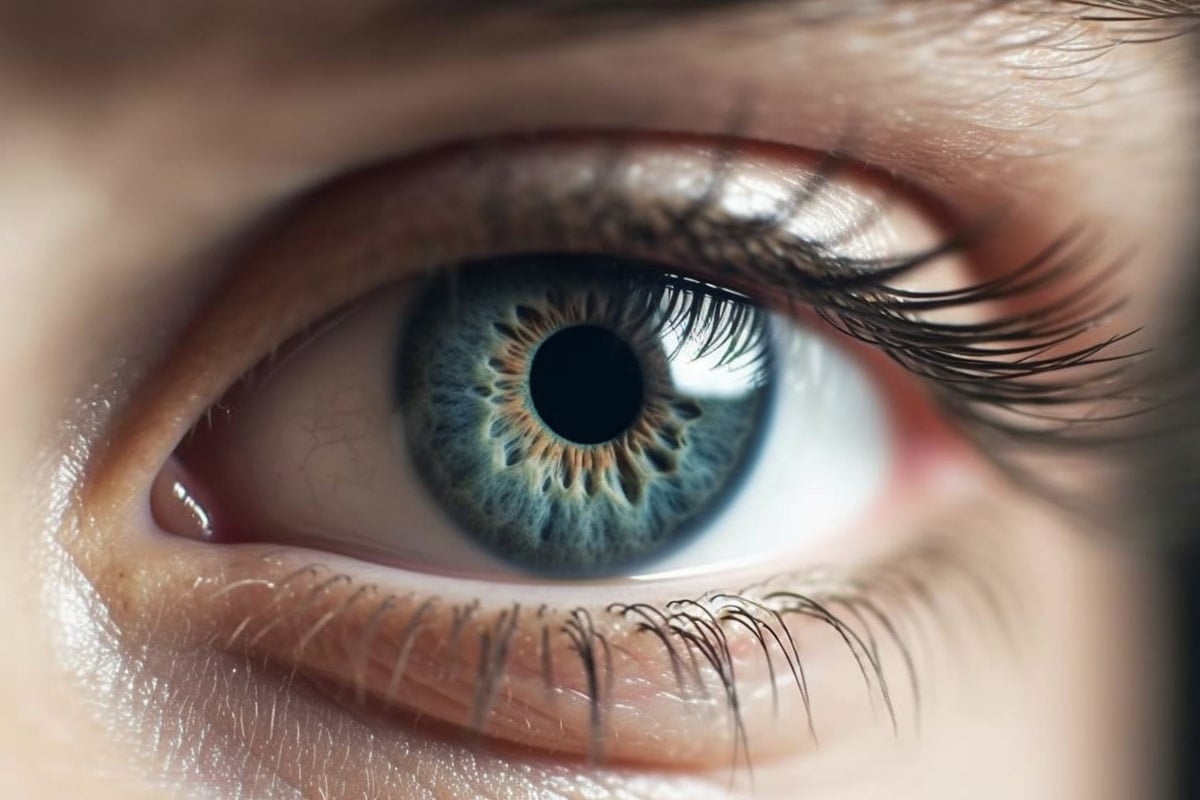
The Greenland shark, the longest-living vertebrate with an estimated lifespan of up to 400 years, retains a functional rod-based visual system adapted for deep-sea, low-light environments, supported by genomic, histological, and spectrophotometric evidence, despite parasitism and extreme longevity.
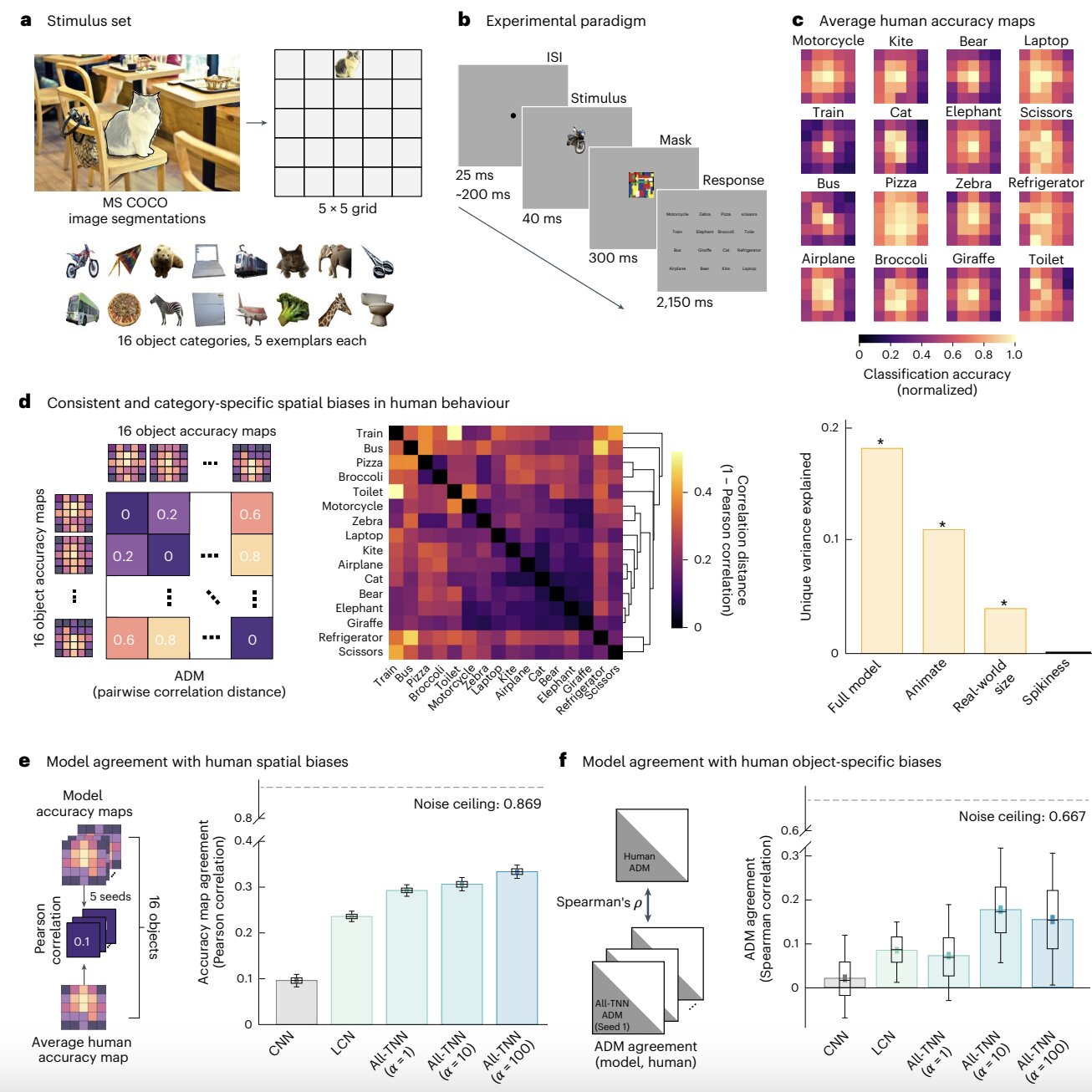
Researchers have developed all-topographic neural networks (All-TNNs) that better mimic the human visual system than traditional CNNs, capturing spatial and behavioral aspects of human vision more accurately, which could enhance neuroscience and psychology studies.
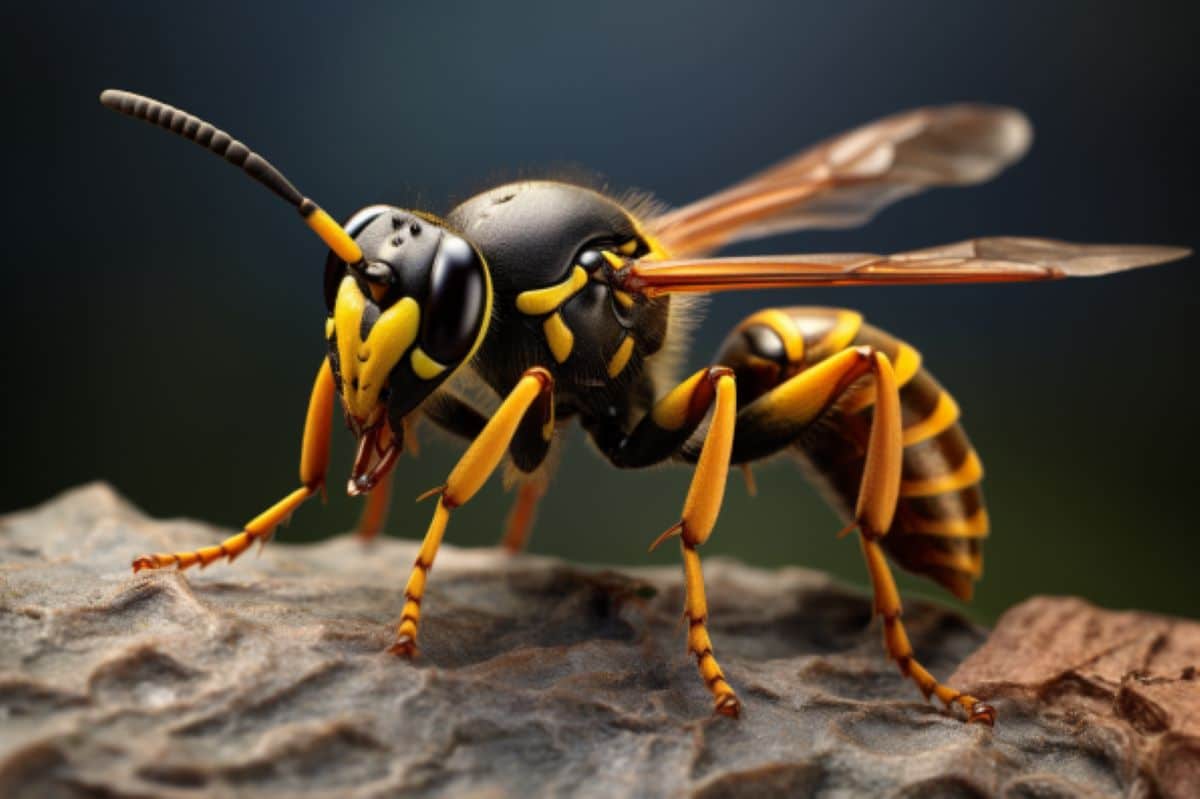
Neuroscientists have successfully mapped the early visual system of a parasitic wasp, Megaphragma viggianii, at the synaptic level, marking the first time such a system has been fully reconstructed from a single specimen. Despite its tiny brain size of only 8,600 cells, the wasp exhibits complex behaviors like flight. The research not only enhances understanding of neural principles but also holds potential for improving artificial intelligence by applying the principles learned from simpler neural systems. The study provides insights into the visual processing of the wasp and reveals the potential for further mapping of its brain to understand complex behaviors.
New research from Cornell University suggests that the visual system of male fruit flies plays a significant role in their social behaviors, in addition to chemical receptors. By altering the GABARAP/GABAA receptor signaling in the visual feedback neurons of male fruit flies, researchers found that the flies exhibited unexpected courtship behavior towards other males. The study provides insights into the possible origins of differences in human social behaviors and offers a promising avenue for investigating the role of similar genes in the human brain and their contribution to psychiatric conditions such as autism and schizophrenia.
New research challenges the belief that fruit flies rely solely on chemical receptors for social interactions, revealing that their visual system also plays a crucial role. By manipulating the visual feedback neurons in male fruit flies, scientists found that their social inhibitions were altered, leading to courtship between males. This discovery sheds light on the potential origins of differences in human social behaviors, including those seen in individuals with bipolar disorder and autism. Genes similar to those controlling fruit fly visual neurons are found in the human brain, offering insights into the regulation of social behaviors and psychiatric conditions.
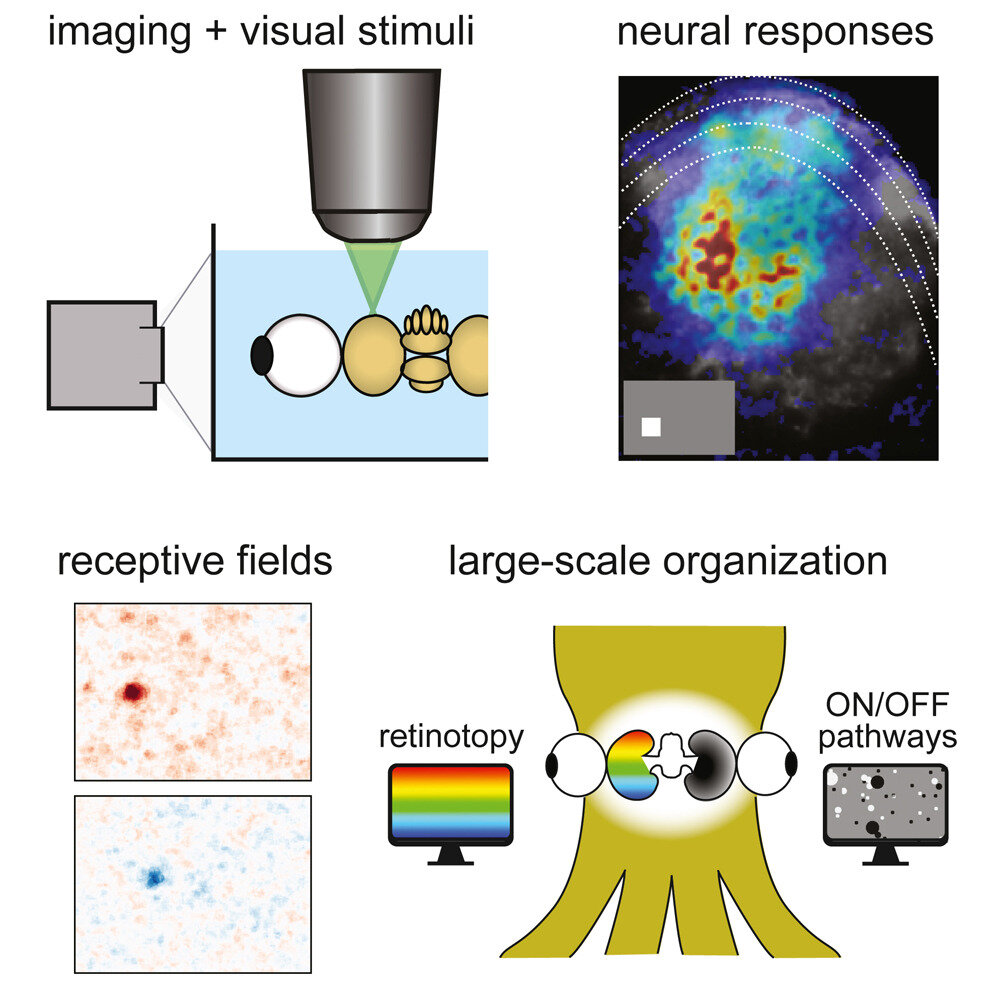
Scientists have recorded neural activity from the visual system of an octopus for the first time, creating a map of the octopus's visual field by directly observing neural activity in the animal's brain in response to light and dark spots in different locations. The map of the neural activity in the octopus visual system looks a lot like what's seen in the human brain, even though octopuses and humans last shared a common ancestor some 500 million years ago, and octopuses have evolved their complex nervous systems independently.
A recent study conducted by researchers from the University of York and Aston University reveals that the human visual system can be tricked into making inaccurate assumptions about the size of objects in the surrounding world. By blurring parts of images, participants misperceived full-scale railway scenes as smaller than their model counterparts, indicating that our perception of object size can be influenced and sometimes misled by factors such as ‘defocus blur.’ The findings not only reveal the flexibility of the human visual system but also its susceptibility to mistakes, hinting at profound implications for everyday situations, from driving to criminal justice.