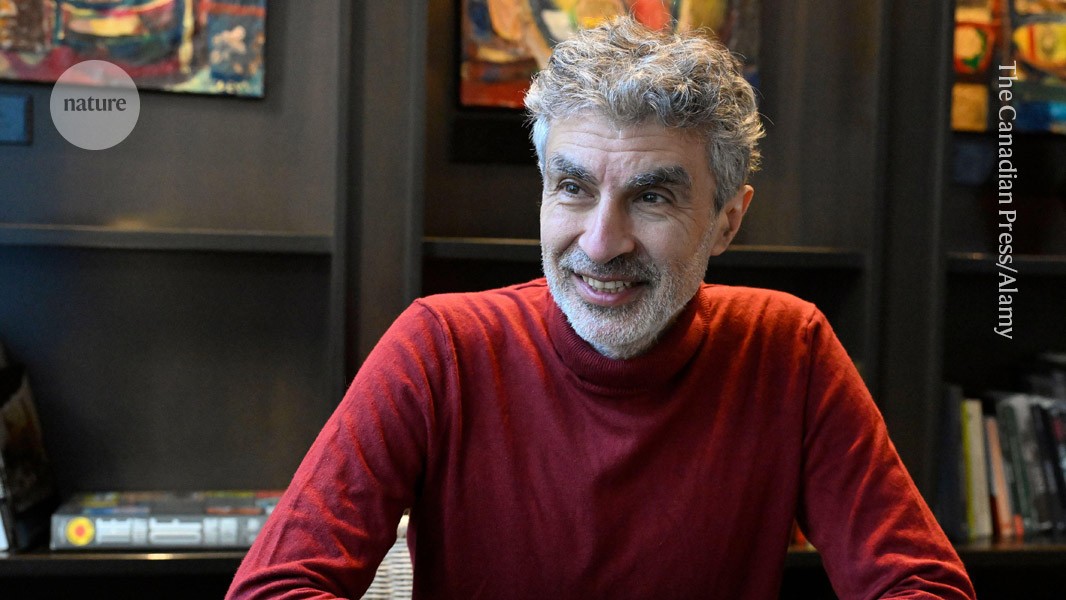
Yoshua Bengio, a pioneer in AI and machine learning, has become the first researcher to be cited over one million times on Google Scholar, highlighting his influential work on neural networks and the rapid growth of AI technology.
Research using AI and eye-tracking data reveals that super-recognisers excel at face identification not just by looking more broadly, but by sampling more valuable facial features, which enhances their recognition ability beyond mere quantity of visual information.
Researchers at the University of Surrey have developed a brain-inspired approach called Topographical Sparse Mapping to enhance AI performance and efficiency by mimicking the human brain's neural wiring, reducing energy consumption and improving sustainability in AI models.
Scientists have developed a working computer memory using shiitake mushroom mycelium, demonstrating a low-cost, scalable, and eco-friendly alternative to silicon-based memristors with performance comparable to traditional chips, opening new avenues for biological and neural-inspired computing.
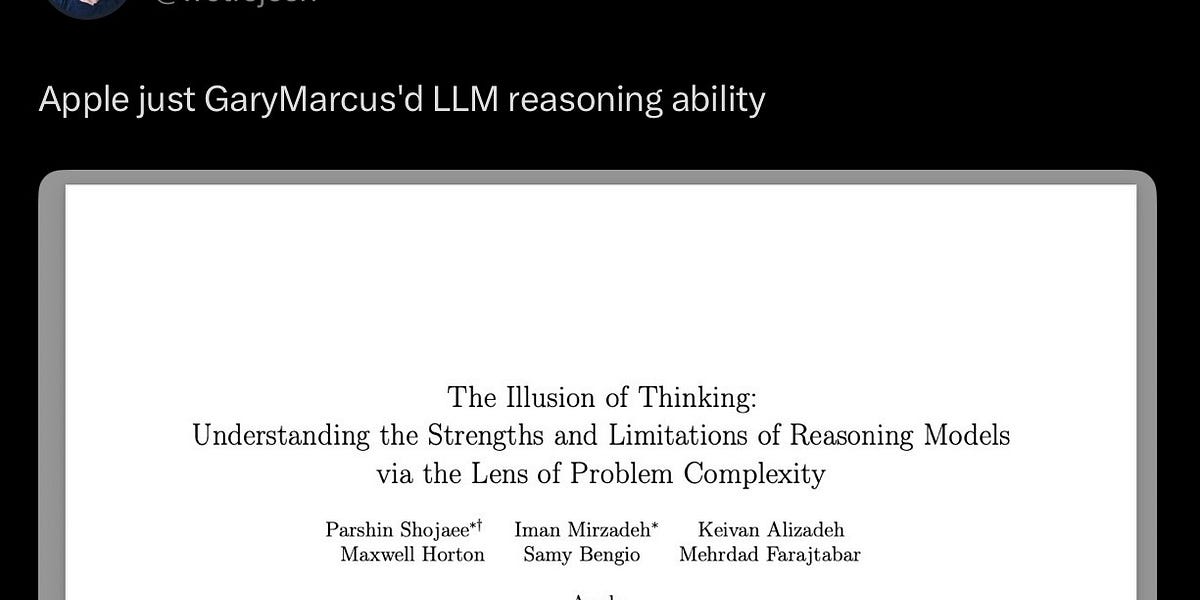
Recent developments and expert opinions suggest that achieving Artificial General Intelligence (AGI) with current Large Language Models (LLMs) is unlikely in the near future, as fundamental challenges like distribution shift remain unresolved and recent AI advancements have fallen short of expectations.
The article argues that in science fiction like Star Trek, computers are depicted as intelligent entities that understand human needs and respond directly without the need for programming or algorithms, suggesting that programming as a craft may become obsolete as AI advances. It highlights how AI in sci-fi is portrayed as autonomous and intuitive, contrasting with current programming practices, and speculates on the future role of programmers.
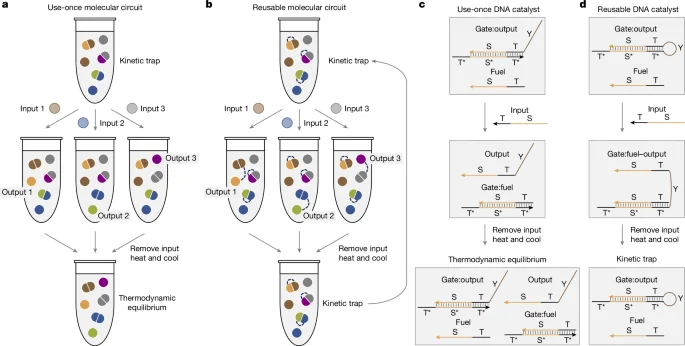
The article presents a novel enzyme-free DNA circuit architecture that uses heat to reset and recharge molecular systems, enabling sustainable, out-of-equilibrium computation, neural networks, and logic gates without waste build-up, scalable to complex systems like a 100-bit neural network for digit classification.
Researchers have developed neural cellular automata (NCAs) that can reverse-engineer rules to self-assemble into desired shapes and regenerate after damage, mimicking biological processes and offering potential applications in medicine, engineering, and computing.
The article examines past AI winters caused by overhyped expectations and subsequent disillusionment, drawing parallels with current AI developments. Historically, AI hype cycles, fueled by ambitious claims and limited technological progress, led to funding cuts and skepticism. Today, despite massive private investment and widespread deployment, challenges such as unreliable models and high costs suggest a potential new AI winter, echoing past cycles. The future of AI remains uncertain, hinging on whether current enthusiasm can be sustained or if similar setbacks will occur.
The article discusses the resurgence of 'world models' in AI research, a concept dating back to the 1940s, which involves creating internal representations of the environment to improve AI decision-making and robustness. While early attempts relied on handcrafted models, modern deep learning approaches aim to develop these models automatically, though current systems often rely on heuristics rather than coherent representations. Developing effective world models is seen as crucial for advancing AI safety, reliability, and interpretability, with various approaches being explored to achieve this goal.
MIT researchers have developed the first provably efficient algorithm for machine learning with symmetric data, which can improve model accuracy and reduce resource requirements by effectively incorporating symmetry into the training process, with applications spanning from drug discovery to climate analysis.
The world's first commercial hybrid of silicon circuitry and human brain cells, called CL1, developed by Cortical Labs and bit.bio, will soon be available for rent, offering a low-energy, adaptable platform for medical research and neuroscience, with units costing $35,000 or $300 weekly for remote access.
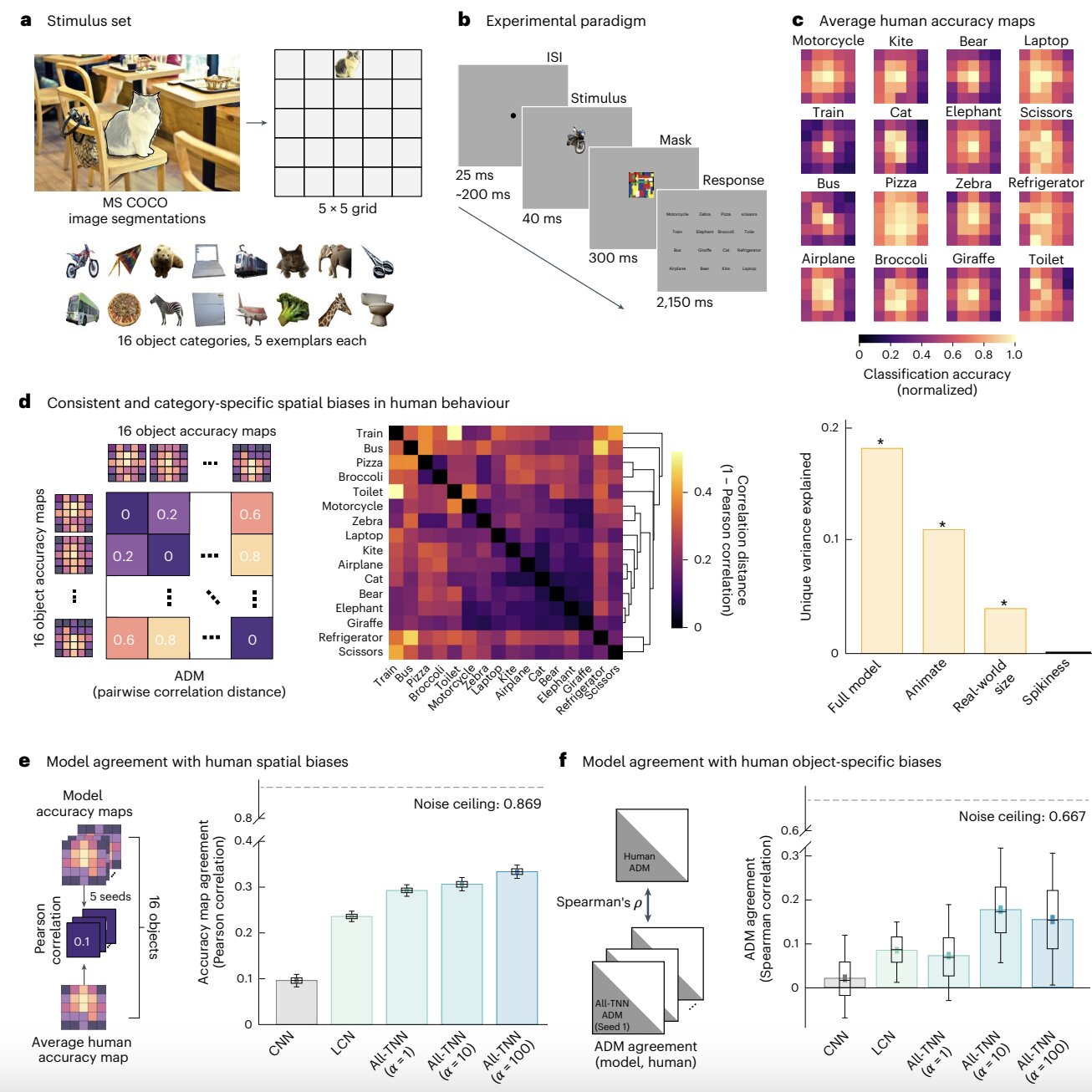
Researchers have developed all-topographic neural networks (All-TNNs) that better mimic the human visual system than traditional CNNs, capturing spatial and behavioral aspects of human vision more accurately, which could enhance neuroscience and psychology studies.
The article explains 52 essential AI terms, highlighting AI's integration into daily life and its potential to reshape economies, emphasizing concepts like AGI, neural networks, generative AI, and ethical considerations, to help readers understand the rapidly evolving AI landscape.
A study by MIT reveals that humans use flexible strategies like hierarchical and counterfactual reasoning to solve complex problems, such as predicting a ball's path in a maze, by breaking tasks into manageable steps and revising choices based on memory reliability. These strategies are influenced by individual memory capacity and task demands, and are mirrored by neural network models under similar constraints.