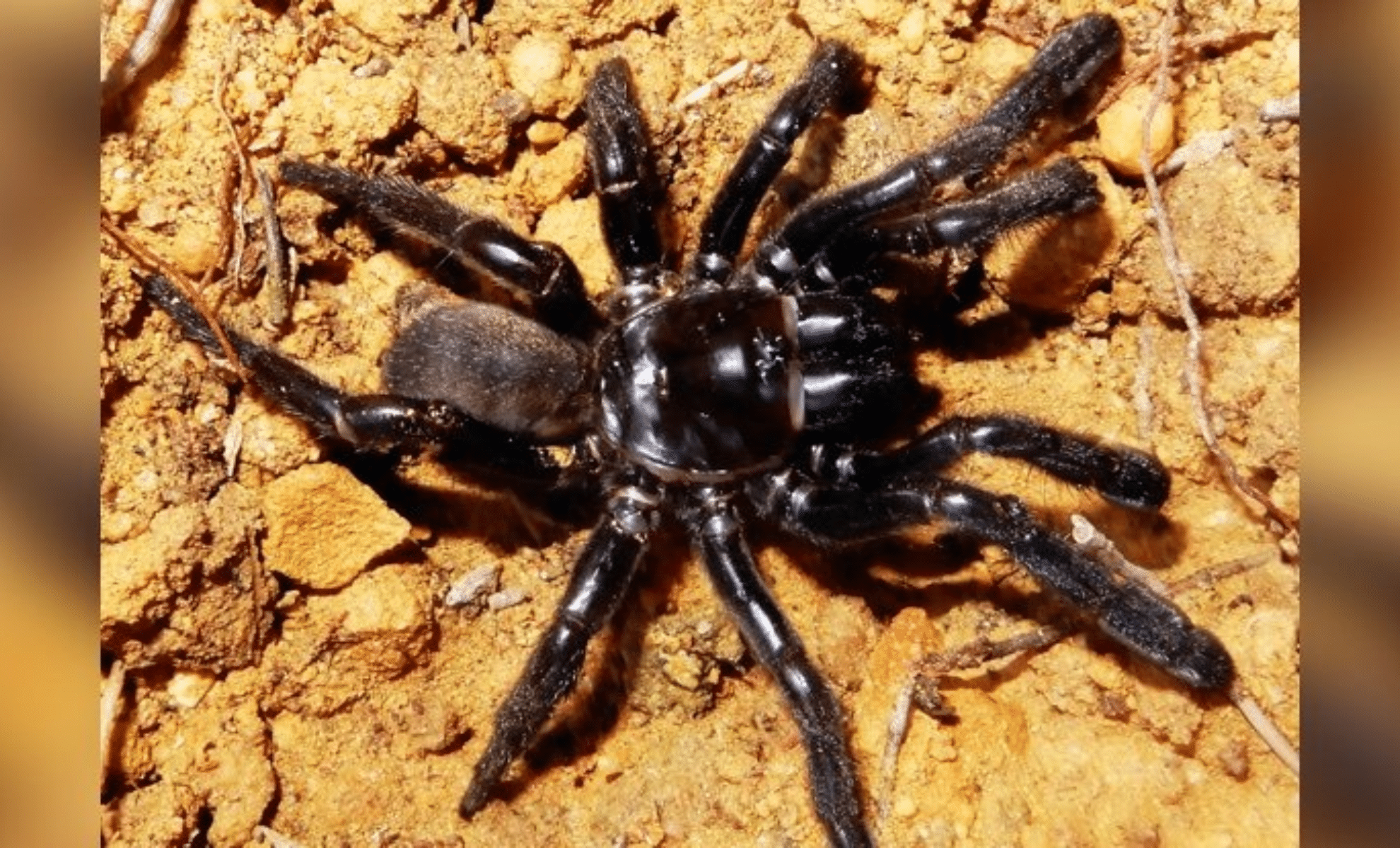
Number 16, a Gauis villosus spider in Western Australia, lived a record-breaking 43 years due to its sedentary lifestyle, low metabolism, and undisturbed habitat, but died from a parasitic wasp, highlighting both resilience and vulnerability in nature.
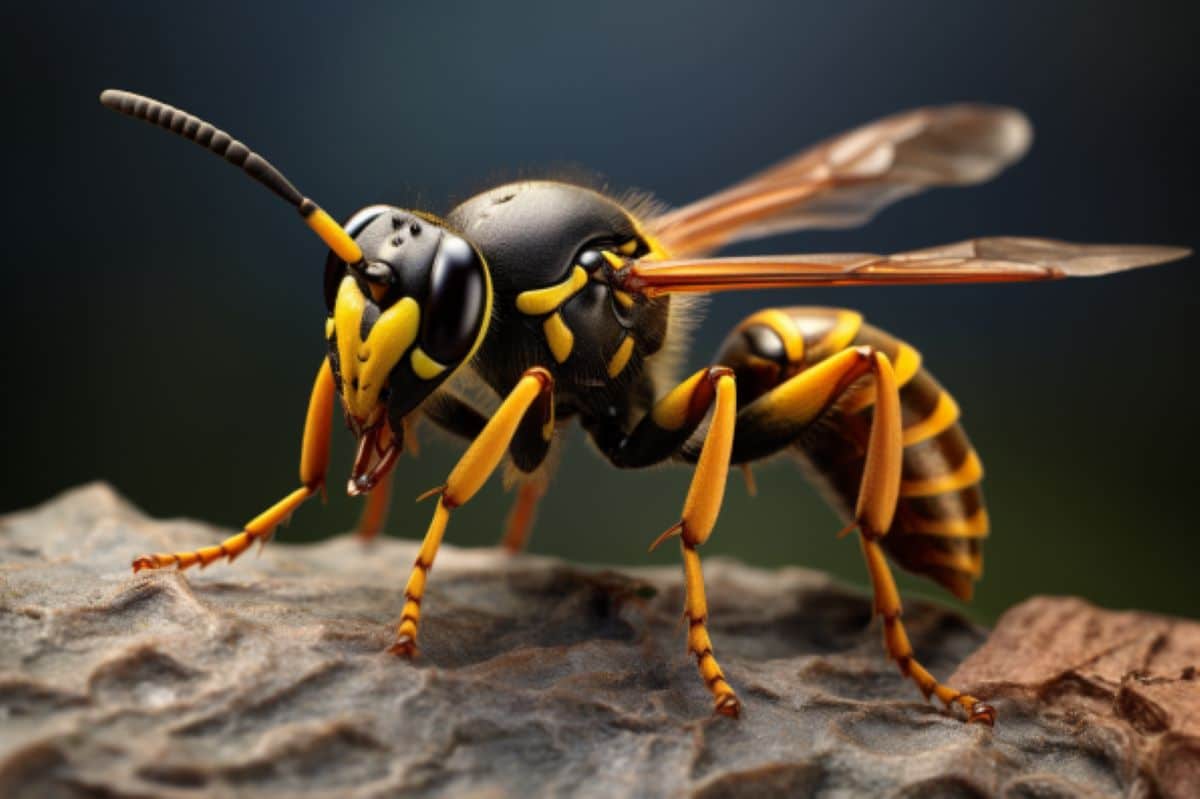
A parasitic wasp species, Bootanomyia dorsalis, has been documented in the U.S. for the first time, likely arriving via non-native oak plantings or air travel. It targets oak gall wasps, laying eggs in their galls, which could impact local ecosystems, though it poses no direct threat to humans.
Neuroscientists have successfully mapped the early visual system of a parasitic wasp, Megaphragma viggianii, at the synaptic level, marking the first time such a system has been fully reconstructed from a single specimen. Despite its tiny brain size of only 8,600 cells, the wasp exhibits complex behaviors like flight. The research not only enhances understanding of neural principles but also holds potential for improving artificial intelligence by applying the principles learned from simpler neural systems. The study provides insights into the visual processing of the wasp and reveals the potential for further mapping of its brain to understand complex behaviors.
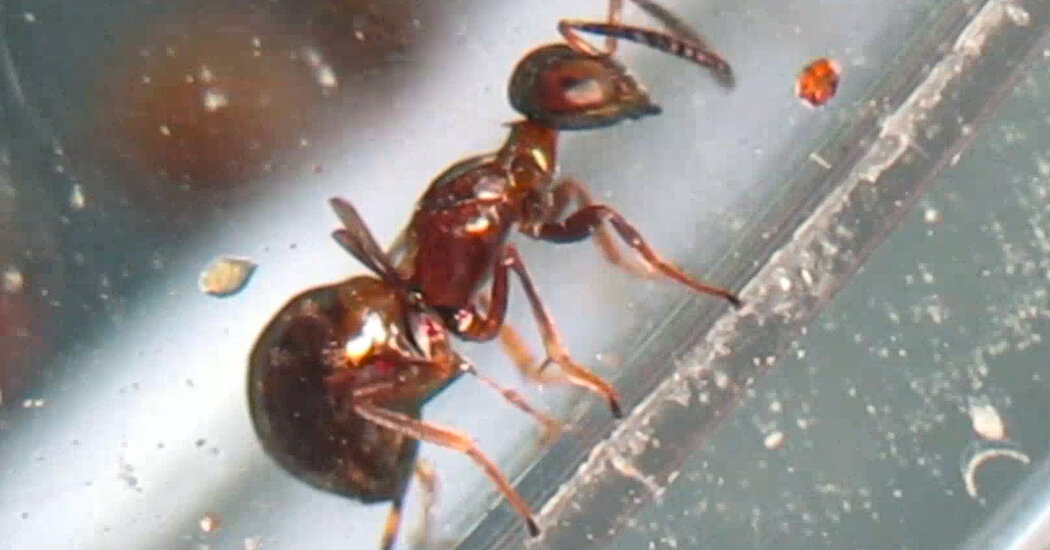
Matvey Nikelshparg, a teenage researcher, discovered that a species of parasitic wasp called Eupelmus messene has the ability to drill through plastic using its ovipositor. Nikelshparg observed the wasp drilling through a petri dish and laying an egg outside of the container. Further experiments revealed that some wasps could drill holes in plastic even when a suitable host was present. The drilling process involved rotating the ovipositor in both directions and using rhythmic upward motions to withdraw it. This discovery raises questions about the wear and tear on the ovipositor and why other related species do not exhibit the same behavior. The study may have implications for understanding other insects' puncturing tools and could inspire the development of new human tools.