A study suggests that drinking instant coffee, especially in individuals with certain genetic predispositions, may increase the risk of developing dry age-related macular degeneration (AMD), a leading cause of vision loss, highlighting the importance of lifestyle and dietary choices in eye health.

A 26-year-old police officer in Pennsylvania died by suicide after severe complications from LASIK surgery, which caused lasting vision problems and a decline in quality of life. His family blames the surgery for his death and highlights the potential risks of LASIK, raising awareness about the importance of understanding these risks before undergoing the procedure.
Nighttime driving can become more challenging as we age due to various eye conditions such as dry eye, presbyopia, cataracts, age-related macular degeneration, and glaucoma. Strategies for improving nighttime vision include regular eye exams, wearing prescription glasses or contact lenses if advised, following the 20/20/20 rule for screen time, and avoiding direct glare from headlights. It's important to partner with a physician for better nighttime driving and to take precautions such as cleaning windshields, using fog lamps, and wearing prescription glasses with an anti-reflection coating.
A cluster of cases in southwest Michigan revealed a startling diagnosis: five women had ocular syphilis, a complication of the sexually transmitted disease, after having sex with the same man who had syphilis. The surge in syphilis cases in the U.S. has led to a "syphilis crisis" and an "epidemic," with possible reasons including a rise in substance use and decreased condom use. Ocular syphilis can lead to blindness and is often missed by many ophthalmologists, but can be treated with intravenous antibiotics if caught early. It's important for everyone to be aware of the rising incidence of STDs and to get checked for any vision problems to rule out eye syphilis or other sexually transmitted diseases.
Gen Zers are facing a potential epidemic of near-sightedness due to excessive screen time and lack of sunlight exposure, leading to serious vision problems and even blindness, according to a leading eye surgeon. The pandemic has exacerbated this trend, with studies showing a strong link between time spent outdoors and lower risk of near-sightedness. Experts are urging parents to limit screen time and encourage outdoor activities to mitigate the risk of vision problems among young people.
Gen Zers are facing a potential blindness epidemic due to increased screen time and lack of sunlight exposure, leading to a significant rise in myopia rates. Experts warn that the lack of natural sunlight and excessive screen time are causing serious vision problems, with near-sightedness increasing by 46% in the UK and 59% among teenagers in the US. The pandemic has exacerbated this trend, and studies show that time spent outdoors is strongly linked to a lower risk of near-sightedness. Urgent action is needed to address this issue and prevent a future surge in vision-related health problems among young people.
A new study suggests that about 94% of people with a rare vision condition called posterior cortical atrophy also have Alzheimer’s disease pathology. This finding highlights the potential link between unusual vision problems and the onset of Alzheimer's. Researchers emphasize the need for greater clinical awareness of this condition to facilitate earlier diagnosis of Alzheimer’s disease, as well as access to appropriate treatments and care planning.
A new study has found that strange visual disturbances, known as posterior cortical atrophy (PCA), occur early in about 10% of Alzheimer's cases and almost always signal the impending arrival of the disease. Researchers at the University of California, San Francisco (UCSF) analyzed data on over 1,000 patients and found that 94% of those experiencing PCA went on to develop Alzheimer's disease, while the remaining 6% developed other dementias. The study suggests that PCA could serve as an early indicator for Alzheimer's and may point to patients who could benefit from newly approved Alzheimer's medications targeting tau protein.
A new study published in Lancet Neurology reveals that a lesser-known variant of Alzheimer’s disease, called posterior cortical atrophy (PCA), often begins with vision problems rather than memory issues. The study found that PCA patients are typically diagnosed about four years after the onset of symptoms, and the condition may account for as many as 10 percent of all Alzheimer’s cases. Greater awareness of PCA could lead to earlier diagnosis and inclusion of these patients in clinical trials, potentially improving treatment options for this less common variant of Alzheimer's.
Attendees of Yuga Labs' ApeFest event in Hong Kong have reported experiencing eye pain, burns, and vision loss, which they attribute to improper lighting. Some attendees who were in close proximity to the stage lighting display reported the most severe symptoms. At least 15 reports of vision damage have appeared on social media. Yuga Labs has not yet responded to requests for comment. This is not the first time partygoers in Hong Kong have experienced medical issues due to exposure to improper UV lighting at an event. The reported symptoms align with a condition called photokeratitis, caused by prolonged exposure to high levels of UV radiation.
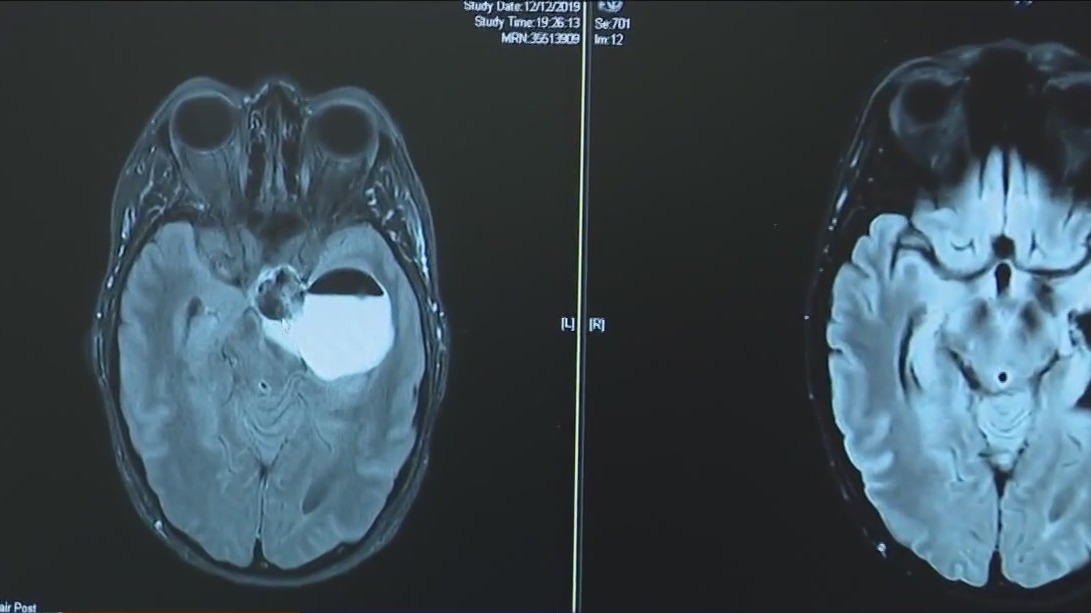
Michelle Preng, a woman from Sugar Land, Texas, underwent brain surgery after experiencing severe anxiety, memory loss, and vision problems. Initially diagnosed with stress and a vitamin deficiency, Michelle's symptoms worsened, leading her to seek a neurologist's help. Testing revealed a baseball-sized tumor in her brain. Dr. Nitin Tandon at UTHealth Houston and Memorial Hermann successfully removed most of the tumor during a ten-hour procedure. Michelle's memory was a concern, but her friends created an online memory book to help her recover. After a year of recovery, Michelle's tumor is shrinking, and she feels better than ever.
Your eyes can provide valuable insights into your overall health. Regular eye exams and retinal scans can help detect conditions such as heart disease, high blood pressure, diabetes, high cholesterol, autoimmune disorders, and vitamin deficiencies. Changes in the eyes, such as blood vessel damage, colored deposits, or dryness, may indicate underlying health issues. Additionally, excessive screen time can cause eye strain. Taking breaks and following the 20-20-20 rule can alleviate symptoms. Managing your health includes maintaining a healthy lifestyle, getting regular physical activity, and staying on top of recommended eye exams and screenings.
Practicing daily habits can improve your eye health and reduce the risk of vision problems. Wearing sunglasses can protect against harmful UV rays, while taking regular breaks from screens and books can prevent eye strain. Exercise promotes healthy blood vessels and lowers the risk of glaucoma and diabetic retinopathy. Spending time outdoors can reduce the risk of nearsightedness. Avoiding smoking and eating a balanced diet rich in vitamins and nutrients can also benefit eye health. Additionally, refraining from rubbing your eyes, washing your hands regularly, and removing eye makeup before bed can help maintain good eye health.
Doctors are warning against using castor oil as a treatment for vision problems, despite claims on TikTok. While castor oil has been used for various purposes, including as a laxative and moisturizer, it is not recommended for use in the eyes. TikTokers have been promoting the use of castor oil to treat issues like dryness, cataracts, and glaucoma, but experts emphasize that there is limited evidence to support these claims. Castor oil may contain ingredients that can cause irritation or infection, and using it in the eyes can have adverse effects. It is important to consult an ophthalmologist for proper eye care and treatment.