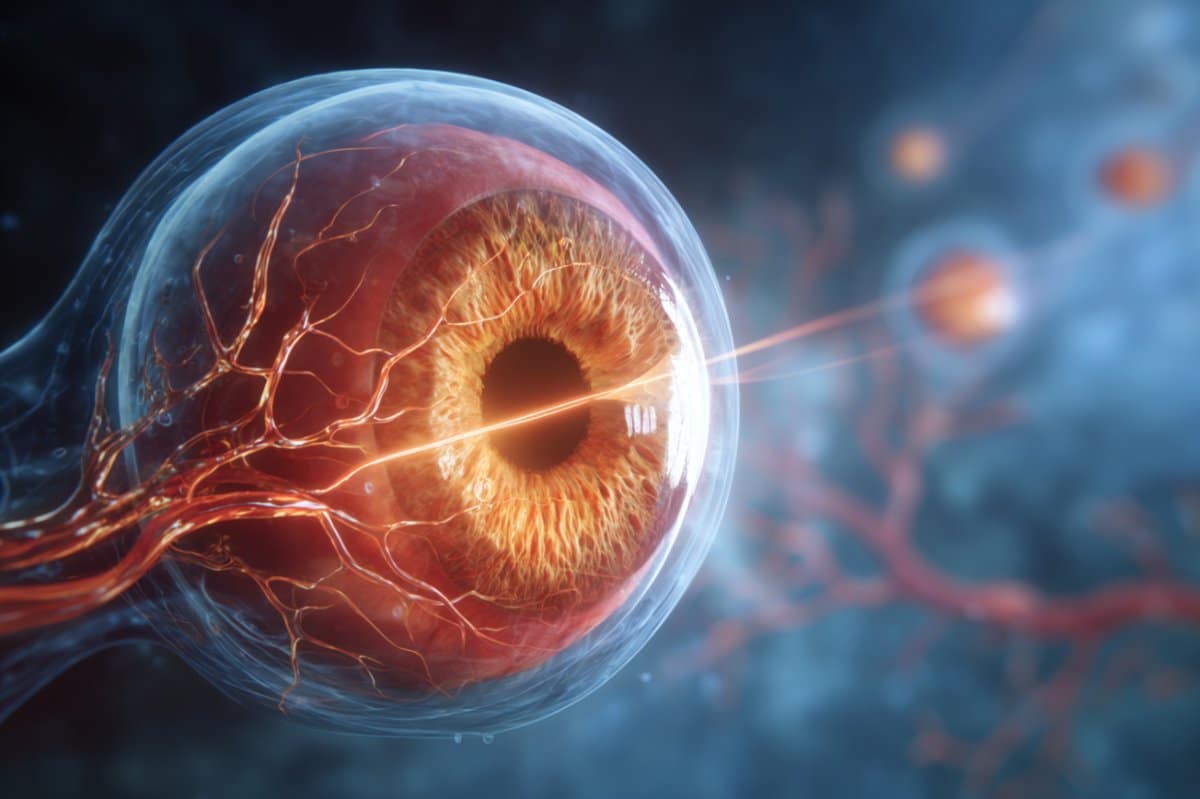
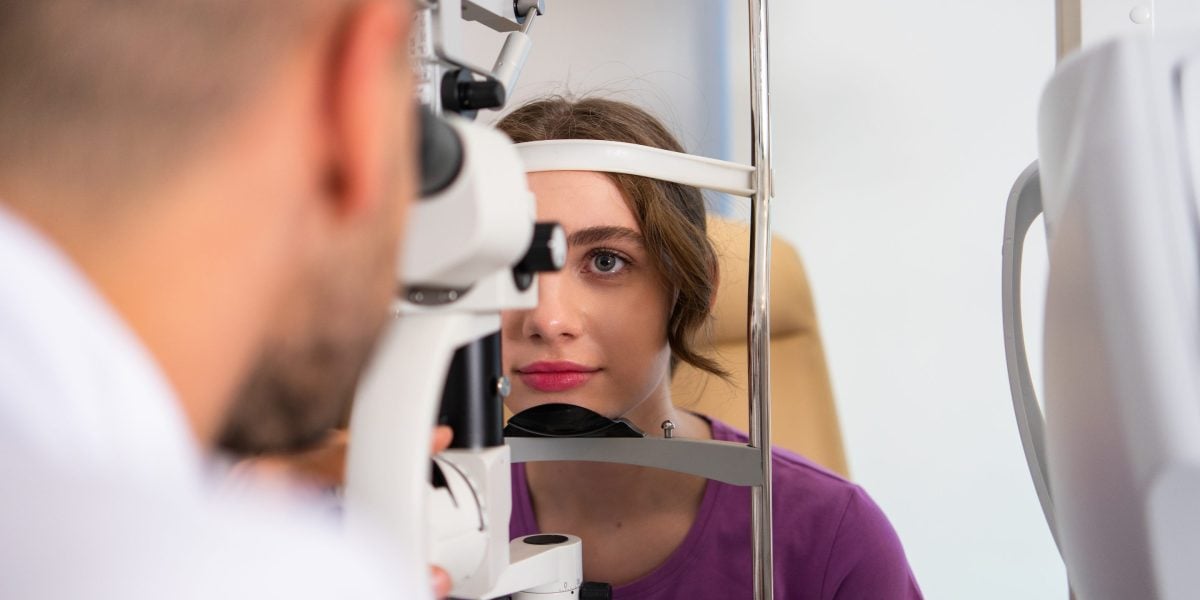
Routine eye exams, especially retinal imaging like OCT scans, can reveal early signs of heart disease by detecting vascular changes in the retina, enabling earlier intervention and prevention of serious cardiovascular events.
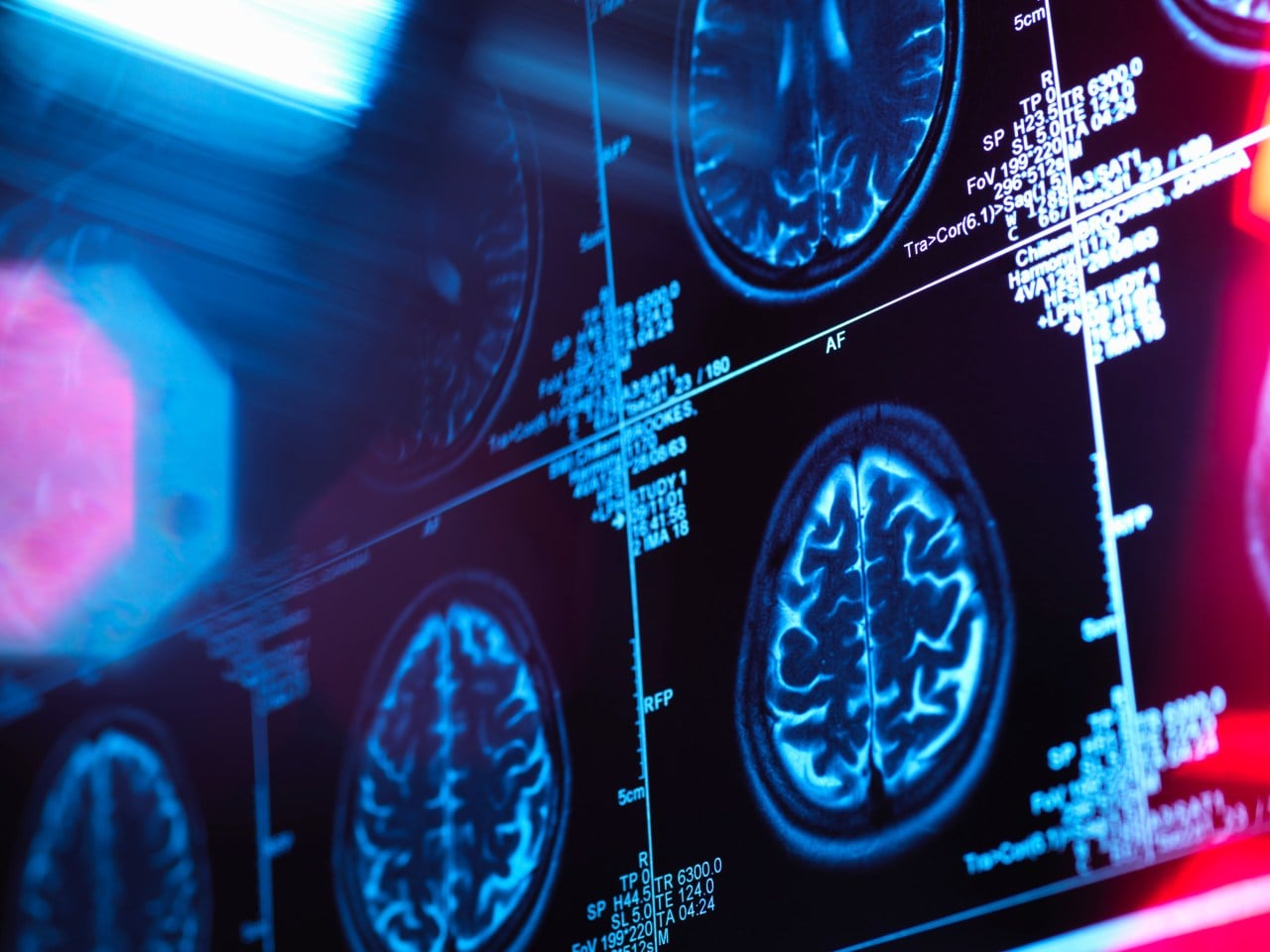
Research suggests that routine eye exams could detect early signs of Alzheimer's disease by identifying abnormal retinal blood vessel changes linked to genetic risk factors, potentially decades before symptoms appear, highlighting the retina's role as a window into brain health.
Eye doctors recommend avoiding sleeping in contact lenses, ignoring eye exams, staring at screens without breaks, ignoring sudden vision changes, leaving makeup on overnight, looking directly at the sun, smoking or vaping, rinsing contacts with tap water, eating an unbalanced diet, and neglecting eye lubrication to maintain healthy eyes and prevent serious issues as we age.
Eye doctors advise against sleeping in contact lenses, ignoring sudden vision changes, staring at the sun, smoking, and neglecting regular eye exams. They emphasize the importance of proper contact lens hygiene, protecting eyes from UV damage, maintaining a balanced diet, and seeking prompt medical attention for eye issues to prevent serious damage and preserve vision.
Artificial intelligence algorithms are revolutionizing eye exams for diabetic retinopathy, offering quick diagnoses without the need for a doctor's presence. This technology has shown significant benefits for both patients and providers, providing immediate results, cost savings, and convenience. Despite some concerns about potential downsides, such as missing other diseases and over-referring patients, the AI system has proven to increase follow-up rates after positive results. With FDA-approved AI eye exams being adopted by hundreds of practices nationwide, the technology is expanding to include additional cameras and other eye diseases, positioning ophthalmology as a field where AI innovation is rapidly advancing.
Your eyes can provide valuable insights into your overall health. Regular eye exams and retinal scans can help detect conditions such as heart disease, high blood pressure, diabetes, high cholesterol, autoimmune disorders, and vitamin deficiencies. Changes in the eyes, such as blood vessel damage, colored deposits, or dryness, may indicate underlying health issues. Additionally, excessive screen time can cause eye strain. Taking breaks and following the 20-20-20 rule can alleviate symptoms. Managing your health includes maintaining a healthy lifestyle, getting regular physical activity, and staying on top of recommended eye exams and screenings.
Eye doctors warn against common habits that can harm eye health, including skipping eye exams, rubbing eyes, not wearing sunglasses enough, overusing the wrong eye drops, and sleeping or swimming in contact lenses. Routine eye exams are important to detect diseases that have no symptoms, while excessive eye rubbing can cause irreversible damage and increase the risk of infection. Sunglasses with 100% UVA and UVB blocking should be worn whenever spending time outdoors, and vasoconstrictor eye drops should be used sparingly. Contact lenses should be removed before sleeping or swimming to avoid infections and corneal ulcers.
A new study by Cedars-Sinai Medicine suggests that eye exams could help diagnose Alzheimer's disease earlier. Researchers found micoglia cells in the retinas of patients with mild brain impairment, indicating that they could be a key marker in diagnosing Alzheimer's disease early. Early diagnosis can help patients get treatment quicker and make them eligible for a wider variety of clinical trials. The hope is that eventually, patients will be able to get retinal scans that can help detect potential cognitive decline early.
A new study suggests that early signals of Alzheimer's disease can be detected through eye exams. Researchers at Cedars-Sinai Medical Center found an excess amount of amyloid beta 42, a protein that forms the "plaques" that build up in the brains of people with Alzheimer’s, in the retinas of patients with mild cognitive impairment and Alzheimer’s disease. The changes were also detected in patients who did not display any cognitive decline or had only very mild signs, indicating that retinal tests could help enable early diagnosis. The study could lead to the development of imaging techniques that allow for earlier and more accurate diagnosis of Alzheimer's disease.