Lizzo has shifted from a restrictive vegan diet to an intuitive eating approach, focusing on listening to her body's cravings, incorporating more protein and vegetables, and avoiding processed foods, which has contributed to her improved health and weight loss.
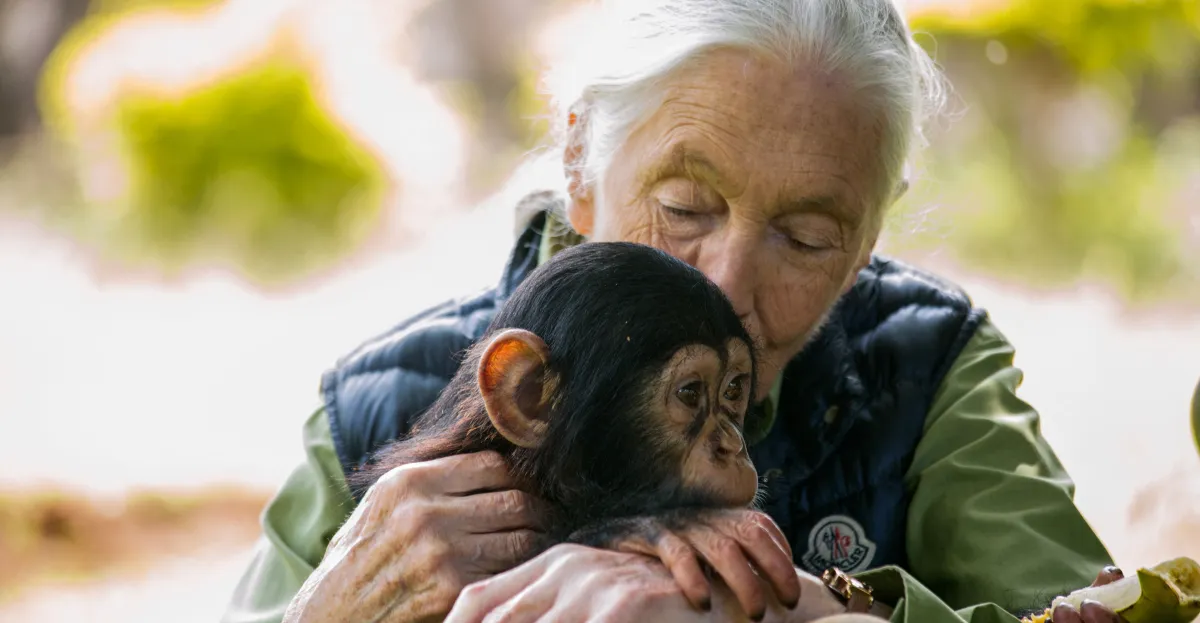
Jane Goodall, renowned for her work with chimpanzees, also used her influence to advocate for animal rights, veganism, and the abolition of factory farming, viewing these issues as moral imperatives beyond her scientific achievements.
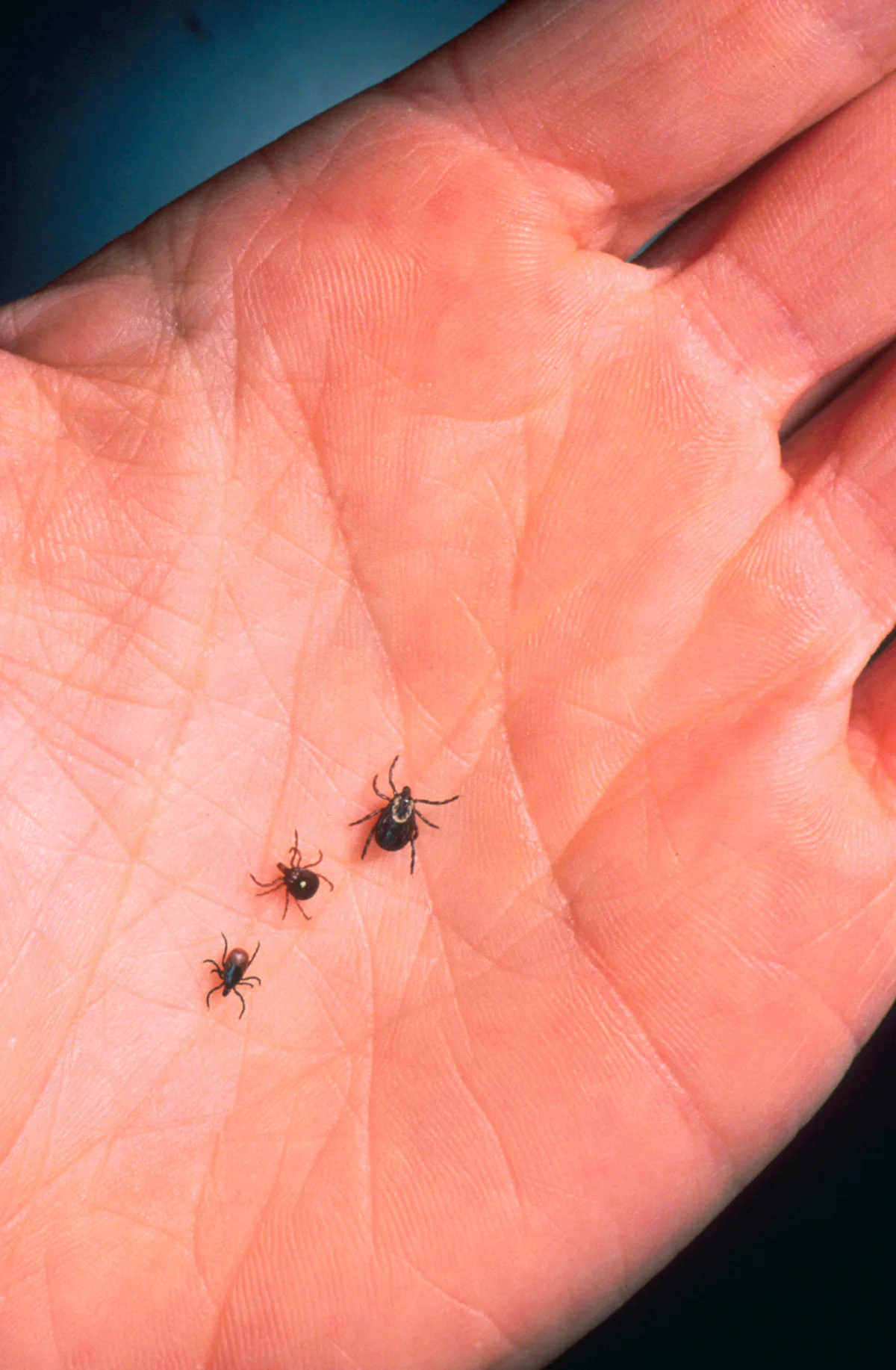
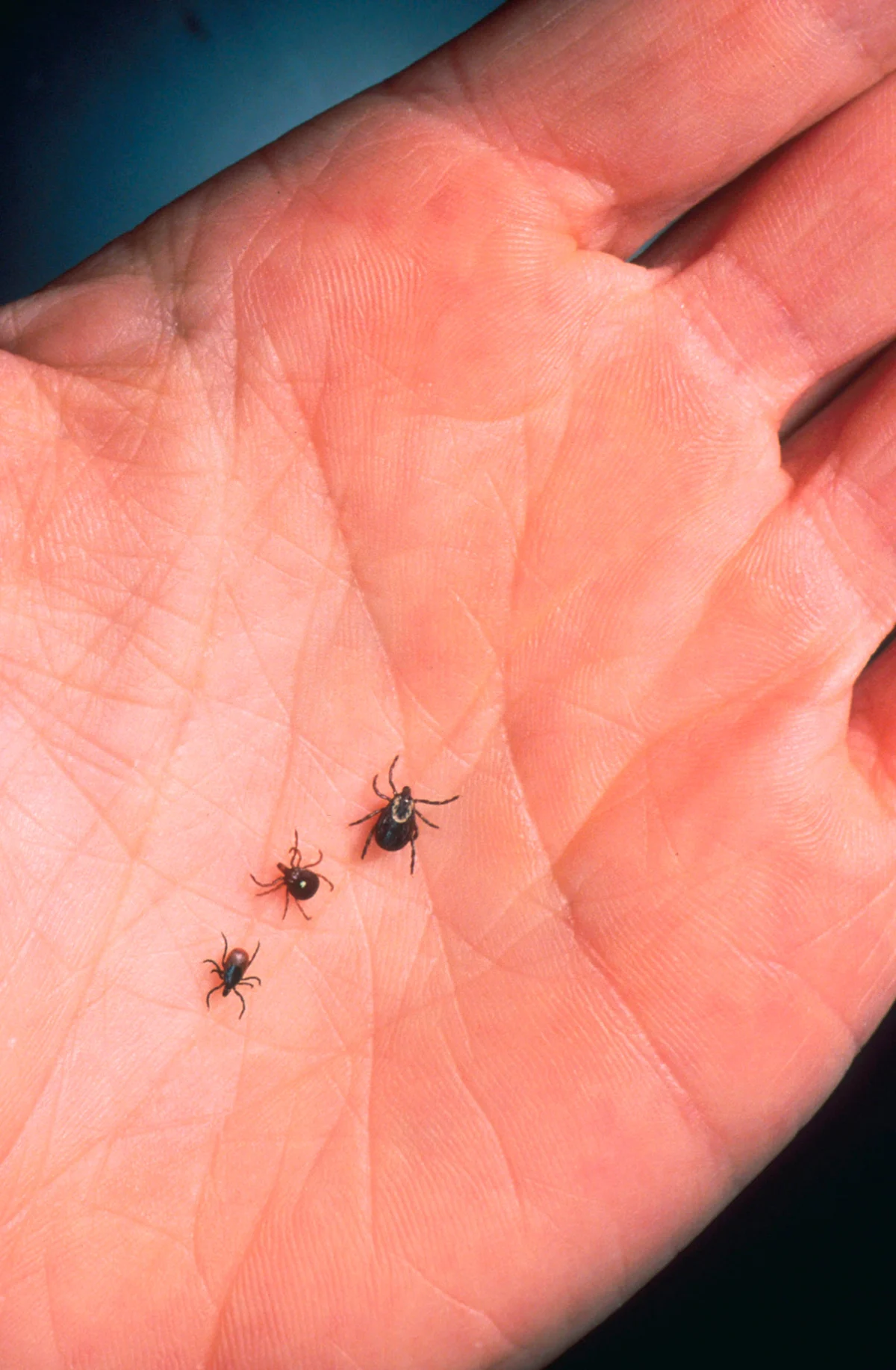
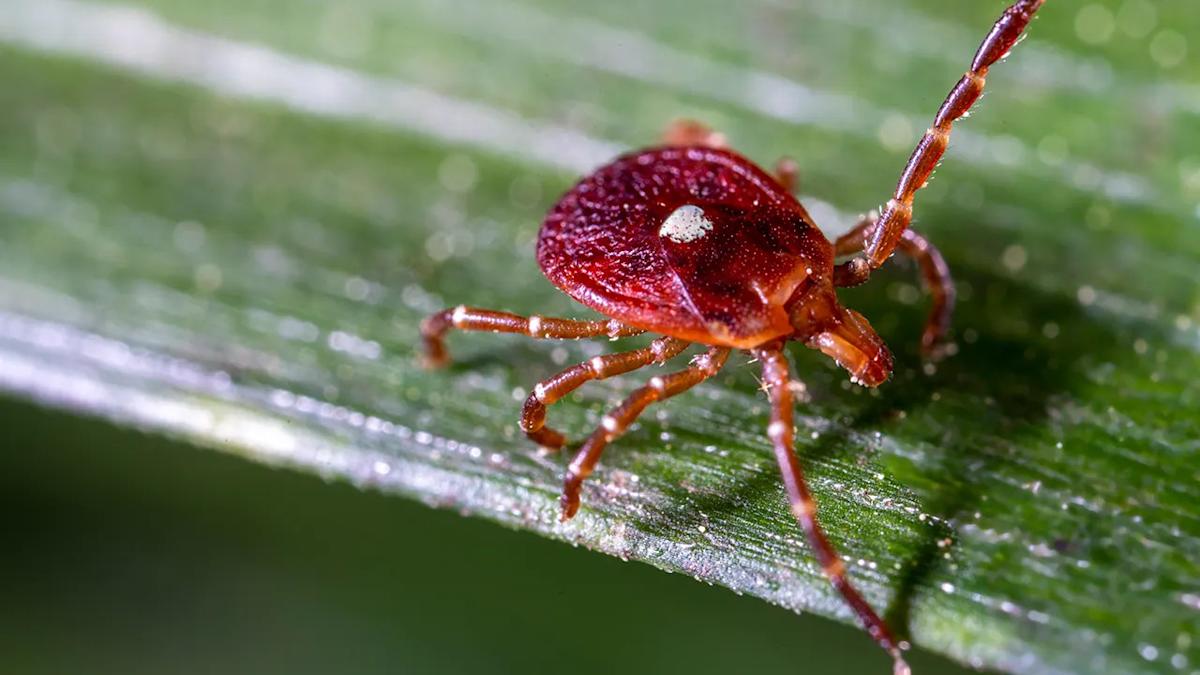
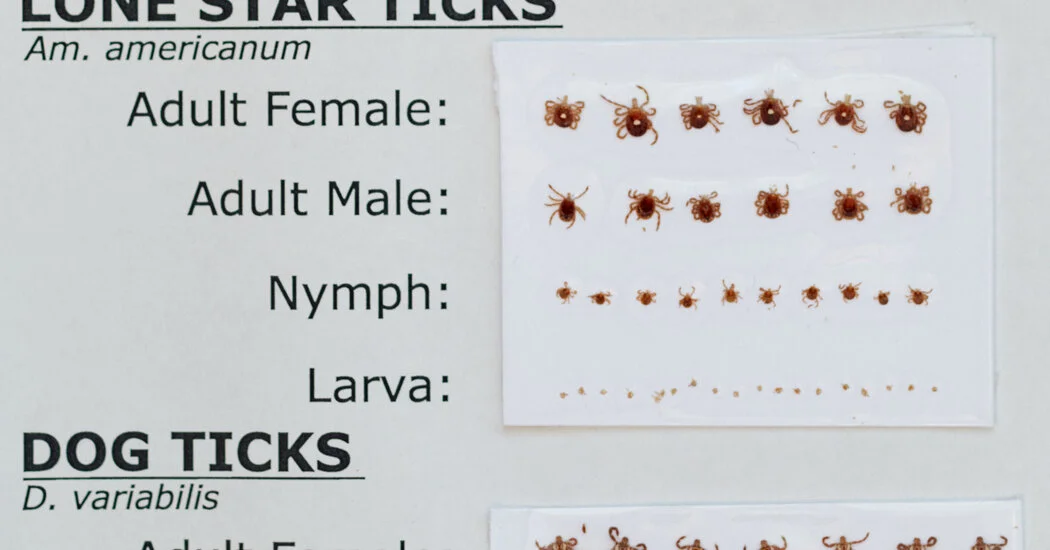
An increase in Lone Star tick populations on Martha’s Vineyard has led to a rise in alpha-gal syndrome, a severe allergy to red meat, prompting some meat-lovers to adopt vegan diets as a preventive measure, with no current cure available.
An increase in Lone Star tick populations on Martha’s Vineyard has led to a rise in alpha-gal syndrome, a severe allergy to red meat, prompting some meat-lovers to adopt vegan diets as a preventive measure, with no current cure available for the allergy.
Residents of Martha’s Vineyard are adopting vegan diets and altering their social habits due to a surge in tick-borne alpha-gal syndrome, which causes severe allergic reactions to red meat and dairy after tick bites, leading to a rise in plant-based eating and menu modifications on the island.
Martha's Vineyard is experiencing a rise in tick bites due to the spread of the lone star tick, leading to an increase in alpha-gal syndrome, a meat and dairy allergy, which is prompting some islanders to adopt vegan diets for health reasons.
Adopting a vegan, plant-based diet can significantly reduce the risk of various cancers and improve overall health by increasing fiber intake, reducing inflammation, and supporting immune function, despite common inconveniences and habits that hinder such dietary shifts.
Veganism in childhood can offer health and environmental benefits if carefully planned, but it requires attention to nutrients like B12, omega-3s, calcium, and iron to prevent deficiencies and support growth, with expert advice emphasizing the importance of supplementation and professional guidance.
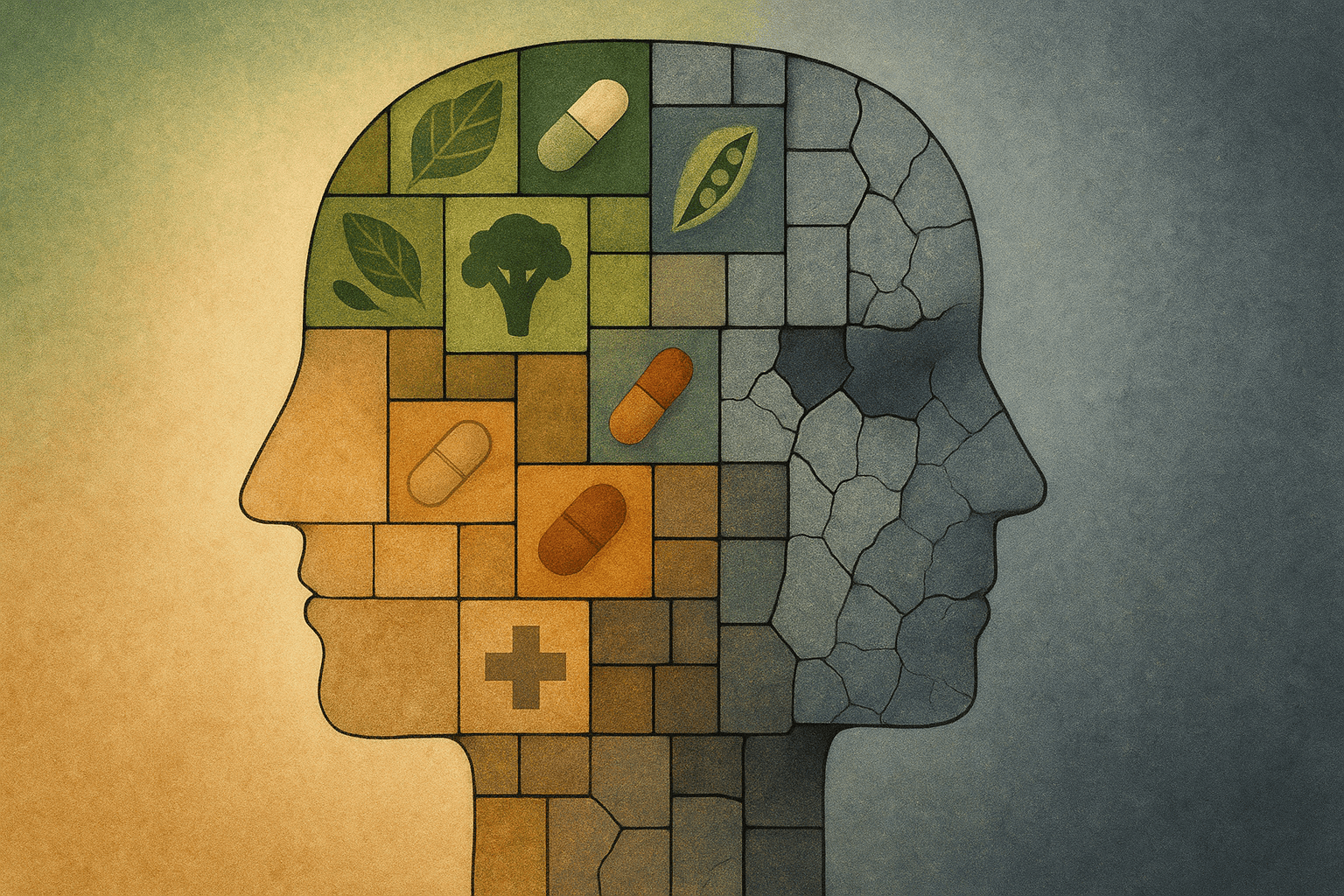
A comprehensive review highlights that vegan diets may increase risks of depression, anxiety, and other mental health issues, primarily due to nutrient deficiencies like vitamin B12, zinc, iron, vitamin D, and calcium. Vulnerable groups such as women and pregnant women are particularly affected, and the rise of orthorexia nervosa among vegans is concerning. Experts emphasize the importance of proper planning and supplementation to mitigate these risks while acknowledging the health and environmental benefits of plant-based diets.
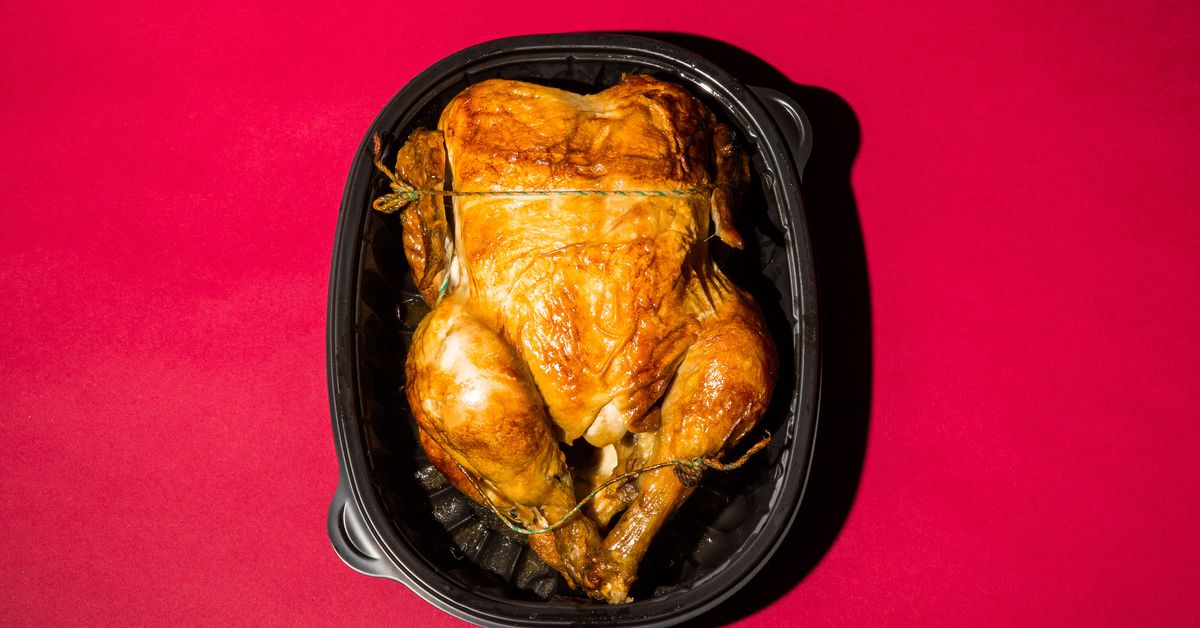
This Thanksgiving, around 8 million turkeys will be wasted, highlighting the environmental and ethical issues surrounding the holiday's traditional meal. Despite turkey's unpopularity, social conformity and ritual keep it central to the celebration. The article argues for a shift towards plant-based dishes, emphasizing the cruelty and unsustainability of factory-farmed turkeys. It suggests that Thanksgiving can be an opportunity to reshape food customs, promoting more sustainable and compassionate practices.
Harvard-trained nutritional and metabolic psychiatrist Dr. Georgia Ede claims that animal products, particularly meat, are essential for maintaining mental health due to their rich nutrients like zinc, vitamin B12, and choline, which are linked to better mental health and are more difficult to find in vegan foods. Several studies have suggested that meat eaters have better mental health outcomes compared to vegetarians, and a 2023 report from the United Nations' Food and Agriculture Organization concluded that animal sources of food offer crucial nutrients that are hard to find in the required quality and quantity in vegan diets. Additionally, vegetarian women have a higher risk of hip fractures compared to meat-eaters due to lower intake of nutrients linked with bone and muscle health.
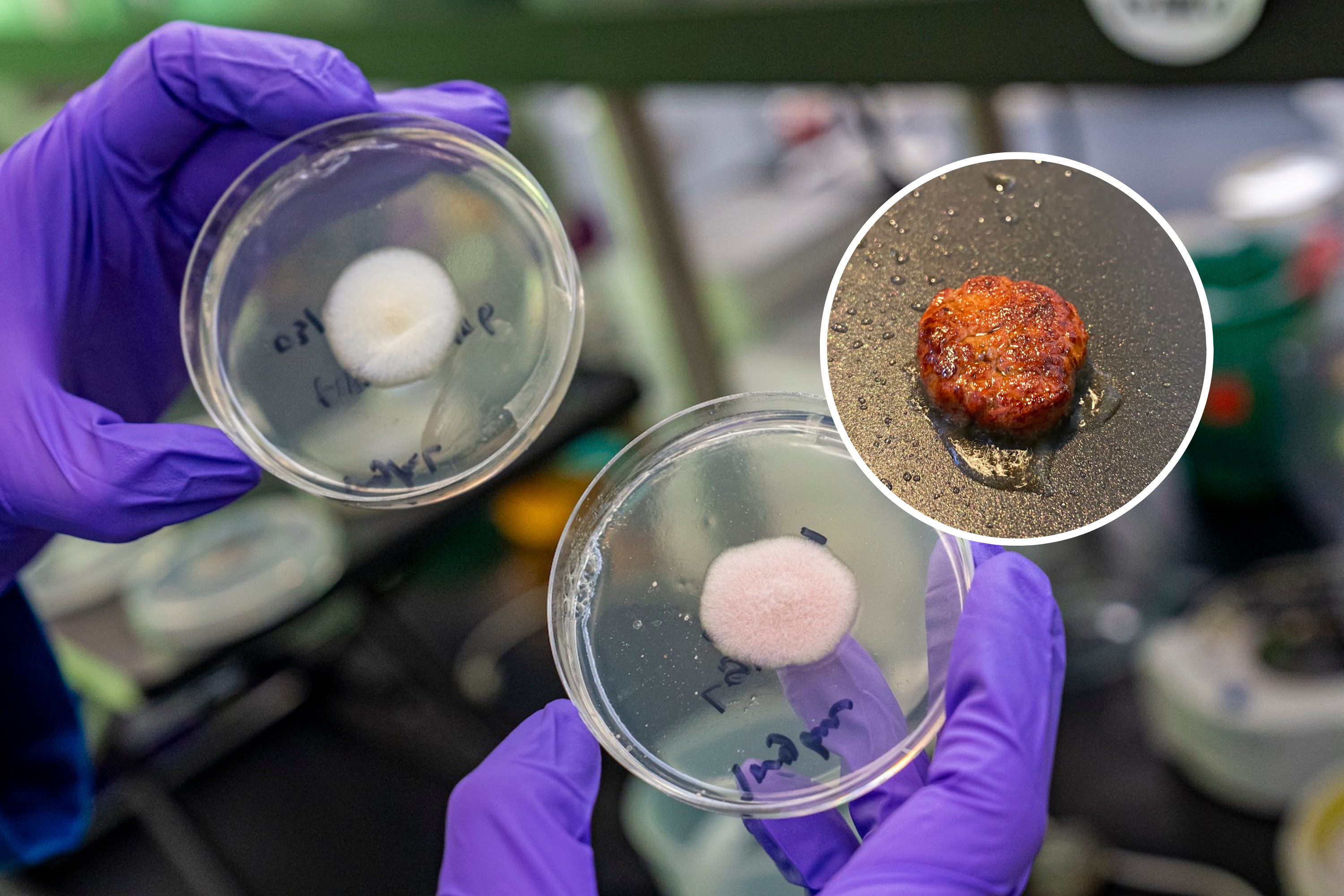
Scientists have created a burger from genetically modified Koji mold, a type of fungi, in an effort to provide a meat-like alternative for vegan diets. By genetically modifying the mold's genome and enhancing its properties, such as color and antioxidant production, researchers were able to produce a patty that resembles meat. The next step is to further alter the mold's genes to improve its texture and nutritional value, aiming to create a more appealing and meat-like experience.
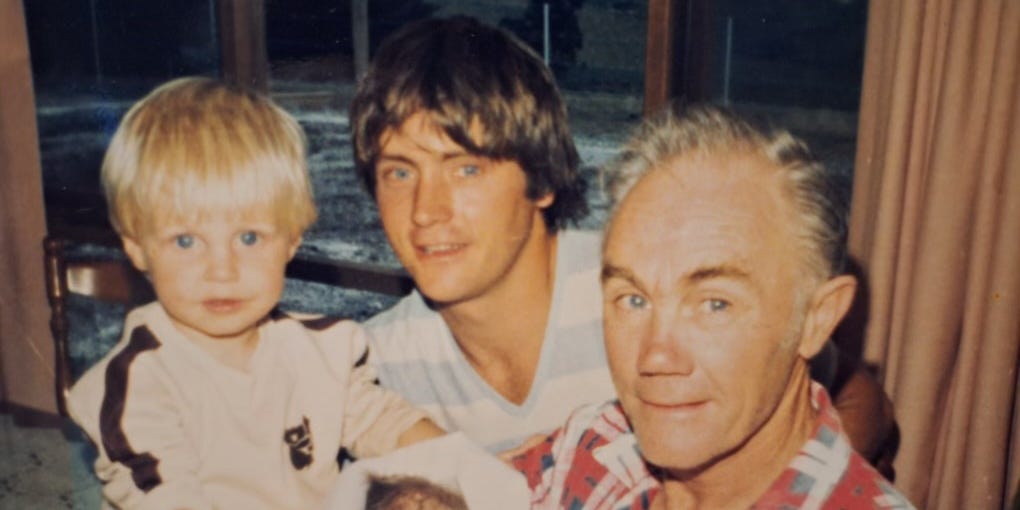
After his father's death from colon cancer at 57, John Salton adopted a vegan diet, reduced stress, and became an ultra-runner. He now owns a vegan café and is preparing for a cross-Australia run for charity. Salton's lifestyle changes were inspired by his father's illness, and he aims to make a difference in people's lives through food and physical challenges. His upcoming run will raise funds for a charity focused on regenerative farming and supporting regional communities.
A study from the University of Copenhagen found that vegan women have a higher risk of developing life-threatening preeclampsia and having underweight babies, with babies born to vegan mothers being half a pound lighter on average. The research, based on 66,738 Danish pregnancies, also revealed that protein intake was lower among vegetarians and vegans, potentially leading to low birth weight. The study emphasizes the importance of pregnant women, especially those following plant-based diets, to ensure adequate intake of essential nutrients like protein, iron, vitamin B12, vitamin D, calcium, and iodine.
Americans consume twice as much protein as recommended, with 60% trying to increase intake, but excessive protein from animal-based foods is linked to health risks and environmental impact. Plant-based foods like beans, tofu, and lentils provide adequate protein, and a fiber-rich diet from plant-based foods can reduce the risk of various diseases. Vegans should pay attention to getting enough vitamin B12 and iron, but these can be easily obtained through supplements and plant-based foods. Closing the fiber gap and incorporating more plant-based foods can improve overall health and nutrition.