An increase in Lone Star tick populations on Martha’s Vineyard has led to a rise in alpha-gal syndrome, a severe allergy to red meat, prompting some meat-lovers to adopt vegan diets as a preventive measure, with no current cure available.
An increase in Lone Star tick populations on Martha’s Vineyard has led to a rise in alpha-gal syndrome, a severe allergy to red meat, prompting some meat-lovers to adopt vegan diets as a preventive measure, with no current cure available for the allergy.
Missouri is experiencing an increase in the aggressive Lone Star tick, which can cause Alpha-Gal Syndrome, a food allergy to red meat and dairy. The CDC reports over 110,000 cases in the U.S. from 2010 to 2022, though the actual number is unknown. Prevention includes using DEET repellent, wearing long clothing, and performing thorough tick checks after outdoor activities.
Several U.S. states have issued warnings about the lone star tick, which can cause alpha-gal syndrome, a serious meat allergy, if it bites humans. The CDC reported over 100,000 suspected cases from 2010 to 2022. States like Georgia, Michigan, North Carolina, Virginia, and Connecticut are among those alerting residents to the risks, especially as the prevalence of these ticks increases in the summer months.
Lone star ticks, found in Florida and Georgia, can cause meat allergies and spread diseases like ehrlichiosis and Heartland virus. With climate change and growing deer populations, these ticks are spreading to northern states and Canada. Effective insect repellents and permethrin-treated clothing are recommended for protection.
Cases of alpha-gal syndrome, a tick-borne illness that can cause a life-threatening food allergy, are increasing in the United States and parts of New Jersey. The Centers for Disease Control and Prevention (CDC) reports around 15,000 cases annually nationwide, with New Jersey seeing a rise in reported cases. Cumberland County in New Jersey has issued a warning, stating that it has a high burden of alpha-gal syndrome cases. The disease is linked to the lone star tick and causes an immune response to foods like red meat and dairy. Symptoms include hives, nausea, heartburn, and swelling. Experts advise taking precautions to prevent tick bites when outdoors.
A woman is battling a severe allergy to meat and dairy caused by a bite from a lone star tick, forcing her to live in a bubble and avoid certain foods.
The rising threat of lone star tick bites in New York has prompted an urgent call for summer safety measures. Health officials are warning residents to take precautions, such as wearing long sleeves and pants, using insect repellent, and checking for ticks after spending time outdoors. The lone star tick, known for its aggressive behavior and ability to transmit diseases, has been expanding its range in recent years, posing a growing risk to public health.
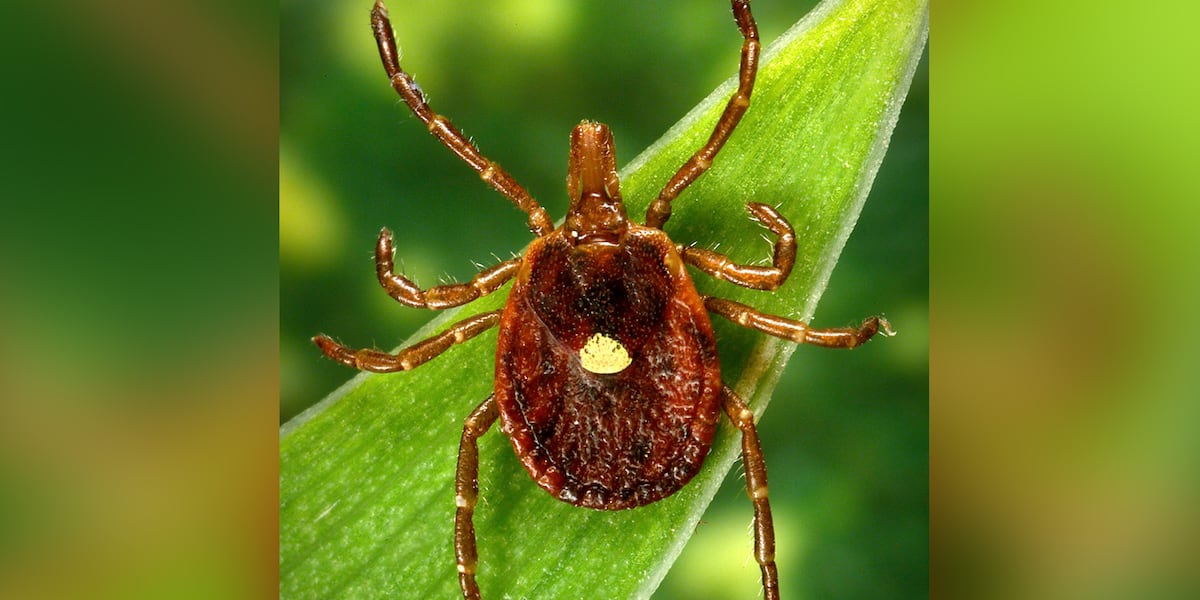
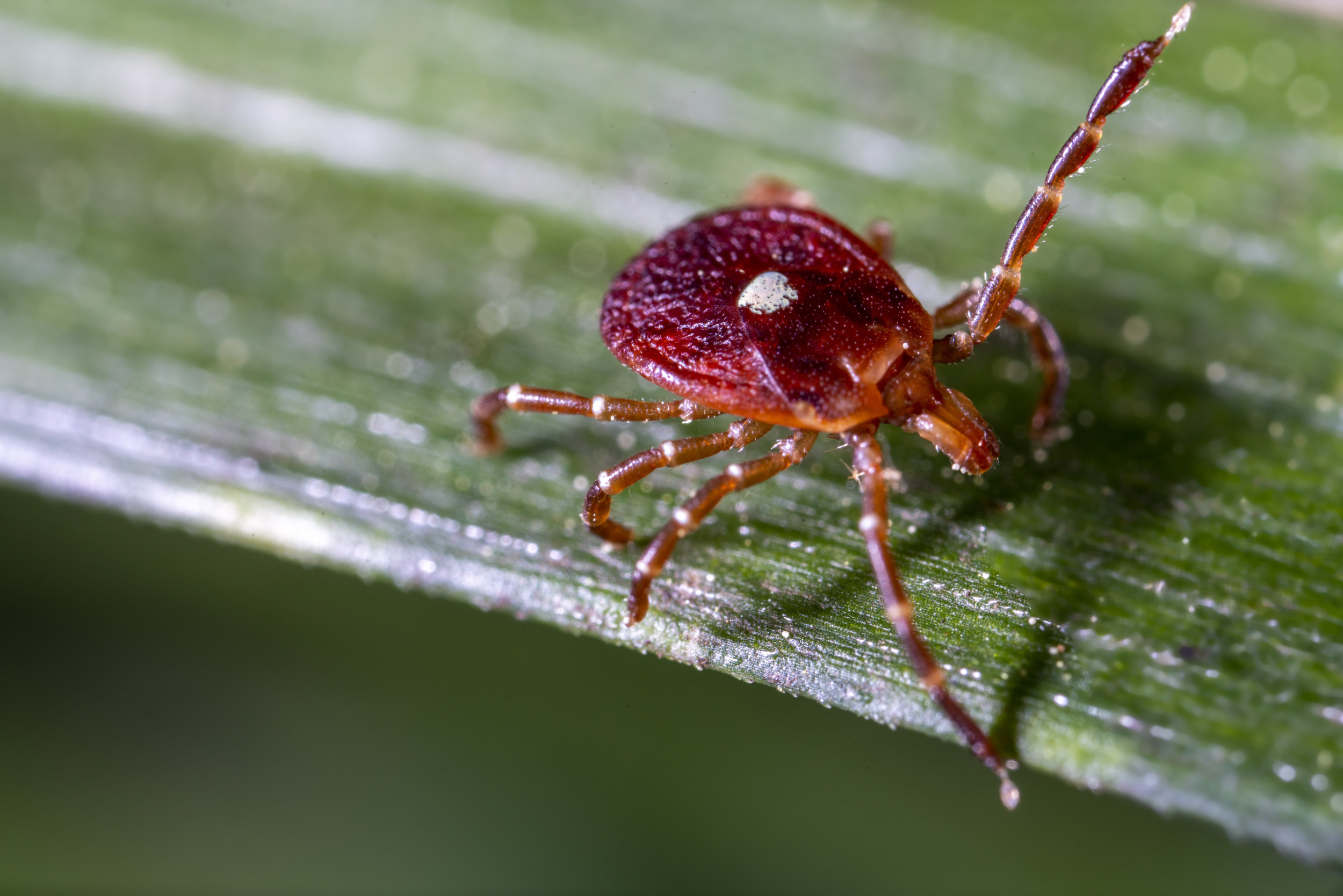
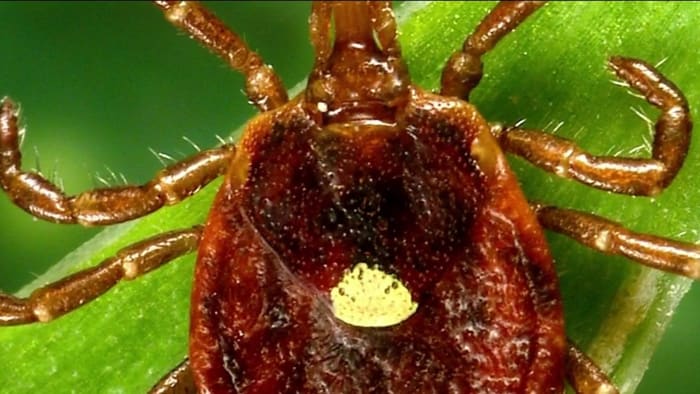
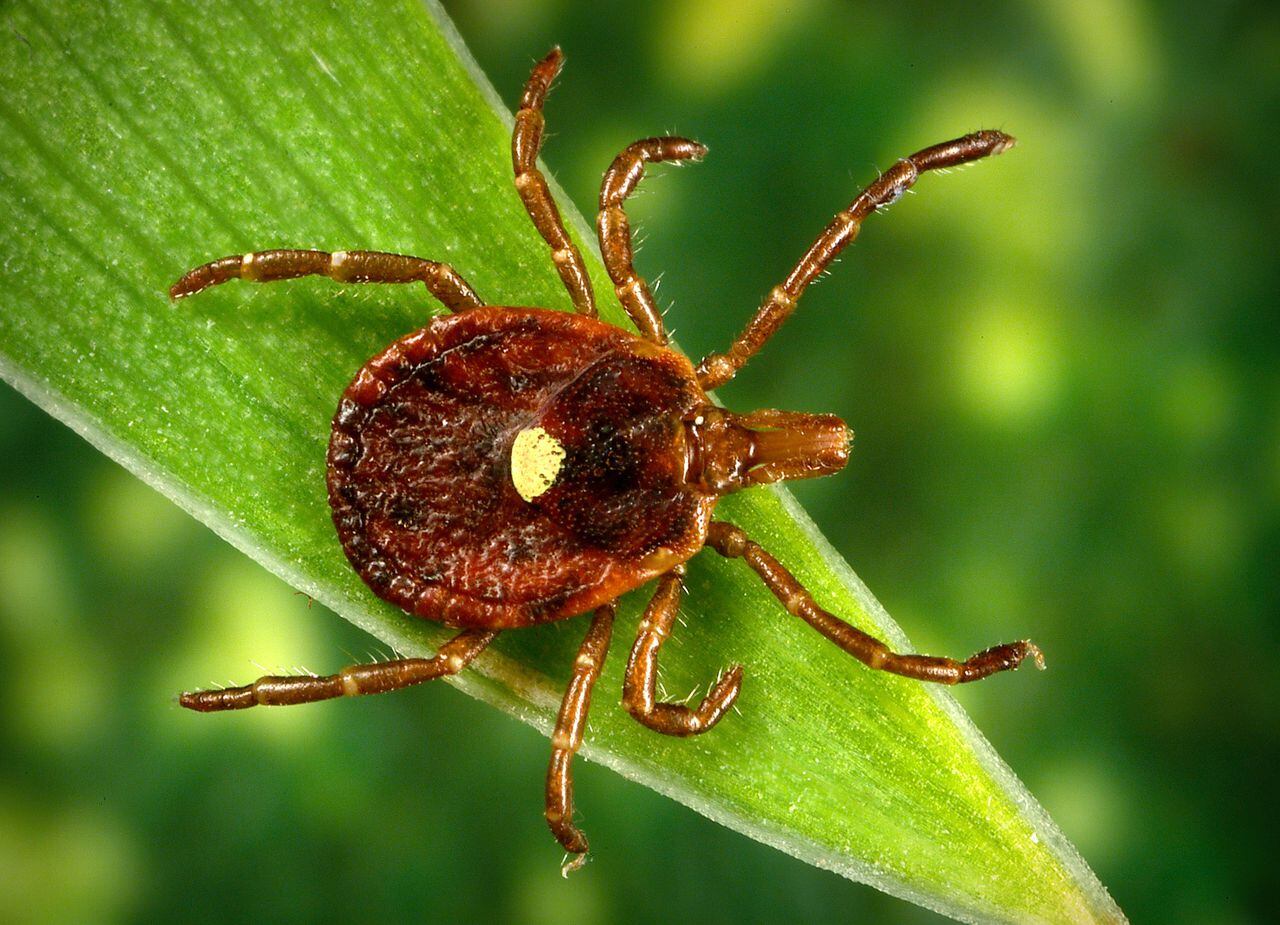
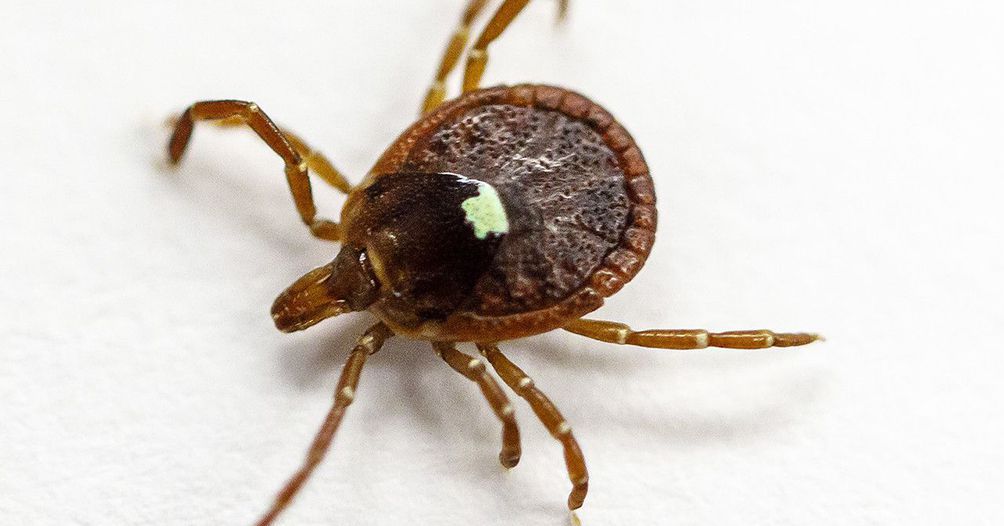
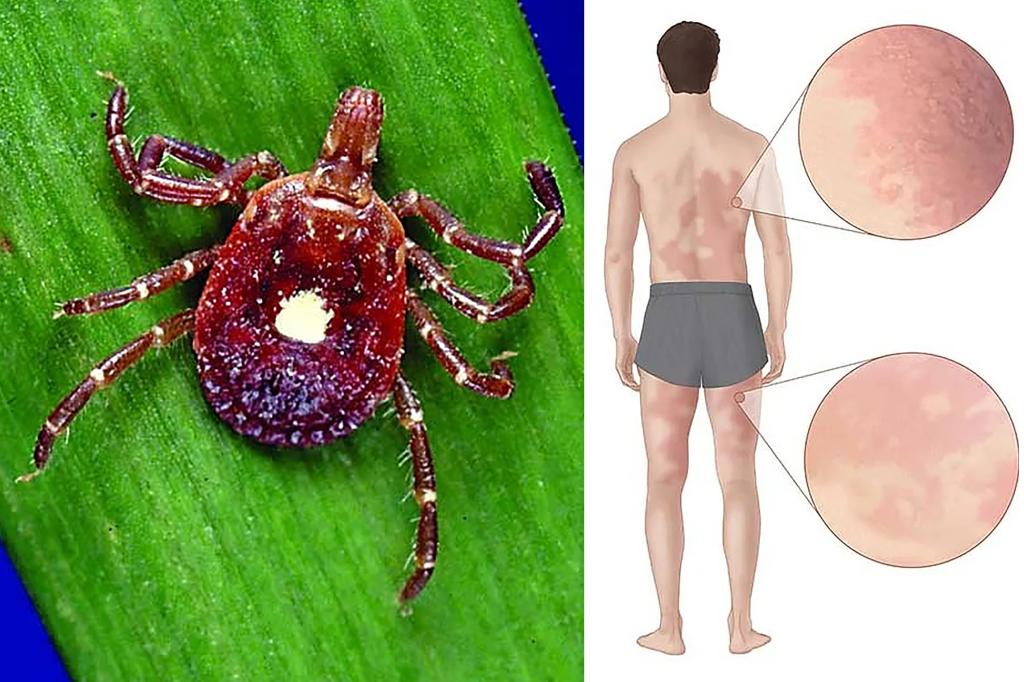
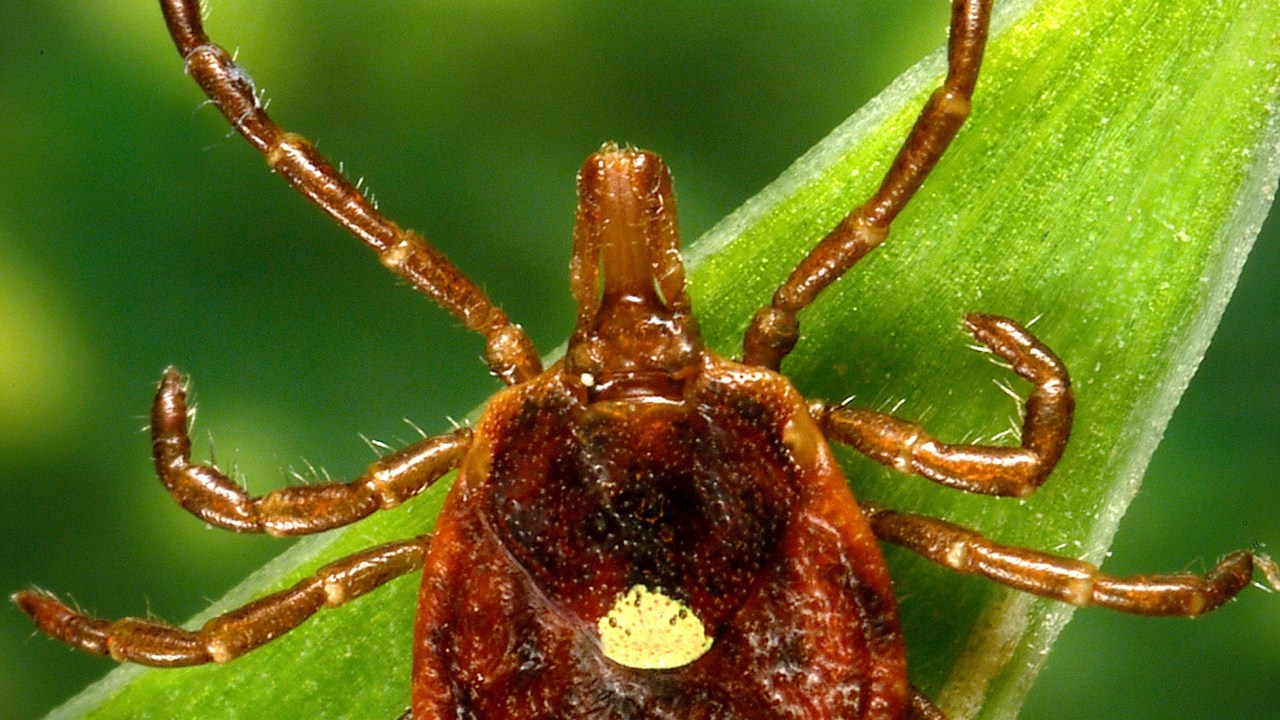
The lone star tick, named for the female's distinctive white dot on its back, can spread sugar alpha-gal via its spit, triggering alpha-gal syndrome (AGS) in sufferers. AGS causes severe allergic reactions to red meat, including hives, nausea, heartburn, and difficulty breathing. New research estimates that the number of AGS sufferers in the US may be as high as 450,000 people. While AGS is manageable by avoiding red meat, it can be life-threatening if a severe allergic reaction occurs. The CDC's reports also revealed a rise in tick-borne illnesses, highlighting the importance of tick bite prevention.
Up to 450,000 people in the United States may have developed a tick-associated allergic condition called alpha-gal syndrome, or red-meat allergy, which is triggered when eating red meat. The condition is caused by a sugar molecule found in tick saliva, and symptoms range from mild to severe. The lone star tick is believed to be the primary carrier of the allergy, and its expanding range due to longer summers and rising temperatures increases the risk of human exposure. Diagnosis and awareness of the condition are low among healthcare providers, and there is currently no cure or treatment.
The Springfield-Greene County Health Department warns of an increase in tick-borne illnesses, particularly alpha-gal syndrome (AGS), caused by the lone star tick prevalent in the region. AGS can lead to an allergy to red meat, and symptoms include hives, swelling, and shortness of breath. There is no treatment for AGS, and people are advised to avoid additional tick bites and stop eating red meat. The Health Department encourages people to take steps to prevent tick bites, such as using insect repellent, wearing long pants, and checking for ticks after spending time outdoors.
A New Jersey man has developed an allergy to red meat after being bitten by an invasive species of tick. Craig Smith, 62, suffers from Alpha-gal syndrome, a potentially life-threatening allergy that triggers an immune reaction to a sugar molecule found in meat. The lone star tick, which carries the Alpha-gal sugar molecule, is an invasive species of bloodsucker that actively pursues its prey. Smith's unfortunate saga began last year after he woke up in the middle of the night with painful rashes all over his body. There is currently no cure for the disease, which was only discovered over the past two decades.
A resident of Crawford County, Kansas, has been diagnosed with Heartland Virus Disease, a rare tickborne illness transmitted by the bite of an infected Lone Star Tick. This is the first case of Heartland in Crawford County and only the third case identified in Kansas since the virus was discovered in northwest Missouri in 2009. Symptoms of Heartland are vague and include fever, fatigue, muscle or joint pain, headache and occasionally a rash. The discovery of this case of Heartland should serve as a reminder to take precautions when taking part in outdoor activities.