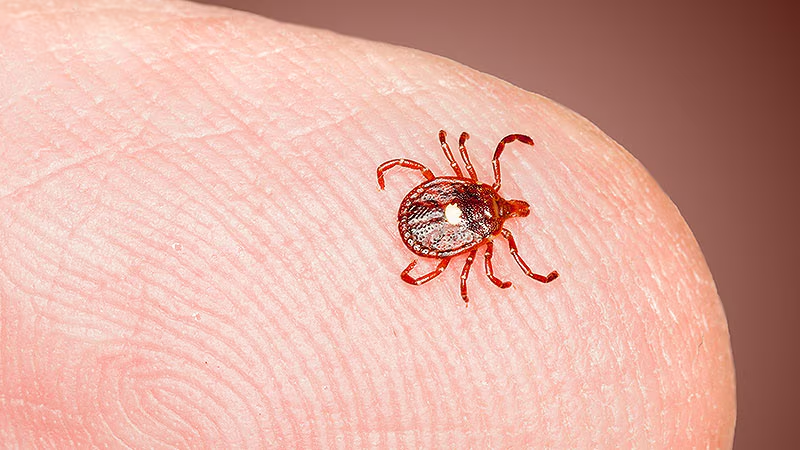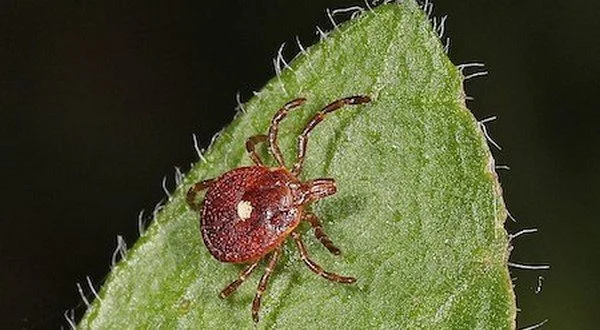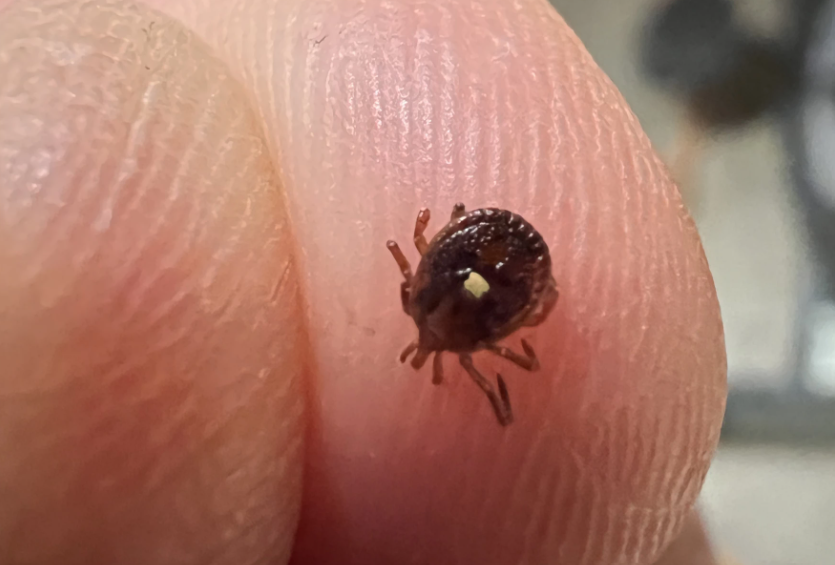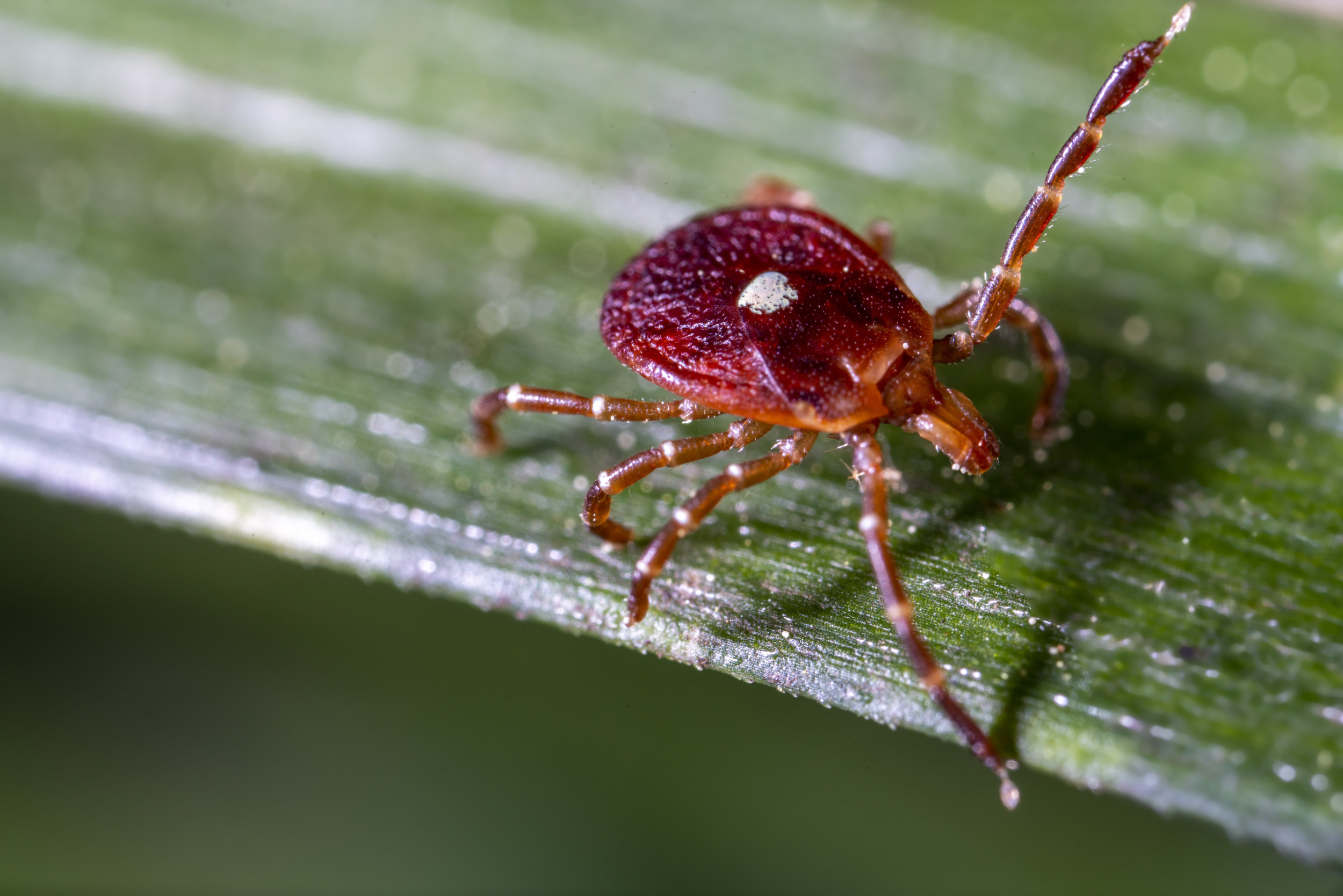
Lawmakers across the US are increasing efforts to raise awareness and improve reporting of alpha-gal syndrome, a tick-borne allergy to red meat, as its prevalence rises due to climate change and expanding tick habitats. While some states have introduced legislation for better tracking, prevention strategies include avoiding tick bites and developing tick-repellent medications. The CDC estimates up to 450,000 Americans may be affected.
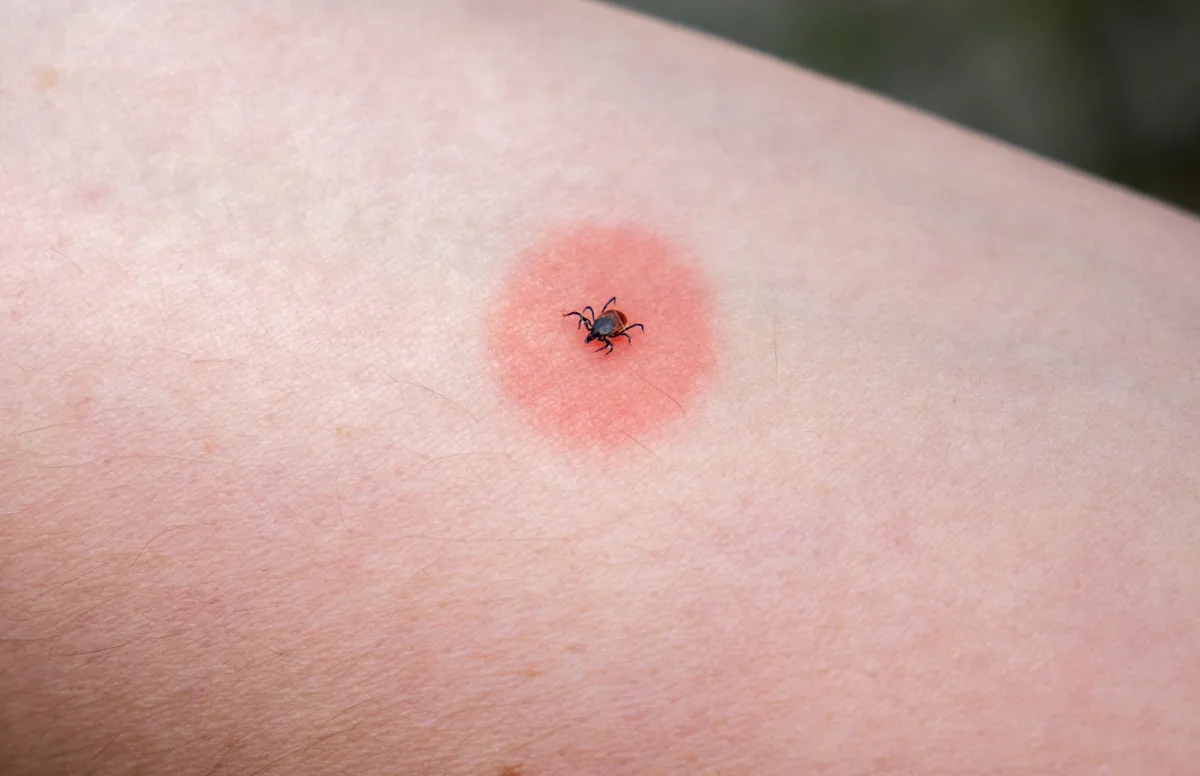
Doctors in Arkansas warn about the rising risk of Alpha-gal syndrome, a potentially life-threatening allergy to red meat caused by tick bites, with no current cure, emphasizing prevention through protective clothing and tick checks.
Alpha-Gal Syndrome, a meat allergy triggered by tick bites, is spreading north and west in the US, with cases increasing significantly over the past decade due to tick habitat expansion and climate change, posing serious health risks including severe allergic reactions.
The incidence of alpha-gal syndrome, an allergy to red meat caused by tick bites, has doubled in Arkansas since 2004, with more cases reported as the condition becomes better recognized. The allergy can cause symptoms like hives, swelling, and breathing difficulties, but early diagnosis and preventive measures such as avoiding tick habitats and using insect repellent can help manage the risk.
The incidence of red meat allergies caused by tick bites, known as alpha-gal syndrome, is increasing in Kansas and Missouri due to climate change, but underreporting hampers understanding of its true prevalence.
A rise in alpha-gal syndrome, an allergy to red meat caused by tick bites, is leading more people in the US to avoid meat, with cases increasing due to climate change expanding tick habitats. This highlights the broader impact of climate change on food safety and the food system's vulnerability to pathogens and contamination.
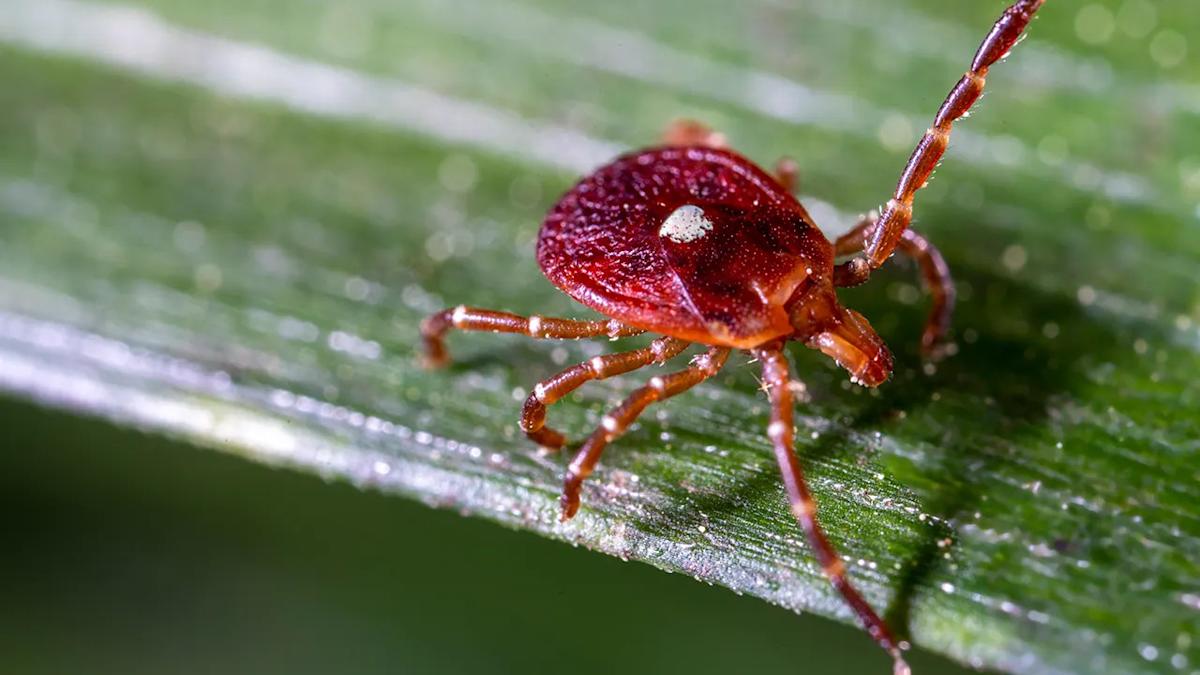
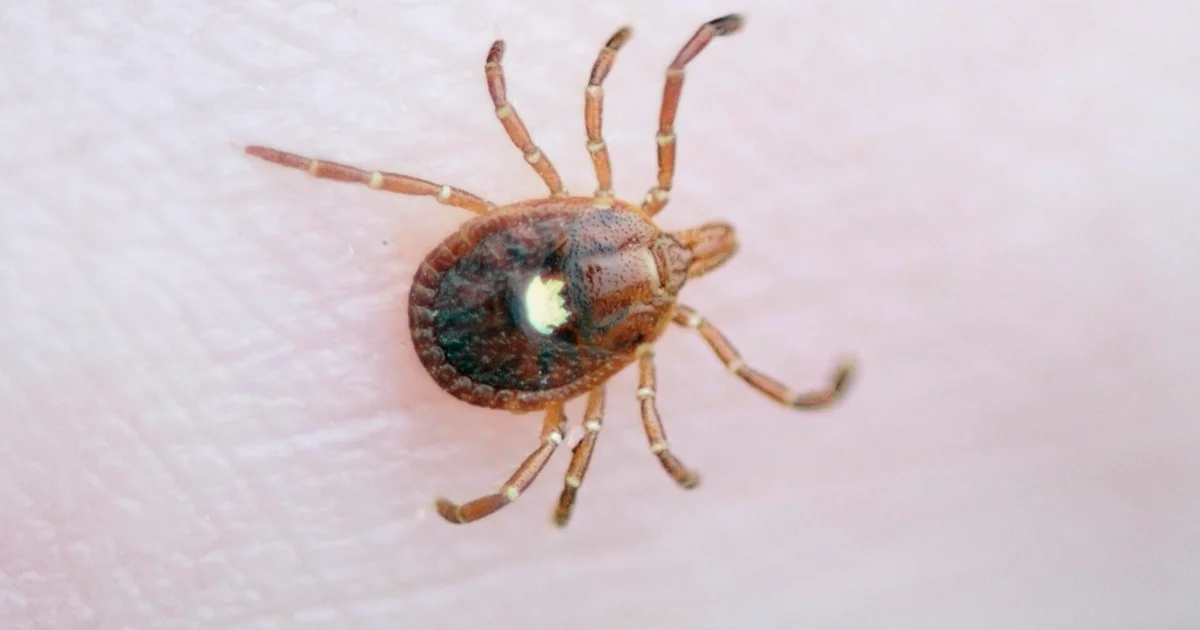
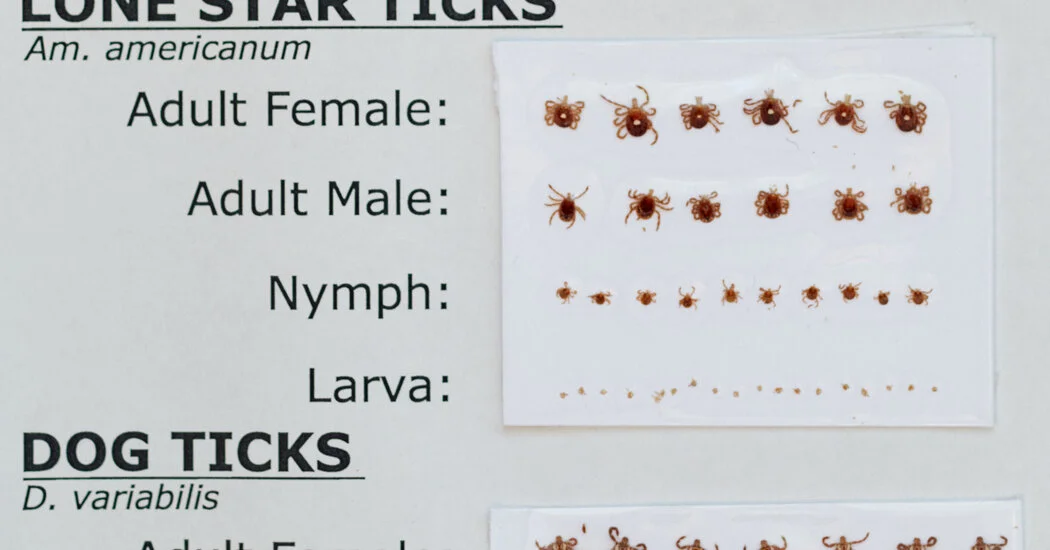
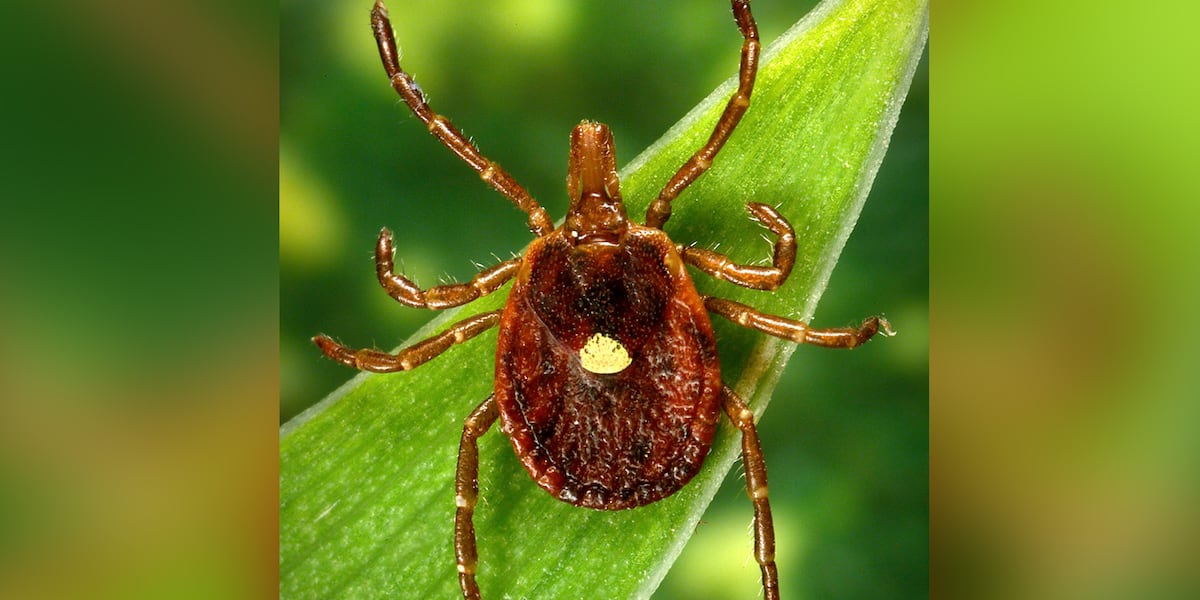
An increase in Lone Star tick populations on Martha’s Vineyard has led to a rise in alpha-gal syndrome, a severe allergy to red meat, prompting some meat-lovers to adopt vegan diets as a preventive measure, with no current cure available.
An increase in Lone Star tick populations on Martha’s Vineyard has led to a rise in alpha-gal syndrome, a severe allergy to red meat, prompting some meat-lovers to adopt vegan diets as a preventive measure, with no current cure available for the allergy.
Residents of Martha’s Vineyard are adopting vegan diets and altering their social habits due to a surge in tick-borne alpha-gal syndrome, which causes severe allergic reactions to red meat and dairy after tick bites, leading to a rise in plant-based eating and menu modifications on the island.
A rare allergy called alpha-gal syndrome, caused by tick bites, has led residents of Martha's Vineyard to avoid red meat and dairy, transforming their social and dietary habits due to the risk of severe allergic reactions.
On Martha's Vineyard, a surge in Lone Star ticks has led to a significant increase in alpha-gal syndrome, an allergy to mammal meat and dairy, with positive allergy tests rising from 32 in 2021 to over 500 in 2024, prompting changes in public health awareness and restaurant menus.
Martha's Vineyard is experiencing a rise in tick bites due to the spread of the lone star tick, leading to an increase in alpha-gal syndrome, a meat and dairy allergy, which is prompting some islanders to adopt vegan diets for health reasons.
Tick bites are increasing in 2025, leading to a rise in Lyme disease and red meat allergies, particularly affecting residents of Martha's Vineyard who suffer from Alpha-gal syndrome caused by Lone Star ticks.
Missouri is experiencing an increase in the aggressive Lone Star tick, which can cause Alpha-Gal Syndrome, a food allergy to red meat and dairy. The CDC reports over 110,000 cases in the U.S. from 2010 to 2022, though the actual number is unknown. Prevention includes using DEET repellent, wearing long clothing, and performing thorough tick checks after outdoor activities.
Several U.S. states have issued warnings about the lone star tick, which can cause alpha-gal syndrome, a serious meat allergy, if it bites humans. The CDC reported over 100,000 suspected cases from 2010 to 2022. States like Georgia, Michigan, North Carolina, Virginia, and Connecticut are among those alerting residents to the risks, especially as the prevalence of these ticks increases in the summer months.