Scientists have uncovered how the uterus senses physical forces like stretch and pressure during childbirth through specialized molecular sensors called PIEZO1 and PIEZO2, which coordinate contractions and could lead to improved labor treatments and pain management in the future.
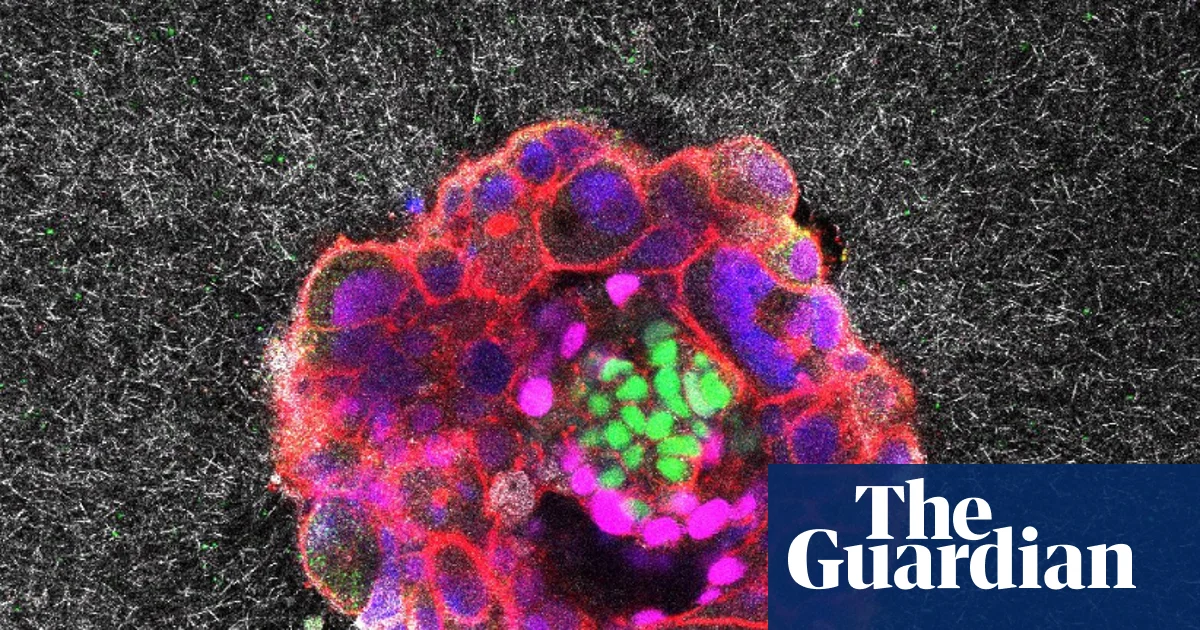
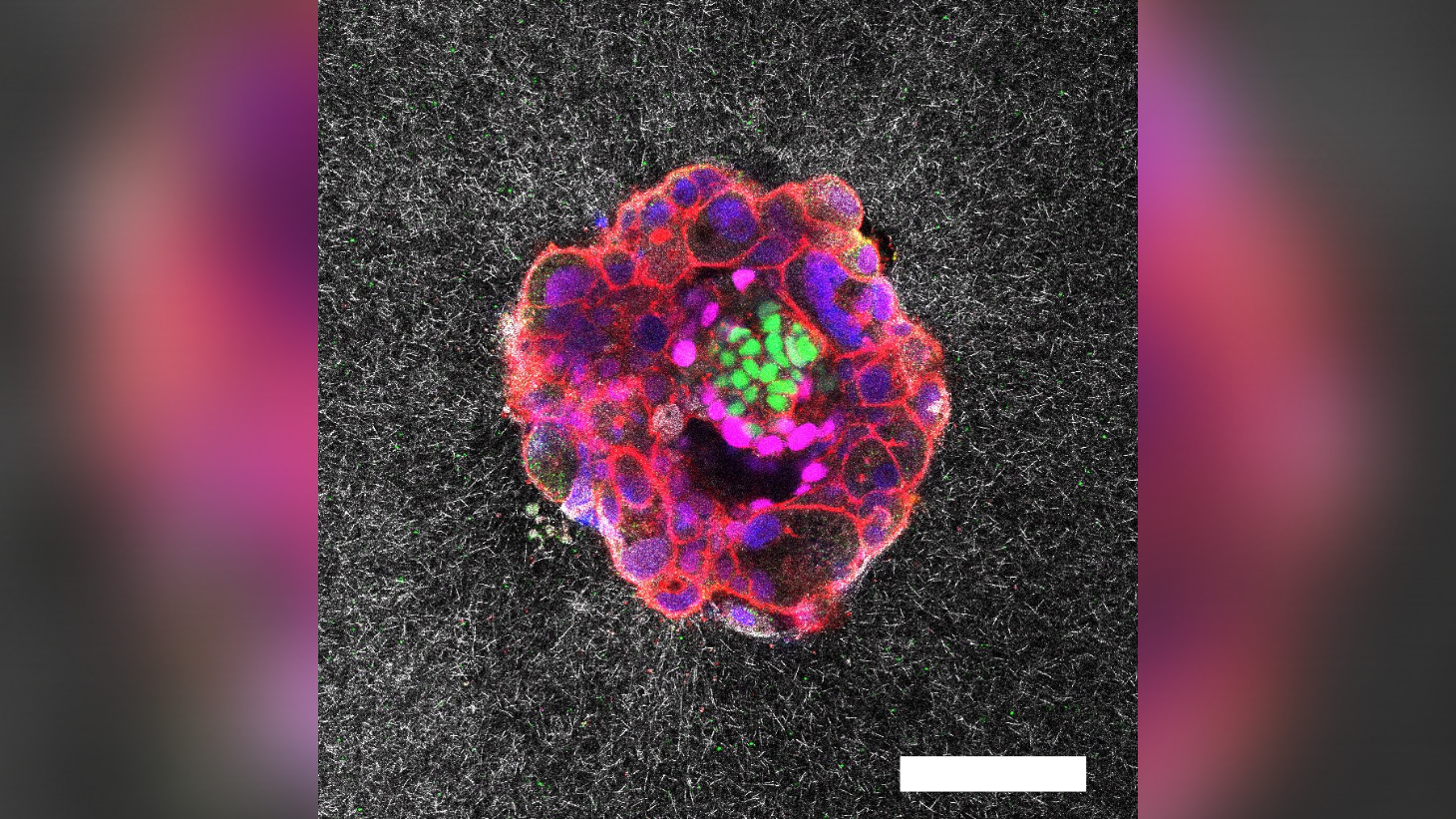
Scientists have captured the first real-time 3D footage of a human embryo implanting into a uterus using a synthetic model, revealing detailed insights into the invasive process, including the forces and enzymes involved, which could improve understanding of fertility and miscarriage causes.
Scientists have captured the first real-time video of a human embryo implanting in a laboratory model of the uterus, revealing that the process is invasive and involves the embryo exerting force to invade uterine tissue, which could improve understanding and success rates of fertility treatments like IVF.
The "belly pooch" in women is often misunderstood and wrongly attributed to the uterus. Experts clarify that while the uterus is located in the pelvis, the pooch is typically due to fat, muscle, and other tissues. It's normal for women to have more abdominal fat, influenced by hormonal and reproductive factors. The rush to explain away belly fat highlights societal discomfort with body fat, but it's important to accept and care for our bodies as they are.
A 43-year-old woman in Mexico visited the emergency room with severe abdominal pain and vaginal bleeding, only to discover that she had shed her entire uterine lining at once, a condition known as a decidual cast. This rare occurrence, typically seen in pregnant women or those using contraceptives that affect progesterone levels, is characterized by the sudden expulsion of the uterine lining. While the cause of this condition remains unclear, it is not considered dangerous. The case was published in the American Journal of Case Reports.
A woman shares her experience of discovering her baby had no heartbeat at her 12-week ultrasound. Instead of waiting for the pregnancy to pass naturally, her doctor recommended immediate surgery to remove the remains and discovered a uterine polyp that increased the risk of miscarriage. The surgery not only prevented infection but also gave her the chance to have more children in the future. She later became pregnant with twins and reflects on the loss of her first baby and the importance of her doctor's care.
A woman shares her experience of having a miscarriage at 10 weeks pregnant and how her doctor's quick action saved her uterus. After discovering there was no heartbeat, the doctor recommended a surgical removal of the pregnancy remains to prevent the risk of infection. During the procedure, a uterine polyp was also removed, which could have increased the risk of miscarriage. The surgery not only prevented infection but also gave the woman the chance to have more children in the future. She later became pregnant with twins and reflects on the loss of the first baby and the importance of her doctor's care.
Sarah Lundry of Kansas thought she was pregnant but later discovered she had a complete molar pregnancy, where a tumor developed in her uterus without an embryo. The tumor eventually turned into cancer, spreading to her lungs and uterus, requiring a partial hysterectomy and chemotherapy. Lundry is now one year cancer-free and her family is raising money to adopt a baby.
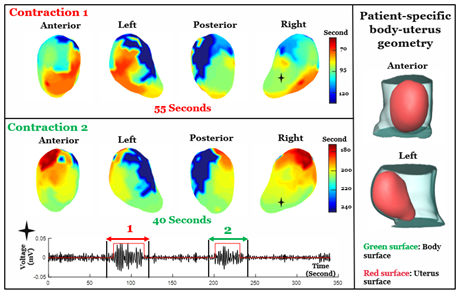
Researchers funded by the National Institutes of Health have developed a new imaging tool, called electromyometrial imaging (EMMI), to create real-time, three-dimensional images and maps of contractions during labor. The non-invasive imaging technique generates new types of images and metrics that can help quantify contraction patterns, providing foundational knowledge to improve labor management, particularly for preterm birth. The study team, led by Yong Wang, Ph.D., and Alan Schwartz, M.D., Ph.D., at Washington University in St. Louis, and Alison Cahill, M.D., at the University of Texas at Austin, initially developed EMMI using a sheep model and reported their findings in Science Translational Medicine.