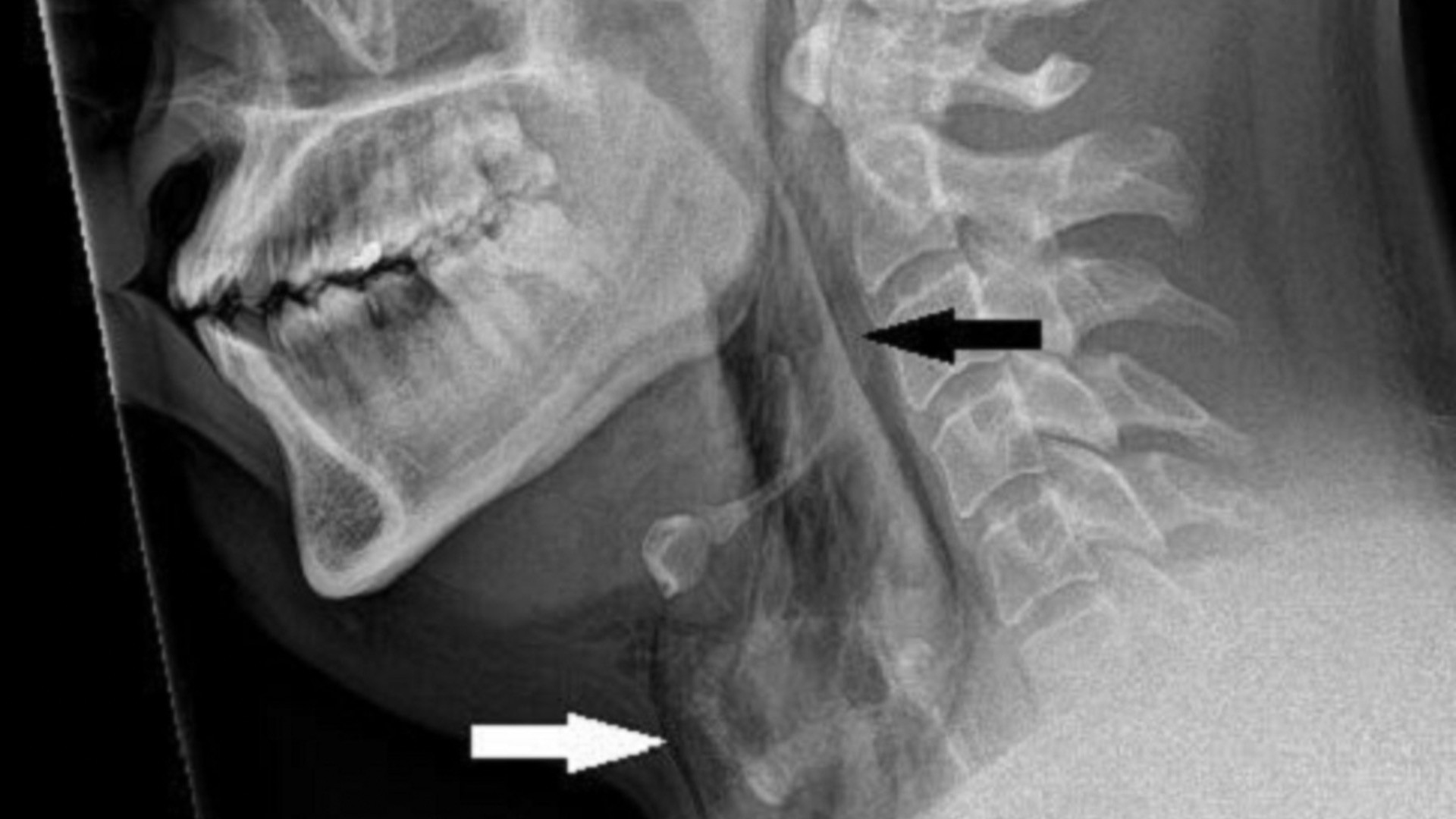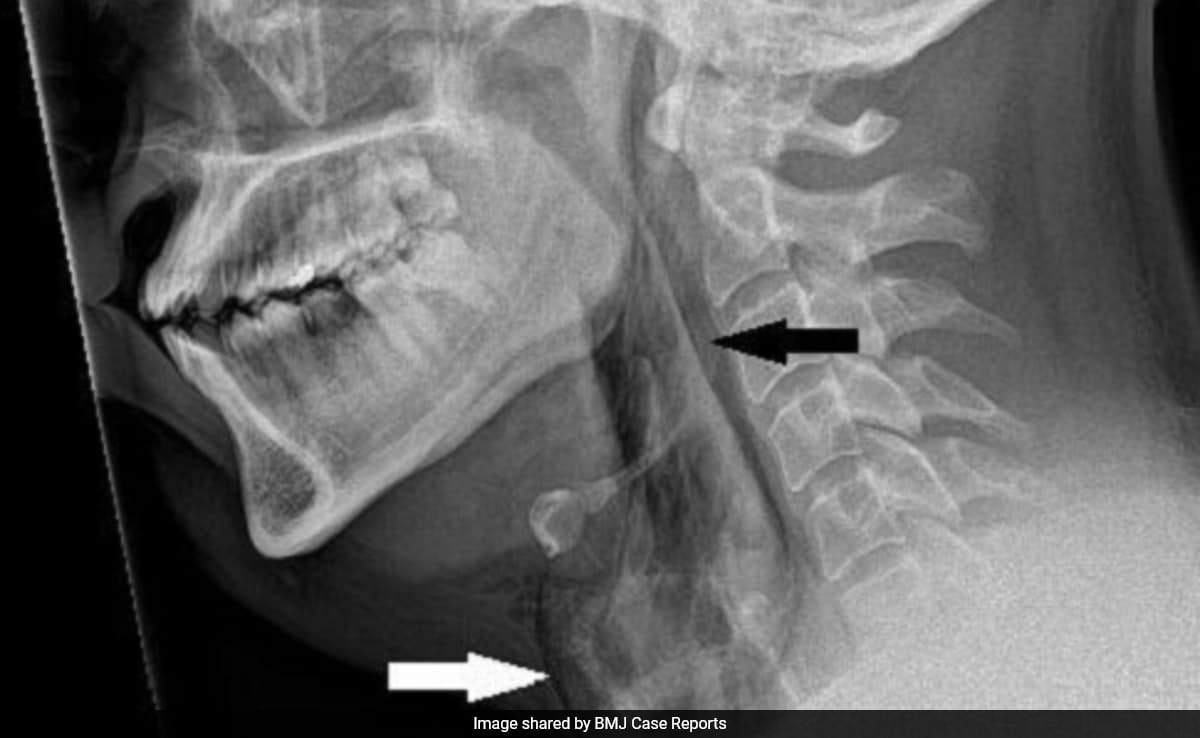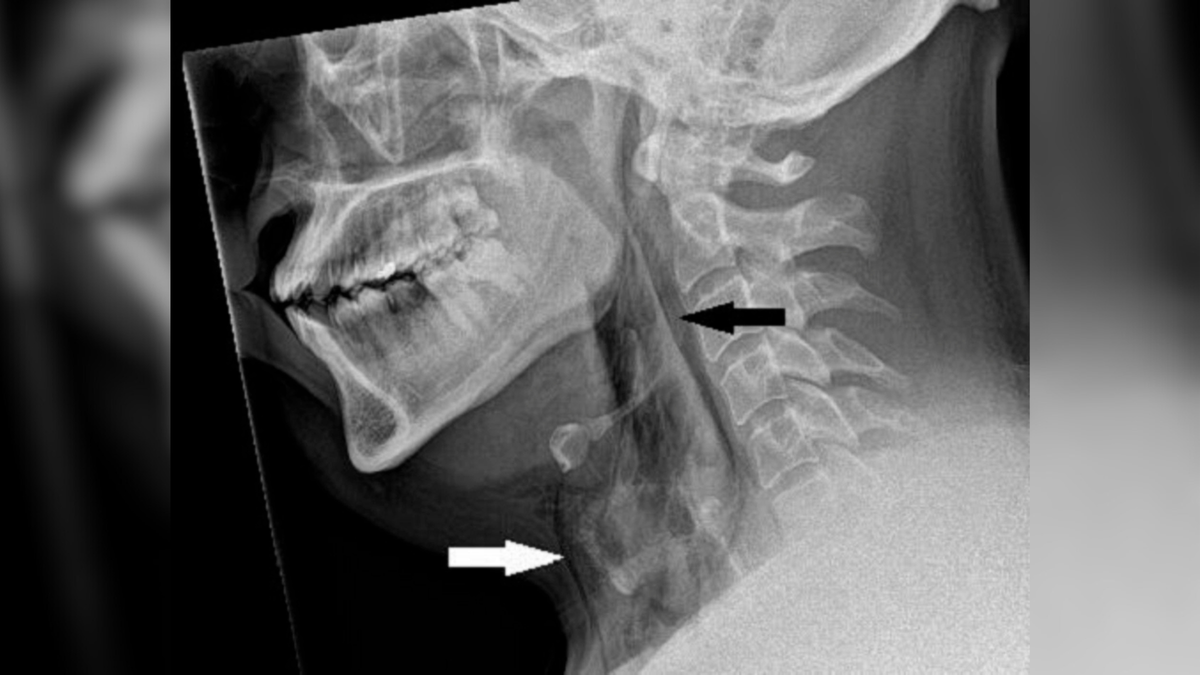
A man suffered a neck rupture and air leakage into his chest after attempting to suppress a sneeze by covering his nose and mouth, highlighting the dangers of holding in sneezes which can lead to serious injuries like airway rupture and pneumomediastinum.
A woman in Serbia died from a ruptured brain aneurysm likely triggered by a sexual self-stimulation incident involving a kitchen whisk, highlighting a rare cause of sudden death during sexual activity.
A rare case in China where shingles led to a bladder rupture in a 77-year-old man, highlighting the potential for shingles to cause severe urinary complications, especially in patients with underlying conditions like diabetes. The patient was successfully treated with surgery and antiviral medication, marking the first known instance of shingles causing bladder rupture.
A man in the UK experienced a rare injury where attempting to stifle a sneeze by pinching his nose and closing his mouth caused a tear in his windpipe, leading to air escaping into his neck tissues. He was treated conservatively and recovered fully, highlighting the dangers of suppressing sneezes improperly.
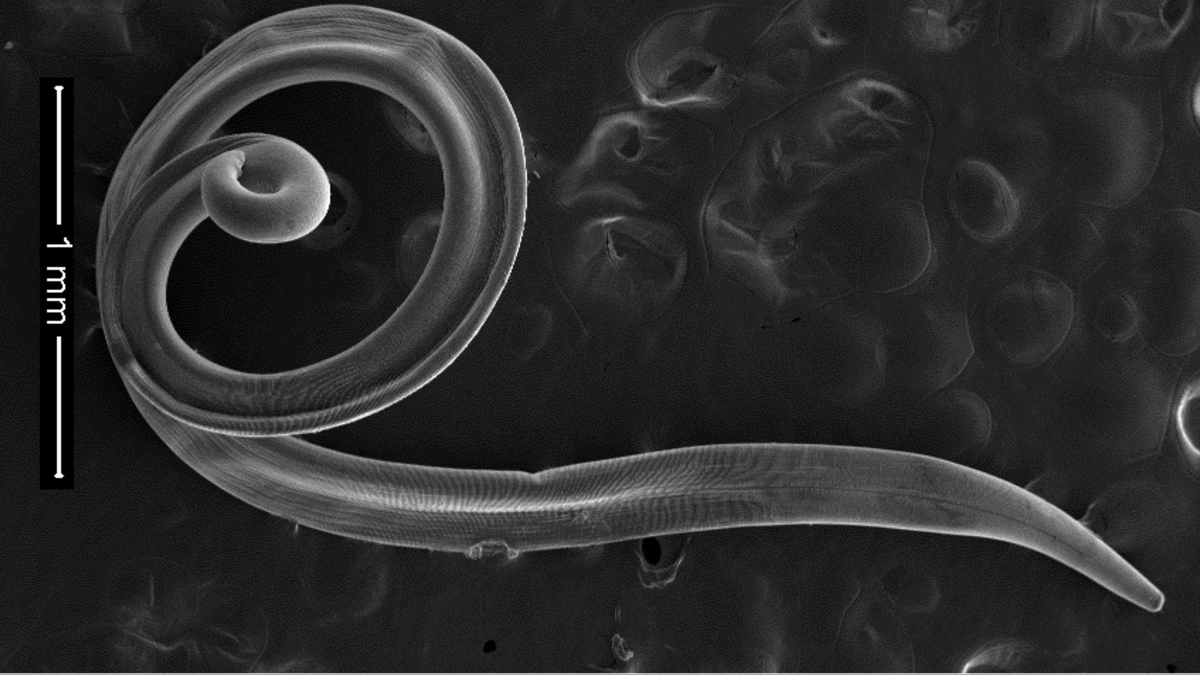
In a rare medical case in Beijing, doctors discovered four live parasitic worms, identified as Thelazia callipaeda or Oriental eye worms, under a woman's eyelid. The woman initially sought medical help for eye irritation, and upon reexamination, the worms were found and removed. Thelaziasis, the disease caused by these worms, is typically transmitted by flies and is rare in humans. The woman, who had a cat with an eye disease, recovered after treatment with an antibiotic eye ointment.
A baby in Tanzania was born with sirenomelia, a rare condition where the lower body is fused together, and lived for only five minutes. The infant had multiple critical defects, including missing an arm and ambiguous genitalia. The condition, almost always fatal, has unclear causes and is rarely documented. The mother, a rural farmer, had no significant medical history or harmful habits, though exposure to fertilizers was noted. The case was reported in the Journal of Medical Case Reports.
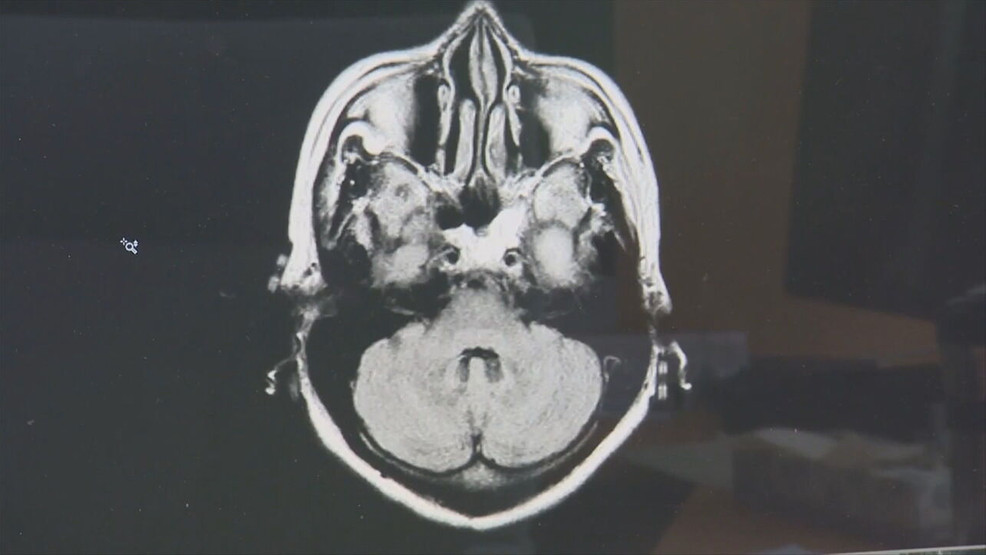
A Florida man suffering from chronic migraines was diagnosed with neurocysticercosis, a parasitic infection caused by tapeworm eggs in his brain, likely contracted from consuming undercooked bacon. The patient's cysts and migraines improved after receiving anti-inflammatory and antiparasitic medications, and the case was published in the American Journal of Case Reports.
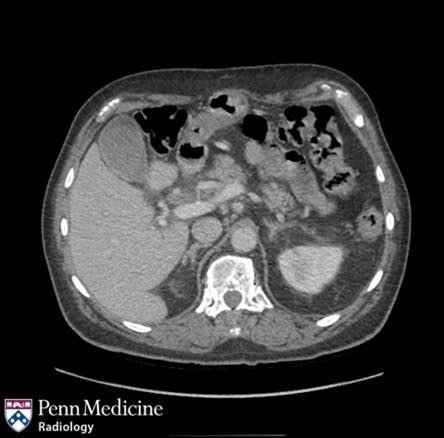
A 69-year-old man presents with right upper quadrant pain and hematemesis, prompting a diagnostic quiz to determine the underlying cause of his symptoms. Healthcare professionals can access the case, review the patient's history, answer quiz questions, and engage in discussions to enhance their diagnostic skills and knowledge.
A 43-year-old woman in Mexico visited the emergency room with severe abdominal pain and vaginal bleeding, only to discover that she had shed her entire uterine lining at once, a condition known as a decidual cast. This rare occurrence, typically seen in pregnant women or those using contraceptives that affect progesterone levels, is characterized by the sudden expulsion of the uterine lining. While the cause of this condition remains unclear, it is not considered dangerous. The case was published in the American Journal of Case Reports.
Doctors are warning against stifling sneezes after a man in Scotland tore a hole in his throat while attempting to suppress a sneeze while driving. The man experienced shooting neck pain and was diagnosed with a spontaneous tracheal perforation. CT scans revealed the torn windpipe. The case, reported in BMJ Case Reports, was described as a rare and potentially life-threatening complication. Experts advise letting sneezes out naturally to prevent such injuries and recommend covering the face with a hand or inner side of the elbow to prevent the spread of irritants.
A man in the UK suffered a rare injury when he attempted to suppress a sneeze and ended up ripping a hole in his windpipe. The incident occurred while he was driving and had hay fever. Instead of letting the sneeze go naturally, he squeezed his nose and shut his lips, resulting in severe neck pain. The case was reported in the BMJ case reports.
In a rare case, a man tore his windpipe while trying to hold in a sneeze, causing a tiny hole in his windpipe. The force of the suppressed sneeze resulted in a 20 times stronger sneeze, causing significant damage. The man sought medical attention and was diagnosed with surgical emphysema. Although he did not require surgery, he was kept under observation for two days and advised to avoid physically demanding activities. Doctors warn against stifling sneezes and emphasize that windpipe injuries are extremely rare but not impossible.
In the first known case of its kind, a man tore a small hole in his windpipe after attempting to hold in a sneeze. The man experienced severe pain and swelling in his neck, but did not have any issues with breathing, swallowing, or talking. Doctors discovered that the tear was caused by a rapid build-up of pressure in the trachea while sneezing with a pinched nose and closed mouth. While such injuries are rare, doctors warn against stifling sneezes in this manner as it can result in tracheal perforation.
Doctors report the first recorded case of a man tearing his trachea after attempting to hold in a sneeze. The man, who had a history of allergies, closed his nose and mouth to stifle the sneeze, causing a rapid increase in air pressure in his throat. This resulted in a tear in his windpipe, which could have been fatal. Tracheal tears are typically seen after surgery or the insertion of a breathing tube. The man was treated with pain medication and advised not to hold in sneezes in the future. He healed naturally after five weeks.
A 63-year-old man undergoing a colonoscopy was found to have a fly in his colon, despite having prepared his bowels for the procedure. The man had no recollection of consuming the fly and medical professionals consider it a rare and mysterious occurrence. The fly was discovered to be completely intact and motionless during the examination.