Scientists have uncovered how the uterus senses physical forces like stretch and pressure during childbirth through specialized molecular sensors called PIEZO1 and PIEZO2, which coordinate contractions and could lead to improved labor treatments and pain management in the future.
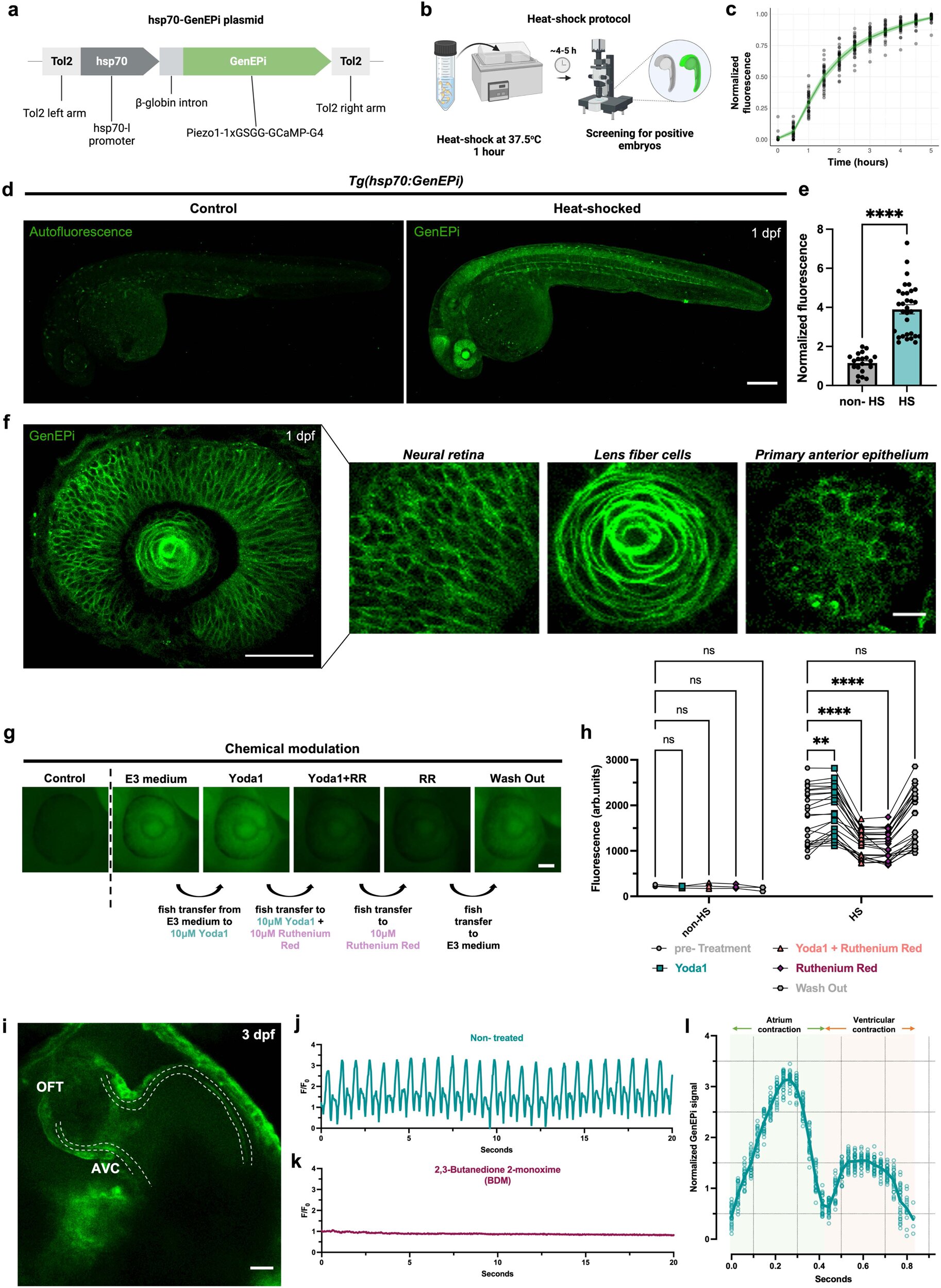
Researchers at Imperial College London have successfully filmed the activity of Piezo1 and Piezo2, bodily "pressure sensors" that won the 2021 Nobel Prize in Physiology or Medicine. These ion channels are found throughout the body and play a crucial role in regulating blood pressure, respiration, bladder control, and the immune system. By developing a specific biosensor called GenEPi, the researchers were able to visualize the activity of Piezo1 channels in various cells and organisms. This non-invasive method could lead to new drug targets for diseases such as cancer and provide insights into fundamental physiological processes.